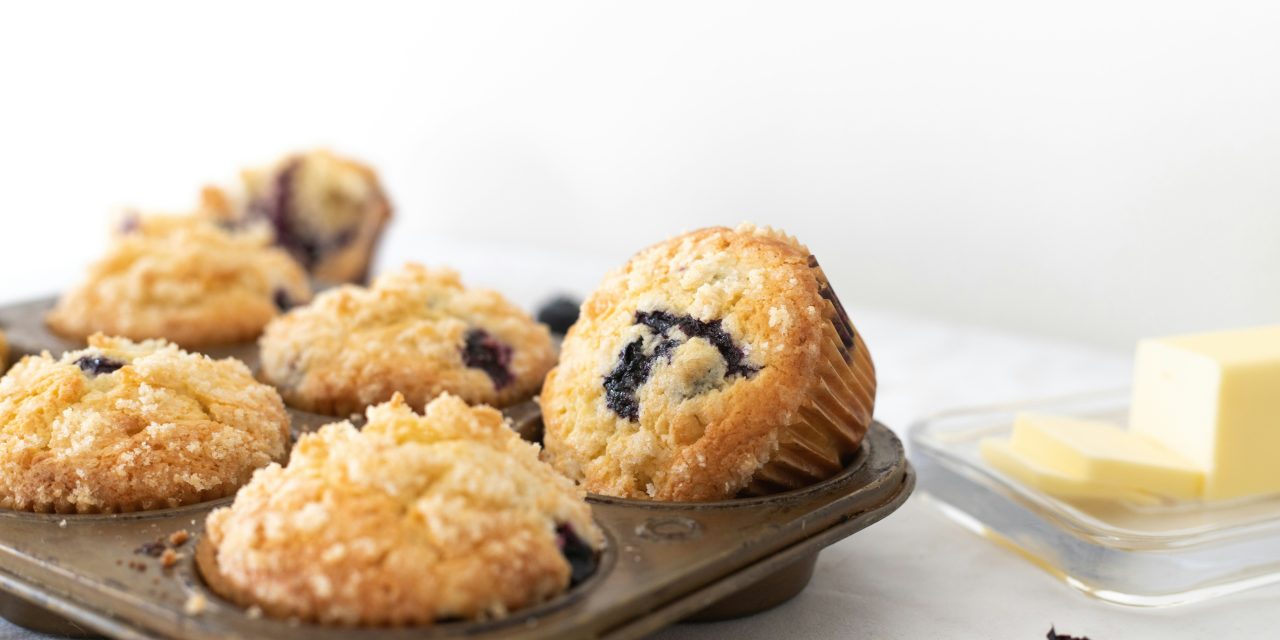
Selecting the finest blueberries is paramount for achieving a delightful flavor profile in your muffins. Fresh blueberries should exhibit a deep blue hue, with a slight dusting of bloom, which indicates their freshness. When inspecting blueberries, look for plump, firm berries that are free from blemishes or signs of mold. The size of the berries can also influence the overall taste; larger blueberries tend to be juicier and sweeter, while smaller ones may offer a more concentrated flavor.
To ensure you are purchasing the freshest blueberries, consider sourcing them from local farmers’ markets or organic farms. These venues often provide berries that have been recently harvested, ensuring maximum flavor and nutritional value. Additionally, when purchasing packaged blueberries from grocery stores, check the packaging date and opt for those with the latest harvest date. Remember, the quality of your blueberries directly impacts the overall taste of your muffins, making this step crucial in your baking journey.
If you’re looking to elevate your baking skills beyond just blueberry muffins, you might find it helpful to explore how to create high-protein meals with ease. This related article offers simple recipes that can complement your baking endeavors, ensuring you maintain a balanced diet while enjoying delicious treats. Check it out here: how to make high-protein meals without complicated recipes.
Selecting the Right Flour for a Tender Muffin Texture
The choice of flour plays a significant role in determining the texture of your blueberry muffins. All-purpose flour is commonly used due to its balanced protein content, which provides a tender crumb while still allowing for adequate structure. However, for those seeking a lighter muffin, cake flour can be an excellent alternative. With a lower protein content, cake flour yields a softer texture that melts in your mouth.
For a healthier twist, consider using whole wheat flour or a gluten-free blend. Whole wheat flour adds a nutty flavor and increases fiber content, while gluten-free options cater to those with dietary restrictions. When substituting flours, it’s essential to adjust the liquid content in your recipe, as different flours absorb moisture differently. Experimenting with various flours can lead to unique textures and flavors in your blueberry muffins.
The Importance of Room Temperature Ingredients

Using room temperature ingredients is a critical factor in achieving perfectly baked blueberry muffins. Ingredients such as eggs, butter, and milk should be at room temperature to ensure proper emulsification and mixing. Cold ingredients can lead to uneven batter consistency, resulting in muffins that are dense or unevenly risen.
To bring ingredients to room temperature quickly, remove them from the refrigerator about 30 minutes before you begin baking. If you’re short on time, you can place eggs in warm water for about 10 minutes or microwave butter in short bursts until softened but not melted. This simple step can significantly enhance the texture and rise of your muffins, leading to a light and fluffy final product.
How to Properly Measure Your Ingredients

Accurate measurement of ingredients is essential for baking success. Using weight measurements is often more precise than volume measurements, especially for dry ingredients like flour and sugar. A digital kitchen scale can help ensure consistency and accuracy in your baking endeavors.
When measuring flour by volume, it’s crucial to avoid packing it into the measuring cup. Instead, spoon the flour into the cup and level it off with a straight edge. For liquids, use a clear measuring cup with measurement markings to ensure you’re adding the correct amount. Properly measuring your ingredients will help maintain the intended balance of flavors and textures in your blueberry muffins.
If you’re looking to elevate your baking skills, you might find it helpful to explore a related article that offers insights on creating the perfect bakery-style blueberry muffins. This guide not only covers the essential ingredients but also provides tips on achieving that delightful dome shape and moist texture that makes these muffins irresistible. For more information on how to help an older dog navigate stairs and slippery floors, you can check out this informative piece here.
Mixing Techniques: Avoiding Overmixing the Batter
Mixing techniques are vital in determining the final texture of your blueberry muffins. Overmixing can lead to gluten development, resulting in tough and chewy muffins rather than the desired light and airy texture. To avoid this pitfall, mix your dry ingredients separately from your wet ingredients before combining them.
When combining the two mixtures, stir gently until just combined. It’s acceptable for some lumps to remain in the batter; this indicates that you haven’t overmixed. Incorporating blueberries should also be done with care—fold them into the batter gently to prevent breaking them apart and releasing excess juice that could alter the muffin’s structure.
If you’re looking to elevate your baking skills, you might want to check out this article on how to make bakery style blueberry muffins, which offers some fantastic tips and tricks. Additionally, if you’re interested in exploring more delicious recipes, you can find a great option for lunch with easy turkey and avocado pinwheels for lunchboxes. These recipes not only complement each other but also provide a delightful variety for your meal planning. For more details, visit easy turkey and avocado pinwheels for lunchboxes.
Incorporating Blueberries Without Crushing Them
Incorporating blueberries into your muffin batter requires a delicate touch to prevent crushing them and releasing excess juice. To achieve this, consider tossing the blueberries in a small amount of flour before adding them to the batter. This technique helps coat the berries and reduces their tendency to sink during baking.
When folding blueberries into the batter, use a spatula or wooden spoon and employ gentle motions to avoid breaking them apart. If you prefer a more visually appealing muffin, consider reserving some blueberries to sprinkle on top before baking. This not only enhances presentation but also ensures that each muffin has a burst of blueberry flavor in every bite.
Using the Perfect Amount of Sugar for Balanced Sweetness
Finding the right balance of sweetness is crucial for blueberry muffins. While blueberries themselves provide natural sweetness, additional sugar enhances flavor and contributes to browning during baking. Granulated sugar is commonly used; however, brown sugar can add depth and moisture due to its molasses content.
When determining how much sugar to use, consider personal preference and dietary needs. Reducing sugar can lead to less sweetness but may also affect texture and browning. For those looking for alternatives, honey or maple syrup can be used as substitutes; however, adjustments to liquid content may be necessary when using these liquid sweeteners.
Adding a Crunchy Streusel Topping for Extra Delight
A streusel topping adds an irresistible crunch and flavor contrast to blueberry muffins. To create this delightful topping, combine equal parts flour, sugar, and cold butter until crumbly. You can also incorporate oats or nuts for added texture and flavor complexity.
Sprinkling streusel on top of your muffin batter before baking not only enhances visual appeal but also creates a delightful contrast between the soft muffin interior and crunchy topping. Experimenting with spices such as cinnamon or nutmeg can elevate the flavor profile further, making your blueberry muffins even more enticing.
Optimal Oven Temperature and Baking Time
Baking blueberry muffins at the correct temperature is essential for achieving optimal rise and texture. Preheat your oven to 375°F (190°C), which allows for even baking without burning the tops. The ideal baking time typically ranges from 18 to 25 minutes; however, this may vary based on your oven’s calibration and muffin size.
To check for doneness, insert a toothpick into the center of a muffin; it should come out clean or with a few moist crumbs attached but not wet batter. Allowing muffins to cool slightly in the pan before transferring them to a wire rack helps maintain their shape and prevents sogginess on the bottom.
Cooling and Storing Your Muffins to Maintain Freshness
Proper cooling and storage techniques are vital for preserving the freshness of your blueberry muffins. After removing them from the oven, allow muffins to cool in their pan for about 5-10 minutes before transferring them to a wire rack. This prevents steam buildup that could lead to sogginess.
To store muffins, place them in an airtight container at room temperature for up to three days or refrigerate them for up to a week. For longer storage, consider freezing muffins individually wrapped in plastic wrap or placed in freezer bags; they can last up to three months in the freezer without losing quality.
Creative Variations to Customize Your Blueberry Muffins
While classic blueberry muffins are delicious on their own, there are numerous creative variations to explore. Consider adding lemon zest or almond extract for an aromatic twist that complements the blueberries beautifully. For those who enjoy a bit of spice, incorporating cinnamon or cardamom can elevate flavor complexity.
You might also experiment with different mix-ins such as chopped nuts, coconut flakes, or even chocolate chips for an indulgent treat. For a healthier option, consider substituting some of the all-purpose flour with oats or incorporating Greek yogurt into the batter for added moisture and protein.
In summary, crafting perfect blueberry muffins involves careful selection of ingredients and attention to detail throughout the baking process. From choosing fresh blueberries and appropriate flour types to mastering mixing techniques and baking times, each step contributes significantly to achieving delightful results. By incorporating these tips and exploring creative variations, you can elevate your blueberry muffin game while ensuring they remain moist and flavorful long after baking.
FAQs
What ingredients are needed to make bakery style blueberry muffins?
To make bakery style blueberry muffins, you will typically need all-purpose flour, granulated sugar, baking powder, baking soda, salt, eggs, milk, unsalted butter, vanilla extract, and fresh or frozen blueberries. Some recipes may also include sour cream or yogurt for added moisture and richness.
How do I achieve a bakery-style dome on my muffins?
To achieve a bakery-style dome on your muffins, it’s important to use a higher oven temperature at the beginning of baking. Start by preheating your oven to around 425°F (220°C) for the first 5-10 minutes, then reduce the temperature to 350°F (175°C) for the remainder of the baking time. This initial high heat helps the muffins rise quickly, creating that desirable dome shape.
Can I use frozen blueberries instead of fresh ones?
Yes, you can use frozen blueberries instead of fresh ones when making blueberry muffins. However, it is recommended to toss the frozen blueberries in a little bit of flour before adding them to the batter. This helps prevent them from sinking to the bottom of the muffins during baking and can also help maintain their shape and color.
How long should I bake blueberry muffins?
Blueberry muffins typically take about 18 to 25 minutes to bake, depending on your oven and the size of the muffins. It’s best to start checking for doneness around the 18-minute mark. You can do this by inserting a toothpick into the center of a muffin; if it comes out clean or with a few moist crumbs, the muffins are done.
How can I store leftover blueberry muffins?
To store leftover blueberry muffins, allow them to cool completely, then place them in an airtight container at room temperature for up to 2 days. For longer storage, you can freeze the muffins by wrapping them individually in plastic wrap and placing them in a freezer-safe bag or container. They can be frozen for up to 3 months. To enjoy, simply thaw at room temperature or warm them in the microwave.