High-protein meals play a pivotal role in maintaining optimal health and well-being. Proteins are essential macromolecules composed of amino acids, which are the building blocks of tissues, enzymes, and hormones. They are crucial for muscle repair, immune function, and overall metabolic processes. A diet rich in protein can enhance satiety, thereby aiding in weight management by reducing hunger pangs and promoting a feeling of fullness. Furthermore, high-protein diets have been linked to improved muscle mass retention during weight loss, making them particularly beneficial for individuals aiming to shed excess body fat while preserving lean muscle.
Incorporating adequate protein into daily meals can also support various physiological functions. For instance, proteins play a significant role in the synthesis of neurotransmitters, which are vital for cognitive function and mood regulation. Additionally, high-protein diets can help stabilize blood sugar levels, reducing the risk of insulin resistance and type 2 diabetes. As such, understanding the importance of high-protein meals is fundamental for anyone looking to enhance their nutritional intake and overall health.
Choosing Simple, High-Protein Ingredients
Selecting simple, high-protein ingredients is essential for creating nutritious meals without overwhelming complexity. Foods such as chicken breast, turkey, fish, legumes, dairy products, and eggs are excellent sources of protein that can be easily incorporated into various dishes. For instance, chicken breast contains approximately 31 grams of protein per 100 grams, making it a staple for many high-protein diets. Similarly, fish like salmon not only provides around 25 grams of protein per 100 grams but also offers omega-3 fatty acids that contribute to cardiovascular health.
Legumes such as lentils and chickpeas are also noteworthy options, providing about 18 grams of protein per cooked cup. These plant-based proteins are not only versatile but also rich in fiber, which aids digestion and promotes gut health. Dairy products like Greek yogurt and cottage cheese are other excellent choices, offering around 10 grams of protein per serving while also delivering calcium and probiotics. By focusing on these simple ingredients, individuals can easily create balanced meals that meet their protein needs without excessive preparation time.
Utilizing Convenient Protein Sources Like Canned Beans and Eggs

Convenience is key when it comes to maintaining a high-protein diet amidst a busy lifestyle. Canned beans are an exceptional resource; they are pre-cooked and ready to use, providing a quick protein boost to salads, soups, or stir-fries. A single cup of canned black beans contains approximately 15 grams of protein and is rich in fiber and essential nutrients such as iron and magnesium. Their versatility allows them to be easily incorporated into various cuisines, making them an ideal choice for those seeking convenience without sacrificing nutrition.
Eggs are another convenient protein source that can be prepared in numerous ways. A large egg contains about 6 grams of high-quality protein along with essential vitamins and minerals. They can be boiled, scrambled, or poached in a matter of minutes, making them an ideal option for breakfast or as a quick snack. Additionally, eggs contain all nine essential amino acids, making them a complete protein source. By utilizing these convenient ingredients, individuals can effortlessly enhance their protein intake while saving time in the kitchen.
Quick and Easy Cooking Methods for Protein-Rich Foods

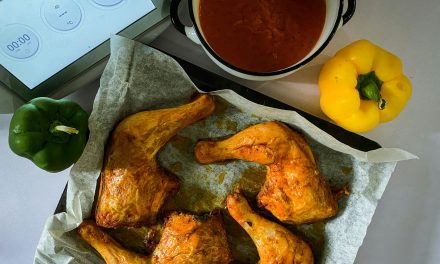
Efficient cooking methods can significantly reduce the time spent preparing high-protein meals while ensuring that nutritional value is preserved. Techniques such as grilling, steaming, and sautéing are not only quick but also enhance the flavors of protein-rich foods without requiring extensive culinary skills. For example, grilling chicken breast or fish fillets can be accomplished in under 15 minutes while imparting a delicious smoky flavor.
Steaming vegetables alongside proteins like fish or chicken can create a well-rounded meal in minimal time. This method retains nutrients better than boiling and allows for easy cleanup. Sautéing is another effective technique that involves cooking food quickly in a small amount of oil over high heat. This method is particularly useful for preparing stir-fries with lean meats and vegetables, resulting in a colorful and nutritious dish ready in under 30 minutes.
Incorporating Lean Meats Without Lengthy Preparation
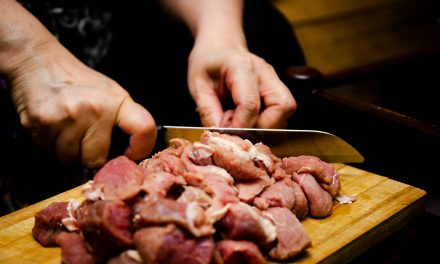
Incorporating lean meats into meals does not have to be a time-consuming endeavor. Cuts such as turkey breast, pork tenderloin, and lean beef provide substantial protein content while being lower in fat compared to their counterparts. For instance, turkey breast contains approximately 29 grams of protein per 100 grams and is often available pre-marinated or seasoned for added convenience.
To streamline preparation further, consider using methods such as batch cooking or utilizing pre-cooked options available at grocery stores. For example, rotisserie chicken is an excellent choice that can be shredded and added to salads or wraps within minutes. By selecting lean meats that require minimal preparation time and employing efficient cooking techniques, individuals can enjoy nutritious meals without the hassle of lengthy cooking processes.
Plant-Based Protein Options That Require Minimal Cooking
For those seeking plant-based protein options that require little to no cooking, several choices stand out as both nutritious and convenient. Tofu is an excellent source of plant-based protein that can be consumed raw or lightly sautéed. Firm tofu contains about 10 grams of protein per 100 grams and can easily absorb flavors from marinades or sauces.
Another great option is tempeh, which is fermented soybeans packed with approximately 19 grams of protein per 100 grams. It can be sliced and added to salads or sandwiches without extensive cooking. Additionally, edamame (young soybeans) provides around 11 grams of protein per half-cup when cooked but can also be enjoyed steamed or tossed into salads directly from the freezer.
One-Pot High-Protein Meal Ideas
One-pot meals offer a practical solution for busy individuals looking to prepare high-protein dishes with minimal cleanup. Dishes such as quinoa bowls with black beans and vegetables provide a balanced meal rich in protein and fiber. Quinoa itself contains about 8 grams of protein per cooked cup and serves as an excellent base for various toppings.
Another idea is a hearty lentil stew that combines lentils (approximately 18 grams of protein per cooked cup), diced tomatoes, carrots, and spices simmered together for a flavorful dish. These one-pot meals not only save time but also allow for creativity in combining different ingredients while ensuring adequate protein intake.
Using Pre-Cooked or Ready-to-Eat Protein Items
Pre-cooked or ready-to-eat protein items are invaluable for those with hectic schedules who still wish to maintain a high-protein diet. Options such as pre-cooked grilled chicken strips or turkey meatballs can be found in most grocery stores and provide a quick solution for meal assembly. These items typically contain similar nutritional profiles to their freshly cooked counterparts while saving significant preparation time.
Additionally, canned tuna or salmon offers an excellent source of protein that requires no cooking at all—approximately 25 grams per can—making it perfect for salads or sandwiches. Incorporating these ready-to-eat items into meal planning can simplify the process while ensuring that nutritional needs are met efficiently.
Meal Prepping Tips for Stress-Free High-Protein Dishes
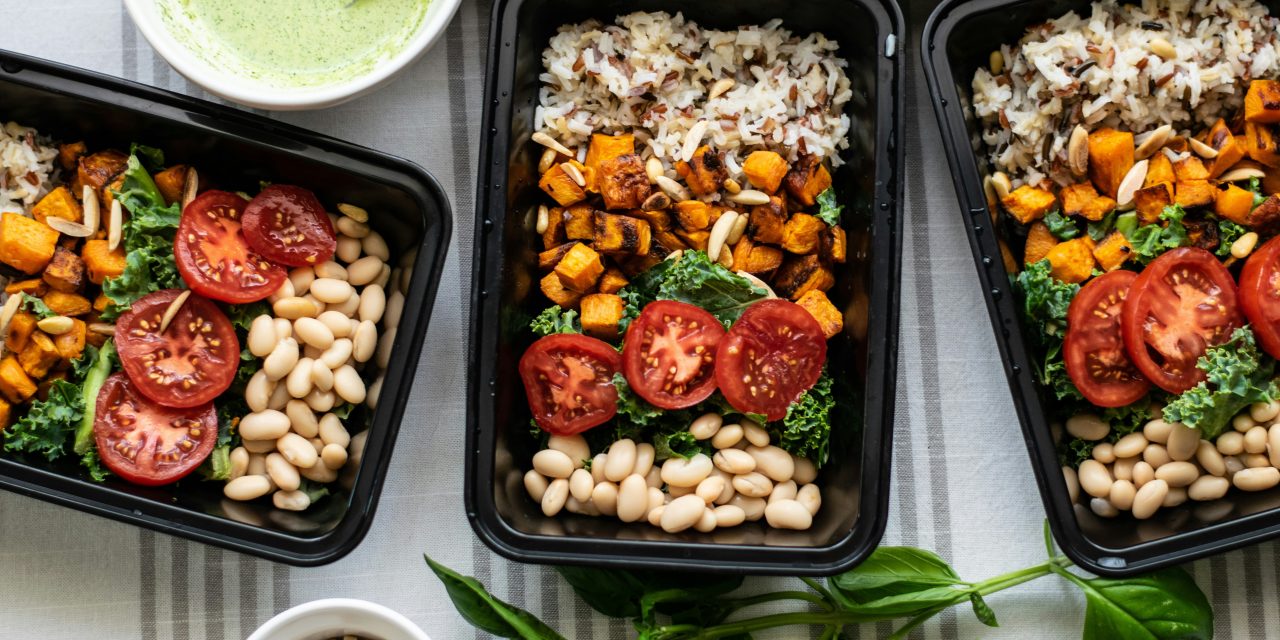
Meal prepping is an effective strategy for ensuring that high-protein meals are readily available throughout the week. Begin by selecting a day dedicated to meal preparation; this could involve cooking large batches of proteins such as chicken breast or legumes that can be portioned out for various meals. Utilizing clear containers allows for easy organization and visibility of prepared items.
Incorporating diverse flavors through marinades or spices during the cooking process can keep meals exciting throughout the week. Additionally, consider preparing grains like brown rice or quinoa in bulk to serve as bases for multiple dishes. By dedicating time to meal prep, individuals can alleviate stress during busy weekdays while ensuring they have nutritious high-protein options at their fingertips.
Enhancing Flavor Without Complex Techniques
Enhancing the flavor of high-protein meals does not necessitate complex culinary techniques; simple additions can elevate dishes significantly. Fresh herbs such as basil, cilantro, or parsley can add vibrant flavors without overwhelming preparation time. A squeeze of lemon juice or a drizzle of balsamic vinegar can also brighten up proteins like chicken or fish.
Spices such as cumin, paprika, or garlic powder can transform basic ingredients into flavorful dishes with minimal effort. Experimenting with different combinations allows individuals to discover new tastes while keeping meal preparation straightforward and enjoyable.
Sample High-Protein Meal Plans for Busy Schedules
Creating sample meal plans can provide inspiration for busy individuals striving to maintain a high-protein diet without sacrificing convenience. For breakfast, consider overnight oats made with Greek yogurt topped with berries and nuts—providing approximately 20 grams of protein per serving.
For lunch, a quinoa salad with chickpeas, diced vegetables, and feta cheese offers around 25 grams of protein while being easy to prepare in advance. Dinner could feature grilled salmon served with steamed broccoli and brown rice—yielding approximately 30 grams of protein per serving.
Snacks throughout the day could include hard-boiled eggs or cottage cheese with fruit—both providing quick sources of protein without extensive preparation time.
In summary, understanding the significance of high-protein meals is crucial for maintaining optimal health and well-being. By choosing simple ingredients like lean meats and legumes while utilizing convenient sources such as canned beans and eggs, individuals can create nutritious dishes with minimal effort. Quick cooking methods like grilling and steaming further enhance efficiency in meal preparation. Incorporating plant-based options alongside one-pot meal ideas allows for diverse dietary choices without lengthy cooking times. Utilizing pre-cooked items simplifies meal assembly while meal prepping ensures stress-free access to high-protein dishes throughout the week. Finally, enhancing flavors through simple techniques keeps meals exciting while adhering to nutritional goals.
FAQs
What are some high-protein ingredients I can use in simple meals?
Some high-protein ingredients include chicken breast, turkey, eggs, Greek yogurt, cottage cheese, lentils, chickpeas, quinoa, and various types of fish such as salmon and tuna. These ingredients can be easily incorporated into meals without complicated recipes.
How can I prepare high-protein meals quickly?
You can prepare high-protein meals quickly by using methods such as grilling, baking, or stir-frying. Pre-cooked proteins like rotisserie chicken or canned beans can save time. Additionally, meal prepping in advance can help you assemble meals quickly during the week.
Are there vegetarian options for high-protein meals?
Yes, there are plenty of vegetarian options for high-protein meals. Foods like tofu, tempeh, edamame, lentils, beans, quinoa, and nuts are excellent sources of protein. You can create simple dishes like stir-fries, salads, or grain bowls using these ingredients.
Can I make high-protein snacks easily?
Absolutely! High-protein snacks can be made easily with items like Greek yogurt with fruit, cottage cheese with nuts, hard-boiled eggs, protein bars, or hummus with veggies. These snacks require minimal preparation and can be made in advance for convenience.
What cooking techniques are best for high-protein meals?
Some of the best cooking techniques for high-protein meals include grilling, baking, steaming, and sautéing. These methods help retain the nutrients in the protein sources while keeping the cooking process simple and quick.