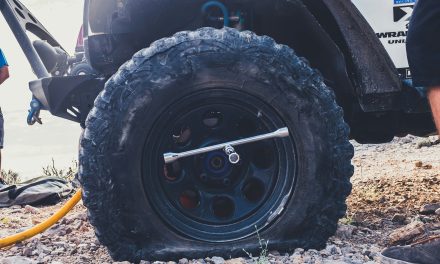
Tire blowouts represent a critical automotive safety concern, characterized by the sudden loss of air pressure in a tire, leading to a rapid deflation. This phenomenon can occur due to various factors, including mechanical failure, environmental conditions, and driver behavior. The consequences of a blowout can be severe, often resulting in loss of vehicle control, accidents, and potential injuries. Understanding the underlying causes of tire blowouts is essential for both prevention and effective response strategies.
The mechanics of a tire blowout involve the failure of the tire structure, which can be attributed to several factors such as excessive heat buildup, punctures, or manufacturing defects. When a tire experiences a blowout, the rapid loss of air pressure can lead to a catastrophic failure, causing the vehicle to veer uncontrollably. Awareness of the signs leading up to a blowout, such as vibrations or unusual noises, can empower drivers to take preventive measures before an incident occurs.
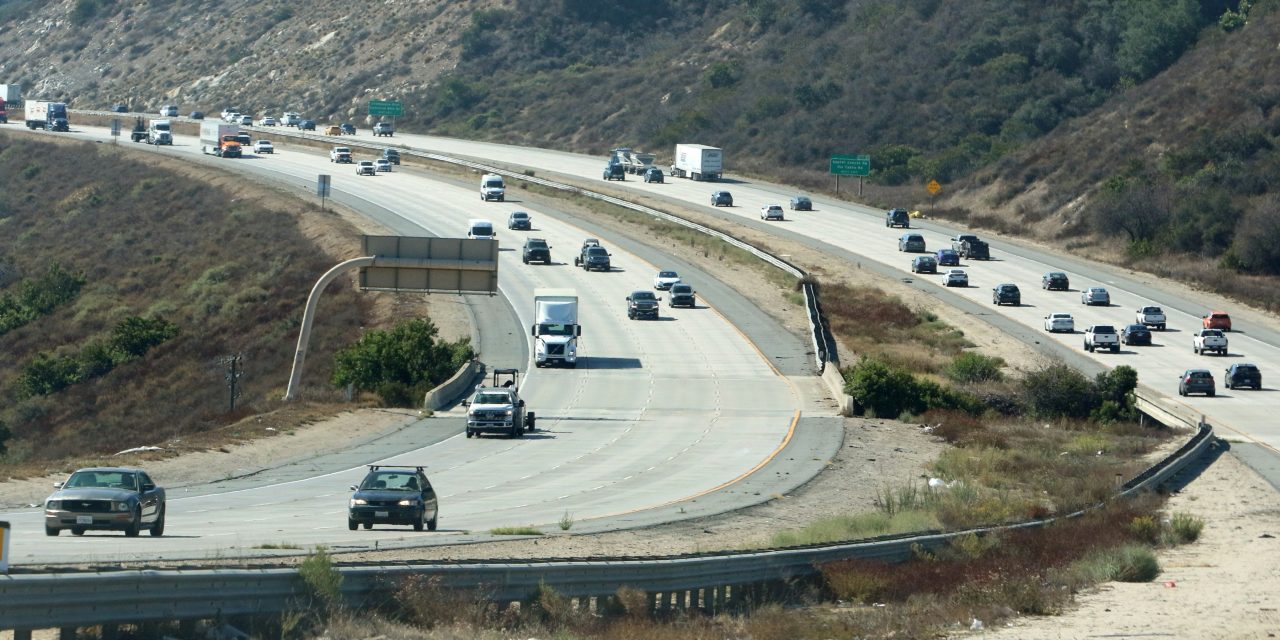
A tire blowout on the highway can be a frightening experience, often caused by factors such as under-inflation, excessive wear, or road hazards. Understanding the common causes of tire blowouts is crucial for maintaining safety while driving. For more insights on how to keep your vehicle in top shape and prevent such incidents, you can read this article on essential home maintenance tasks for every season at this link.
Excessive Tire Wear and Its Risks
Excessive tire wear is a significant precursor to blowouts and can compromise vehicle safety. Tires are designed with tread patterns that provide traction and grip on various surfaces. However, when tires wear unevenly or excessively, their ability to perform diminishes. Factors contributing to excessive wear include misalignment, improper inflation, and inadequate rotation schedules.
The risks associated with worn tires extend beyond blowouts; they include reduced braking efficiency and compromised handling. A tire with insufficient tread depth may struggle to maintain traction on wet or slippery roads, increasing the likelihood of skidding or hydroplaning. Regular inspections and adherence to manufacturer-recommended maintenance schedules are crucial in mitigating these risks and ensuring optimal tire performance.
Underinflation: The Silent Danger

Underinflation is often referred to as the “silent killer” of tires, as it can go unnoticed until it leads to catastrophic failure. When tires are not inflated to their recommended pressure levels, they experience increased flexing and heat buildup during operation. This excessive heat can weaken the tire structure over time, making it more susceptible to blowouts.
Moreover, underinflated tires can significantly affect fuel efficiency and vehicle handling. Studies indicate that tires inflated below the recommended pressure can reduce fuel economy by up to 3%. To combat this issue, drivers should regularly check tire pressure using a reliable gauge and adjust it according to the manufacturer’s specifications. Maintaining proper inflation not only enhances safety but also contributes to overall vehicle performance.
Overloading Your Vehicle and Tire Stress

Overloading a vehicle places immense stress on its tires, increasing the risk of blowouts and other failures. Each tire has a specified load rating that indicates the maximum weight it can safely support. Exceeding this limit can lead to overheating and structural damage, ultimately resulting in tire failure.
In addition to blowouts, overloading can cause uneven wear patterns and reduced handling capabilities. Drivers should be aware of their vehicle’s load capacity and ensure that they do not exceed it, especially when transporting heavy cargo or passengers. Regularly assessing load distribution within the vehicle can also help mitigate stress on individual tires.
Understanding the factors that lead to a tire blowout on the highway is crucial for ensuring road safety. Common causes include under-inflation, overloading, and road hazards like potholes or debris. For a deeper insight into related topics, you might find this article on how long Greek yogurt lasts after opening interesting, as it highlights the importance of proper maintenance and care in various contexts. You can read it here.
Impact Damage from Road Hazards
Road hazards such as potholes, debris, and sharp objects pose significant threats to tire integrity. Impact damage can occur when a tire strikes an object at high speed, leading to punctures or sidewall bulges that compromise structural integrity. Such damage may not always be immediately visible but can lead to catastrophic failures if left unaddressed.
To minimize the risk of impact damage, drivers should remain vigilant while navigating roadways and avoid sudden maneuvers that could lead to collisions with hazards. Regular inspections of tires for signs of damage or irregular wear patterns are essential for early detection and prevention of blowouts.
High-Speed Driving and Heat Buildup
High-speed driving generates increased friction between tires and the road surface, leading to elevated temperatures within the tire structure. Excessive heat buildup can weaken rubber compounds and lead to premature tire failure. Studies have shown that driving at speeds exceeding 70 mph can significantly increase the likelihood of blowouts due to heat-related degradation.
To mitigate this risk, drivers should adhere to speed limits and avoid aggressive driving behaviors that contribute to excessive heat generation. Additionally, regular tire maintenance, including rotation and alignment checks, can help ensure even wear patterns and reduce the risk of heat-related failures.
Manufacturing Defects and Tire Quality Issues
Manufacturing defects can compromise tire integrity and lead to premature failures. Issues such as improper curing processes or substandard materials can result in weak spots within the tire structure. In some cases, recalls may be issued for defective tires once identified by manufacturers or regulatory agencies.
Consumers should remain informed about tire recalls and quality ratings when purchasing new tires. Opting for reputable brands with established safety records can significantly reduce the risk of encountering manufacturing defects. Regular inspections for signs of wear or damage are also crucial in identifying potential issues before they escalate into serious problems.
Improper Tire Maintenance and Inspections
Neglecting proper tire maintenance is a common oversight among vehicle owners that can lead to serious safety concerns. Regular inspections should include checking tread depth, examining sidewalls for cracks or bulges, and ensuring proper inflation levels. Failure to perform these routine checks can result in undetected issues that may culminate in blowouts.
Establishing a maintenance schedule that includes rotating tires every 5,000 to 7,500 miles and aligning wheels as needed is essential for prolonging tire life and ensuring optimal performance. Utilizing professional services for comprehensive inspections can provide peace of mind and enhance overall vehicle safety.
Aging Tires and Rubber Deterioration
Tires have a finite lifespan, typically ranging from six to ten years depending on usage and environmental conditions. As tires age, the rubber compounds begin to deteriorate due to exposure to UV rays, ozone, and temperature fluctuations. This deterioration can lead to reduced traction and increased susceptibility to blowouts.
Drivers should be aware of their tires’ age by checking the DOT code printed on the sidewall, which indicates the week and year of manufacture. Replacing aging tires proactively is crucial for maintaining safety on the road. Additionally, storing tires in a cool, dry environment away from direct sunlight can help prolong their lifespan.
Sudden Punctures and Foreign Objects
Sudden punctures caused by foreign objects such as nails or glass shards are common culprits behind unexpected tire failures. These punctures can lead to rapid air loss if not addressed promptly. Drivers should remain vigilant about road conditions and inspect their tires regularly for embedded debris that could compromise integrity.
In cases of punctures, immediate action is necessary. If a puncture is detected while driving, it is advisable to pull over safely and assess the damage. Depending on the severity of the puncture’s location and size, professional repair or replacement may be required.
Weather Conditions and Their Effect on Tires
Weather conditions play a significant role in tire performance and longevity. Extreme temperatures—both hot and cold—can adversely affect tire pressure and rubber flexibility. For instance, cold weather can cause air pressure to drop significantly, while high temperatures can lead to increased wear rates.
Drivers should adjust their tire maintenance practices according to seasonal changes. In winter months, utilizing winter tires designed for cold conditions can enhance traction and safety. Conversely, during summer months, ensuring proper inflation levels is crucial for preventing heat-related failures.
In conclusion, understanding the multifaceted causes of tire blowouts is essential for enhancing vehicle safety and performance. By recognizing factors such as excessive wear, underinflation, overloading, impact damage, high-speed driving, manufacturing defects, improper maintenance, aging tires, sudden punctures, and adverse weather conditions, drivers can take proactive measures to mitigate risks associated with tire failures. Regular inspections combined with adherence to manufacturer guidelines will significantly contribute to safer driving experiences.
### FAQ Section
1. **What are the signs of an impending tire blowout?**
Signs may include vibrations while driving, unusual noises from tires, visible bulges or cracks on the sidewalls, or significant tread wear.
2. **How often should I check my tire pressure?**
It is recommended to check tire pressure at least once a month or before long trips.
3. **What is the ideal tire pressure for my vehicle?**
The ideal pressure varies by vehicle; consult your owner’s manual or the sticker located on the driver’s side door jamb for specifications.
4. **Can I repair a punctured tire myself?**
While minor punctures may be repairable with kits available at auto stores, it is advisable to seek professional assistance for safety reasons.
5. **How do I know when it’s time to replace my tires?**
Tires should be replaced when tread depth falls below 2/32 inches or if they show signs of aging such as cracks or bulges.
6. **What should I do if I experience a blowout while driving?**
Remain calm; gradually ease off the accelerator without braking hard; steer straight until you come to a stop safely off the road.
7. **Are all tires created equal?**
No; different tires are designed for specific conditions (e.g., all-season vs. winter) and have varying quality levels based on brand reputation.
8. **How does temperature affect tire performance?**
Extreme temperatures can alter air pressure within tires; cold weather typically decreases pressure while hot weather increases wear rates.
9. **What maintenance practices extend tire life?**
Regular rotations every 5-7k miles, maintaining proper inflation levels, aligning wheels as needed, and inspecting for damage are key practices.
10. **Is it safe to drive on worn tires?**
No; driving on worn tires significantly increases the risk of blowouts and reduces overall vehicle safety.
In summary, proactive measures such as regular inspections, maintaining proper inflation levels, adhering to load limits, and being aware of environmental factors are vital in preventing tire blowouts and ensuring safe driving experiences.
FAQs
What are the common causes of tire blowouts on the highway?
Tire blowouts on the highway can be caused by several factors, including under-inflation, overloading the vehicle, road hazards such as potholes or debris, manufacturing defects, and excessive wear and tear on the tires. Proper maintenance and regular inspections can help prevent these issues.
How does tire pressure affect the likelihood of a blowout?
Improper tire pressure is one of the leading causes of blowouts. Under-inflated tires can overheat and fail, while over-inflated tires are more susceptible to damage from road hazards. Maintaining the recommended tire pressure is crucial for safety and tire longevity.
Can temperature changes contribute to tire blowouts?
Yes, temperature changes can significantly affect tire performance. High temperatures can increase tire pressure, leading to a higher risk of blowouts, especially if the tires are already under-inflated. Conversely, cold temperatures can decrease tire pressure, which can also contribute to tire failure.
What role does tire age play in blowouts?
The age of a tire can greatly influence its risk of blowing out. Tires typically have a lifespan of about six to ten years, depending on usage and maintenance. As tires age, the rubber can degrade, leading to cracks and weakened structures that increase the likelihood of a blowout.
How can drivers prevent tire blowouts while driving on the highway?
Drivers can prevent tire blowouts by regularly checking tire pressure, ensuring proper tire alignment and balance, avoiding overloading the vehicle, and inspecting tires for signs of wear or damage. Additionally, maintaining a safe driving speed and being cautious of road conditions can help reduce the risk of blowouts.