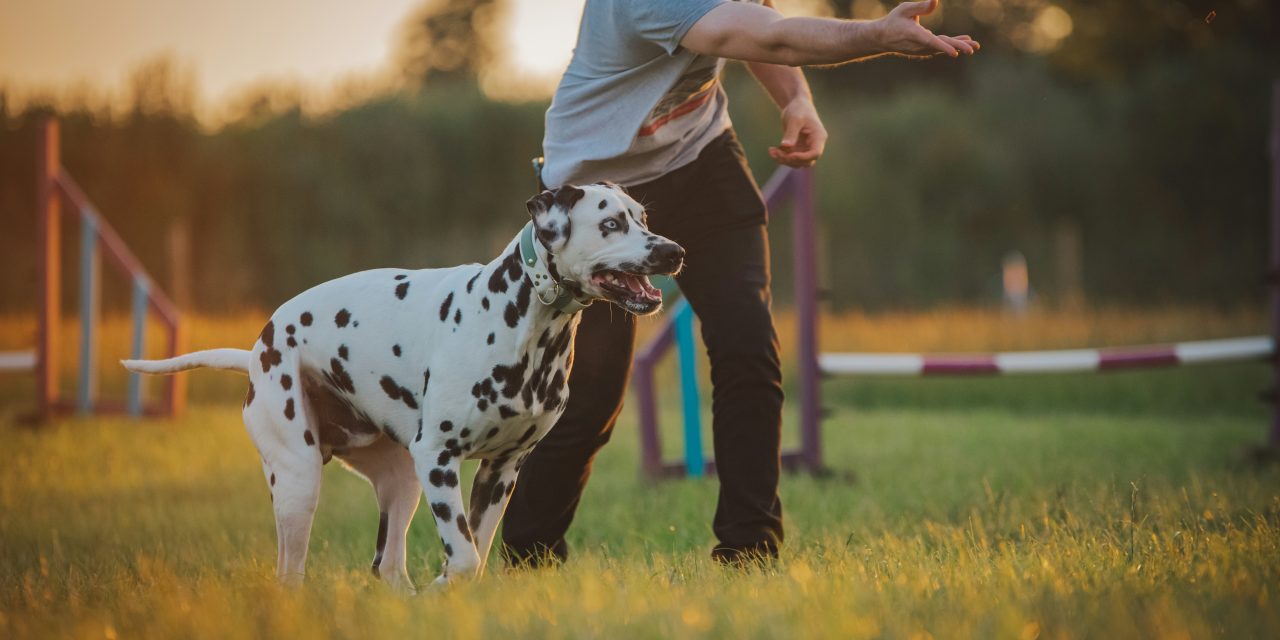
Understanding canine behavior is fundamental for any dog owner. Dogs communicate through a complex system of body language, vocalizations, and behaviors that can often be misinterpreted by humans. For instance, a wagging tail does not always signify happiness; it can also indicate excitement or anxiety. Recognizing these subtle cues is essential for fostering a healthy relationship with your pet. Observing your dog in various situations can provide insights into their emotional state and help you respond appropriately.
Moreover, understanding the underlying motivations for certain behaviors can aid in addressing issues effectively. Dogs may exhibit destructive tendencies due to boredom, anxiety, or lack of exercise. By identifying the root cause of these behaviors, owners can implement targeted strategies to mitigate them. For example, a dog that chews furniture may simply need more physical activity or mental stimulation. Thus, a comprehensive understanding of canine behavior is crucial for effective training and overall well-being.
Establishing Consistent Commands
Consistency is paramount when training dogs. Establishing a set of commands that are used uniformly by all family members helps prevent confusion and reinforces learning. For instance, if one person uses “sit” while another says “down,” the dog may become perplexed and fail to respond appropriately. It is advisable to choose simple, distinct commands and stick to them throughout the training process.
In addition to verbal commands, incorporating hand signals can enhance communication with your dog. Many dogs respond well to visual cues, which can be particularly useful in noisy environments where verbal commands may not be heard. By combining verbal and non-verbal signals, owners can create a more effective training regimen that caters to their dog’s learning style.
Using Positive Reinforcement Techniques

Positive reinforcement is a powerful training method that encourages desired behaviors through rewards. This approach is based on the principle that behaviors followed by favorable outcomes are more likely to be repeated. Treats, praise, and playtime are common rewards that can motivate dogs to learn new commands or modify unwanted behaviors.
When employing positive reinforcement, it is essential to ensure that the rewards are immediate and relevant to the dog. For example, if a dog sits on command, offering a treat right away reinforces the behavior effectively. Additionally, varying the types of rewards can keep the training process engaging for your dog. Incorporating toys or affection as rewards can enhance motivation and strengthen the bond between owner and pet.
Timing Is Key: Rewarding Good Behavior Immediately

The timing of rewards plays a critical role in effective training. Dogs have a short attention span, and immediate reinforcement helps them associate the desired behavior with the reward. For instance, if a dog performs a trick but is rewarded several minutes later, they may not connect the action with the treat or praise.
To optimize training sessions, owners should aim to reward good behavior within seconds of its occurrence. This immediate feedback helps solidify the connection between the action and the reward in the dog’s mind. Additionally, using clicker training can be an effective way to mark desired behaviors instantly. The sound of the clicker serves as a clear signal that the dog has done something right, followed by a reward.
Socializing Your Dog Early and Often
Socialization is a crucial aspect of a dog’s development that should begin at an early age. Exposing puppies to various environments, people, and other animals helps them develop confidence and adaptability. Early socialization can prevent behavioral issues such as fearfulness or aggression later in life.
To facilitate effective socialization, owners should introduce their puppies to different experiences gradually. This may include visits to parks, pet-friendly stores, or playdates with other dogs. Positive experiences during these interactions will help shape a well-adjusted adult dog. It is important to monitor your dog’s reactions during socialization efforts and ensure that they feel safe and comfortable throughout the process.
Crate Training for Safety and Comfort
Crate training is an invaluable tool for both safety and comfort for dogs. A crate serves as a secure space where dogs can retreat when they feel overwhelmed or need rest. It mimics a den-like environment that many dogs instinctively seek out for security.
When introducing a crate, it is essential to make it a positive experience for your dog. Start by allowing them to explore the crate at their own pace, using treats or toys to encourage them to enter willingly. Gradually increase the time spent in the crate while ensuring they associate it with comfort rather than punishment. Proper crate training can also aid in housebreaking efforts by teaching dogs to hold their bladder until they are let outside.
Teaching Basic Commands: Sit, Stay, Come
Teaching basic commands such as “sit,” “stay,” and “come” forms the foundation of obedience training. These commands not only enhance communication but also promote safety in various situations. For example, teaching “stay” can prevent a dog from running into traffic or approaching strangers without permission.
To teach “sit,” begin by holding a treat above your dog’s nose and slowly moving it back over their head. As their head follows the treat, their bottom will naturally lower into a sitting position. Once they sit, immediately reward them with the treat and praise. The “stay” command can be taught by asking your dog to sit first and then gradually increasing the distance between you while maintaining eye contact.
The “come” command is vital for ensuring your dog’s safety during outdoor activities. Start by calling your dog in a controlled environment using an enthusiastic tone and rewarding them when they come to you. Gradually increase distractions as they become more reliable in responding to the command.
Managing Unwanted Behaviors Effectively
Managing unwanted behaviors requires a proactive approach that focuses on prevention and redirection rather than punishment. Common issues such as barking, jumping, or chewing can often be addressed through consistent training techniques and environmental modifications.
For instance, excessive barking may stem from boredom or anxiety. Providing ample exercise and mental stimulation can alleviate this issue significantly. If jumping is a concern, teaching an alternative behavior such as sitting when greeting guests can redirect their energy positively. Additionally, using deterrents like bitter sprays on furniture can discourage chewing without resorting to punitive measures.
Incorporating Regular Exercise and Mental Stimulation
Regular exercise is essential for maintaining both physical health and mental well-being in dogs. Engaging in daily walks, play sessions, or interactive games helps burn off excess energy and reduces behavioral problems associated with boredom or pent-up frustration.
Mental stimulation is equally important; activities such as puzzle toys or obedience training sessions challenge your dog’s cognitive abilities and keep them engaged. Incorporating variety into exercise routines—such as hiking, swimming, or agility training—can further enhance your dog’s overall quality of life while strengthening your bond through shared experiences.
Patience and Persistence: The Trainer’s Best Tools
Training a dog requires patience and persistence from owners. Dogs learn at their own pace; some may grasp commands quickly while others may take longer to understand expectations fully. It is crucial for trainers to remain calm and composed throughout the process.
Consistency in training sessions is vital; short but frequent sessions tend to yield better results than infrequent long ones. Celebrating small victories along the way fosters motivation for both the trainer and the dog. Remember that setbacks are normal; maintaining a positive attitude will encourage continued progress.
Knowing When to Seek Professional Help
While many behavioral issues can be addressed through consistent training techniques at home, there are instances where seeking professional help becomes necessary. If your dog exhibits aggressive behavior towards people or other animals or shows signs of severe anxiety or fearfulness, consulting with a certified dog trainer or animal behaviorist is advisable.
Professional trainers possess specialized knowledge and experience that can provide tailored solutions for complex behavioral problems. They can assess your dog’s specific needs and develop an individualized training plan that addresses underlying issues effectively.
In conclusion, understanding canine behavior is essential for fostering a harmonious relationship between dogs and their owners. Establishing consistent commands, utilizing positive reinforcement techniques, and timing rewards appropriately are key components of effective training strategies. Early socialization, crate training, teaching basic commands, managing unwanted behaviors, incorporating regular exercise, and maintaining patience are all vital aspects of responsible dog ownership.
By recognizing when professional help is needed, owners can ensure their dogs receive the best possible guidance for overcoming challenges they may face throughout their lives. Ultimately, investing time and effort into training will lead to a well-behaved companion who enriches your life immeasurably.
### FAQ Section
1. **What age should I start training my puppy?**
– Training can begin as early as 7-8 weeks old when puppies are most receptive to learning.
2. **How long should training sessions last?**
– Sessions should be short—around 5-10 minutes—especially for puppies to maintain focus.
3. **What if my dog doesn’t respond to commands?**
– Ensure you are using consistent commands and positive reinforcement techniques; consider consulting a professional trainer if issues persist.
4. **Is it too late to train an older dog?**
– No! Dogs of any age can learn new behaviors; however, older dogs may require more patience.
5. **How do I stop my dog from barking excessively?**
– Identify triggers for barking; provide adequate exercise and mental stimulation while teaching alternative behaviors like “quiet.”
6. **What should I do if my dog shows aggression?**
– Consult with a professional trainer or behaviorist immediately; aggression can escalate if not addressed properly.
7. **How often should I socialize my dog?**
– Regular socialization should occur throughout your dog’s life; aim for multiple interactions weekly during their formative months.
8. **Can I use punishment in training?**
– Positive reinforcement is more effective than punishment; avoid negative methods as they can lead to fear-based behaviors.
9. **What types of treats work best for training?**
– Small, soft treats that are easy to chew are ideal; ensure they are healthy and suitable for your dog’s dietary needs.
10. **How do I know if my dog is bored?**
– Signs of boredom include destructive behavior, excessive barking, or restlessness; increase exercise and mental challenges accordingly.
In summary, understanding canine behavior through consistent commands and positive reinforcement techniques fosters effective training outcomes while enhancing the bond between owner and pet. Regular exercise combined with patience ensures long-term success in managing unwanted behaviors while knowing when to seek professional help guarantees optimal guidance for complex issues.
FAQs
What are the basic commands every dog should learn?
Every dog should learn basic commands such as “sit,” “stay,” “come,” “down,” and “leave it.” These commands help establish communication between the owner and the dog, ensuring safety and good behavior in various situations.
How long should training sessions last?
Training sessions should typically last between 5 to 15 minutes, especially for puppies. Short, frequent sessions are more effective than longer ones, as they help maintain the dog’s attention and prevent frustration.
What is positive reinforcement in dog training?
Positive reinforcement is a training method that involves rewarding desired behaviors with treats, praise, or playtime. This approach encourages dogs to repeat those behaviors, making it a popular and effective training technique.
At what age should I start training my dog?
Training can begin as early as 7 to 8 weeks of age. Early socialization and basic obedience training are crucial during this developmental stage, as it helps puppies grow into well-adjusted adult dogs.
How can I address behavioral issues in my dog?
To address behavioral issues, it’s important to identify the root cause of the behavior and implement consistent training techniques. Consulting a professional dog trainer or behaviorist can also provide tailored strategies to correct specific problems.