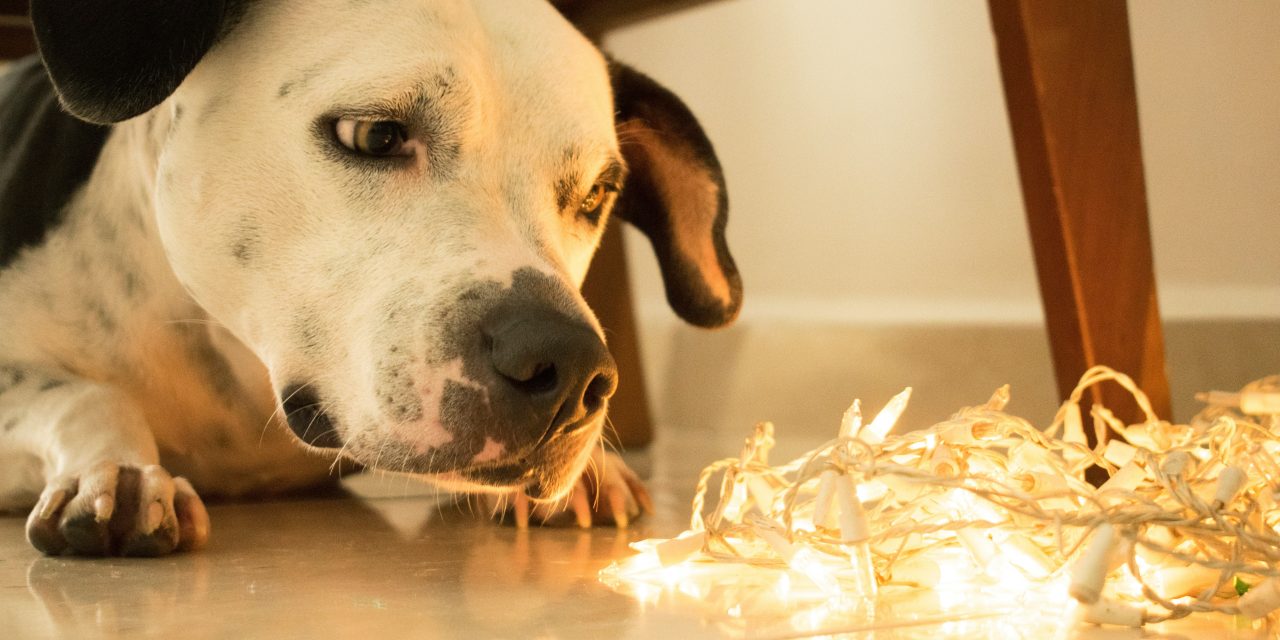
Fireworks can be a source of immense joy for humans, but for many dogs, they represent a terrifying experience. The loud booms, bright flashes, and unfamiliar smells can trigger a primal fear response in canines. This anxiety is often rooted in their evolutionary history; dogs are instinctively wired to be wary of loud noises, which could signal danger in the wild. The sudden and unpredictable nature of fireworks can overwhelm their senses, leading to panic and distress.
Moreover, certain breeds are more predisposed to noise sensitivity. For instance, herding breeds like Border Collies and Australian Shepherds may exhibit heightened anxiety due to their acute hearing and instinctual vigilance. Additionally, a dog’s early experiences can shape their reactions; those who have not been properly socialized or exposed to various stimuli during their critical developmental phases may develop a heightened fear of loud noises. Understanding these underlying factors is crucial for pet owners seeking to alleviate their dogs’ anxiety during firework displays.
Recognizing Signs of Firework Anxiety in Dogs
Identifying signs of anxiety in dogs during fireworks is essential for timely intervention. Common behavioral indicators include excessive barking, pacing, trembling, hiding, and attempts to escape. Some dogs may exhibit destructive behaviors, such as chewing furniture or digging at doors, as they seek to escape the perceived threat. Physical symptoms can also manifest, including drooling, panting, and an elevated heart rate.
In severe cases, dogs may engage in self-harm or exhibit signs of gastrointestinal distress, such as vomiting or diarrhea. It is important for pet owners to observe their dogs closely during firework events and note any changes in behavior. Early recognition of these signs allows for the implementation of effective coping strategies to help mitigate anxiety and ensure the well-being of the pet.
Creating a Safe and Comfortable Space

Establishing a secure environment is paramount for dogs experiencing anxiety during fireworks. Creating a designated safe space within the home can provide a refuge where they feel protected from the chaos outside. This area should be quiet, dimly lit, and free from distractions. Utilizing soundproofing techniques, such as closing windows and curtains, can help minimize the impact of external noise.
Incorporating familiar items into this safe space can further enhance comfort. A favorite blanket, toys, or even an article of clothing from the owner can provide a sense of security. Additionally, playing soft music or white noise can help drown out the sounds of fireworks, creating a more soothing atmosphere. By prioritizing the dog’s comfort and safety, owners can significantly reduce anxiety levels during firework displays.
Using Calming Aids and Products

A variety of calming aids and products are available to assist dogs suffering from firework anxiety. These range from natural remedies to pharmaceutical interventions. Herbal supplements containing ingredients like chamomile, valerian root, or L-theanine can promote relaxation without sedation. These products are often available in chewable forms or as powders that can be mixed with food.
For more severe cases, veterinarians may prescribe anti-anxiety medications such as fluoxetine or sertraline. These selective serotonin reuptake inhibitors (SSRIs) work by altering neurotransmitter levels in the brain to help regulate mood and anxiety. It is crucial for pet owners to consult with a veterinarian before administering any medication to ensure it is appropriate for their dog’s specific needs and health status.
Gradual Desensitization to Firework Sounds
Gradual desensitization is an effective behavioral modification technique that involves exposing dogs to firework sounds in a controlled manner. This process should begin well in advance of firework season. Owners can utilize recordings of firework noises at low volumes while engaging their dogs in positive activities such as playtime or training sessions. Gradually increasing the volume over time allows dogs to become accustomed to the sounds without overwhelming them.
Consistency is key during this process; regular exposure combined with positive reinforcement helps create positive associations with the previously feared stimuli. This method requires patience and persistence but can lead to significant improvements in a dog’s ability to cope with fireworks over time.
Distracting Your Dog During Fireworks
Distraction techniques can be highly effective in redirecting a dog’s focus away from the sounds of fireworks. Engaging dogs in interactive play or providing puzzle toys filled with treats can keep their minds occupied during stressful moments. Activities that require concentration, such as obedience training or scent work, can also serve as excellent distractions.
Additionally, incorporating calming activities like gentle massage or grooming can help soothe anxious dogs while providing an opportunity for bonding between owner and pet. By keeping dogs engaged and focused on enjoyable tasks, owners can help alleviate anxiety associated with fireworks.
Providing Physical Comfort and Reassurance
Physical comfort plays a vital role in alleviating anxiety in dogs during fireworks. Providing gentle physical contact through petting or cuddling can offer reassurance and help calm an anxious dog. Some owners find success with anxiety wraps or vests designed to apply gentle pressure around the dog’s body, mimicking the sensation of being held.
Verbal reassurance is equally important; speaking softly and calmly can help convey a sense of safety to the dog. It is essential for owners to remain composed themselves; dogs are highly attuned to their owner’s emotions and may pick up on stress or anxiety. By maintaining a calm demeanor and providing physical comfort, owners can create a supportive environment that fosters relaxation.
Avoiding Punishment and Negative Reactions
It is crucial for pet owners to avoid punitive measures when addressing firework anxiety in dogs. Punishment can exacerbate fear responses and lead to further behavioral issues. Instead of scolding or reprimanding a dog for anxious behaviors, owners should focus on positive reinforcement techniques that encourage calmness.
Understanding that fear is a natural response allows owners to approach the situation with empathy rather than frustration. Providing support and reassurance during stressful events fosters trust between the dog and owner, ultimately leading to more effective coping strategies.
Consulting a Veterinarian for Severe Anxiety
In cases where a dog’s anxiety is severe or unmanageable, consulting a veterinarian is essential. A veterinarian can conduct a thorough assessment of the dog’s health and behavior, ruling out any underlying medical conditions that may contribute to anxiety symptoms. They may recommend specific treatment options tailored to the individual dog’s needs.
Veterinarians may also refer owners to veterinary behaviorists who specialize in animal behavior and anxiety disorders. These professionals can provide comprehensive behavioral assessments and develop customized treatment plans that may include medication, training techniques, or environmental modifications.
Considering Professional Training and Behaviorists
For persistent anxiety issues that do not respond to home interventions, seeking assistance from professional trainers or animal behaviorists can be beneficial. These experts possess specialized knowledge in canine behavior and can offer tailored strategies for managing anxiety effectively.
Professional trainers often employ positive reinforcement techniques to modify behavior while ensuring that the dog feels safe and secure throughout the process. Behaviorists may also conduct assessments to identify triggers and develop comprehensive plans that address specific fears associated with fireworks.
Preparing for Firework Season in Advance
Preparation is key when it comes to managing firework anxiety in dogs effectively. Owners should begin by creating a plan well before firework season arrives. This includes establishing a safe space within the home, gathering calming aids, and scheduling veterinary consultations if necessary.
Additionally, practicing desensitization techniques early on allows dogs to acclimate gradually to firework sounds before they become overwhelming. Owners should also consider creating a “fireworks kit” containing essential items such as treats, toys, calming aids, and any necessary medications prescribed by a veterinarian.
By taking proactive measures and being well-prepared for firework season, pet owners can significantly reduce their dogs’ anxiety levels and ensure a more peaceful experience during these potentially distressing events.
In summary, understanding why dogs fear fireworks is crucial for effective management of their anxiety during such events. Recognizing signs of distress allows for timely intervention through creating safe spaces, utilizing calming aids, gradual desensitization techniques, distractions, physical comfort, avoiding punishment, consulting veterinarians when necessary, considering professional training options, and preparing well in advance for firework season. By implementing these strategies thoughtfully and consistently, pet owners can help their furry companions navigate the challenges posed by fireworks with greater ease and comfort.
FAQs
What are common signs that a dog is afraid of fireworks?
Common signs that a dog is afraid of fireworks include excessive barking, whining, trembling, hiding, pacing, drooling, and attempts to escape. Some dogs may also exhibit destructive behavior or loss of appetite during fireworks displays.
How can I create a safe space for my dog during fireworks?
To create a safe space for your dog during fireworks, choose a quiet room away from windows and doors. Provide comfortable bedding, toys, and familiar items. You can also use white noise machines or calming music to help drown out the sound of fireworks.
Are there any calming products that can help my dog during fireworks?
Yes, there are several calming products available for dogs, including anxiety wraps, pheromone diffusers, calming treats, and herbal supplements. Consult your veterinarian for recommendations tailored to your dog’s specific needs.
Should I take my dog outside during fireworks?
It is generally not advisable to take your dog outside during fireworks, as the loud noises can cause panic and lead to escape attempts. Instead, keep your dog indoors in a secure environment where they feel safe.
What should I do if my dog has a severe reaction to fireworks?
If your dog has a severe reaction to fireworks, such as extreme panic or aggression, it is important to consult your veterinarian. They may recommend behavioral therapy, medication, or other interventions to help manage your dog’s anxiety.