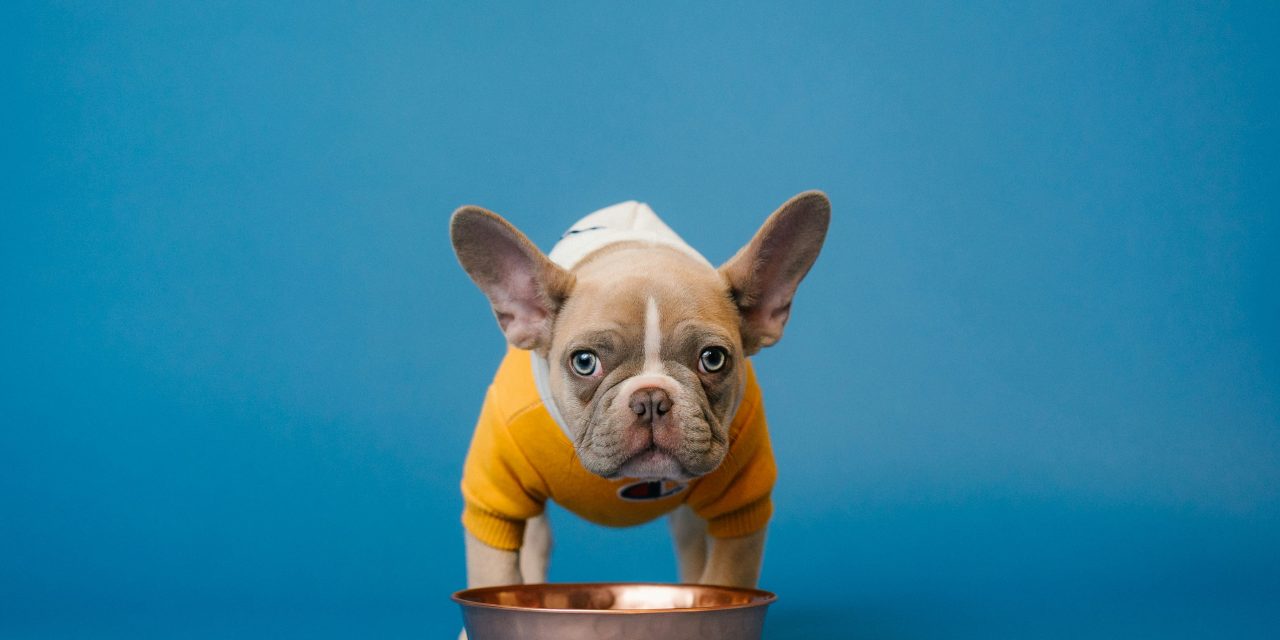
A comprehensive understanding of your dog’s nutritional requirements is paramount for ensuring optimal health and longevity. Dogs, like humans, require a balanced diet that provides essential nutrients to support their physiological functions. The primary components of canine nutrition include proteins, fats, carbohydrates, vitamins, and minerals. Each of these macronutrients plays a critical role in maintaining bodily functions, promoting growth, and supporting overall well-being.
The specific nutritional needs of dogs can vary significantly based on factors such as age, breed, size, and activity level. For instance, puppies require higher protein levels to support their rapid growth and development, while senior dogs may benefit from diets lower in calories but enriched with fiber to aid digestion. Understanding these nuances is crucial for pet owners aiming to provide the best dietary regimen for their furry companions.
Choosing High-Quality Dog Food
Selecting high-quality dog food is essential for meeting your pet’s nutritional needs effectively. When evaluating dog food options, it is vital to scrutinize the ingredient list and nutritional information. Look for products that list meat or meat meal as the primary ingredient, as these are excellent sources of protein. Additionally, avoid foods that contain fillers such as corn or soy, which offer little nutritional value.
Moreover, consider the life stage of your dog when choosing food. Puppy formulas are designed to support growth and development, while adult and senior formulations cater to the specific needs of mature dogs. Premium brands often undergo rigorous testing and adhere to standards set by organizations such as the Association of American Feed Control Officials (AAFCO), ensuring that they meet the nutritional requirements for dogs.
Balancing Proteins, Fats, and Carbohydrates

A well-balanced diet for dogs should include an appropriate ratio of proteins, fats, and carbohydrates. Proteins are crucial for muscle development and repair, while fats provide a concentrated source of energy and support skin and coat health. Carbohydrates serve as a source of energy and aid in digestive health when derived from whole grains or vegetables.
The ideal macronutrient distribution can vary based on individual needs; however, a general guideline suggests that adult dogs should receive approximately 18-25% protein, 8-15% fat, and 30-70% carbohydrates in their diet. It is essential to tailor these ratios according to your dog’s specific lifestyle and health conditions. For instance, active breeds may require higher protein levels to sustain their energy needs.
Incorporating Essential Vitamins and Minerals

In addition to macronutrients, vitamins and minerals are vital for maintaining your dog’s overall health. These micronutrients play various roles in metabolic processes, immune function, and bone health. Key vitamins include A, D, E, K, and B-complex vitamins, each contributing uniquely to your dog’s well-being.
Minerals such as calcium, phosphorus, potassium, and magnesium are equally important. Calcium and phosphorus are essential for bone development and maintenance, while potassium supports muscle function and nerve transmission. A balanced commercial dog food typically contains these essential vitamins and minerals; however, it is crucial to ensure that your dog receives adequate amounts through their diet.
Importance of Fresh Water for Hydration
Hydration is a critical aspect of canine health that is often overlooked. Fresh water should always be available to your dog to prevent dehydration, which can lead to serious health issues such as kidney disease or urinary tract infections. Dogs require varying amounts of water depending on their size, activity level, and diet; generally, they should consume about one ounce of water per pound of body weight daily.
To encourage proper hydration, ensure that your dog has access to clean water at all times. Consider using a pet water fountain to keep water fresh and appealing. Additionally, incorporating wet food into your dog’s diet can help increase their overall fluid intake.
Avoiding Harmful Human Foods
While it may be tempting to share your meals with your canine companion, many human foods can be harmful or even toxic to dogs. Common culprits include chocolate, grapes, raisins, onions, garlic, avocados, and xylitol (a sugar substitute). These foods can lead to severe health complications ranging from gastrointestinal distress to organ failure.
Educating yourself about which foods are safe for dogs is crucial for preventing accidental poisoning. Always consult with your veterinarian before introducing new foods into your dog’s diet. If you suspect your dog has ingested something harmful, seek veterinary assistance immediately.
Managing Portion Sizes and Feeding Schedules
Proper portion control is essential for maintaining a healthy weight in dogs. Overfeeding can lead to obesity, which is associated with numerous health problems such as diabetes, joint issues, and cardiovascular disease. To determine the appropriate portion size for your dog, refer to the feeding guidelines provided on the dog food packaging or consult with your veterinarian.
Establishing a consistent feeding schedule can also help regulate your dog’s appetite and digestion. Most adult dogs thrive on two meals per day; however, puppies may require more frequent feedings due to their higher energy needs. Monitoring your dog’s weight regularly will help you adjust portion sizes as necessary.
Including Healthy Treats in Moderation
Treats can be an excellent way to reward good behavior or strengthen the bond between you and your dog; however, moderation is key. High-calorie treats can contribute to weight gain if given excessively. Opt for healthy alternatives such as fruits (e.g., apples or blueberries) or vegetables (e.g., carrots or green beans) that provide nutritional benefits without excessive calories.
When selecting commercial treats, look for options that are low in fat and free from artificial additives or preservatives. Always account for treats within your dog’s daily caloric intake to maintain a balanced diet.
Adjusting Diet for Age, Size, and Activity Level
As dogs age or experience changes in activity levels or size, their dietary needs will also evolve. Puppies require nutrient-dense diets rich in protein and fat to support growth; conversely, senior dogs may benefit from lower-calorie diets with added fiber to aid digestion.
Large breeds may require specialized diets formulated to support joint health and prevent developmental disorders such as hip dysplasia. Active dogs may need higher protein levels to sustain energy levels during exercise. Regularly reassessing your dog’s dietary needs will ensure they receive the appropriate nutrition throughout their life stages.
Recognizing Food Allergies and Sensitivities
Food allergies or sensitivities can manifest in various ways in dogs, including gastrointestinal upset (vomiting or diarrhea), skin irritations (itchiness or rashes), or behavioral changes (hyperactivity or lethargy). Common allergens include beef, chicken, dairy products, wheat, and soy.
If you suspect that your dog has a food allergy or sensitivity, consult with your veterinarian for guidance on conducting an elimination diet trial. This process involves removing potential allergens from your dog’s diet for several weeks before gradually reintroducing them one at a time to identify the offending ingredient.
Consulting Your Veterinarian for Personalized Advice
Ultimately, the best approach to managing your dog’s nutrition is through collaboration with a qualified veterinarian. They can provide personalized recommendations based on your dog’s specific health status, lifestyle factors, and dietary preferences. Regular check-ups will allow you to monitor your dog’s weight and overall health while making necessary adjustments to their diet.
Veterinarians can also recommend specialized diets for dogs with specific health conditions such as diabetes or kidney disease. By working closely with a veterinary professional, you can ensure that your dog receives the optimal nutrition needed for a long and healthy life.
In summary, understanding your dog’s nutritional needs is fundamental for promoting their overall health and well-being. By choosing high-quality food that balances proteins, fats, carbohydrates, vitamins, and minerals while ensuring proper hydration and avoiding harmful human foods, you can significantly enhance your pet’s quality of life. Managing portion sizes and feeding schedules while incorporating healthy treats in moderation will further support their dietary requirements. Adjusting their diet according to age, size, activity level, and recognizing potential food allergies will ensure that they receive tailored nutrition throughout their lives. Finally, consulting with a veterinarian will provide personalized guidance for maintaining optimal health through proper nutrition.
FAQs
What are the essential nutrients that dogs need in their diet?
Dogs require a balanced diet that includes proteins, carbohydrates, fats, vitamins, and minerals. Proteins are crucial for growth and repair, carbohydrates provide energy, fats support cell structure and hormone production, while vitamins and minerals are necessary for various bodily functions and overall health.
How much should I feed my dog based on its size and age?
The amount of food a dog needs varies based on its size, age, activity level, and overall health. Generally, puppies require more calories than adult dogs due to their growth needs, while smaller breeds may need less food than larger breeds. It’s best to consult with a veterinarian to determine the appropriate portion sizes for your specific dog.
Are there any foods that dogs should avoid?
Yes, certain foods can be toxic to dogs and should be avoided. Common foods to steer clear of include chocolate, grapes, raisins, onions, garlic, avocados, and alcohol. Always check with a veterinarian if you’re unsure about a specific food item.
How can I tell if my dog is getting the right nutrition?
Signs that your dog is receiving proper nutrition include a healthy coat, good energy levels, a normal weight, and regular bowel movements. Additionally, your dog should have clear eyes and healthy skin. If you notice any changes in these areas, consult your veterinarian for advice on dietary adjustments.
Should I consider a special diet for my dog?
Special diets may be necessary for dogs with specific health conditions, allergies, or sensitivities. For example, dogs with food allergies may require a hypoallergenic diet, while those with obesity may benefit from weight management formulas. Always consult with a veterinarian before making significant changes to your dog’s diet.