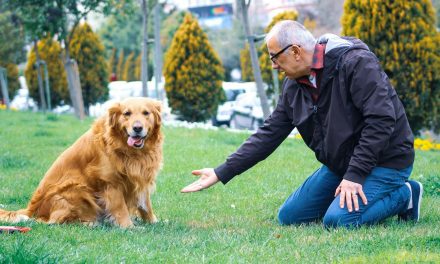
Every dog possesses distinct characteristics that shape their behavior, temperament, and overall health. Understanding these unique needs is paramount for any caregiver, particularly when dog-sitting. Factors such as breed, age, size, and health status play a crucial role in determining how to best care for a canine companion. For instance, a high-energy breed like a Border Collie will require more physical activity and mental stimulation compared to a more sedentary breed like a Bulldog. Additionally, older dogs may have specific health concerns such as arthritis or diminished eyesight, necessitating special attention and care.
Moreover, individual personality traits can significantly influence a dog’s needs. Some dogs are naturally more anxious and may require a calm environment and gentle handling, while others may be more social and thrive on interaction with people and other pets. Understanding these nuances not only enhances the dog’s well-being but also fosters a trusting relationship between the caregiver and the pet. Observing the dog’s body language and behavior can provide valuable insights into their comfort levels and preferences, allowing for tailored care that meets their specific requirements.
Preparing a Detailed Care Plan
Creating a comprehensive care plan is essential for ensuring that all aspects of the dog’s well-being are addressed during the sitting period. This plan should encompass daily routines, feeding schedules, exercise regimens, and any special instructions provided by the dog owner. A well-structured care plan serves as a roadmap for caregivers, minimizing the risk of oversight and ensuring that the dog’s needs are consistently met.
In addition to routine care, the plan should include emergency protocols. This involves identifying the nearest veterinary clinic, understanding the dog’s medical history, and having access to any necessary medications. Furthermore, it is beneficial to document any behavioral quirks or preferences that the dog may have, such as favorite toys or preferred walking routes. By preparing a detailed care plan, caregivers can approach their responsibilities with confidence and clarity, ultimately leading to a more positive experience for both the dog and the caregiver.
Creating a Comfortable and Safe Environment

A dog’s environment plays a pivotal role in their overall comfort and security. When dog-sitting, it is crucial to ensure that the space is safe and conducive to relaxation. This includes removing any hazardous items such as toxic plants, small objects that could be swallowed, or chemicals that could pose a risk. Additionally, creating a designated area where the dog can retreat to feel secure—such as a cozy bed or crate—can help alleviate anxiety.
Moreover, maintaining a clean environment is essential for preventing health issues. Regularly cleaning up after the dog, including waste disposal and washing bedding, contributes to a hygienic space that promotes well-being. Ensuring that the environment is free from excessive noise or disturbances can also help create a calming atmosphere. By prioritizing safety and comfort, caregivers can foster an environment where dogs feel at ease and secure.
Establishing a Consistent Routine

Dogs thrive on routine; it provides them with structure and predictability in their daily lives. Establishing a consistent schedule for feeding, walks, playtime, and rest can significantly reduce anxiety and behavioral issues in dogs. Caregivers should aim to replicate the dog’s usual routine as closely as possible to maintain stability during their owner’s absence.
Incorporating regular activities into the daily schedule not only benefits the dog but also strengthens the bond between caregiver and pet. For example, setting aside specific times for walks or play sessions allows for quality interaction that enhances trust and companionship. Additionally, consistency in training commands and cues can reinforce positive behaviors and facilitate communication between the caregiver and the dog. By adhering to a structured routine, caregivers can create an environment that promotes emotional well-being and behavioral stability.
Packing Essential Supplies and Comfort Items
Before embarking on a dog-sitting assignment, it is vital to gather all necessary supplies to ensure that the dog’s needs are met effectively. Essential items include food and water bowls, appropriate food based on dietary requirements, leashes, collars, waste bags, grooming tools, and any medications prescribed by the veterinarian. Having these supplies readily available minimizes disruptions and ensures that caregivers are prepared for any situation.
In addition to practical items, packing comfort items can significantly enhance the dog’s experience during their owner’s absence. Familiar toys, blankets, or even an item of clothing from their owner can provide reassurance and comfort to the dog. These items carry familiar scents that can help alleviate anxiety and create a sense of security in an unfamiliar environment. By being well-prepared with both essential supplies and comfort items, caregivers can ensure that dogs feel cared for and loved during their time apart from their owners.
Communicating Clearly with the Dog Owner
Effective communication with the dog owner is paramount for successful dog-sitting experiences. Prior to taking on the responsibility, caregivers should engage in thorough discussions with the owner regarding specific needs, preferences, and any potential concerns related to their pet. This includes understanding dietary restrictions, behavioral tendencies, medical conditions, and emergency contacts.
Maintaining open lines of communication throughout the sitting period is equally important. Caregivers should provide regular updates to owners about their dog’s well-being, including any notable behaviors or changes in appetite or energy levels. Utilizing technology such as messaging apps or video calls can facilitate this communication effectively. By fostering clear communication with dog owners, caregivers can build trust and ensure that both parties feel confident in the care being provided.
Incorporating Plenty of Exercise and Playtime
Physical activity is essential for maintaining a dog’s physical health and mental well-being. Engaging in regular exercise helps prevent obesity, reduces behavioral issues stemming from pent-up energy, and promotes overall happiness in dogs. Caregivers should tailor exercise routines based on the dog’s breed, age, and energy level; high-energy breeds may require longer walks or vigorous play sessions while older dogs may benefit from shorter strolls.
Incorporating playtime into daily routines is equally important for mental stimulation. Interactive toys, puzzle feeders, or games of fetch can provide both physical exercise and cognitive engagement for dogs. Additionally, socializing with other dogs during playdates or visits to dog parks can enhance social skills and reduce anxiety in some breeds. By prioritizing exercise and playtime in their care plans, caregivers can contribute significantly to a dog’s overall health and happiness.
Managing Feeding and Medication Schedules
Proper nutrition is fundamental for maintaining a dog’s health; therefore, managing feeding schedules is crucial during dog-sitting assignments. Caregivers should adhere strictly to the owner’s feeding instructions regarding portion sizes and frequency of meals. It is also essential to monitor water intake to ensure hydration levels remain adequate throughout the day.
For dogs requiring medication, caregivers must be diligent in administering prescribed treatments according to established schedules. This includes understanding dosage instructions and potential side effects associated with medications. Keeping a log of medication administration can help track compliance and ensure that no doses are missed. By managing feeding and medication schedules effectively, caregivers can contribute positively to the dog’s health outcomes.
Handling Unexpected Situations Calmly
Despite careful planning, unexpected situations may arise during dog-sitting assignments. Whether it involves sudden illness or behavioral issues such as aggression or anxiety, remaining calm is essential for effectively managing these challenges. Caregivers should be prepared with contingency plans that outline steps to take in various scenarios.
For instance, if a dog exhibits signs of distress or illness—such as vomiting or lethargy—caregivers should know how to assess symptoms accurately before contacting the owner or seeking veterinary assistance if necessary. Additionally, having emergency contact information readily available ensures prompt action can be taken when needed. By approaching unexpected situations with composure and preparedness, caregivers can navigate challenges effectively while prioritizing the dog’s safety.
Using Positive Reinforcement Techniques
Positive reinforcement is an effective training method that encourages desirable behaviors in dogs through rewards rather than punishment. Caregivers should utilize this technique during their time with the dog by rewarding good behavior with treats or praise. This approach fosters trust between caregiver and pet while promoting obedience.
Incorporating positive reinforcement into daily interactions can also enhance training efforts during dog-sitting assignments. For example, rewarding a dog for following commands or exhibiting calm behavior during stressful situations reinforces positive habits over time. By employing positive reinforcement techniques consistently throughout their care period, caregivers can contribute significantly to shaping desirable behaviors in dogs.
Reflecting and Improving for Future Dog Sitting Adventures
After completing a dog-sitting assignment, it is beneficial for caregivers to reflect on their experiences critically. Evaluating what went well—such as successful routines or effective communication—can help identify strengths while recognizing areas for improvement fosters growth in caregiving skills.
Soliciting feedback from dog owners can provide valuable insights into how well their pet’s needs were met during their absence. This feedback loop allows caregivers to refine their approaches for future assignments based on real-world experiences rather than assumptions alone. By embracing reflection as part of their practice, caregivers can continuously enhance their skills while providing exceptional care for dogs in their charge.
In summary, understanding each dog’s unique needs is fundamental for effective caregiving during dog-sitting assignments. Preparing detailed care plans ensures all aspects of care are addressed while creating comfortable environments fosters security for pets away from home. Establishing consistent routines enhances emotional stability while packing essential supplies ensures preparedness for various situations. Clear communication with owners builds trust while incorporating exercise promotes physical health; managing feeding schedules maintains nutritional balance while handling unexpected situations calmly demonstrates professionalism. Utilizing positive reinforcement techniques encourages desirable behaviors while reflecting on experiences allows caregivers to improve continuously in future endeavors—ultimately leading to happier dogs and satisfied owners alike.
FAQs
What is K9 dog sitting?
K9 dog sitting is a service where trained professionals care for dogs while their owners are away. This can include feeding, walking, playing, and providing companionship to ensure the dog’s well-being and comfort in the owner’s absence.
What qualifications should a K9 dog sitter have?
A qualified K9 dog sitter should have experience with dogs, knowledge of canine behavior, and ideally certifications in pet first aid and CPR. Many sitters also undergo background checks and have references from previous clients to ensure reliability and safety.
How do I find a reliable K9 dog sitter?
To find a reliable K9 dog sitter, you can ask for recommendations from friends or veterinarians, search online platforms that specialize in pet care, and read reviews from other pet owners. It’s also important to conduct interviews and meet potential sitters to assess their compatibility with your dog.
What services are typically included in K9 dog sitting?
Typical services included in K9 dog sitting may consist of daily feeding, regular walks, playtime, administering medications if needed, and providing companionship. Some sitters may also offer additional services like grooming or overnight stays.
How much does K9 dog sitting cost?
The cost of K9 dog sitting can vary widely based on factors such as location, the sitter’s experience, and the specific services provided. On average, prices can range from $15 to $50 per visit, with overnight stays typically costing more.