Puppies are naturally inquisitive creatures, and their exploration of the world often involves using their mouths. Biting is a fundamental behavior that serves multiple purposes in a puppy’s development. Initially, this behavior is rooted in instinctual actions such as teething, play, and social interaction. During the teething phase, which typically occurs between three to six months of age, puppies experience discomfort as their adult teeth emerge. This discomfort often leads them to chew on various objects, including hands and feet, as a means of alleviating the pain.
Moreover, biting is a form of communication for puppies. In their natural environment, they engage in play-fighting with their littermates, which helps them learn important social cues and boundaries. When a puppy bites another dog too hard, the recipient will often yelp or withdraw, signaling that the behavior is unacceptable. Unfortunately, when puppies transition to living with humans, they may not fully grasp that biting can be harmful or inappropriate. Understanding these underlying motivations is crucial for pet owners to effectively address and modify this behavior.
The Importance of Early Training and Socialization
Early training and socialization are paramount in shaping a puppy’s behavior and ensuring they grow into well-adjusted adult dogs. The critical socialization window for puppies occurs between three to fourteen weeks of age. During this period, exposure to various environments, people, and other animals can significantly influence their temperament and reactions to new experiences. Puppies that miss out on this crucial phase may develop fear-based behaviors or aggression later in life.
Training should begin as soon as a puppy enters a new home. Basic commands such as “sit,” “stay,” and “leave it” not only establish a foundation for obedience but also help in managing biting behavior. Consistent training reinforces positive behaviors while discouraging negative ones. Engaging in puppy classes can provide structured learning environments where socialization occurs alongside training. These classes often include interactions with other puppies, allowing them to practice bite inhibition in a controlled setting.
Teaching Bite Inhibition to Your Puppy

Bite inhibition refers to a puppy’s ability to control the force of their bite. Teaching this skill is essential for preventing injuries during playtime and ensuring safe interactions with humans and other animals. One effective method for teaching bite inhibition involves using vocal cues. When a puppy bites too hard during play, the owner should emit a high-pitched yelp or say “ouch” firmly but calmly. This mimics the response of a littermate and signals to the puppy that they have crossed a boundary.
Another technique involves stopping play immediately when biting occurs. By withdrawing attention and interaction, the puppy learns that biting leads to the cessation of fun activities. After a brief pause, play can resume once the puppy calms down. This method reinforces the idea that gentle play is rewarded while aggressive behavior results in loss of engagement. Consistency is key; owners must apply these techniques every time biting occurs to effectively instill bite inhibition.
Using Positive Reinforcement to Discourage Biting

Positive reinforcement is a powerful tool in canine training that encourages desired behaviors through rewards. When addressing biting behavior, it is essential to redirect the puppy’s focus onto appropriate actions. For instance, when a puppy refrains from biting during playtime or interacts gently with hands and feet, they should be rewarded with treats, praise, or affection. This approach not only reinforces good behavior but also strengthens the bond between the owner and the puppy.
Incorporating clicker training can enhance the effectiveness of positive reinforcement. A clicker serves as a marker that indicates to the puppy they have performed the desired action correctly. When combined with treats or praise immediately after the click, puppies quickly learn to associate their behavior with positive outcomes. This method can be particularly effective in teaching alternative behaviors that replace biting, such as fetching toys or engaging in calm interactions.
Redirecting Biting Behavior to Appropriate Toys
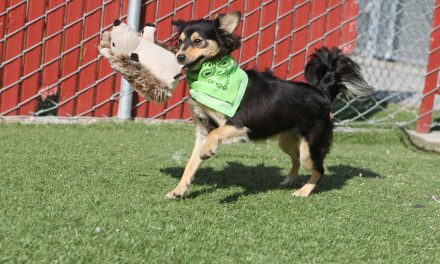
Redirecting biting behavior towards appropriate toys is an essential strategy for managing a puppy’s natural urge to chew and bite. Providing an array of chew toys can satisfy their instinctual needs while preventing them from targeting hands and feet. Selecting toys that are durable and safe for puppies is crucial; options such as rubber toys, rope toys, or plush items designed specifically for teething can be beneficial.
When a puppy begins to bite or chew on hands or feet, owners should promptly redirect their attention to a toy instead. Encouraging the puppy to engage with the toy by playing tug-of-war or tossing it can help reinforce the idea that toys are acceptable outlets for their biting instincts. Additionally, rotating toys regularly can maintain the puppy’s interest and prevent boredom, which can lead to unwanted behaviors.
Establishing Consistent Boundaries and Commands
Establishing consistent boundaries is vital for effective training and behavioral management in puppies. Owners should define clear rules regarding acceptable behaviors and ensure that all family members adhere to these guidelines consistently. For example, if biting is deemed unacceptable, everyone in the household must respond similarly when it occurs—whether through verbal cues or withdrawal of attention.
In conjunction with boundaries, teaching specific commands can aid in controlling biting behavior. Commands such as “leave it” or “no bite” can be employed when a puppy exhibits unwanted biting tendencies. Consistent use of these commands helps reinforce expectations and provides clear communication between the owner and the puppy. Over time, puppies will learn to associate these commands with appropriate behaviors, leading to improved impulse control.
Recognizing and Managing Overstimulation
Puppies are often prone to overstimulation due to their high energy levels and curiosity about their surroundings. Overstimulation can lead to heightened excitement levels, resulting in increased biting behavior as they struggle to manage their impulses. Recognizing signs of overstimulation—such as excessive barking, hyperactivity, or inability to focus—is crucial for preventing unwanted behaviors.
To manage overstimulation effectively, owners should create calm environments where puppies can relax and decompress. Designating quiet spaces within the home where puppies can retreat when feeling overwhelmed can be beneficial. Additionally, incorporating structured play sessions followed by periods of rest can help balance energy levels and reduce instances of biting due to overstimulation.
Avoiding Punishment and Negative Reactions
While it may be tempting to resort to punishment when dealing with biting behavior, negative reactions can often exacerbate the issue rather than resolve it. Punishment may instill fear or anxiety in puppies, leading to further behavioral problems down the line. Instead of punitive measures, owners should focus on redirecting behavior and reinforcing positive actions.
When faced with biting incidents, maintaining a calm demeanor is essential. Yelling or reacting aggressively can confuse puppies and hinder their learning process. Instead, employing gentle redirection techniques while remaining patient allows for more effective communication and understanding between owner and pet.
Providing Adequate Exercise and Mental Stimulation
Physical exercise and mental stimulation are critical components of a puppy’s overall well-being and behavioral management. Puppies require regular exercise to expend excess energy that might otherwise manifest as biting or destructive behaviors. Daily walks, play sessions in secure areas, or engaging in interactive games can help fulfill their physical needs.
In addition to physical activity, mental stimulation plays an equally important role in curbing unwanted behaviors. Puzzle toys that challenge a puppy’s problem-solving skills or training sessions that introduce new commands can keep their minds engaged and focused on positive activities rather than biting hands or feet.
When to Seek Professional Help or Training Classes
In some cases, despite an owner’s best efforts, biting behavior may persist or escalate beyond manageable levels. If a puppy exhibits aggressive tendencies or if owners feel overwhelmed by training challenges, seeking professional help may be necessary. Professional dog trainers or behaviorists possess specialized knowledge and experience in addressing behavioral issues effectively.
Training classes provide structured environments where puppies can learn alongside other dogs while receiving guidance from experienced instructors. These classes often cover essential skills such as impulse control, socialization techniques, and bite inhibition strategies tailored specifically for young dogs.
Maintaining Patience and Persistence in Training
Training a puppy requires patience and persistence from owners as they navigate the challenges of behavioral modification. Progress may not always be linear; setbacks are common during the training process. Maintaining a positive attitude while celebrating small victories fosters an encouraging environment for both owner and puppy.
Consistency in applying training techniques is crucial for long-term success. Regular practice reinforces learned behaviors while building trust between owner and pet. By remaining committed to training efforts over time, owners can cultivate well-behaved companions who understand appropriate boundaries regarding biting.
In summary, understanding why puppies bite hands and feet is essential for effective management of this behavior. Early training and socialization lay the groundwork for positive interactions while teaching bite inhibition helps prevent injuries during playtime. Utilizing positive reinforcement techniques alongside redirection strategies fosters desirable behaviors while establishing consistent boundaries aids in communication between owner and pet. Recognizing signs of overstimulation allows for proactive management of energy levels while avoiding punishment ensures a trusting relationship develops over time. Providing adequate exercise and mental stimulation further supports behavioral management efforts while seeking professional help when necessary ensures comprehensive solutions are available for persistent challenges faced during training journeys with puppies.
By maintaining patience throughout this process, owners can cultivate well-adjusted canine companions who thrive within their homes without resorting to unwanted biting behaviors towards hands or feet.
FAQs
What are common reasons puppies bite hands and feet?
Puppies often bite hands and feet as a form of play, exploration, or teething. They use their mouths to interact with their environment, and biting can be a way to express excitement or to engage in social play with humans and other animals.
How can I redirect my puppy’s biting behavior?
To redirect your puppy’s biting behavior, provide appropriate chew toys and encourage them to use these instead of your hands or feet. When your puppy starts to bite, calmly redirect their attention to a toy and praise them when they chew on it instead.
Is it effective to use negative reinforcement for biting?
Negative reinforcement, such as yelling or physical punishment, is generally not effective and can lead to fear or aggression in puppies. Instead, focus on positive reinforcement techniques, rewarding good behavior and ignoring unwanted biting.
What should I do if my puppy bites too hard?
If your puppy bites too hard, let out a high-pitched yelp or say “ouch” to mimic the sound of a hurt puppy. This can help them understand that their bite is too strong. Immediately stop playing and give them a moment to calm down before resuming play.
When should I seek professional help for my puppy’s biting?
If your puppy’s biting becomes aggressive, persistent, or does not improve with training, it may be time to seek professional help. A certified dog trainer or behaviorist can provide tailored strategies to address the issue effectively.