A clean home begins with decluttering, which serves as the cornerstone for an organized and serene living environment. The process of decluttering involves systematically removing unnecessary items that accumulate over time, creating a sense of chaos and disarray. Start by assessing each room in your home, identifying items that no longer serve a purpose or bring joy. This can include clothing that no longer fits, outdated electronics, or decorative items that have lost their appeal. By eliminating these distractions, you pave the way for a more streamlined and manageable space.
To effectively declutter, consider employing the “Four-Box Method.” Label four boxes as “Keep,” “Donate,” “Trash,” and “Relocate.” As you sift through your belongings, place each item into one of these boxes based on its fate. This method not only simplifies the decision-making process but also encourages a more mindful approach to what you choose to retain in your home. Once you have completed this initial step, you will find that maintaining cleanliness becomes significantly easier, as there will be fewer items to clean around and organize.
For those looking to maintain a clean and healthy home environment, understanding how to deal with mold in your bathroom is essential. An informative article that addresses this topic is available at this link. It discusses when to clean mold from shower caulk and when it might be time to replace it, providing valuable insights for effective household cleaning practices.
Use Vinegar and Baking Soda for a Natural Deep Clean
Vinegar and baking soda are two powerhouse ingredients that can transform your cleaning routine into an eco-friendly endeavor. Both substances possess unique properties that make them effective in tackling various cleaning challenges. Vinegar, an acetic acid solution, is renowned for its ability to dissolve mineral deposits, cut through grease, and neutralize odors. Baking soda, on the other hand, is a mild abrasive that excels at scrubbing surfaces while also acting as a deodorizer.
To create a natural deep-cleaning solution, combine equal parts vinegar and water in a spray bottle. This mixture can be used on countertops, sinks, and bathroom fixtures to eliminate grime and bacteria. For tougher stains or clogged drains, sprinkle baking soda directly onto the affected area followed by a generous splash of vinegar. The resulting fizzing reaction will help dislodge debris and leave surfaces sparkling clean. This combination not only promotes a healthier home environment but also reduces reliance on harsh chemicals that can be detrimental to both health and the planet.
Microfiber Cloths: Your Best Friend for Dusting

When it comes to dusting, microfiber cloths are unparalleled in their effectiveness and versatility. These cloths are made from synthetic fibers that are finer than human hair, allowing them to trap dust particles more efficiently than traditional cotton rags or paper towels. The unique structure of microfiber creates a larger surface area for capturing dirt and allergens, making them an essential tool for maintaining a clean home.
To maximize the benefits of microfiber cloths, use them dry for dusting surfaces such as shelves, electronics, and furniture. The electrostatic charge generated by the fibers attracts dust particles, preventing them from becoming airborne. For deeper cleaning tasks, dampen the cloth with water or a gentle cleaning solution to tackle sticky residues or grime. Regularly washing microfiber cloths in hot water without fabric softener will ensure their longevity and maintain their dust-trapping capabilities.
Harness the Power of Lemon for Stain Removal

Lemons are not only a refreshing addition to beverages but also serve as an effective natural stain remover. The citric acid present in lemons acts as a natural bleaching agent, making it particularly useful for tackling stubborn stains on fabrics and surfaces. Additionally, lemons possess antibacterial properties that can help eliminate odors and disinfect areas around the home.
For fabric stains, simply cut a lemon in half and rub the cut side directly onto the stained area. Allow it to sit for about 30 minutes before rinsing with cold water. For surfaces like cutting boards or countertops, mix lemon juice with baking soda to create a paste that can be applied to the stain. Let it sit for several minutes before scrubbing with a sponge or cloth. This natural approach not only effectively removes stains but also leaves behind a fresh citrus scent.
If you’re looking to streamline your household cleaning routine, you might find it helpful to check out this easy-to-follow checklist designed specifically for beginners. This resource provides a clear and concise guide to tackle cleaning tasks efficiently, ensuring that no corner of your home is overlooked. By incorporating such a checklist into your cleaning schedule, you can maintain a tidy living space without feeling overwhelmed.
Clean Blinds Easily with a Sock and Vinegar Solution
Cleaning blinds can often feel like a daunting task due to their intricate design and the accumulation of dust and grime. However, using a simple sock dipped in a vinegar solution can make this chore quick and efficient. Vinegar’s natural cleaning properties help dissolve dirt while the sock’s fabric allows for easy maneuverability between slats.
To create your cleaning solution, mix equal parts water and white vinegar in a bowl. Dampen an old sock in the mixture and slide your fingers inside to create a cleaning tool that fits snugly around each blind slat. Gently wipe each slat from top to bottom, ensuring that you capture any dust or debris. This method not only saves time but also eliminates the need for specialized cleaning tools.
Freshen Carpets with Baking Soda and Essential Oils
Carpets can harbor odors and allergens over time, making it essential to incorporate regular freshening into your cleaning routine. Baking soda is an excellent deodorizer that can absorb unwanted smells while also acting as a gentle abrasive for surface cleaning. By combining baking soda with essential oils, you can create a fragrant carpet freshener that revitalizes your living space.
To prepare this mixture, combine one cup of baking soda with 10-15 drops of your favorite essential oil—lavender or tea tree oil are popular choices due to their pleasant scents and antibacterial properties. Sprinkle the mixture evenly over your carpet and let it sit for at least 15 minutes (or longer for tougher odors) before vacuuming thoroughly. This simple yet effective method not only eliminates odors but also leaves your carpets smelling fresh and inviting.
Sparkle Your Stainless Steel Appliances with Olive Oil
Stainless steel appliances are prized for their sleek appearance but can quickly become dull due to fingerprints and smudges. To restore their shine without resorting to harsh chemicals, olive oil serves as an excellent natural alternative. Its emollient properties help lift grime while providing a protective barrier against future stains.
To clean stainless steel surfaces, start by wiping them down with warm soapy water to remove any loose debris. Next, apply a small amount of olive oil onto a soft cloth or paper towel and buff the surface in the direction of the grain. This technique not only enhances shine but also helps repel dust and fingerprints, keeping your appliances looking pristine for longer periods.
DIY All-Purpose Cleaner for Quick Touch-Ups
Creating your own all-purpose cleaner is an efficient way to maintain cleanliness throughout your home without relying on commercial products laden with chemicals. A simple DIY cleaner can be made using common household ingredients such as vinegar, water, and essential oils for added fragrance.
To craft this versatile cleaner, combine one cup of white vinegar with one cup of water in a spray bottle. For an aromatic touch, add 10-15 drops of essential oil—lemon or eucalyptus work well for their refreshing scents and antibacterial properties. This solution can be used on countertops, bathroom surfaces, and even glass windows for streak-free shine. Regular use of this all-purpose cleaner ensures that your home remains tidy while minimizing exposure to harmful chemicals.
Keep Your Microwave Spotless Using Steam Cleaning
Microwaves often accumulate food splatters and odors over time, making regular cleaning essential for maintaining hygiene in the kitchen. One effective method for achieving a spotless microwave is steam cleaning using simple ingredients like water and vinegar.
To utilize this technique, fill a microwave-safe bowl with equal parts water and vinegar (about one cup each). Place the bowl inside the microwave and heat on high for five minutes or until steam builds up inside. Once finished, carefully remove the bowl (it will be hot) and wipe down the interior surfaces with a damp cloth or sponge. The steam loosens stubborn stains while neutralizing odors, leaving your microwave clean and fresh without excessive scrubbing.
Maintain a Clean Bathroom with Daily Wipes
Bathrooms are high-traffic areas that require consistent upkeep to prevent the buildup of grime and bacteria. Incorporating daily wipes into your cleaning routine can simplify this process significantly. These pre-moistened wipes are designed specifically for bathroom surfaces and can be used quickly to tackle messes as they occur.
Keep a container of bathroom wipes within easy reach—under the sink or near the toilet—so they are readily available when needed. Use them daily to wipe down countertops, sinks, faucets, and toilet seats after use. This proactive approach not only keeps surfaces clean but also minimizes the need for extensive deep cleaning sessions later on.
Organize Cleaning Supplies for Efficient Routine Maintenance
An organized collection of cleaning supplies is crucial for maintaining an efficient cleaning routine. When supplies are easily accessible and well-arranged, it reduces time spent searching for items during cleaning sessions. Start by designating a specific area—such as a cabinet or caddy—for all cleaning products.
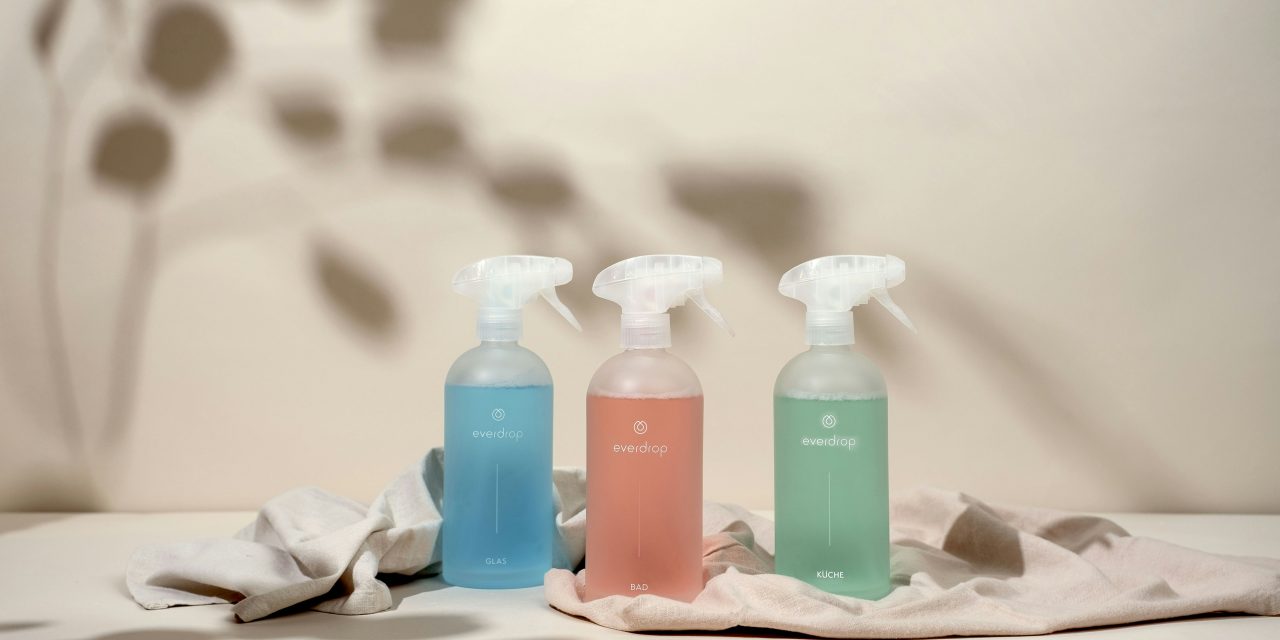
Group similar items together; for example, keep all-purpose cleaners alongside microfiber cloths and sponges in one section while storing bathroom-specific products in another area. Label containers clearly to facilitate quick identification of supplies when needed. Additionally, consider investing in refillable spray bottles to minimize waste while ensuring you always have your favorite cleaning solutions on hand.
In summary, maintaining a clean home involves several strategic approaches that prioritize organization and natural cleaning methods. By decluttering first, utilizing eco-friendly ingredients like vinegar and baking soda, employing microfiber cloths for dusting, harnessing lemon’s stain-fighting power, simplifying blind cleaning with socks, freshening carpets with baking soda and essential oils, polishing stainless steel with olive oil, creating DIY cleaners for quick touch-ups, steam cleaning microwaves effectively, using daily wipes in bathrooms, and organizing supplies efficiently—homeowners can achieve cleanliness without overwhelming effort or reliance on harsh chemicals.
This comprehensive guide provides practical solutions to common cleaning challenges while promoting sustainable practices that benefit both health and the environment.
FAQs
What are the essential cleaning supplies needed for household cleaning?
Essential cleaning supplies typically include all-purpose cleaner, disinfectant wipes, glass cleaner, microfiber cloths, sponges, a broom, a mop, a vacuum cleaner, and rubber gloves. Depending on specific cleaning tasks, you may also need specialized products like toilet bowl cleaner or carpet cleaner.
How often should I clean different areas of my home?
High-traffic areas like kitchens and bathrooms should be cleaned weekly, while living rooms and bedrooms can be cleaned bi-weekly. Deep cleaning tasks, such as washing windows or cleaning carpets, should be done seasonally or at least twice a year.
What are some eco-friendly cleaning alternatives?
Eco-friendly cleaning alternatives include using vinegar, baking soda, lemon juice, and essential oils. These natural ingredients can effectively clean surfaces, deodorize, and disinfect without the harsh chemicals found in many commercial cleaners.
How can I make my cleaning routine more efficient?
To make your cleaning routine more efficient, create a checklist of tasks, declutter regularly, and tackle one room at a time. Setting a timer for each task can also help you stay focused and motivated to complete your cleaning quickly.
What safety precautions should I take while cleaning?
When cleaning, always read labels on cleaning products for safety instructions, use gloves to protect your skin, ensure proper ventilation, and keep cleaning supplies out of reach of children and pets. Additionally, avoid mixing different cleaning products, as this can create harmful fumes.