Cooking chicken thoroughly is paramount for ensuring food safety and preventing foodborne illnesses. Chicken is a common source of pathogens such as Salmonella and Campylobacter, which can lead to severe gastrointestinal distress and other health complications. According to the Centers for Disease Control and Prevention (CDC), approximately 1 million people in the United States contract foodborne illnesses from poultry each year. These statistics underscore the necessity of proper cooking techniques to eliminate harmful bacteria effectively.
Moreover, undercooked chicken can lead to serious health risks, including hospitalization and, in extreme cases, death. The importance of achieving the correct internal temperature cannot be overstated; it is essential not only for safety but also for enhancing the flavor and texture of the meat. Properly cooked chicken is juicy, tender, and palatable, while undercooked chicken can be rubbery and unappetizing. Therefore, understanding the significance of cooking chicken thoroughly is crucial for both health and culinary satisfaction.
When it comes to ensuring that chicken is fully cooked, using a thermometer is one of the most reliable methods. A properly calibrated meat thermometer can help you achieve the perfect internal temperature of 165°F (75°C) for chicken, ensuring it is safe to eat while remaining juicy and flavorful. For more tips on practical household solutions, you might find this article on clever ways to store extra toilet paper in small bathrooms interesting: 10 Clever Ways to Store Extra Toilet Paper in Small Bathrooms.
Choosing the Right Thermometer for Accurate Readings
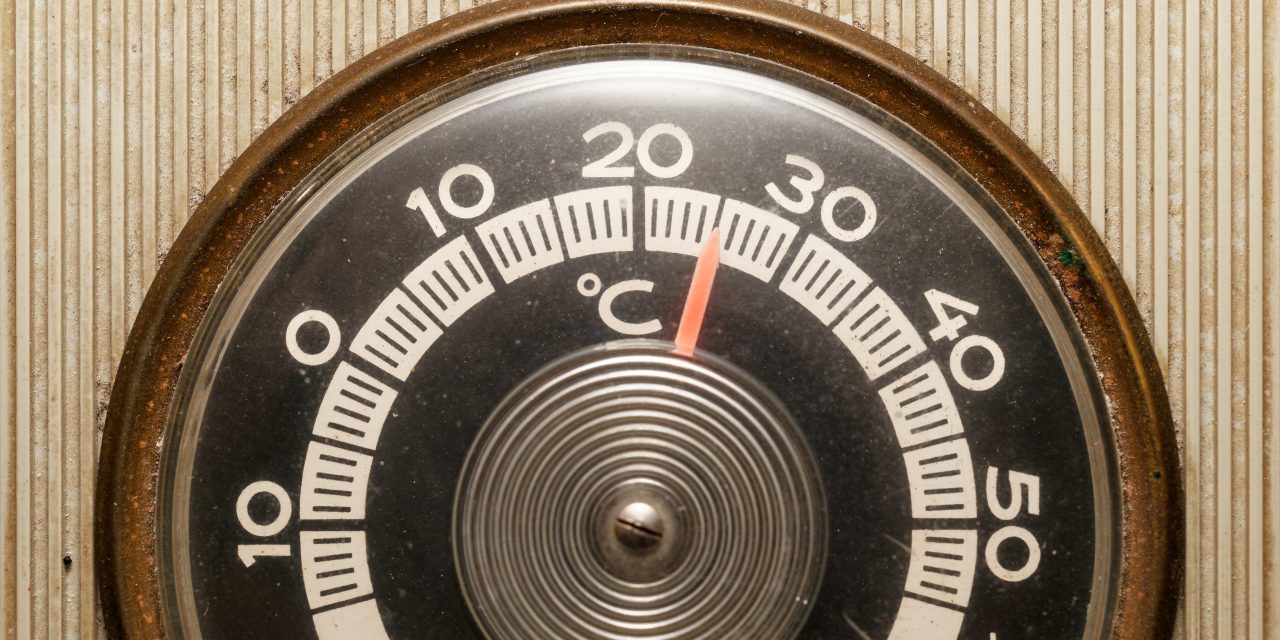
Selecting an appropriate meat thermometer is vital for achieving accurate temperature readings when cooking chicken. There are several types of thermometers available, including digital instant-read thermometers, dial thermometers, and probe thermometers. Digital instant-read thermometers are favored for their speed and precision, providing readings in seconds. Dial thermometers, while reliable, may take longer to register temperatures and can be less accurate if not calibrated correctly.
When choosing a thermometer, consider factors such as temperature range, response time, and ease of use. A thermometer that reads temperatures from 32°F to 450°F is ideal for various cooking methods. Additionally, look for features like waterproofing and a backlit display for convenience. Investing in a high-quality thermometer can significantly enhance your cooking experience by ensuring that your chicken reaches the safe internal temperature without overcooking.
Preparing Your Thermometer Before Use

Before utilizing your meat thermometer, it is essential to prepare it properly to ensure accurate readings. Start by calibrating the thermometer according to the manufacturer’s instructions. Calibration typically involves placing the thermometer in ice water or boiling water to verify its accuracy. If the reading deviates from the expected temperature, adjustments should be made to ensure precision.
Additionally, it is crucial to clean the thermometer before each use to prevent cross-contamination. Use hot soapy water or an alcohol wipe to sanitize the probe thoroughly. This step is particularly important when switching between different types of meat or when handling raw chicken, as it minimizes the risk of spreading harmful bacteria. Proper preparation of your thermometer sets the foundation for safe cooking practices.
Identifying the Thickest Part of the Chicken for Temperature Check

To ensure that chicken is cooked thoroughly, it is essential to identify the thickest part of the meat for temperature checks. The thickest section is typically found in the breast or thigh area, where heat penetration is slowest. For whole chickens, this area is often located near the joint where the thigh meets the body. In chicken breasts, it is usually found in the center of the meat.
When checking the temperature, focus on this thickest part to obtain an accurate reading. If you measure in a thinner area, you may receive a false reading that suggests the chicken is fully cooked when it may not be. Understanding where to check for temperature is critical for ensuring that all parts of the chicken reach a safe internal temperature.
When cooking chicken, ensuring it is fully cooked is crucial for both safety and flavor, and one of the best ways to achieve this is by using a thermometer. For more detailed guidance on cooking chicken to perfection, you might find this article on how to tell if chicken is fully cooked particularly helpful. It provides insights into the ideal internal temperature and tips for checking doneness, making your cooking experience both safe and enjoyable.
Inserting the Thermometer Correctly to Avoid False Readings
Inserting the thermometer correctly is crucial for obtaining accurate temperature readings. To do this effectively, insert the probe into the thickest part of the chicken without touching bone or fat, as these can skew results. Bone conducts heat differently than meat, which can lead to misleading readings. For optimal accuracy, insert the thermometer at least 2 inches deep into the meat.
It is also advisable to angle the thermometer slightly towards the center of the chicken rather than inserting it straight down. This technique allows for better heat detection within the meat’s core. By following these guidelines for insertion, you can avoid false readings and ensure that your chicken is cooked safely.
Recognizing the Safe Internal Temperature for Cooked Chicken
The safe internal temperature for cooked chicken is a critical benchmark that must be achieved to eliminate harmful bacteria effectively. According to food safety guidelines established by the USDA, chicken should reach an internal temperature of 165°F (74°C). This temperature ensures that any pathogens present are destroyed, making the meat safe for consumption.
It is important to note that different types of chicken cuts may require varying cooking times to reach this safe temperature. For instance, whole chickens may take longer than chicken breasts or thighs due to their size and density. Always use a meat thermometer to verify that each cut has reached at least 165°F before serving.
Checking Temperature in Different Types of Chicken Cuts
Different cuts of chicken require specific attention when checking their internal temperatures. For instance, chicken breasts typically cook faster than thighs or drumsticks due to their lower fat content. When cooking bone-in cuts like thighs or drumsticks, it is essential to check both near the bone and in the thickest part of the meat to ensure even cooking.
For ground chicken products such as patties or sausages, a minimum internal temperature of 165°F must also be achieved. This requirement applies regardless of whether you are grilling, baking, or frying your chicken cuts. Understanding how to check temperatures across various cuts will help you achieve consistent results every time you cook.
Using the Thermometer to Test Multiple Spots for Consistency
To ensure that your chicken is cooked evenly throughout, it is advisable to test multiple spots with your thermometer. This practice helps confirm that all areas have reached the safe internal temperature of 165°F. For larger cuts like whole chickens or roasts, check several locations: both breasts, thighs, and any other thick areas.
When testing multiple spots, allow a few seconds for each reading to stabilize before recording the temperature. If any area registers below 165°F, continue cooking until all parts reach this critical threshold. This thorough approach guarantees that your chicken is not only safe but also deliciously tender and juicy.
Avoiding Common Mistakes When Using a Meat Thermometer
Several common mistakes can lead to inaccurate readings when using a meat thermometer. One frequent error is failing to calibrate the thermometer before use; this can result in significant discrepancies in temperature readings. Additionally, inserting the thermometer incorrectly—such as touching bone or fat—can yield misleading results.
Another mistake involves not allowing enough time for the thermometer reading to stabilize before checking temperatures. Always wait a few seconds after inserting the probe before taking note of the reading. Lastly, neglecting to clean your thermometer between uses can lead to cross-contamination and foodborne illness risks.
Cleaning and Maintaining Your Thermometer After Use
Proper cleaning and maintenance of your meat thermometer are essential for ensuring its longevity and accuracy. After each use, wash the probe with hot soapy water or disinfect it with an alcohol wipe to eliminate any bacteria that may have transferred during cooking. Avoid submerging digital thermometers in water; instead, wipe them down carefully.
Regularly inspect your thermometer for signs of wear or damage; if you notice any issues with accuracy or functionality, consider replacing it promptly. Storing your thermometer in a protective case can also help prevent damage when not in use. By maintaining your thermometer properly, you can ensure reliable performance over time.
Additional Tips for Ensuring Juicy and Safe Chicken Every Time
To achieve juicy and safe chicken consistently, consider employing several additional cooking techniques alongside proper temperature checks. Brining chicken before cooking can enhance moisture retention and flavor; a simple saltwater solution can work wonders in this regard. Additionally, allowing chicken to rest after cooking helps redistribute juices throughout the meat.
Using marinades can also add flavor while contributing to moisture retention during cooking. Opt for marinades containing acidic ingredients like lemon juice or vinegar; these can help tenderize meat while infusing it with flavor. Finally, consider using indirect heat methods such as roasting or grilling over low heat; these techniques promote even cooking without drying out the meat.
In summary, understanding how to cook chicken thoroughly involves recognizing its importance for food safety and flavor enhancement. Choosing an appropriate thermometer and preparing it correctly are foundational steps in this process. Identifying where to check temperatures and inserting the thermometer accurately are crucial for obtaining reliable readings across various cuts of chicken. Avoiding common mistakes and maintaining your thermometer ensures consistent performance over time while employing additional cooking techniques guarantees juicy results every time you prepare this versatile protein source.
FAQs
What is the safe internal temperature for fully cooked chicken?
The safe internal temperature for fully cooked chicken is 165°F (75°C). This temperature ensures that harmful bacteria, such as Salmonella and Campylobacter, are effectively killed, making the chicken safe to eat.
How do I use a meat thermometer to check chicken doneness?
To use a meat thermometer, insert the probe into the thickest part of the chicken, avoiding bones, as they can give a false reading. Wait a few seconds for the thermometer to stabilize and then check the temperature displayed. Ensure it reads at least 165°F (75°C) for safe consumption.
Can I tell if chicken is cooked without a thermometer?
While visual cues such as clear juices and no pink meat can indicate doneness, the most reliable method is using a meat thermometer. Relying solely on appearance can lead to undercooked chicken, which poses health risks.
What types of meat thermometers are available for checking chicken?
There are several types of meat thermometers available, including digital instant-read thermometers, dial (analog) thermometers, and probe thermometers. Digital instant-read thermometers are often preferred for their speed and accuracy, while probe thermometers can be left in the meat while it cooks.
How can I ensure my thermometer is accurate?
To ensure your thermometer is accurate, you can calibrate it by placing it in ice water (should read 32°F or 0°C) or boiling water (should read 212°F or 100°C at sea level). If it does not read correctly, adjust it according to the manufacturer’s instructions or replace it if necessary.