Fuel injectors play a pivotal role in the overall performance and efficiency of modern vehicles. These precision-engineered components are responsible for delivering the right amount of fuel into the combustion chamber, ensuring optimal engine performance. Over time, fuel injectors can become clogged or dirty due to various factors, including fuel quality, engine wear, and environmental conditions. The significance of maintaining clean fuel injectors cannot be overstated, as they directly influence fuel efficiency, emissions, and engine longevity.
Neglecting the cleanliness of fuel injectors can lead to a cascade of issues that not only affect vehicle performance but also contribute to increased operational costs. Regular maintenance and cleaning of these components are essential for ensuring that your vehicle operates at peak efficiency. In this article, we will explore the signs of dirty fuel injectors, methods for cleaning them, and the importance of maintaining their health for optimal vehicle performance.
When considering the maintenance of your vehicle, it’s essential to understand how often fuel injectors should be cleaned to ensure optimal performance. Regular cleaning can prevent issues such as poor fuel efficiency and engine misfires. For a comprehensive guide on maintaining the health of your aging dog, which parallels the importance of regular care for your vehicle, you can check out this insightful article on senior dog care. It emphasizes the significance of routine check-ups and maintenance, much like how fuel injectors require attention. For more information, visit this article.
What Are Fuel Injectors and Their Role in Your Vehicle
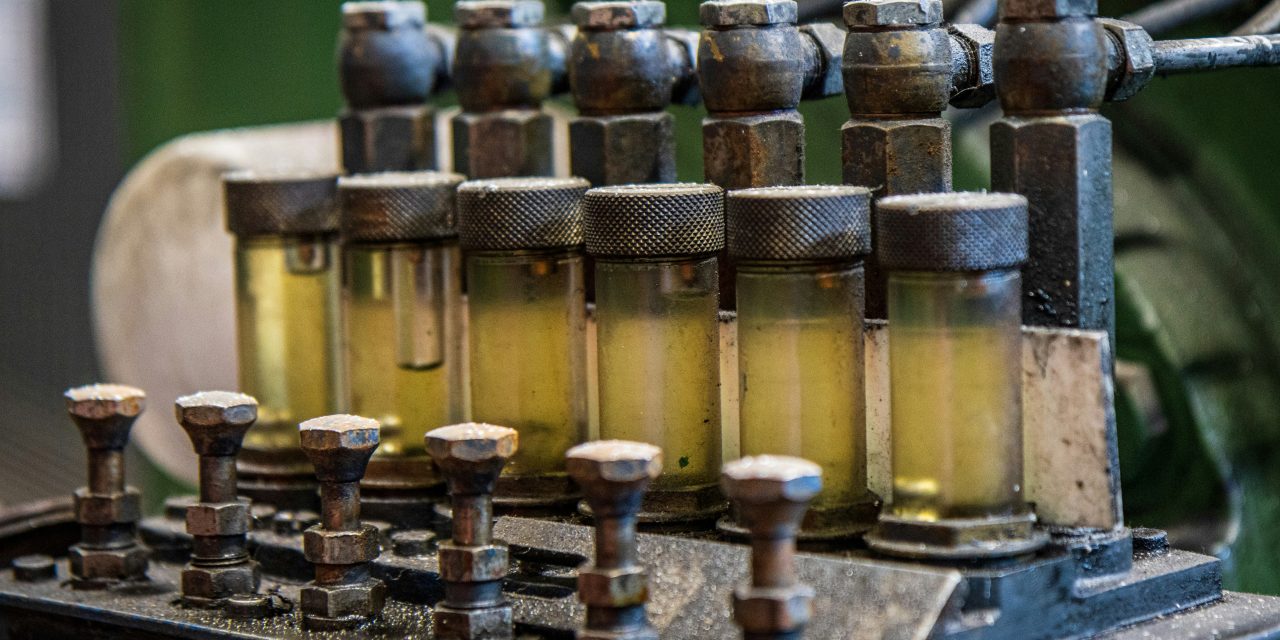
Fuel injectors are sophisticated devices that atomize fuel and deliver it into the engine’s combustion chamber at precise intervals. They operate under high pressure and are controlled by the vehicle’s Engine Control Unit (ECU), which determines the optimal fuel-to-air ratio based on various parameters such as engine load, temperature, and speed. This precise delivery is crucial for achieving efficient combustion, which in turn maximizes power output while minimizing emissions.
The role of fuel injectors extends beyond merely delivering fuel; they also contribute to the overall efficiency of the combustion process. A well-functioning injector ensures that the air-fuel mixture is homogeneous, promoting complete combustion and reducing harmful emissions. Conversely, a malfunctioning injector can lead to incomplete combustion, resulting in poor engine performance and increased pollutant output. Understanding the critical function of fuel injectors is essential for recognizing the signs of potential issues and taking proactive measures to maintain their health.
Sign 1: Decreased Fuel Efficiency

One of the most noticeable signs that your fuel injectors may be dirty or malfunctioning is a marked decrease in fuel efficiency. When injectors become clogged or fail to deliver the correct amount of fuel, the engine compensates by consuming more fuel to maintain performance levels. This inefficiency can lead to a significant increase in fuel consumption, resulting in higher costs at the pump.
For instance, if your vehicle typically achieves 25 miles per gallon (MPG) but suddenly drops to 20 MPG without any other changes in driving habits or conditions, it may indicate that your fuel injectors require cleaning or replacement. Monitoring fuel efficiency regularly can help you identify such discrepancies early on, allowing you to address potential injector issues before they escalate into more severe problems.
Sign 2: Engine Misfires or Rough Idling

Another critical indicator of dirty or malfunctioning fuel injectors is the occurrence of engine misfires or rough idling. When injectors fail to deliver a consistent spray pattern or the correct amount of fuel, it can lead to uneven combustion within the cylinders. This inconsistency often manifests as a rough idle, where the engine vibrates or shakes while at a standstill.
Engine misfires can also occur when one or more cylinders do not receive adequate fuel, leading to a loss of power and performance. If you experience sudden jolts or stuttering during acceleration, it may be time to inspect your fuel injectors. Addressing these symptoms promptly can prevent further damage to engine components and ensure a smoother driving experience.
Maintaining your vehicle’s performance is crucial, and one important aspect of this is understanding how often fuel injectors should be cleaned. Regular cleaning can help prevent issues such as poor fuel economy and rough idling. For more insights on maintaining optimal performance in other areas, you might find this article on watering vegetable gardens particularly interesting, as it highlights the importance of proper care in achieving the best results.
Sign 3: Difficulty Starting the Engine
Difficulty starting your vehicle can be another telltale sign of fuel injector issues. When injectors become clogged or fail to operate correctly, they may not deliver enough fuel to initiate combustion effectively. This can result in prolonged cranking times or even complete failure to start.
If you find yourself turning the ignition key multiple times before the engine finally roars to life, it may indicate that your fuel injectors are not functioning optimally. In some cases, this issue may be accompanied by a noticeable decrease in engine power once it does start. Regular maintenance checks can help identify potential injector problems before they lead to more significant starting issues.
Regular maintenance of your vehicle’s fuel system is crucial for optimal performance, and one important aspect of this is knowing how often fuel injectors should be cleaned. Neglecting this can lead to decreased fuel efficiency and engine performance. For a deeper understanding of maintenance tips that can help keep your vehicle in top shape, you might find this article on how to clean an area rug at home without ruining it particularly interesting, as it emphasizes the importance of proper care in maintaining various aspects of your environment. You can read it here.
Sign 4: Poor Acceleration and Performance
A decline in acceleration and overall vehicle performance is another critical sign that your fuel injectors may require attention. When injectors become clogged or fail to deliver an adequate amount of fuel, your vehicle may struggle to accelerate smoothly or reach higher speeds efficiently. This sluggishness can be particularly noticeable during rapid acceleration or when merging onto highways.
In some cases, you may also experience a delay in throttle response, where pressing the accelerator does not yield an immediate increase in speed. This lack of responsiveness can be frustrating and may compromise your safety on the road. If you notice these symptoms, it is essential to investigate potential issues with your fuel injectors as soon as possible.
Sign 5: Increased Exhaust Emissions
Increased exhaust emissions are not only harmful to the environment but also serve as a clear indicator that your fuel injectors may be malfunctioning. When injectors fail to atomize fuel properly or deliver an incorrect air-fuel mixture, it can lead to incomplete combustion. This inefficiency results in higher levels of harmful pollutants being emitted from your vehicle’s exhaust system.
If you notice a strong smell of gasoline or observe excessive smoke coming from your exhaust pipe, it may indicate that your fuel injectors are contributing to increased emissions. Addressing these issues promptly is crucial for both environmental compliance and maintaining your vehicle’s performance standards.
Sign 6: Fuel Smell Around the Vehicle
A noticeable smell of gasoline around your vehicle can be alarming and is often indicative of a problem with your fuel system, including potential issues with your fuel injectors. If you detect a strong odor of gasoline when approaching your car, it could mean that fuel is leaking from a damaged injector or that an injector is stuck open, allowing excess fuel to escape into the engine compartment.
This situation poses not only a risk of decreased performance but also a significant safety hazard due to the flammability of gasoline vapors. If you experience this symptom, it is imperative to have your vehicle inspected by a qualified technician immediately to prevent potential fire hazards and ensure safe operation.
Sign 7: Check Engine Light Activation
The activation of the check engine light is often one of the first indicators that something is amiss within your vehicle’s engine management system. While this warning light can signify various issues, one common cause is related to fuel injector problems. The ECU continuously monitors various parameters related to engine performance, including injector operation.
If the ECU detects irregularities in injector performance—such as inconsistent fuel delivery or misfires—it will trigger the check engine light as a precautionary measure. Ignoring this warning can lead to more severe engine problems down the line; therefore, it is essential to have diagnostic tests performed promptly when this light illuminates.
How Often Should You Clean Your Fuel Injectors?
The frequency with which you should clean your fuel injectors depends on several factors, including driving habits, fuel quality, and vehicle type. Generally speaking, it is advisable to clean your fuel injectors every 30,000 to 60,000 miles as part of routine maintenance. However, if you frequently drive in stop-and-go traffic or use low-quality fuels, you may need to clean them more often.
Additionally, if you notice any of the aforementioned signs indicating potential injector issues—such as decreased fuel efficiency or rough idling—it may be prudent to have them cleaned sooner rather than later. Regular inspections and maintenance can help prolong the life of your injectors and ensure optimal vehicle performance.
Methods for Cleaning Fuel Injectors: DIY vs Professional Service
When it comes to cleaning fuel injectors, there are two primary methods: do-it-yourself (DIY) cleaning and professional service options. DIY cleaning typically involves using specialized cleaning solutions that can be added directly to the fuel tank or applied through a pressurized cleaning kit connected to the fuel rail. While this method can be effective for minor clogs and deposits, it may not address more severe issues that require professional intervention.
Professional cleaning services often involve ultrasonic cleaning or chemical cleaning methods that thoroughly remove carbon deposits and other contaminants from the injectors. These services are typically performed by trained technicians who have access to specialized equipment designed for deep cleaning. While professional services may come at a higher cost than DIY methods, they often yield more comprehensive results and can help restore injector performance effectively.
Maintaining Fuel Injector Health for Optimal Vehicle Performance
In conclusion, maintaining clean and functional fuel injectors is essential for ensuring optimal vehicle performance and efficiency. Recognizing the signs of dirty or malfunctioning injectors—such as decreased fuel efficiency, engine misfires, difficulty starting, poor acceleration, increased emissions, gasoline odors, and check engine light activation—can help you take proactive measures before more severe issues arise.
Regular maintenance practices such as cleaning your fuel injectors every 30,000 to 60,000 miles and opting for professional services when necessary can significantly enhance your vehicle’s longevity and performance. By prioritizing injector health, you not only improve your driving experience but also contribute positively to environmental sustainability through reduced emissions.
In summary, clean fuel injectors are vital for optimal vehicle operation; neglecting them can lead to various performance issues and increased costs over time. Regular inspections and timely interventions will ensure that your vehicle remains efficient and reliable on the road for years to come.
FAQs
How often should fuel injectors be cleaned?
Fuel injectors should generally be cleaned every 30,000 to 50,000 miles, depending on the vehicle’s make and model, driving conditions, and fuel quality. Regular maintenance can help prevent buildup and ensure optimal performance.
What are the signs that fuel injectors need cleaning?
Signs that fuel injectors may need cleaning include rough idling, decreased fuel efficiency, engine misfires, and a noticeable decrease in power or acceleration. If you experience any of these symptoms, it may be time to clean your injectors.
Can I clean fuel injectors myself?
While there are DIY fuel injector cleaning kits available, it is often recommended to have the cleaning done by a professional mechanic. They have the proper tools and expertise to ensure the injectors are cleaned effectively without causing damage.
What methods are used to clean fuel injectors?
Common methods for cleaning fuel injectors include ultrasonic cleaning, chemical cleaning using specialized cleaning solutions, and using a fuel injector cleaning machine that connects to the fuel system. Each method has its advantages and can be chosen based on the level of buildup and the vehicle’s needs.
Does cleaning fuel injectors improve fuel efficiency?
Yes, cleaning fuel injectors can improve fuel efficiency by ensuring that the fuel is delivered in the correct amount and at the right pressure. Clean injectors help maintain optimal combustion, which can lead to better mileage and overall engine performance.