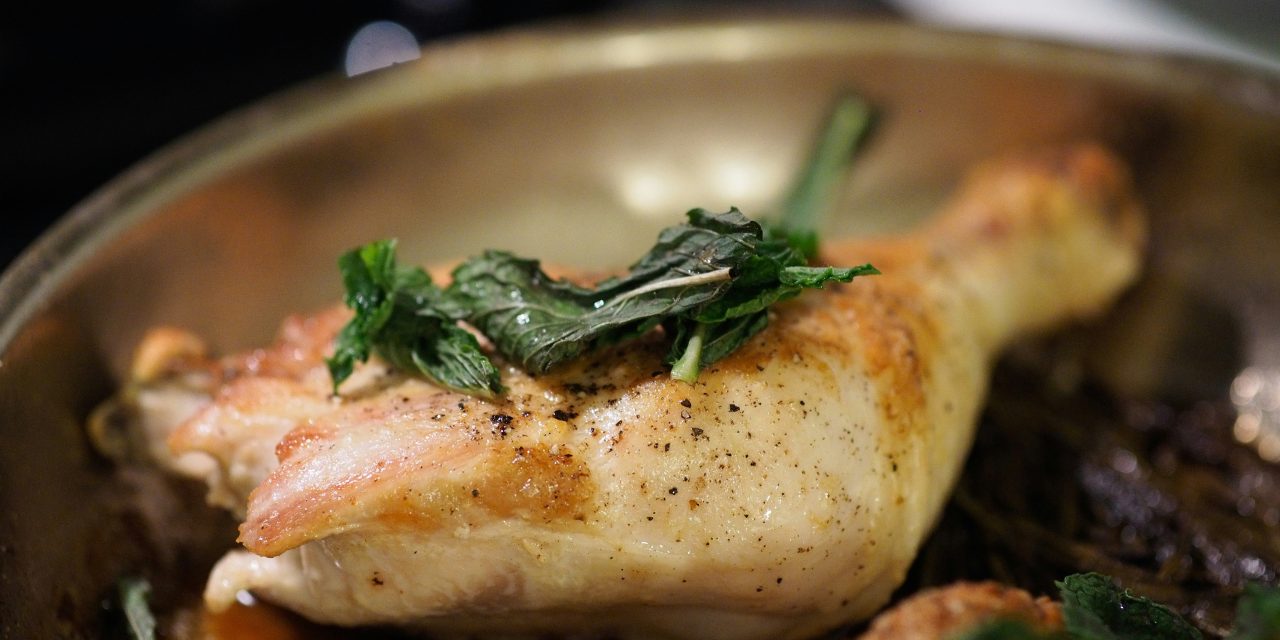
When it comes to achieving the ultimate crispy chicken experience, selecting the right cut is paramount. Bone-in, skin-on chicken thighs are often regarded as the gold standard for several reasons. Firstly, the bone contributes to a more succulent and flavorful meat, as it retains moisture during the cooking process. The skin, when properly prepared, becomes a crispy layer that adds texture and richness to each bite. This combination not only enhances the overall taste but also provides a satisfying contrast between the tender meat and the crunchy exterior.
Moreover, chicken thighs are generally more forgiving than their breast counterparts when it comes to cooking times and temperatures. Their higher fat content ensures that they remain juicy even if slightly overcooked. This makes them an ideal choice for both novice cooks and seasoned chefs alike. When selecting your chicken thighs, look for those that are plump and have a vibrant color, indicating freshness. The skin should be intact and free from blemishes, ensuring that you achieve that coveted crispy finish.
If you’re looking to elevate your culinary skills, mastering the art of making crispy baked chicken thighs is a fantastic place to start. For a delightful addition to your home, you might also be interested in how to care for indoor plants that can brighten your space while you enjoy your delicious meal. Check out this related article on easy-care indoor house plants at Top 10 Easy Care Indoor House Plants to Brighten Your Home.
Pat the Skin Dry for Maximum Crispiness
Achieving that perfect crispy skin on chicken thighs begins with proper preparation. One of the most crucial steps is to pat the skin dry using paper towels. Moisture is the enemy of crispiness; any water left on the surface will steam the skin rather than allow it to crisp up in the oven. By thoroughly drying the skin, you create an optimal environment for browning and crisping during cooking.
In addition to drying, consider letting the chicken sit uncovered in the refrigerator for a few hours or overnight before cooking. This technique allows the skin to dry out further, enhancing its ability to crisp up beautifully in the oven. The combination of these methods will yield a delightful crunch that elevates your dish from ordinary to extraordinary.
Season Generously with Salt and Your Favorite Spices

Seasoning is an essential component of any successful chicken dish, particularly when it comes to bone-in, skin-on thighs. Generously salting the skin not only enhances flavor but also helps draw out moisture, contributing to that desired crispiness. A good rule of thumb is to use about one teaspoon of kosher salt per pound of chicken. This ensures that every bite is well-seasoned without being overly salty.
In addition to salt, feel free to experiment with a variety of spices and herbs that complement your palate. Popular choices include garlic powder, onion powder, smoked paprika, and black pepper. For those who enjoy a bit of heat, cayenne pepper or chili powder can add an exciting kick. Consider creating a spice blend tailored to your preferences, allowing you to customize each batch of chicken thighs to suit different occasions or moods.
Use Baking Powder to Enhance Skin Texture

For those seeking an extra level of crispiness, incorporating baking powder into your seasoning mix can work wonders. Baking powder contains sodium bicarbonate, which raises the pH level of the skin and promotes browning during cooking. This chemical reaction results in an even crispier texture that is hard to resist.
To use baking powder effectively, combine it with your chosen spices and salt before applying it to the chicken skin. A ratio of about one teaspoon of baking powder per pound of chicken is typically sufficient. Be cautious not to overdo it; too much baking powder can impart an undesirable taste. This simple addition can elevate your chicken thighs from delicious to downright addictive.
If you’re looking to elevate your culinary skills, you might want to explore a related article that offers insights into preparing delicious meals. For instance, learning how to make crispy baked chicken thighs can be a game changer in your kitchen. To complement your cooking journey, check out this informative piece on cat care tips that can help you create a harmonious home environment while you enjoy your tasty dishes.
Preheat Your Oven to the Perfect Temperature
The temperature at which you bake your chicken thighs plays a significant role in achieving optimal results. Preheating your oven to 425°F (220°C) is often recommended for bone-in, skin-on chicken thighs. This high temperature allows for rapid cooking while promoting browning and crisping of the skin.
Using an oven thermometer can help ensure accuracy, as many home ovens can be off by several degrees. Once preheated, place your seasoned chicken thighs in the oven and resist the urge to open the door frequently; doing so can disrupt the cooking process and lead to uneven results. Maintaining a consistent temperature is key to achieving that perfect balance of crispy skin and juicy meat.
If you’re looking to enhance your culinary skills, you might find it helpful to explore a related article on pet grooming basics that every owner should know. While it may seem unrelated, mastering the art of cooking, like making crispy baked chicken thighs, can be just as rewarding as caring for your furry friends. For more insights, check out this informative piece on pet grooming that can help you become a well-rounded home chef and pet owner.
Bake on a Wire Rack for Even Heat Circulation
To further enhance the cooking process, consider using a wire rack placed on top of a baking sheet when baking your chicken thighs. This setup allows hot air to circulate around the chicken, promoting even cooking and preventing any moisture from accumulating underneath. As a result, you’ll achieve a uniformly crispy exterior without any soggy spots.
Additionally, using a wire rack elevates the chicken above any rendered fat that drips during cooking. This not only contributes to a healthier dish but also prevents the skin from becoming greasy or oily. The combination of even heat circulation and reduced moisture will yield perfectly cooked chicken thighs every time.
Avoid Overcrowding the Baking Sheet
When preparing multiple chicken thighs, it’s essential to avoid overcrowding the baking sheet. Placing too many pieces too close together can trap steam and moisture, leading to less-than-ideal crispiness. Instead, arrange the thighs in a single layer with ample space between each piece, allowing hot air to circulate freely.
If you find that you have more chicken than can fit comfortably on one baking sheet, consider using two sheets or cooking in batches. This may require additional time but will ultimately result in better texture and flavor for each piece of chicken.
Flip the Thighs Halfway Through Baking
To ensure even cooking and browning on both sides of your chicken thighs, flipping them halfway through the baking process is highly recommended. This simple step allows both sides to benefit from direct heat exposure, resulting in a more uniform crispiness.
Using tongs or a spatula, carefully turn each thigh over after about 25 minutes of baking time if you’re cooking at 425°F (220°C). This technique not only promotes even browning but also helps prevent any sticking that may occur if left undisturbed for too long.
Let the Chicken Rest Before Serving
Once your chicken thighs have reached their desired level of crispiness and are fully cooked (an internal temperature of 165°F or 74°C), it’s crucial to let them rest before serving. Allowing the meat to rest for about 5-10 minutes enables juices to redistribute throughout the meat, resulting in a more tender and flavorful bite.
During this resting period, cover the chicken loosely with aluminum foil to keep it warm without trapping steam, which could compromise that coveted crispiness. This step is essential for achieving optimal texture and flavor in your finished dish.
Experiment with Different Marinades and Rubs
While seasoning with salt and spices is fundamental, don’t hesitate to explore various marinades and rubs that can elevate your chicken thighs even further. Marinades typically consist of an acid (such as vinegar or citrus juice), oil, and seasonings that infuse flavor into the meat while also tenderizing it.
Consider marinating your chicken thighs for at least 30 minutes or up to overnight for maximum flavor absorption. Popular marinade options include teriyaki sauce, lemon herb mixtures, or spicy yogurt blends. Alternatively, dry rubs made from spices like cumin, coriander, or brown sugar can create a delightful crust when baked.
Serve with Complementary Crispy Sides for a Complete Meal
To create a well-rounded meal that complements your crispy chicken thighs, consider pairing them with sides that offer contrasting textures and flavors. Crispy roasted vegetables such as Brussels sprouts or sweet potatoes can provide a delightful crunch alongside your main dish.
Additionally, consider serving your chicken with a fresh salad featuring crunchy greens or slaw for added freshness and balance. For those who enjoy starches, crispy potato wedges or homemade fries can round out your meal beautifully while maintaining that satisfying crunch theme.
In summary, achieving perfectly crispy bone-in, skin-on chicken thighs involves careful selection of ingredients and attention to detail throughout the cooking process. From choosing quality cuts of meat to employing techniques like drying the skin and using baking powder, each step contributes significantly to the final result. By following these guidelines and experimenting with flavors and sides, you can create an unforgettable dining experience that showcases this beloved poultry cut at its finest.
FAQ Section:
1. **What is the best way to store leftover cooked chicken thighs?**
– Store leftover cooked chicken thighs in an airtight container in the refrigerator for up to four days. For longer storage, consider freezing them in freezer-safe bags for up to three months.
2. **Can I use boneless chicken thighs instead?**
– Yes! Boneless chicken thighs can be used; however, they may cook faster than bone-in varieties. Adjust cooking times accordingly and monitor internal temperatures closely.
3. **What should I do if my chicken skin isn’t crispy?**
– If your chicken skin isn’t crispy after baking, consider increasing the oven temperature slightly or broiling for a few minutes at the end of cooking while keeping a close eye on it.
4. **Is it necessary to marinate chicken thighs?**
– While marinating is not necessary for delicious results, it can enhance flavor and tenderness significantly if time permits.
5. **How do I know when my chicken thighs are fully cooked?**
– Use an instant-read thermometer inserted into the thickest part of the thigh; it should read 165°F (74°C) for safe consumption.
6. **Can I grill bone-in chicken thighs instead?**
– Absolutely! Grilling bone-in chicken thighs can yield fantastic results; just be sure to monitor heat levels closely to avoid flare-ups.
7. **What are some good spice combinations for seasoning?**
– Popular combinations include garlic powder with paprika and thyme or cumin with chili powder for a southwestern flair.
8. **How long should I let my chicken rest after cooking?**
– Allowing your chicken thighs to rest for 5-10 minutes before serving helps retain moisture and enhances flavor.
9. **Can I use aluminum foil while baking?**
– Yes! You can cover your chicken loosely with aluminum foil during baking if you want to prevent excessive browning; just remove it during the last few minutes for crispiness.
10. **What are some complementary side dishes?**
– Consider serving crispy roasted vegetables like Brussels sprouts or sweet potatoes alongside fresh salads or crunchy potato wedges for a complete meal experience.
In conclusion, mastering crispy bone-in, skin-on chicken thighs requires attention to detail at every stage—from selection through preparation and cooking techniques—resulting in a dish that is both flavorful and satisfying. By following these guidelines and exploring various flavors and sides, you can create an impressive meal that delights both family and guests alike.
FAQs
What temperature should I bake chicken thighs for crispy skin?
For crispy skin on baked chicken thighs, it is recommended to bake them at a temperature of 425°F (220°C). This higher temperature helps render the fat and achieve a golden, crispy exterior.
How long should I bake chicken thighs to ensure they are fully cooked?
Chicken thighs typically need to be baked for about 35 to 45 minutes at 425°F (220°C). To ensure they are fully cooked, the internal temperature should reach 165°F (74°C) when measured with a meat thermometer.
Should I marinate chicken thighs before baking them?
Marinating chicken thighs before baking can enhance their flavor and tenderness. A marinade can include ingredients like olive oil, vinegar, herbs, and spices. Allowing the chicken to marinate for at least 30 minutes or up to overnight can yield better results.
Do I need to flip the chicken thighs while baking?
Flipping chicken thighs while baking is not necessary. Keeping them skin-side up allows the skin to crisp up nicely. However, if you prefer even cooking, you can flip them halfway through the baking time.
What can I do to make sure the chicken skin gets extra crispy?
To achieve extra crispy chicken skin, pat the chicken thighs dry with paper towels before seasoning. Additionally, using a wire rack on a baking sheet allows air to circulate around the chicken, promoting crispiness. Applying a light coating of oil or butter can also help enhance the crispiness.