Proper meal prep storage is a cornerstone of maintaining food safety, nutritional integrity, and flavor retention. When meals are prepared in advance, they offer convenience and can significantly reduce food waste. However, improper storage can lead to spoilage, nutrient degradation, and even foodborne illnesses. Understanding the science behind food preservation is essential for anyone looking to optimize their meal prep routine.
The significance of proper storage extends beyond mere convenience; it also plays a crucial role in maintaining the quality of ingredients. For instance, certain foods are sensitive to temperature fluctuations and exposure to air, which can lead to oxidation and spoilage. By employing effective storage techniques, individuals can ensure that their meals remain fresh and safe for consumption throughout the week.
When it comes to meal prepping for the week, ensuring that your meals are stored safely for up to five days is crucial for both flavor and food safety. For tips on how to properly store your meal prep, you might find this article on Greek yogurt breakfast bowls particularly helpful. It provides insights into meal prep techniques that can help you maintain freshness and taste throughout the week. Check it out here: 5-Minute Greek Yogurt Breakfast Bowls.
Choosing the Right Containers for 5-Day Meal Prep
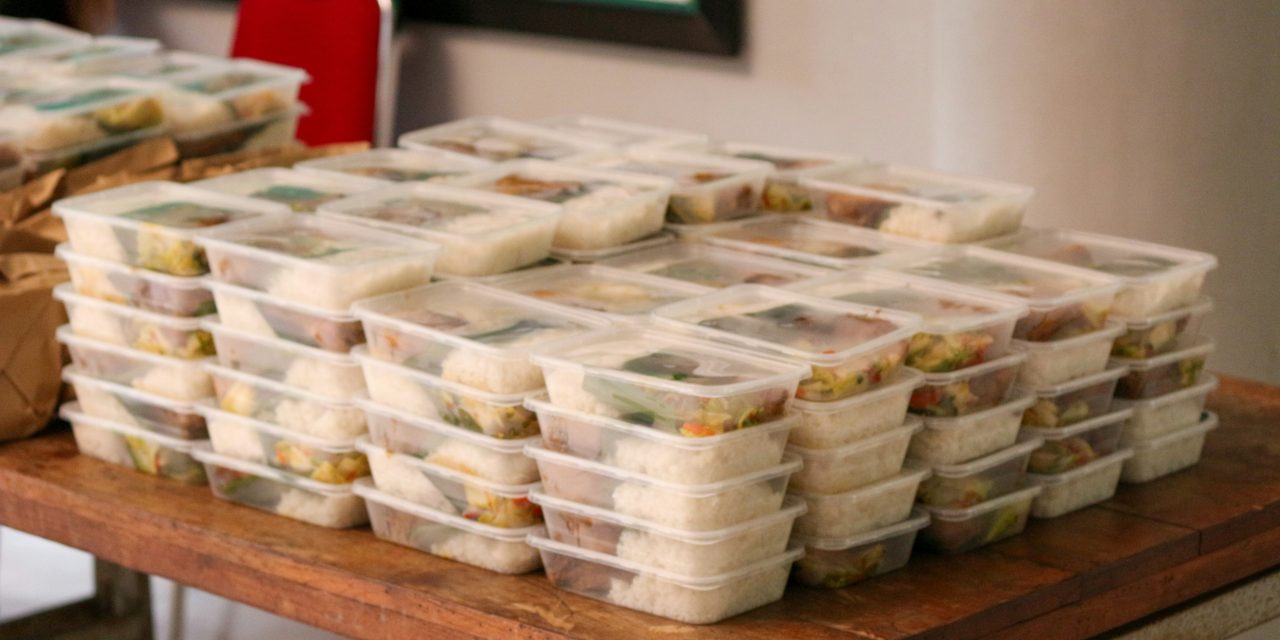
Selecting appropriate containers is vital for successful meal prep. The ideal containers should be made from materials that are non-toxic, durable, and capable of withstanding temperature changes. Glass containers are often favored due to their inert nature, which prevents leaching of harmful chemicals into food. Additionally, they are microwave-safe and dishwasher-friendly, making them convenient for reheating and cleaning.
Plastic containers can also be suitable, provided they are BPA-free and designed for food storage. Look for airtight seals to prevent moisture loss and contamination. It is advisable to choose a variety of sizes to accommodate different meal types, from salads to stews. Investing in high-quality containers not only enhances food safety but also contributes to a more organized meal prep system.
Optimal Portioning Techniques for Freshness

Portioning meals correctly is essential for maintaining freshness and ensuring balanced nutrition. The use of portion control can help individuals manage their caloric intake while also preventing food waste. A general guideline is to divide meals into single-serving sizes, which allows for easy access and reduces the temptation to consume larger portions.
Utilizing measuring cups or a kitchen scale can aid in achieving accurate portion sizes. For example, a standard serving of protein is typically around 3-4 ounces, while carbohydrates should comprise about 1/2 cup per serving. Incorporating a variety of food groups in each portion not only enhances nutritional value but also keeps meals interesting throughout the week.
Best Practices for Cooling Meals Before Storage

Cooling meals before storage is a critical step in preventing bacterial growth and ensuring food safety. The USDA recommends that cooked foods should be cooled from 140°F to 70°F within two hours and then from 70°F to 40°F within an additional four hours. This rapid cooling process minimizes the time food spends in the “danger zone,” where bacteria thrive.
To expedite cooling, consider dividing large batches into smaller portions or using shallow containers that allow heat to dissipate more quickly. Placing hot dishes in an ice bath or using a fan can also facilitate faster cooling. Once cooled, meals should be promptly transferred to the refrigerator or freezer to maintain optimal freshness.
When it comes to meal prepping for the week, ensuring that your food stays fresh and safe to eat is crucial. Proper storage techniques can help maintain the quality of your meals for up to five days. For additional tips on keeping your food safe, you might find this article on how to groom a Maine Coon surprisingly relevant, as it emphasizes the importance of maintaining a clean environment, which can also apply to your meal prep practices. By following best practices for food storage, you can enjoy your deliciously prepared meals without worry.
Labeling and Dating Your Meal Prep Containers
Labeling and dating meal prep containers is an often-overlooked practice that can significantly enhance food safety and organization. By clearly marking each container with the contents and preparation date, individuals can easily track freshness and avoid consuming spoiled food. This practice is particularly important when preparing multiple meals at once.
Using waterproof markers or labels ensures that information remains legible even after refrigeration or freezing. It is advisable to consume refrigerated meals within three to five days and frozen meals within three months for optimal quality. This simple yet effective strategy can help prevent food waste and promote healthier eating habits.
Ideal Refrigerator Settings to Preserve Flavor
Maintaining the correct refrigerator settings is crucial for preserving the flavor and quality of stored meals. The ideal temperature for a refrigerator is between 32°F and 40°F (0°C to 4°C). Keeping the temperature within this range inhibits bacterial growth while ensuring that food remains fresh.
Regularly checking the temperature with an appliance thermometer can help ensure that your refrigerator operates efficiently. Additionally, avoid overcrowding shelves, as this can impede airflow and lead to uneven cooling. Proper organization within the refrigerator allows for optimal preservation of flavors and textures in meal prep containers.
Deciding whether to freeze or refrigerate prepared meals depends on several factors, including the type of food, intended consumption timeframe, and personal preferences. Refrigeration is suitable for meals intended for consumption within a few days, while freezing is ideal for longer-term storage.
Certain foods freeze better than others; for instance, soups, stews, and casseroles typically retain their quality when frozen. Conversely, foods with high water content, such as salads or fruits with high moisture levels, may suffer from texture changes upon thawing. When freezing meals, ensure they are stored in airtight containers or freezer bags to prevent freezer burn and maintain flavor integrity.
Reheating Tips to Maintain Taste and Texture
Reheating meals properly is essential for preserving taste and texture while ensuring food safety. The USDA recommends reheating leftovers to an internal temperature of at least 165°F (74°C) to eliminate any potential bacteria. Using a food thermometer can help achieve this goal accurately.
Microwaving is a common reheating method; however, it can lead to uneven heating if not done correctly. To promote even reheating, stir meals halfway through the process and cover containers with a microwave-safe lid or wrap. Alternatively, using an oven or stovetop can help maintain texture, particularly for dishes like casseroles or roasted vegetables.
Common Food Safety Mistakes to Avoid
Food safety is paramount when it comes to meal prep storage. Several common mistakes can compromise food quality and safety. One prevalent error is neglecting proper cooling techniques before storing cooked meals, which can lead to bacterial growth.
Another mistake involves failing to adhere to the “first in, first out” principle when consuming stored meals. This practice ensures that older items are consumed before newer ones, reducing the risk of spoilage. Additionally, using unclean utensils or containers can introduce harmful pathogens into prepared meals. Maintaining cleanliness throughout the meal prep process is essential for ensuring food safety.
Incorporating Fresh Ingredients for Lasting Flavor
Incorporating fresh ingredients into meal prep not only enhances flavor but also boosts nutritional value. Fresh herbs, spices, and seasonal vegetables can elevate even the simplest dishes, making them more enjoyable throughout the week. For instance, adding fresh basil or cilantro just before serving can impart vibrant flavors that dried herbs cannot replicate.
When selecting fresh ingredients, prioritize seasonal produce as it tends to be more flavorful and nutrient-dense. Additionally, consider incorporating a variety of colors on your plate; this not only makes meals visually appealing but also ensures a diverse range of nutrients.
Weekly Meal Prep Rotation for Maximum Variety and Freshness
Implementing a weekly meal prep rotation can significantly enhance variety while ensuring freshness in your diet. By planning different meals each week, individuals can avoid monotony and explore new flavors and cuisines. This approach encourages creativity in the kitchen while promoting balanced nutrition.
To establish a successful rotation system, consider themes for each week—such as vegetarian week or international cuisine week—to keep things exciting. Additionally, incorporating leftovers creatively into new dishes can minimize waste while maximizing flavor diversity.
In summary, proper meal prep storage is essential for maintaining food safety, flavor integrity, and nutritional value. By choosing appropriate containers, employing optimal portioning techniques, cooling meals effectively before storage, labeling containers accurately, maintaining ideal refrigerator settings, understanding when to freeze versus refrigerate meals, reheating properly, avoiding common food safety mistakes, incorporating fresh ingredients, and establishing a weekly meal prep rotation, individuals can enjoy delicious and safe meals throughout the week while minimizing waste and maximizing variety in their diets.
FAQs
What is the best way to store meal prep for five days?
The best way to store meal prep for five days is to use airtight containers made of glass or BPA-free plastic. Ensure that the containers are clean and dry before filling them with your prepared meals. Label each container with the date of preparation to keep track of freshness.
How should I cool my meal prep before storing it?
Before storing your meal prep, allow it to cool to room temperature for no more than two hours. To speed up the cooling process, you can divide large portions into smaller containers. Avoid leaving food out for extended periods to prevent bacterial growth.
What is the ideal refrigerator temperature for storing meal prep?
The ideal refrigerator temperature for storing meal prep is at or below 40°F (4°C). This temperature helps to slow down bacterial growth and keeps your meals safe for consumption throughout the week.
Can I freeze meal prep for longer storage?
Yes, you can freeze meal prep for longer storage. Most cooked meals can be frozen for up to three months. Make sure to use freezer-safe containers or bags, and label them with the date and contents. Thaw frozen meals in the refrigerator before reheating.
How can I safely reheat my meal prep?
To safely reheat your meal prep, use a microwave, oven, or stovetop. Ensure that the food reaches an internal temperature of 165°F (74°C) to kill any potential bacteria. Stir or rotate the food during reheating for even heating, and avoid reheating multiple times to maintain quality and safety.