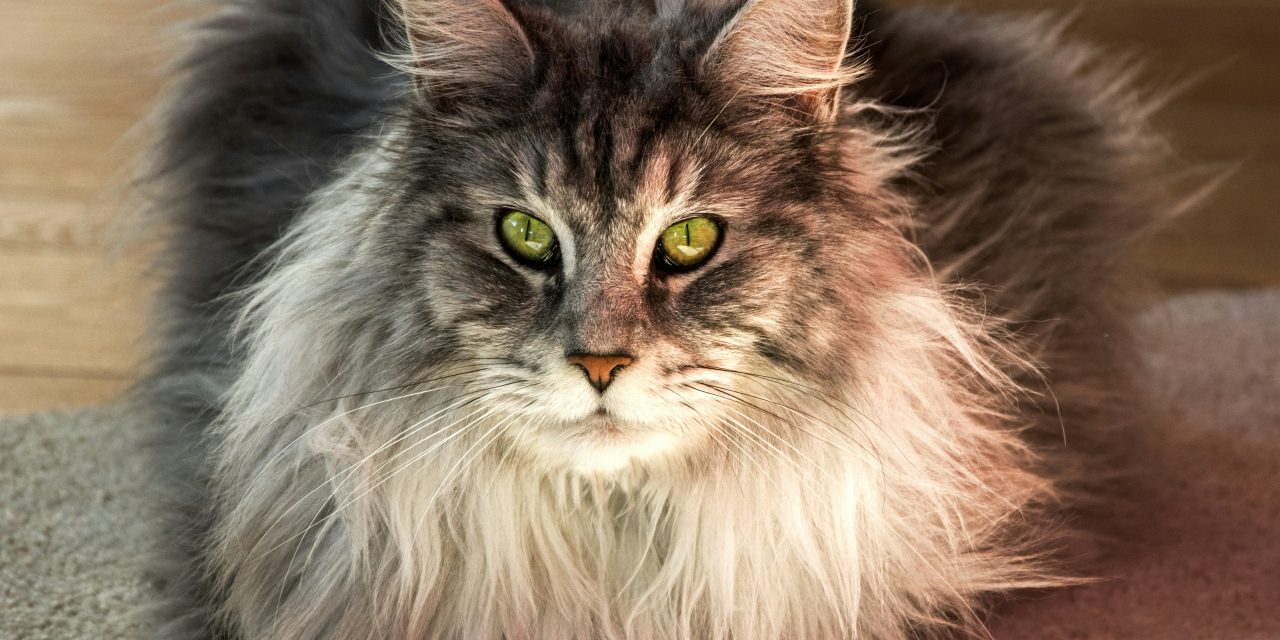
The Maine Coon cat is renowned for its majestic appearance, characterized by a long, flowing coat that is both luxurious and functional. This breed’s fur is semi-long and water-repellent, which serves as an adaptation to the harsh climates of its native New England. The coat consists of two layers: a soft undercoat that provides insulation and a longer, coarser outer coat that protects against moisture and environmental elements. The fur is particularly dense around the neck, resembling a lion’s mane, which adds to the breed’s regal appearance.
Maine Coons exhibit a variety of coat colors and patterns, including tabby, solid, and bi-color. Their fur can range from silky to shaggy, depending on individual genetics. This diversity in coat texture and color not only enhances their aesthetic appeal but also requires specific grooming techniques to maintain its health and beauty. Understanding the unique characteristics of a Maine Coon’s coat is essential for any owner looking to provide optimal care for their feline companion.
Essential Grooming Tools for Maine Coon Cats
To effectively groom a Maine Coon, it is crucial to have the right tools at your disposal. Essential grooming tools include a slicker brush, a wide-toothed comb, and a de-shedding tool. The slicker brush is designed to remove loose hair and debris while preventing mats from forming in the dense undercoat. A wide-toothed comb is ideal for detangling any knots without causing discomfort to the cat. Additionally, a de-shedding tool can help manage excessive shedding, particularly during seasonal changes.
Other useful tools include nail clippers specifically designed for cats, ear cleaning solution, and cotton balls or pads for ear cleaning. A grooming glove can also be beneficial for removing loose fur while providing a gentle massage to your Maine Coon. Having these tools readily available will streamline the grooming process and ensure that your cat remains comfortable throughout.
Establishing a Regular Grooming Routine

Creating a consistent grooming routine is vital for maintaining the health of your Maine Coon’s coat. Ideally, grooming should occur at least once a week; however, during shedding seasons or if your cat has a particularly thick coat, more frequent sessions may be necessary. Establishing a routine not only helps prevent matting but also allows you to monitor your cat’s skin condition and overall health.
To begin, choose a quiet space where your Maine Coon feels comfortable and secure. Start with short grooming sessions to acclimate your cat to the process. Gradually increase the duration as your cat becomes more accustomed to being groomed. Incorporating positive reinforcement, such as treats or praise, can help create a positive association with grooming sessions.
Brushing Techniques to Prevent Mats and Tangles

Brushing techniques play a crucial role in preventing mats and tangles in a Maine Coon’s coat. Begin by using a slicker brush to gently work through the fur, starting at the head and moving towards the tail. Pay special attention to areas prone to matting, such as behind the ears, under the legs, and around the collar area. Use short strokes and be mindful of any knots; if you encounter a tangle, use your fingers to gently separate the hair before brushing it out.
For particularly stubborn mats, consider using a wide-toothed comb to carefully detangle the fur. Always brush in the direction of hair growth to minimize discomfort for your cat. If you encounter severe matting that cannot be resolved with brushing, it may be necessary to consult a professional groomer for assistance.
Bathing Your Maine Coon Safely and Effectively
Bathing a Maine Coon can be an intimidating task for both the owner and the cat; however, it is sometimes necessary to maintain coat health or address specific skin issues. When preparing for a bath, gather all necessary supplies beforehand, including cat shampoo formulated for sensitive skin, towels, and a non-slip mat for the tub or sink.
Begin by thoroughly brushing your cat to remove any loose fur or mats before introducing water. Use lukewarm water and wet your cat gradually, avoiding the head initially to reduce stress. Apply a small amount of shampoo and lather gently, ensuring that you rinse thoroughly to remove all soap residue. After bathing, wrap your Maine Coon in a towel to absorb excess water before allowing it to air dry in a warm environment.
Managing Shedding and Seasonal Coat Changes
Maine Coons are known for their impressive coats; however, they also experience seasonal shedding that can lead to an abundance of loose fur around the home. To manage shedding effectively, regular grooming is essential. During peak shedding seasons—typically spring and fall—increase grooming frequency to at least two to three times per week.
In addition to brushing, consider incorporating dietary supplements such as omega-3 fatty acids into your Maine Coon’s diet. These supplements can promote healthy skin and coat while reducing excessive shedding. Providing plenty of fresh water and maintaining a balanced diet rich in protein will also contribute to overall coat health.
Trimming Nails and Cleaning Ears During Grooming
Incorporating nail trimming and ear cleaning into your grooming routine is essential for maintaining your Maine Coon’s overall health. Regular nail trimming prevents overgrowth and reduces the risk of injury or discomfort while walking. Use specialized cat nail clippers and trim only the sharp tip of each claw, avoiding the quick—the pink area within the nail that contains blood vessels.
Ear cleaning is equally important as Maine Coons are prone to earwax buildup and infections. Use an ear cleaning solution recommended by your veterinarian and apply it gently into each ear canal. Massage the base of the ear to distribute the solution before allowing your cat to shake its head. Follow up by wiping away any excess wax with a cotton ball or pad.
Checking for Skin Issues and Parasites
During grooming sessions, it is crucial to monitor your Maine Coon’s skin condition for any signs of irritation or parasites. Look for redness, swelling, or unusual bumps that may indicate skin allergies or infections. Additionally, check for fleas or ticks by running your fingers through the fur and examining the skin closely.
If you notice any abnormalities or suspect parasite infestations, consult your veterinarian promptly for appropriate treatment options. Regular grooming not only helps maintain coat health but also serves as an opportunity to identify potential health issues early on.
Maintaining a Healthy Diet for a Lustrous Coat
A well-balanced diet plays an integral role in promoting a healthy coat for your Maine Coon. High-quality cat food rich in protein is essential for maintaining skin health and promoting hair growth. Look for formulas that contain omega fatty acids, vitamins A and E, and other essential nutrients that contribute to coat luster.
Consider consulting with your veterinarian regarding dietary supplements that may enhance coat quality further. Regular feeding schedules and access to fresh water are also vital components of maintaining overall health in your feline companion.
When to Seek Professional Grooming Assistance
While many owners can manage basic grooming tasks at home, there are instances when seeking professional assistance is advisable. If your Maine Coon has severe matting that cannot be resolved through regular brushing or if you are uncomfortable performing certain grooming tasks such as bathing or nail trimming, consider visiting a professional groomer.
Professional groomers possess specialized knowledge and tools that can effectively address complex grooming needs while ensuring your cat’s comfort and safety. Additionally, they can provide valuable insights into maintaining your Maine Coon’s coat between appointments.
Tips for Making Grooming a Stress-Free Experience
To ensure that grooming sessions are enjoyable rather than stressful for both you and your Maine Coon, consider implementing several strategies. Begin by creating a calm environment free from distractions; this will help your cat feel secure during grooming sessions. Use gentle handling techniques and speak softly to reassure your pet throughout the process.
Incorporating treats or toys can also serve as positive reinforcement during grooming sessions. Gradually introduce new tools or techniques over time to prevent overwhelming your cat with unfamiliar experiences all at once. Lastly, always pay attention to your cat’s body language; if it shows signs of distress or discomfort, take breaks as needed.
In summary, grooming a Maine Coon requires understanding its unique coat characteristics and employing appropriate techniques tailored to its needs. Regular grooming routines utilizing essential tools can prevent mats and tangles while promoting overall health. Bathing should be approached with care, while managing shedding through diet and frequent brushing is crucial during seasonal changes. Nail trimming and ear cleaning are integral parts of grooming that contribute to overall well-being. By fostering a stress-free environment during grooming sessions and knowing when to seek professional help, owners can ensure their Maine Coons remain healthy and beautiful companions throughout their lives.
FAQs
What tools are essential for grooming a Maine Coon’s coat?
Essential tools for grooming a Maine Coon’s thick coat include a wide-toothed comb, a slicker brush, and a de-shedding tool. The wide-toothed comb helps to detangle any knots, while the slicker brush removes loose fur and prevents matting. The de-shedding tool is particularly useful during shedding seasons to manage excess fur.
How often should I groom my Maine Coon?
It is recommended to groom your Maine Coon at least once a week, but during shedding seasons, you may need to groom them more frequently, ideally every few days. Regular grooming helps to prevent matting and keeps their coat healthy and shiny.
What are the signs that my Maine Coon needs grooming?
Signs that your Maine Coon needs grooming include visible mats or tangles in their fur, excessive shedding, and a dull or greasy coat. Additionally, if you notice your cat frequently licking or biting at their fur, it may indicate discomfort due to matting or skin issues.
Can I bathe my Maine Coon, and how often should I do it?
Yes, you can bathe your Maine Coon, but it is generally not necessary unless they get particularly dirty or have a skin condition. If you choose to bathe them, doing so every few months is sufficient. Use a cat-specific shampoo and ensure you rinse thoroughly to avoid skin irritation.
What special considerations should I keep in mind for grooming a Maine Coon?
Maine Coons have a thick, water-repellent coat that requires special attention to prevent matting. Pay close attention to areas prone to tangles, such as behind the ears and under the legs. Additionally, be gentle during grooming sessions to avoid hurting your cat, and consider rewarding them with treats to create a positive grooming experience.