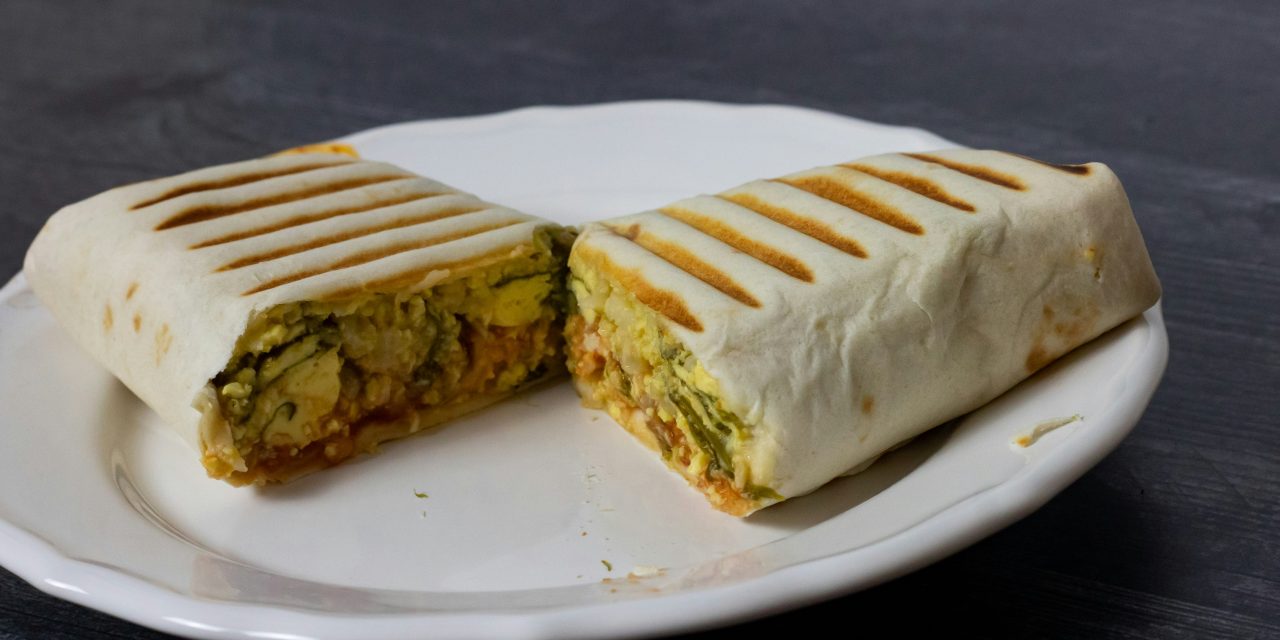
Soggy burritos are a culinary disappointment that can stem from various factors, primarily related to moisture retention and ingredient selection. When burritos are improperly prepared or stored, they can become a mushy mess, losing their appealing texture and flavor. The primary culprits behind sogginess include excess moisture from fillings, inadequate cooling before wrapping, and improper freezing techniques. Understanding these causes is essential for anyone looking to enjoy a delicious burrito that retains its integrity even after freezing.
One of the most significant contributors to sogginess is the moisture content of the ingredients used in the filling. Ingredients such as beans, tomatoes, and sauces can release water during storage, leading to a wet burrito. Additionally, if the burrito is wrapped while still warm, steam can accumulate inside the packaging, exacerbating the problem. To combat this issue, it is crucial to consider both the moisture levels of individual components and the overall assembly process.
If you’re looking to preserve the deliciousness of your homemade burritos without ending up with a soggy mess, you might find helpful tips in this article on freezing techniques. Proper wrapping and cooling methods can make all the difference in maintaining texture and flavor. For more insights on how to ensure your frozen meals stay fresh, check out this related article on top tips for freezing homemade burritos.
Choosing the Right Ingredients for Freezing
Selecting appropriate ingredients is vital for ensuring that burritos maintain their quality after freezing. Ingredients should be chosen not only for their flavor but also for their ability to withstand freezing without compromising texture. For instance, cooked meats like chicken or beef can freeze well, while fresh vegetables may lose their crispness and become mushy upon thawing. Opting for firmer vegetables such as bell peppers or corn can help maintain a desirable texture.
Moreover, it is essential to consider the moisture content of each ingredient. Ingredients with high water content, such as cucumbers or lettuce, should be avoided or used sparingly in burrito fillings intended for freezing. Instead, focus on drier ingredients like shredded cheese, cooked grains (such as rice or quinoa), and legumes that can provide substance without introducing excess moisture. By carefully selecting ingredients, you can create a filling that freezes well and retains its flavor and texture upon reheating.
Cooking Burrito Fillings to the Perfect Consistency

The cooking process plays a crucial role in achieving the ideal consistency for burrito fillings. Overcooking can lead to mushiness, while undercooking may result in a raw texture that is unappetizing. To strike the right balance, it is essential to cook each component of the filling to its optimal doneness before assembling the burrito. For example, beans should be tender but not overly soft, while meats should be cooked thoroughly without becoming dry.
In addition to cooking times, seasoning is also critical in enhancing the overall flavor profile of the burrito filling. Utilizing spices and herbs can elevate the taste while ensuring that each ingredient complements one another. A well-seasoned filling not only enhances flavor but also contributes to a more enjoyable eating experience once reheated. By focusing on both cooking techniques and seasoning, you can create a filling that is both delicious and suitable for freezing.
Cooling Burrito Fillings Before Wrapping

Cooling burrito fillings before wrapping is an often-overlooked step that can significantly impact the final product’s quality. When hot fillings are wrapped in tortillas, steam accumulates within the packaging, leading to condensation and ultimately sogginess. To prevent this issue, allow cooked fillings to cool to room temperature before assembly. This simple step can make a substantial difference in maintaining the burrito’s texture during freezing and reheating.
To expedite the cooling process, spread the filling out on a baking sheet or shallow dish. This increases surface area and allows heat to dissipate more quickly. Once cooled, you can proceed with wrapping the burritos without worrying about excess moisture compromising their integrity. Taking this precaution ensures that your frozen burritos will retain their delightful texture when it comes time to enjoy them.
If you’re looking to preserve the deliciousness of your homemade burritos without ending up with a soggy mess, it’s essential to follow some simple freezing techniques. One helpful resource that provides insights into maintaining food quality is an article on creating a weekly cleaning schedule for busy working parents. You can find it here. By organizing your meal prep and cleaning routines, you can ensure that your burritos are not only well-prepared but also stored properly for a quick and tasty meal later on.
Selecting the Best Tortilla Type for Freezing
The choice of tortilla is another critical factor in preventing soggy burritos during freezing and reheating. Flour tortillas are often favored for their pliability and ability to hold fillings without tearing; however, they may not always freeze as well as corn tortillas. Corn tortillas tend to have a firmer texture that can withstand freezing better than their flour counterparts.
When selecting tortillas for freezing, consider their thickness and moisture content. Thicker tortillas may provide better insulation against moisture but can also become chewy when reheated if not handled properly. Conversely, thinner tortillas may be more prone to tearing but can yield a lighter burrito overall. Ultimately, choosing a tortilla that complements your filling while considering its freezing properties will contribute to a successful burrito experience.
If you’re looking to preserve the deliciousness of your homemade burritos without ending up with a soggy mess, you might find it helpful to explore some tips on freezing techniques. A great resource for this is an article on making slow cooker BBQ pulled pork sandwiches, which discusses how to properly store and freeze meals to maintain their texture and flavor. You can read more about it in this informative article. Implementing similar strategies can ensure your burritos stay fresh and enjoyable when you’re ready to eat them.
Properly Wrapping Burritos to Prevent Moisture
Wrapping burritos correctly is essential for preventing moisture from seeping in and causing sogginess during storage. Start by placing the filling in the center of the tortilla, leaving enough space at the edges for folding. Fold in the sides first to create a seal, then roll from the bottom up to encase the filling securely. Ensuring that there are no gaps or openings will help keep moisture at bay.
Additionally, consider using parchment paper or wax paper as an initial layer before wrapping in plastic wrap or aluminum foil. This extra barrier can provide added protection against moisture while also making it easier to unwrap and reheat later on. Properly wrapped burritos will not only maintain their texture but also preserve their flavors during freezing.
Using Freezer-Safe Packaging Materials
The choice of packaging materials plays a significant role in maintaining the quality of frozen burritos. It is crucial to use freezer-safe materials that can withstand low temperatures without compromising integrity or introducing harmful chemicals into food. Plastic wrap designed for freezer use is an excellent option as it provides an airtight seal while preventing freezer burn.
Aluminum foil is another viable choice for wrapping burritos; however, it should be used in conjunction with plastic wrap for optimal protection against moisture loss and freezer burn. Vacuum-sealed bags are also highly effective for preserving food quality during freezing by removing excess air and preventing ice crystals from forming on the surface of the burrito.
Removing Air to Avoid Freezer Burn
Freezer burn occurs when food is exposed to air in the freezer, leading to dehydration and changes in texture and flavor. To avoid this undesirable outcome with your burritos, it is essential to remove as much air as possible from packaging before sealing. Vacuum sealing is one of the most effective methods for achieving this goal; however, if vacuum-sealing equipment is unavailable, manually squeezing out air from plastic bags before sealing can also be beneficial.
Another technique involves using straws to suck out excess air from bags before sealing them tightly. This method can help create a vacuum-like environment that minimizes exposure to air and reduces the risk of freezer burn significantly. By taking these precautions, you can ensure that your frozen burritos remain flavorful and enjoyable when reheated.
Labeling and Dating Your Burritos for Easy Rotation
Proper labeling and dating of frozen burritos are essential practices that facilitate easy rotation and consumption of stored food items. By clearly marking each package with the date of preparation and contents, you can easily track how long each burrito has been stored in the freezer. This practice helps prevent food waste by ensuring that older items are consumed first.
Using waterproof markers or labels designed for freezer use will ensure that your markings remain legible even when exposed to low temperatures. Additionally, consider organizing your freezer by grouping similar items together or placing older items at the front for easy access. Implementing these organizational strategies will streamline meal preparation while minimizing waste.
Thawing Burritos Correctly to Maintain Texture
Thawing frozen burritos correctly is crucial for preserving their texture and flavor upon reheating. The best method involves transferring them from the freezer to the refrigerator and allowing them to thaw overnight gradually. This slow thawing process helps maintain moisture levels within the burrito while preventing drastic temperature changes that could lead to sogginess.
If time constraints prevent overnight thawing, you can also use a microwave’s defrost setting; however, this method requires careful monitoring to avoid partially cooking the burrito edges while leaving other areas frozen. Once thawed adequately, proceed with reheating methods that will enhance texture rather than compromise it.
Reheating Tips to Keep Burritos Fresh and Crisp
Reheating frozen burritos requires attention to detail to ensure they remain fresh and crisp rather than soggy or rubbery. One effective method involves using an oven or toaster oven set at 350°F (175°C). Wrap each burrito in aluminum foil initially to retain moisture during heating; then remove the foil during the last few minutes of cooking to allow for crisping of the tortilla exterior.
Alternatively, pan-frying burritos in a skillet with a small amount of oil can yield excellent results by creating a crispy outer layer while warming the filling evenly inside. Regardless of your chosen reheating method, monitoring cooking times closely will help achieve optimal results without compromising quality.
In summary, preventing soggy burritos involves understanding ingredient selection, cooking techniques, cooling processes, proper wrapping methods, and effective packaging materials. By following these guidelines—along with proper thawing and reheating techniques—you can enjoy delicious frozen burritos that maintain their flavor and texture over time.
FAQs
What is the best way to prepare homemade burritos for freezing?
To prepare homemade burritos for freezing, ensure that all ingredients are cooked and cooled before assembly. Use a flour tortilla that is slightly warmed to make it more pliable. Fill the tortilla with your desired ingredients, leaving some space at the edges, then tightly roll it up, folding in the sides to prevent filling from escaping. Wrap each burrito in plastic wrap or aluminum foil to protect against freezer burn.
How can I prevent my burritos from getting soggy when thawed?
To prevent sogginess, avoid using overly wet ingredients such as fresh tomatoes or salsa inside the burrito. Instead, opt for drier fillings like cooked meats, beans, and cheese. Additionally, allow the burritos to cool completely before wrapping and freezing them, as excess moisture can lead to sogginess during thawing.
How long can I freeze homemade burritos?
Homemade burritos can be frozen for up to 3 months for optimal taste and texture. While they may still be safe to eat beyond this time, the quality may decline, leading to changes in flavor and texture.
What is the best method for reheating frozen burritos?
The best method for reheating frozen burritos is to first thaw them in the refrigerator overnight. Then, you can reheat them in the oven at 350°F (175°C) for about 20-25 minutes, or until heated through. Alternatively, you can microwave them on a microwave-safe plate, covered with a damp paper towel, for about 2-3 minutes, flipping halfway through.
Can I freeze burritos with guacamole or sour cream?
It is not recommended to freeze burritos with guacamole or sour cream, as these ingredients do not freeze well and can change in texture and flavor when thawed. Instead, consider adding these toppings fresh after reheating the burritos for the best taste and consistency.