Hydrangeas are a diverse genus of flowering plants, encompassing over 75 species and numerous cultivars, each exhibiting unique characteristics and blooming habits. The most commonly cultivated varieties include Hydrangea macrophylla (mophead and lacecap), Hydrangea paniculata (panicle), and Hydrangea arborescens (smooth). Each type has distinct flowering patterns, which can be influenced by factors such as climate, soil conditions, and pruning techniques.
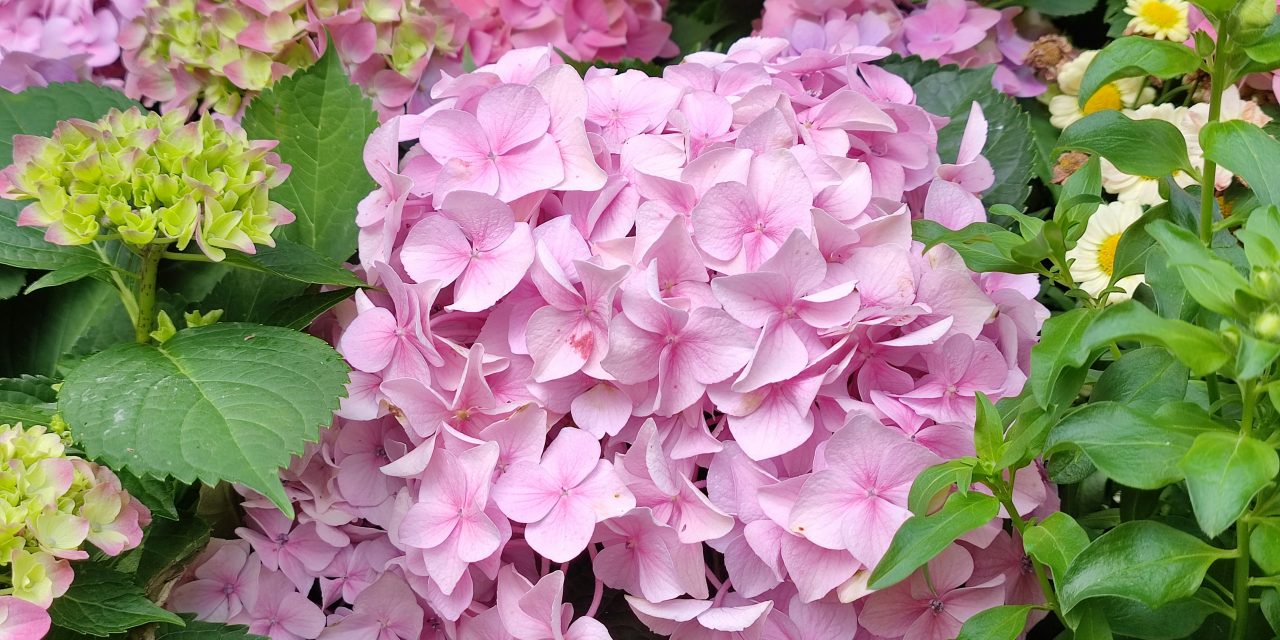
Mophead hydrangeas are renowned for their large, rounded flower clusters that can range in color from blue to pink, depending on soil pH. Lacecap hydrangeas, on the other hand, feature a flatter flower structure with a central cluster of small flowers surrounded by larger blooms. Panicle hydrangeas produce elongated flower spikes that bloom in white or pink hues, while smooth hydrangeas are characterized by their creamy white flowers that transition to green as they mature. Understanding these varieties is crucial for gardeners aiming to achieve optimal blooming results.
Why Proper Pruning Matters for Hydrangea Blooms
Pruning is an essential horticultural practice that significantly influences the health and aesthetics of hydrangeas. Proper pruning not only encourages vigorous growth but also enhances flowering potential. By removing dead or diseased wood, gardeners can promote better air circulation and reduce the risk of fungal infections. Additionally, strategic pruning can help shape the plant, ensuring it maintains a desirable form and size.
Moreover, different hydrangea varieties have specific pruning requirements based on their blooming habits. For instance, spring-blooming varieties typically flower on old wood, necessitating careful timing and technique to avoid cutting off next season’s blooms. Conversely, summer-blooming types produce flowers on new growth, allowing for more aggressive pruning without compromising flowering potential. Understanding these nuances is vital for achieving a vibrant display of blooms.
Identifying the Right Time to Prune Spring-Blooming Hydrangeas

Timing is critical when it comes to pruning spring-blooming hydrangeas, such as Hydrangea macrophylla. These plants typically produce flowers on last year’s growth, meaning that improper timing can lead to the loss of blooms for the upcoming season. The ideal window for pruning these varieties is late summer to early fall after the blooming period has concluded. This allows the plant to set buds for the following year while minimizing stress.
In regions with milder winters, some gardeners may choose to prune in early spring before new growth begins. However, this approach carries the risk of removing flower buds that have already formed. Therefore, it is essential to monitor local climate conditions and adjust pruning schedules accordingly. Observing the plant’s growth cycle will provide valuable insights into the optimal timing for pruning.
Best Pruning Practices for Summer-Blooming Hydrangeas

Summer-blooming hydrangeas, such as Hydrangea paniculata and Hydrangea arborescens, offer more flexibility when it comes to pruning. These varieties produce flowers on new wood, allowing gardeners to prune them in late winter or early spring without jeopardizing flowering potential. The primary goal during this pruning phase is to remove any dead or damaged stems while shaping the plant for optimal growth.
When pruning summer-blooming hydrangeas, it is advisable to cut back stems to a healthy bud or node, promoting bushier growth and larger blooms. Additionally, thinning out crowded branches can enhance air circulation and light penetration, leading to healthier plants overall. Regular maintenance throughout the growing season will ensure that these hydrangeas remain vibrant and full of life.
How to Prune Mophead and Lacecap Hydrangeas for Maximum Flowers
Mophead and lacecap hydrangeas require a delicate approach when it comes to pruning due to their unique blooming habits. For these varieties, the best time to prune is immediately after flowering has finished in late summer or early fall. This timing allows the plant to set buds for the next season while minimizing the risk of cutting off potential blooms.
When pruning mophead hydrangeas, focus on removing dead or weak stems while preserving healthy ones that have produced flowers. For lacecap varieties, it is essential to maintain the balance between old wood and new growth to ensure a continuous display of blooms. A light touch is key; excessive pruning can lead to reduced flowering in subsequent seasons.
Techniques for Pruning Panicle and Smooth Hydrangeas
Panicle and smooth hydrangeas are more forgiving when it comes to pruning techniques due to their growth patterns. These varieties can be pruned back significantly in late winter or early spring before new growth emerges. The primary objective is to encourage robust new growth that will support abundant flowering.
For panicle hydrangeas, cutting back stems by one-third to one-half can stimulate bushier growth and larger flower clusters. Smooth hydrangeas benefit from similar treatment; however, it is crucial to leave some healthy buds intact to ensure a vibrant display of blooms. Regularly removing spent flowers throughout the growing season can also promote further blooming.
Tools You’ll Need for Effective Hydrangea Pruning
Having the right tools is essential for effective hydrangea pruning. A pair of sharp bypass pruners is ideal for making clean cuts on stems up to half an inch thick. For thicker branches, loppers may be necessary to ensure a clean cut without damaging the plant. Additionally, a pruning saw can be useful for larger stems that require more force.
It is also advisable to have gloves on hand to protect your hands from thorns or sharp edges while working with hydrangeas. A pair of hand shears can be beneficial for deadheading spent blooms throughout the growing season. Keeping tools clean and well-maintained will ensure optimal performance and reduce the risk of transmitting diseases between plants.
Step-by-Step Guide to Pruning Hydrangeas Without Damaging Buds
Pruning hydrangeas requires a systematic approach to avoid damaging buds and compromising future blooms. Begin by assessing the plant’s overall health and identifying any dead or diseased wood that needs removal. Start at the base of the plant and work your way up, making clean cuts just above healthy buds or nodes.
Next, thin out crowded branches by selectively removing stems that cross over one another or are growing inward toward the center of the plant. This will improve air circulation and light penetration, promoting healthier growth overall. Finally, step back periodically to assess the shape of the plant and ensure that you are maintaining a balanced appearance.
Common Mistakes to Avoid When Pruning Hydrangeas
Several common mistakes can hinder the health and blooming potential of hydrangeas during pruning sessions. One prevalent error is pruning at the wrong time; cutting spring-blooming varieties too early can result in lost blooms for the following season. Conversely, delaying pruning on summer-blooming types can lead to overcrowding and reduced flowering.
Another mistake involves excessive pruning; while it may be tempting to cut back aggressively for a neater appearance, this can lead to diminished blooms in subsequent years. Additionally, failing to use clean tools can introduce pathogens into the plant, leading to disease issues down the line. Being mindful of these pitfalls will help ensure successful pruning outcomes.
Seasonal Tips: Adjusting Pruning Based on Climate and Region
Pruning practices should be tailored based on regional climate conditions and seasonal variations. In warmer climates, where winters are milder, gardeners may find that earlier pruning yields better results due to extended growing seasons. Conversely, in colder regions with harsh winters, waiting until late winter or early spring may be more beneficial.
Additionally, local rainfall patterns can influence pruning schedules; areas with heavy rainfall may require more frequent maintenance due to increased growth rates. Observing local flora and understanding regional climate trends will provide valuable insights into adjusting pruning practices effectively.
Aftercare: How to Support Hydrangeas Post-Pruning for Healthier Growth
Aftercare following pruning is crucial for supporting hydrangeas’ recovery and promoting healthy growth. Providing adequate water during dry spells will help reduce stress on the plants as they recover from pruning trauma. Applying a balanced fertilizer formulated for flowering shrubs can also encourage robust new growth and enhance blooming potential.
Mulching around the base of hydrangeas will help retain moisture in the soil while suppressing weeds that compete for nutrients. Regular monitoring for pests or diseases post-pruning will allow for timely intervention if issues arise. By implementing these aftercare strategies, gardeners can ensure their hydrangeas thrive in the seasons ahead.
In summary, understanding hydrangea varieties and their specific blooming habits is essential for successful gardening practices. Proper pruning techniques tailored to each variety’s needs will enhance flowering potential while promoting overall plant health. By following best practices and avoiding common mistakes, gardeners can enjoy vibrant displays of hydrangea blooms year after year.
FAQs
When is the best time to prune hydrangeas?
The best time to prune hydrangeas depends on the type of hydrangea you have. For most varieties, late winter or early spring, before new growth begins, is ideal. However, for those that bloom on old wood, such as bigleaf and oakleaf hydrangeas, pruning should be done immediately after flowering in late summer to avoid cutting off next year’s blooms.
How can I tell which type of hydrangea I have?
You can identify your hydrangea type by examining its flower structure and growth habit. Bigleaf hydrangeas (Hydrangea macrophylla) typically have large, round flower clusters, while panicle hydrangeas (Hydrangea paniculata) have cone-shaped blooms. Oakleaf hydrangeas (Hydrangea quercifolia) have distinctive oak-shaped leaves. Researching specific characteristics or consulting a local nursery can also help with identification.
What tools do I need for pruning hydrangeas?
To prune hydrangeas effectively, you will need sharp pruning shears or scissors for clean cuts, loppers for thicker branches, and possibly a saw for larger stems. It’s also helpful to have gloves to protect your hands and a tarp or bucket to collect the cuttings.
Should I fertilize hydrangeas after pruning?
Yes, fertilizing hydrangeas after pruning can promote healthy growth and blooming. Use a balanced, slow-release fertilizer in early spring, following the manufacturer’s instructions. This will provide the necessary nutrients as the plant begins its growing season.
What happens if I prune at the wrong time?
If you prune hydrangeas at the wrong time, you risk cutting off the flower buds that have already formed for the next season. This can lead to fewer blooms or no blooms at all. For example, pruning spring-blooming varieties in the fall or winter can significantly reduce their flowering potential.