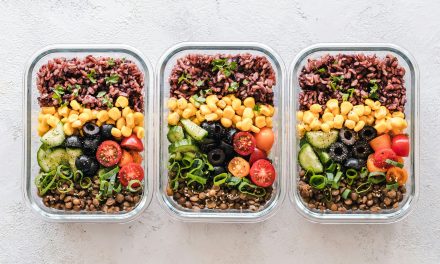
In recent years, the trend of dairy-free eating has gained significant traction, driven by a growing awareness of lactose intolerance, dairy allergies, and the potential health benefits associated with eliminating dairy from one’s diet. Meal prepping, a strategic approach to planning and preparing meals in advance, has emerged as an effective method for individuals seeking to adopt a dairy-free lifestyle. This practice not only saves time but also ensures that individuals have access to nutritious, wholesome meals that align with their dietary preferences.
Dairy-free meal prep involves selecting ingredients that are devoid of any dairy products, including milk, cheese, butter, and yogurt. By focusing on plant-based alternatives and nutrient-dense foods, individuals can create a diverse array of meals that are both satisfying and nourishing. This article will explore the myriad benefits of dairy-free eating, essential ingredients for meal prep, and provide a variety of delicious recipes that cater to breakfast, lunch, snacks, dinner, and dessert.
If you’re looking to enhance your dairy-free meal prep ideas for the week, you might find it helpful to explore how to preserve fresh ingredients effectively. For instance, freezing fruits can be a great way to ensure you have healthy snacks or smoothie additions on hand. Check out this informative article on how to freeze berries without them sticking together, which can be a useful technique to incorporate into your meal prep routine.
Benefits of Dairy-Free Eating for Health
Eliminating dairy from one’s diet can yield numerous health benefits. For individuals who are lactose intolerant, consuming dairy products can lead to gastrointestinal distress, including bloating, gas, and diarrhea. By adopting a dairy-free diet, these individuals can alleviate discomfort and improve their overall digestive health. Furthermore, research suggests that some people may experience reduced inflammation and improved skin conditions when they eliminate dairy from their diets.
In addition to addressing specific intolerances and allergies, a dairy-free diet can promote better heart health. Many dairy products are high in saturated fats, which can contribute to elevated cholesterol levels and increase the risk of cardiovascular disease. By replacing dairy with plant-based alternatives such as almond milk or coconut yogurt, individuals can lower their saturated fat intake while still enjoying creamy textures and flavors. Moreover, a diet rich in fruits, vegetables, whole grains, and legumes—common staples in dairy-free meal prep—can enhance overall nutrient intake and support weight management.
Essential Ingredients for Dairy-Free Meal Prep
When embarking on a dairy-free meal prep journey, it is crucial to stock your pantry with essential ingredients that will serve as the foundation for your meals. Here are some key components to consider:
1. **Plant-Based Milk Alternatives**: Almond milk, coconut milk, oat milk, and soy milk are excellent substitutes for cow’s milk. They can be used in smoothies, cereals, or baking.
2. **Nuts and Seeds**: Almonds, cashews, chia seeds, and flaxseeds provide healthy fats and protein. They can be incorporated into snacks or used to create creamy sauces.
3. **Legumes**: Beans, lentils, and chickpeas are rich in protein and fiber. They serve as versatile bases for salads, soups, and stews.
4. **Whole Grains**: Quinoa, brown rice, and oats are nutritious grains that can be used in various dishes. They provide energy and essential nutrients.
5. **Fruits and Vegetables**: Fresh produce is vital for a balanced diet. Incorporate a variety of colors to ensure a wide range of vitamins and minerals.
6. **Herbs and Spices**: Fresh herbs like basil and cilantro, along with spices such as turmeric and cumin, can elevate the flavor profile of your meals without the need for dairy.
By having these ingredients on hand, you will be well-equipped to create an array of delicious dairy-free meals that cater to your taste preferences.
Breakfast Idea: Overnight Chia Pudding with Coconut Milk
A delightful way to start your day is with overnight chia pudding made with creamy coconut milk. This dish is not only easy to prepare but also packed with nutrients. Chia seeds are an excellent source of omega-3 fatty acids, fiber, and protein. To make this breakfast treat:
1. Combine 1/4 cup of chia seeds with 1 cup of coconut milk in a jar or bowl.
2. Add a sweetener of your choice—such as maple syrup or agave nectar—and a splash of vanilla extract.
3. Stir well to ensure the chia seeds are evenly distributed.
4. Cover the mixture and refrigerate overnight.
In the morning, simply top your chia pudding with fresh fruits like berries or sliced bananas for added flavor and nutrition. This breakfast is not only satisfying but also provides sustained energy throughout the morning.
If you’re looking to simplify your weeknight dinners while maintaining a dairy-free diet, exploring various meal prep ideas can be incredibly helpful. For instance, you might find inspiration in a related article that discusses how to identify a wasp nest around your house, which can be a useful read if you’re planning outdoor meals. You can check it out here for tips that can keep your cooking space safe and enjoyable. With the right preparation, you can enjoy delicious and nutritious meals without the hassle.
Lunch Idea: Quinoa and Roasted Vegetable Salad
For lunch, consider preparing a quinoa and roasted vegetable salad that is both hearty and nutritious. Quinoa is a complete protein source that contains all nine essential amino acids, making it an ideal base for a filling meal. To create this salad:
1. Preheat your oven to 400°F (200°C). Chop vegetables such as bell peppers, zucchini, and carrots into bite-sized pieces.
2. Toss the vegetables in olive oil, salt, and pepper before spreading them on a baking sheet.
3. Roast the vegetables for 20-25 minutes until they are tender and slightly caramelized.
4. Meanwhile, cook 1 cup of quinoa according to package instructions.
5. Once cooked, combine the quinoa with the roasted vegetables in a large bowl.
6. Drizzle with lemon juice and sprinkle with fresh herbs like parsley or cilantro for added flavor.
This salad can be enjoyed warm or cold and makes for an excellent meal prep option as it stores well in the refrigerator for several days.
If you’re exploring ways to incorporate more plant-based options into your diet, you might find inspiration in our article on seasonal garden tasks that can enhance your meals. By growing your own vegetables and herbs, you can create delicious dairy-free meal prep ideas for the week that are not only nutritious but also fresh and flavorful. Embracing seasonal produce can elevate your cooking and make meal planning a delightful experience.
Snack Idea: Hummus and Veggie Sticks
For a quick and nutritious snack option, hummus paired with fresh vegetable sticks is an excellent choice. Hummus is made primarily from chickpeas and tahini (sesame seed paste), providing a rich source of protein and healthy fats. To prepare this snack:
1. In a food processor, blend 1 can of drained chickpeas with 1/4 cup of tahini, 2 tablespoons of olive oil, the juice of one lemon, garlic cloves (to taste), salt, and water until smooth.
2. Adjust the consistency by adding more water if necessary.
3. Serve the hummus alongside an assortment of vegetable sticks such as carrots, cucumbers, bell peppers, and celery.
This snack is not only delicious but also provides essential nutrients while keeping you satiated between meals.
Dinner Idea: Chickpea and Spinach Curry
For dinner, indulge in a flavorful chickpea and spinach curry that is both comforting and nourishing. This dish is rich in protein from chickpeas while spinach adds an abundance of vitamins A and K. To prepare this curry:
1. In a large skillet or pot over medium heat, sauté chopped onions in olive oil until translucent.
2. Add minced garlic and ginger along with spices such as cumin, coriander, turmeric, and garam masala.
3. Stir in 1 can of diced tomatoes (with juices) and 1 can of drained chickpeas.
4. Allow the mixture to simmer for about 10 minutes before adding fresh spinach until wilted.
5. Serve over brown rice or quinoa for a complete meal.
This dish is not only easy to prepare but also freezes well for future meals.
Dessert Idea: Dairy-Free Banana Ice Cream
For dessert lovers seeking a dairy-free option, banana ice cream is an indulgent yet healthy treat that requires minimal ingredients. This frozen dessert is naturally sweetened by ripe bananas while being completely free from dairy products. To make this delightful treat:
1. Peel ripe bananas and slice them into coins before freezing them for at least two hours.
2. Once frozen, place the banana slices in a food processor and blend until creamy.
3. For added flavor, consider mixing in cocoa powder or peanut butter during blending.
4. Serve immediately for a soft-serve texture or freeze again for a firmer consistency.
This dessert is not only simple but also provides essential nutrients without compromising on taste.
Tips for Storing and Reheating Dairy-Free Meals
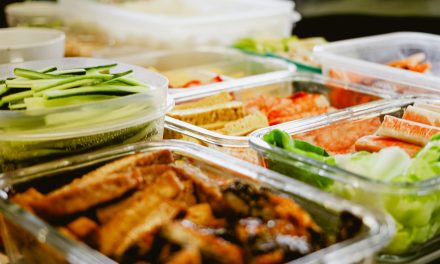
Proper storage techniques are essential for maintaining the quality of your dairy-free meals throughout the week. Here are some tips to ensure freshness:
1. **Use Airtight Containers**: Store prepared meals in airtight containers to prevent spoilage and maintain flavor.
2. **Label Your Meals**: Clearly label containers with the date prepared to keep track of freshness.
3. **Refrigerate Promptly**: Store meals in the refrigerator within two hours of cooking to minimize bacterial growth.
4. **Reheat Safely**: When reheating meals in the microwave or oven, ensure they reach an internal temperature of at least 165°F (74°C) to eliminate any potential pathogens.
5. **Freeze When Necessary**: If you have leftovers that won’t be consumed within a few days, consider freezing them for longer storage.
By following these guidelines, you can enjoy your dairy-free meals at their best quality throughout the week.
How to Customize Meal Prep for Your Dietary Needs
Customization is key when it comes to meal prep—especially for those with specific dietary needs or preferences. Here are some strategies to tailor your meal prep:
1. **Identify Allergens**: Be aware of any food allergies or intolerances beyond dairy that may require adjustments in your meal prep.
2. **Incorporate Variety**: Rotate different grains (like farro or millet) or proteins (such as tofu or tempeh) to keep meals interesting.
3. **Adjust Seasonings**: Experiment with various herbs and spices to suit your palate while ensuring meals remain flavorful without relying on dairy-based sauces.
4. **Portion Control**: Customize portion sizes based on individual caloric needs or activity levels to support weight management goals.
5. **Plan Ahead**: Create a weekly meal plan that aligns with your dietary preferences while ensuring balanced nutrition across all food groups.
By taking these steps into account during meal prep planning, you can create meals that cater specifically to your unique dietary requirements.
Staying Consistent with Dairy-Free Meal Prep
Adopting a dairy-free lifestyle through meal prep can be both enjoyable and rewarding when approached thoughtfully. By understanding the benefits associated with eliminating dairy from your diet and incorporating essential ingredients into your meal planning routine, you can create delicious dishes that nourish your body while satisfying your taste buds.
With diverse recipes ranging from breakfast chia pudding to comforting chickpea curry—and even indulgent banana ice cream—there are countless ways to explore dairy-free eating without sacrificing flavor or nutrition. By implementing effective storage techniques and customizing meals according to individual dietary needs, you can maintain consistency in your meal prep journey.
Ultimately, embracing a dairy-free lifestyle opens up new culinary possibilities while promoting overall health and well-being—making it easier than ever to enjoy nutritious meals every day!
FAQs
What are some easy dairy-free meal prep ideas for the week?
Some easy dairy-free meal prep ideas include quinoa salad with roasted vegetables, chickpea stir-fry with broccoli and bell peppers, lentil soup, and overnight oats made with almond or coconut milk. You can also prepare dairy-free smoothies using fruits, spinach, and plant-based protein powder.
How can I ensure my meal prep is balanced and nutritious without dairy?
To ensure your meal prep is balanced and nutritious without dairy, focus on incorporating a variety of food groups. Include lean proteins like chicken, tofu, or legumes, whole grains such as brown rice or quinoa, and plenty of fruits and vegetables. Additionally, use healthy fats like avocado, nuts, and seeds to enhance flavor and nutrition.
What are some dairy-free alternatives for common dairy ingredients?
Common dairy alternatives include almond milk, coconut milk, or oat milk instead of cow’s milk; nutritional yeast for cheese flavor; coconut yogurt or almond yogurt instead of regular yogurt; and cashew cream or silken tofu as a substitute for sour cream or cream cheese.
Can I freeze dairy-free meals for later use?
Yes, many dairy-free meals can be frozen for later use. Dishes like soups, stews, casseroles, and grain bowls freeze well. Just make sure to cool the meals completely before transferring them to airtight containers or freezer bags to prevent freezer burn.
How long can I store my dairy-free meal preps in the fridge?
Dairy-free meal preps can typically be stored in the refrigerator for about 4 to 5 days. To maintain freshness, store meals in airtight containers and ensure they are cooled before refrigeration. Always check for any signs of spoilage before consuming.