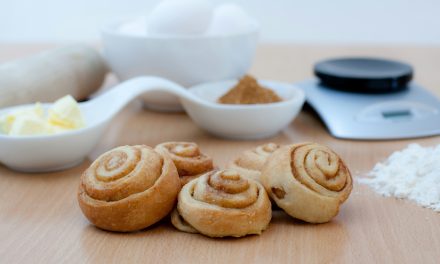
Fat plays a pivotal role in the baking process, serving multiple functions that contribute to the overall quality and texture of baked goods. Primarily, fats such as butter, oils, and shortening provide moisture, which is essential for creating a tender crumb in cakes, cookies, and pastries. The incorporation of fat into a batter or dough helps to coat flour particles, inhibiting gluten formation and resulting in a softer texture. Additionally, fats contribute to flavor, enhancing the overall taste profile of baked items.
Moreover, fats are crucial for leavening. When creamed with sugar, butter introduces air into the mixture, which expands during baking and contributes to the rise of the final product. This aeration is vital for achieving light and fluffy textures in cakes and muffins. Furthermore, fats can also influence the shelf life of baked goods by retaining moisture and preventing staleness. Understanding these roles is essential for bakers looking to modify recipes or substitute ingredients without compromising quality.
If you’re looking to make healthier baking choices, you might be interested in learning how to substitute oil for butter in your recipes. This can not only reduce saturated fat but also add moisture to your baked goods. For more tips on making adjustments in your cooking routine, you can check out this informative article on how to water your garden the right way, which emphasizes the importance of making thoughtful choices in all aspects of your culinary endeavors. You can read it here: how to water your garden the right way.
Why Substitute Oil for Butter?
Substituting oil for butter in baking can be advantageous for several reasons. One of the primary motivations is dietary preferences or restrictions; individuals who are lactose intolerant or following a vegan lifestyle may seek alternatives to traditional dairy products. Oils can provide a similar texture and moisture content without the use of animal products. Additionally, oils often contain healthier fats compared to butter, particularly when using options like olive or avocado oil, which are rich in monounsaturated fats known for their heart health benefits.
Another reason for substitution is the ease of use. Oil is typically easier to measure and mix into batters than solid butter, which requires softening or melting before incorporation. This can streamline the baking process, making it more efficient for home bakers. Furthermore, certain oils can impart unique flavors that enhance the overall taste of baked goods, allowing for creative variations on classic recipes.
Choosing the Right Oil for Your Recipe

Selecting the appropriate oil for baking is crucial to achieving the desired flavor and texture in your final product. Different oils possess distinct flavor profiles and smoke points, which can significantly affect the outcome of your baked goods. For instance, canola oil is a neutral option that works well in most recipes without altering the intended flavor. It has a high smoke point, making it suitable for various baking methods.
On the other hand, olive oil can add a rich, fruity flavor to baked items, particularly in Mediterranean-inspired recipes. However, its distinct taste may not be suitable for all desserts. Coconut oil is another popular choice; it solidifies at room temperature and can mimic the texture of butter while imparting a subtle coconut flavor. When choosing an oil, consider both the flavor you wish to achieve and the specific requirements of your recipe to ensure optimal results.
Applesauce: A Moist and Healthy Alternative

Applesauce has emerged as a popular substitute for butter in baking due to its ability to provide moisture while significantly reducing fat content. This fruit puree not only adds moisture but also contributes natural sweetness, allowing bakers to reduce added sugars in their recipes. The pectin found in applesauce helps bind ingredients together, making it an effective alternative in cakes and muffins.
When using applesauce as a substitute, it is generally recommended to replace half of the butter with an equal amount of applesauce. This ratio helps maintain the desired texture while benefiting from the health advantages of reduced fat and calories. Additionally, applesauce is rich in vitamins and antioxidants, making it a nutritious choice for health-conscious bakers.
If you’re looking to make healthier substitutions in your baking, you might find it helpful to explore how to substitute oil for butter. This can not only reduce the saturated fat content in your recipes but also add a different texture and flavor. For more tips on enhancing your home with beautiful plants, check out this article on stunning flowering kalanchoe varieties that can brighten your space. You can find it here: stunning flowering kalanchoe varieties.
Greek Yogurt as a Creamy Butter Substitute
Greek yogurt serves as an excellent alternative to butter due to its creamy texture and high protein content. This dairy product not only adds moisture but also enhances the nutritional profile of baked goods by providing probiotics and calcium. The tangy flavor of Greek yogurt can complement various recipes, particularly in muffins and cakes where a slight acidity can enhance overall taste.
When substituting Greek yogurt for butter, a common guideline is to use a 1:1 ratio; however, it may be beneficial to reduce other liquids in the recipe slightly to account for the added moisture from yogurt. This substitution can yield lighter baked goods with a tender crumb while maintaining a rich flavor profile.
If you’re looking to make healthier substitutions in your baking, you might find it helpful to explore how to substitute oil for butter. This can not only reduce saturated fat but also add moisture to your baked goods. For more tips on making smart ingredient swaps in the kitchen, check out this informative article on essential cooking techniques that can elevate your baking game.
Mashed Bananas for Natural Sweetness and Moisture
Mashed bananas are another versatile ingredient that can replace butter in baking while adding natural sweetness and moisture. This fruit not only enhances flavor but also provides essential nutrients such as potassium and dietary fiber. The natural sugars present in bananas can help reduce the need for additional sweeteners in recipes.
To use mashed bananas as a substitute for butter, replace each cup of butter with approximately one cup of mashed bananas. This substitution works particularly well in recipes for quick breads, muffins, and pancakes where the banana flavor can shine through without overpowering other ingredients. Additionally, using ripe bananas ensures maximum sweetness and moisture content.
Avocado: A Nutrient-Packed Replacement
Avocado has gained popularity as a healthy fat source and serves as an excellent substitute for butter in baking. Rich in monounsaturated fats, avocados contribute creaminess while providing essential nutrients such as vitamins E and K, potassium, and fiber. The mild flavor of avocado allows it to blend seamlessly into various recipes without altering the overall taste.
When substituting avocado for butter, use a 1:1 ratio; however, it may be beneficial to adjust other liquids in the recipe slightly due to avocado’s creamy consistency. This substitution works particularly well in brownies and dense cakes where moisture is key to achieving a fudgy texture.
Nut Butters: Adding Flavor and Richness
Nut butters such as almond or peanut butter can serve as flavorful substitutes for butter in baking while adding richness and depth to recipes. These spreads are packed with healthy fats, protein, and essential nutrients that enhance both taste and nutrition. The unique flavors of nut butters can elevate traditional recipes, providing a delightful twist on classic baked goods.
When using nut butters as a substitute for butter, consider using a 1:1 ratio; however, be mindful that nut butters may impart their distinct flavors into the final product. This substitution works exceptionally well in cookies and bars where nutty flavors complement other ingredients.
Coconut Oil: A Tropical Twist in Baking
Coconut oil has become increasingly popular among bakers seeking a dairy-free alternative to butter that still provides richness and flavor. This oil is solid at room temperature but melts easily when heated, making it versatile for various baking applications. Coconut oil imparts a subtle tropical flavor that can enhance recipes such as cakes, cookies, and muffins.
When substituting coconut oil for butter, use an equal amount; however, keep in mind that melted coconut oil may alter the texture slightly compared to solid butter. This substitution works particularly well in recipes where coconut flavor complements other ingredients or where moisture retention is crucial.
Adjusting Measurements When Substituting
When substituting ingredients in baking, precise measurements are essential to achieving consistent results. Each alternative fat source may require slight adjustments based on its unique properties. For instance, when replacing butter with liquid oils like olive or canola oil, it is advisable to use about 25% less oil than the amount of butter called for in the recipe due to differences in density.
Similarly, when using fruit purees or yogurt as substitutes, consider reducing other liquid components slightly to maintain balance within the batter or dough. Keeping detailed notes on adjustments made during experimentation will help refine future baking endeavors.
Tips for Perfect Texture and Flavor Without Butter
Achieving perfect texture and flavor without using butter requires careful consideration of ingredient combinations and techniques. One effective strategy is to incorporate additional binding agents such as eggs or flaxseed meal when using fruit purees or yogurt substitutes to ensure proper structure in baked goods.
Experimenting with different combinations of substitutes can yield delightful results; for example, combining Greek yogurt with mashed bananas can create moist muffins with a tender crumb while enhancing nutritional value. Additionally, incorporating spices such as cinnamon or vanilla extract can elevate flavors further when using alternative fats.
In conclusion, understanding the role of fat in baking allows bakers to make informed decisions when substituting oils or other alternatives for butter. With numerous options available—from applesauce to nut butters—there are ample opportunities to create delicious baked goods that cater to various dietary preferences while maintaining quality and flavor.
In summary:
– Fat is essential for moisture, texture, flavor, and leavening.
– Substituting oil for butter offers dietary flexibility and health benefits.
– Choosing the right oil depends on flavor profiles and recipe requirements.
– Alternatives like applesauce, Greek yogurt, mashed bananas, avocado, nut butters, and coconut oil provide diverse options.
– Adjustments in measurements are crucial for successful substitutions.
– Experimentation with combinations enhances texture and flavor without compromising quality.
FAQs
Can I substitute oil for butter in any baking recipe?
Yes, you can substitute oil for butter in most baking recipes. However, the texture and flavor may vary depending on the type of baked good. For example, oil works well in cakes and muffins, but may not provide the same richness in cookies or pastries.
What is the general ratio for substituting oil for butter?
The general ratio for substituting oil for butter is 3:4. This means that for every 1 cup of butter, you can use 3/4 cup of oil. However, it’s important to consider the type of oil and the specific recipe, as adjustments may be needed.
Does using oil instead of butter affect the flavor of baked goods?
Yes, using oil instead of butter can affect the flavor of baked goods. Butter adds a rich, creamy flavor, while oil tends to have a more neutral taste. If you want to maintain a buttery flavor, consider using oils with a more pronounced taste, such as coconut oil or flavored oils.
Are there any specific types of oil that work best for baking?
Yes, certain oils work better for baking than others. Common choices include vegetable oil, canola oil, and melted coconut oil. Each type of oil has its own flavor profile and smoke point, so choose one that complements your recipe.
Will substituting oil for butter change the texture of my baked goods?
Yes, substituting oil for butter can change the texture of your baked goods. Oil tends to create a moister and denser texture, which can be desirable in cakes and brownies. However, it may result in a less flaky texture in pastries and cookies, so adjustments may be necessary.