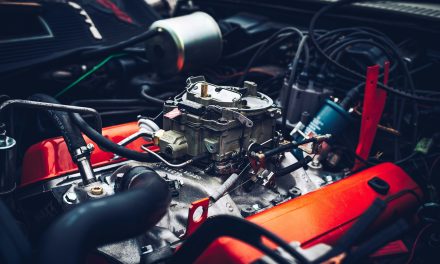
Car overheating is a critical issue that can lead to severe engine damage if not addressed promptly. The phenomenon occurs when the engine’s temperature exceeds the optimal operating range, typically around 195°F to 220°F (90°C to 105°C). When the engine overheats, it can cause components to warp, gaskets to fail, and in extreme cases, complete engine failure. Understanding the underlying causes of overheating is essential for vehicle maintenance and longevity.
The engine cooling system plays a pivotal role in regulating temperature. It comprises several components, including the radiator, water pump, thermostat, and coolant. Each part must function correctly to maintain an optimal thermal environment. When any component malfunctions, it can lead to overheating, which is often accompanied by warning lights on the dashboard, steam from under the hood, or unusual engine noises. Recognizing these signs early can prevent catastrophic failures and costly repairs.
If you’re experiencing issues with your car overheating while driving, it’s essential to understand the potential causes and solutions to prevent further damage. A related article that might interest you is about distinguishing between different types of cockroaches, which highlights the importance of identifying problems early on, much like diagnosing car issues. You can read more about it here: German Cockroaches vs. American Cockroaches: How to Tell Them Apart.
Low Coolant Levels: The Primary Cause
One of the most common reasons for car overheating is low coolant levels. Coolant, a mixture of water and antifreeze, circulates through the engine and absorbs heat. If the coolant level drops due to leaks or evaporation, the engine cannot dissipate heat effectively. This deficiency can lead to a rapid increase in temperature, resulting in overheating.
To prevent low coolant levels, regular checks are essential. Drivers should inspect the coolant reservoir periodically and top it off as needed. Additionally, it is crucial to identify any leaks in hoses, gaskets, or the radiator itself. A professional mechanic can perform a pressure test to detect hidden leaks that may not be immediately visible. Maintaining proper coolant levels not only prevents overheating but also protects against corrosion and scaling within the cooling system.
Faulty Thermostat and Its Impact on Engine Temperature

The thermostat is a vital component that regulates coolant flow between the engine and radiator. When functioning correctly, it opens and closes at specific temperatures to maintain optimal engine heat. However, if the thermostat becomes stuck in the closed position, it prevents coolant from circulating through the radiator, leading to increased engine temperatures.
Symptoms of a faulty thermostat include fluctuating temperature gauges and unusual engine noises. If diagnosed early, replacing a malfunctioning thermostat is a straightforward procedure that can save drivers from more severe issues down the line. Regular maintenance checks can help identify thermostat problems before they escalate into overheating scenarios.
Radiator Problems: Blockages and Leaks

The radiator serves as a heat exchanger that dissipates heat from the coolant into the atmosphere. Blockages or leaks within the radiator can severely impair its ability to cool the engine effectively. Blockages may occur due to debris accumulation or corrosion within the radiator tubes, while leaks can result from physical damage or wear over time.
To ensure optimal radiator performance, regular inspections are necessary. Drivers should look for signs of leaks, such as puddles under the vehicle or visible coolant stains around the radiator. Flushing the radiator periodically can help remove blockages and improve heat dissipation. In cases of severe damage or corrosion, replacing the radiator may be necessary to restore proper cooling function.
If you’re experiencing issues with your vehicle overheating while driving, it’s essential to understand the potential causes and solutions to avoid further damage. Common reasons for overheating include low coolant levels, a malfunctioning thermostat, or a damaged radiator. To gain a deeper understanding of how to address these issues effectively, you might find it helpful to read this informative article on early signs of illness in cats, which emphasizes the importance of recognizing symptoms before they escalate, much like how you should monitor your car’s performance.
Malfunctioning Water Pump and Coolant Circulation Issues
The water pump is responsible for circulating coolant throughout the engine and cooling system. A malfunctioning water pump can lead to inadequate coolant flow, resulting in overheating. Symptoms of a failing water pump include unusual noises, coolant leaks near the pump area, and an overheating engine.
Regular maintenance checks can help identify water pump issues before they lead to overheating. If a malfunction is detected, replacing the water pump is crucial for restoring proper coolant circulation. Additionally, ensuring that all hoses connected to the water pump are in good condition can prevent further complications.
If you’re experiencing issues with your car overheating while driving, it’s crucial to understand the potential causes and solutions to prevent further damage. Factors such as low coolant levels, a malfunctioning thermostat, or a failing water pump can contribute to this problem. For a more in-depth look at related automotive issues, you might find this article on car maintenance helpful. It provides insights into various aspects of vehicle care that can help you keep your car running smoothly. You can read it here.
Broken or Slipping Drive Belt Affecting Cooling System
The drive belt connects various engine components, including the water pump and alternator. If this belt becomes broken or slips off its pulley, it can disrupt the operation of the water pump and other critical systems. Consequently, this disruption can lead to insufficient coolant circulation and overheating.
To prevent drive belt issues, regular inspections are essential. Drivers should check for signs of wear, such as fraying or cracking on the belt surface. Replacing a worn or damaged drive belt promptly can prevent overheating and ensure that all connected components function correctly.
Radiator Fan Failure and Overheating Risks
The radiator fan plays a crucial role in cooling the radiator by drawing air through it when the vehicle is stationary or moving at low speeds. If the fan fails to operate correctly due to electrical issues or mechanical failure, it can lead to inadequate cooling and subsequent overheating.
Symptoms of radiator fan failure include an overheated engine during idling or slow traffic conditions. Regular checks of the fan’s operation can help identify potential issues early on. If a malfunction is detected, replacing the fan motor or repairing electrical connections may be necessary to restore proper cooling functionality.
Clogged or Dirty Radiator Reducing Heat Dissipation
Over time, radiators can accumulate dirt, debris, and corrosion that impede their ability to dissipate heat effectively. A clogged radiator reduces airflow and coolant flow, leading to increased engine temperatures and potential overheating.
To maintain optimal radiator performance, regular cleaning is essential. Flushing the radiator with a specialized cleaning solution can help remove built-up deposits and improve heat dissipation. Additionally, ensuring that the exterior of the radiator remains free from debris will enhance airflow and cooling efficiency.
Head Gasket Failure Leading to Engine Overheating
The head gasket seals the combustion chamber and maintains pressure within the engine. A failure of this component can lead to coolant leaking into the combustion chamber or oil passages, resulting in overheating and potential engine damage.
Symptoms of head gasket failure include white smoke from the exhaust, milky oil appearance, and loss of coolant without visible leaks. If head gasket failure is suspected, immediate attention from a qualified mechanic is crucial to prevent catastrophic engine damage. Repairing or replacing a head gasket is a complex procedure that requires specialized knowledge and tools.
Overloading and Excessive Engine Strain
Overloading a vehicle beyond its recommended weight capacity can place excessive strain on the engine and cooling system. This strain can lead to increased temperatures and potential overheating during operation.
To prevent overloading issues, drivers should familiarize themselves with their vehicle’s weight limits as specified in the owner’s manual. Distributing weight evenly within the vehicle can also help reduce strain on individual components. Regular maintenance checks can ensure that all systems are functioning optimally under load conditions.
Preventive Measures to Avoid Car Overheating While Driving
Preventing car overheating requires proactive measures and regular maintenance practices. Here are several strategies drivers can implement:
1. **Regular Coolant Checks**: Monitor coolant levels frequently and top off as needed.
2. **Routine Maintenance**: Schedule regular inspections for critical components such as thermostats, water pumps, and radiators.
3. **Flush Cooling System**: Perform periodic flushing of the cooling system to remove debris and contaminants.
4. **Inspect Drive Belts**: Regularly check drive belts for wear and replace them as necessary.
5. **Monitor Engine Temperature**: Keep an eye on temperature gauges while driving; if they rise unexpectedly, pull over safely.
6. **Avoid Overloading**: Adhere to weight limits specified by manufacturers.
7. **Use Quality Coolant**: Ensure that high-quality coolant is used in accordance with manufacturer specifications.
By implementing these preventive measures, drivers can significantly reduce their risk of experiencing car overheating while driving.
In summary, understanding car overheating involves recognizing its causes—ranging from low coolant levels to faulty components like thermostats and water pumps—and taking proactive steps for prevention and treatment. Regular maintenance checks are essential for identifying potential issues early on before they escalate into significant problems that could lead to costly repairs or complete engine failure. By adhering to best practices for vehicle care, drivers can ensure their engines remain within optimal temperature ranges while enjoying safe driving experiences on the road.
FAQs
What are the common causes of a car overheating while driving?
Common causes of a car overheating while driving include low coolant levels, a malfunctioning thermostat, a broken water pump, a clogged radiator, or a damaged radiator fan. Each of these issues can disrupt the cooling system’s ability to regulate engine temperature effectively.
How can I tell if my car is overheating?
You can tell if your car is overheating by monitoring the temperature gauge on the dashboard, which typically has a warning light or indicator. Additionally, you may notice steam coming from the engine, a burning smell, or a decrease in engine performance.
What should I do if my car starts to overheat?
If your car starts to overheat, you should pull over to a safe location as soon as possible. Turn off the engine and allow it to cool down. Check the coolant level and look for any visible leaks. If the problem persists, it’s advisable to call for roadside assistance or a tow to a mechanic.
Can driving habits contribute to a car overheating?
Yes, driving habits can contribute to a car overheating. Aggressive driving, such as rapid acceleration and hard braking, can put extra strain on the engine. Additionally, driving in heavy traffic or on steep inclines can also increase the likelihood of overheating.
How often should I check my car’s coolant levels?
It is recommended to check your car’s coolant levels at least once a month, especially before long trips or during extreme weather conditions. Regular maintenance checks can help prevent overheating issues by ensuring that the cooling system is functioning properly.