Water leaks in vehicles can be a significant concern for car owners, as they can lead to extensive damage if not addressed promptly. Understanding the various sources of these leaks is crucial for effective diagnosis and repair. Water ingress can result from multiple factors, including environmental conditions, mechanical failures, and wear and tear over time. Identifying the source of a leak is essential to prevent further complications, such as mold growth, electrical issues, or corrosion of vital components. This article will delve into the common causes of water leaks in vehicles, diagnostic tips, and preventative measures to maintain your vehicle’s integrity.
If you’ve noticed water leaking underneath your car, it could be due to several reasons, such as a malfunctioning air conditioning system or a simple condensation build-up. Understanding the potential causes can help you address the issue more effectively. For further insights on maintaining your vehicle and ensuring its longevity, you might find this article on choosing the right cleaning products for your home particularly useful, as it emphasizes the importance of proper maintenance in various aspects of life. You can read it here: Top Refillable Cleaning Products for Home: How to Choose Them.
Condensation from the Air Conditioning System
One of the most common sources of water accumulation in vehicles is condensation from the air conditioning (AC) system. When the AC operates, it removes humidity from the cabin air, resulting in condensation that typically drains outside through a designated drain tube. However, if this drain becomes clogged or damaged, water can accumulate within the vehicle’s interior, leading to damp carpets and potential mold growth.
To address this issue, it is essential to inspect the AC drain tube regularly. A simple visual inspection can reveal any blockages caused by debris or dirt. If a blockage is suspected, using compressed air or a flexible cleaning brush can help clear the obstruction. Additionally, ensuring that the AC system is functioning correctly can prevent excessive condensation buildup. Regular maintenance of the AC system, including replacing filters and checking refrigerant levels, can also mitigate condensation-related leaks.
Windshield Washer Fluid Leakage

Windshield washer fluid leakage is another common issue that can lead to water accumulation in a vehicle. This problem often arises from damaged or cracked washer fluid reservoirs, hoses, or connections. When these components fail, washer fluid can leak into the engine compartment or onto the vehicle’s floor, creating a slippery surface and potentially damaging electrical components.
To diagnose this issue, car owners should inspect the washer fluid reservoir for cracks or signs of wear. Additionally, checking the hoses and connections for leaks is crucial. If a leak is detected, replacing the damaged component is necessary to restore proper functionality. Using high-quality washer fluid and ensuring that the reservoir is securely fastened can help prevent future leaks.
Radiator or Coolant System Issues

The radiator and coolant system play a vital role in maintaining optimal engine temperature. However, leaks in this system can lead to significant water loss and overheating issues. Common causes of radiator leaks include corrosion, physical damage, or faulty connections. If coolant leaks into the engine compartment or onto the ground, it can create a hazardous situation for both the vehicle and the environment.
To identify radiator or coolant system issues, car owners should regularly check coolant levels and inspect for signs of leakage around hoses and connections. A pressure test can also be performed to detect hidden leaks within the system. If a leak is found, it is crucial to address it promptly by replacing damaged hoses or seals and ensuring that the radiator is functioning correctly. Regular maintenance of the coolant system, including flushing and refilling coolant as needed, can help prevent future leaks.
If you’ve noticed water leaking underneath your car, it could be due to several reasons, such as a faulty air conditioning system or a damaged radiator. Understanding the common causes can help you diagnose the issue more effectively. For further insights on related topics, you might find this article on how to cool hot food quickly before refrigerating it quite interesting, as it touches on the importance of managing moisture in various contexts. You can check it out here: how to cool hot food quickly before refrigerating it.
Leaking Heater Core Problems
The heater core is an essential component of a vehicle’s heating system, responsible for transferring heat from the engine coolant to warm the cabin air. However, if the heater core develops a leak, it can lead to coolant entering the passenger compartment, resulting in damp carpets and an unpleasant odor. This issue can also cause engine overheating if not addressed promptly.
To diagnose heater core problems, car owners should look for signs such as a sweet smell inside the vehicle or foggy windows due to moisture buildup. A visual inspection of the heater core and surrounding hoses can help identify any visible leaks. If a leak is detected, replacing the heater core may be necessary to restore proper heating functionality. Regularly checking coolant levels and monitoring for unusual odors can help prevent heater core-related leaks.
Faulty Door or Window Seals Allowing Water Ingress
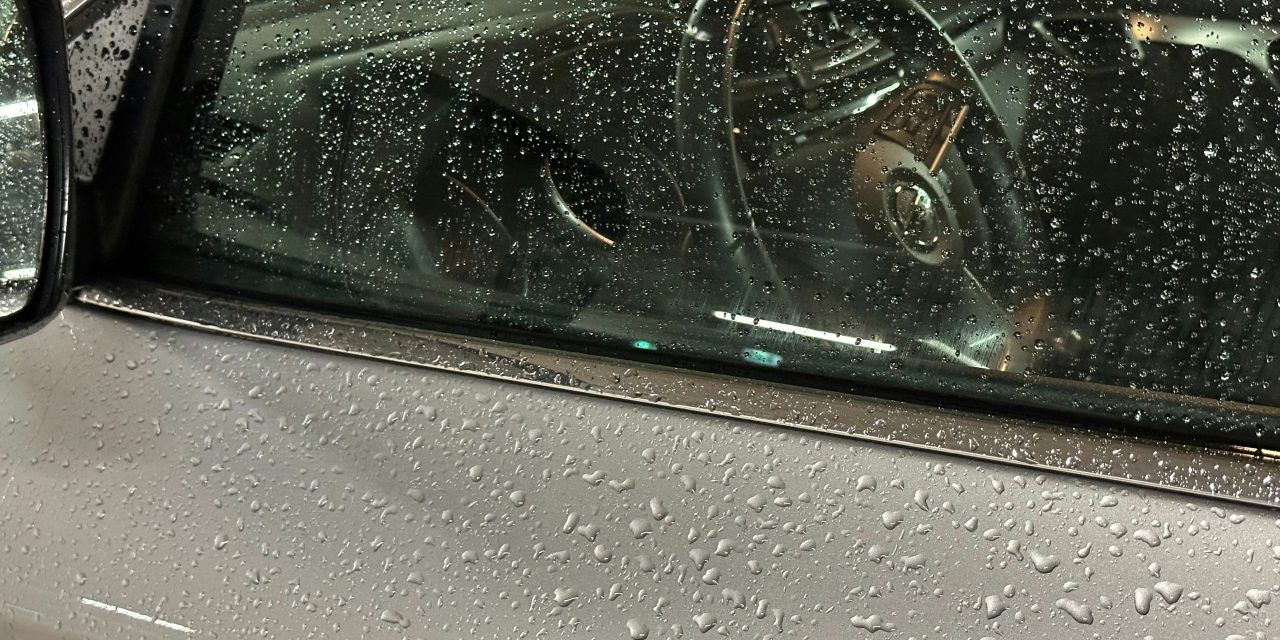
Faulty door or window seals are another common cause of water leaks in vehicles. Over time, rubber seals can degrade due to exposure to UV rays, temperature fluctuations, and general wear and tear. When these seals fail, water can easily enter the cabin during rainstorms or car washes, leading to damp interiors and potential mold growth.
To prevent water ingress from faulty seals, car owners should regularly inspect door and window seals for signs of wear or damage. If any cracks or gaps are detected, replacing the seals promptly is essential to maintain a watertight environment. Additionally, applying silicone-based sealant to aging seals can provide temporary protection until replacements are made.
Blocked or Damaged Sunroof Drainage
For vehicles equipped with sunroofs, blocked or damaged drainage systems can lead to significant water accumulation inside the cabin. Sunroofs typically have drainage tubes that channel excess water away from the interior; however, these tubes can become clogged with debris over time. If left unaddressed, water can overflow into the cabin area.
To prevent sunroof drainage issues, regular cleaning of the drainage channels is essential. Car owners should inspect these channels for blockages and use compressed air or a small brush to clear any debris. If damage to the drainage tubes is suspected, replacing them may be necessary to ensure proper water flow away from the vehicle’s interior.
Water Pump Malfunction or Leak
The water pump is a critical component of a vehicle’s cooling system responsible for circulating coolant throughout the engine and radiator. A malfunctioning water pump can lead to coolant leaks and overheating issues if not addressed promptly. Common signs of a failing water pump include coolant puddles under the vehicle and unusual noises coming from the engine compartment.
To diagnose water pump issues, car owners should regularly check coolant levels and inspect for signs of leakage around the pump area. If a leak is detected or if unusual noises are present, replacing the water pump may be necessary to restore proper cooling functionality. Regular maintenance of the cooling system, including flushing and refilling coolant as needed, can help prevent future water pump-related leaks.
Identifying the Source of the Leak: Diagnostic Tips
Identifying the source of a water leak in a vehicle requires careful observation and systematic troubleshooting. Car owners should begin by inspecting common leak areas such as door seals, window seals, sunroof drains, and undercarriage components. Utilizing a flashlight can help illuminate dark areas where leaks may be present.
Additionally, conducting a thorough visual inspection of hoses and connections within the cooling system can reveal potential issues. If necessary, performing a pressure test on the cooling system can help identify hidden leaks that may not be immediately visible. Keeping track of when and where leaks occur can also provide valuable information for diagnosing persistent issues.
When to Seek Professional Help for Water Leaks
While many water leak issues can be addressed by car owners through basic inspections and repairs, some situations may require professional assistance. If a leak persists despite attempts at diagnosis and repair or if there are signs of extensive damage such as electrical malfunctions or mold growth, seeking professional help is advisable.
Professional mechanics have access to specialized tools and diagnostic equipment that can accurately identify leak sources and recommend appropriate solutions. Additionally, they possess extensive knowledge of vehicle systems that may not be readily apparent to average car owners.
Preventative Measures to Avoid Future Water Leaks
Preventing water leaks in vehicles requires proactive maintenance and regular inspections. Car owners should routinely check door and window seals for signs of wear and replace them as needed to maintain a watertight environment. Regular cleaning of sunroof drainage channels can also prevent blockages that lead to leaks.
Furthermore, maintaining proper coolant levels and conducting routine inspections of hoses and connections within the cooling system can help prevent leaks related to radiator or water pump issues. Scheduling regular maintenance appointments with a qualified mechanic ensures that potential problems are identified early before they escalate into more significant concerns.
Maintaining Your Vehicle’s Water Integrity
In conclusion, understanding the various sources of water leaks in vehicles is essential for effective diagnosis and repair. By recognizing common causes such as condensation from air conditioning systems, windshield washer fluid leakage, radiator issues, heater core problems, faulty seals, blocked sunroof drainage systems, and water pump malfunctions, car owners can take proactive measures to maintain their vehicle’s integrity.
Regular inspections and preventative maintenance play a crucial role in preventing future leaks and ensuring optimal performance. By addressing issues promptly and seeking professional assistance when necessary, car owners can protect their vehicles from potential damage caused by water ingress.
In summary:
– Water leaks in vehicles can arise from various sources.
– Common causes include AC condensation, windshield washer fluid leakage, radiator issues, heater core problems, faulty seals, blocked sunroof drains, and water pump malfunctions.
– Regular inspections and preventative measures are essential for maintaining vehicle integrity.
– Seeking professional help may be necessary for persistent issues or extensive damage.
– Proactive maintenance ensures optimal performance and protects against potential damage caused by water ingress.
FAQs
What are common reasons for a car to leak water underneath?
Common reasons for a car to leak water underneath include condensation from the air conditioning system, a damaged or clogged drain tube, or a leak from the windshield or other seals. Additionally, water can accumulate from rain or washing the car, which may appear as a leak but is actually just excess water draining out.
Is it normal for my car to leak water after using the air conditioning?
Yes, it is normal for cars to leak water underneath after using the air conditioning. This water is typically condensation that forms as the AC system cools the air, and it drains out through a designated tube. If the amount of water is excessive or accompanied by other issues, it may indicate a problem.
How can I tell if the water leak is from the AC or a different source?
You can determine if the water leak is from the AC by checking the temperature of the water. If it is cold, it is likely condensation from the AC. Additionally, if the leak occurs only when the AC is running, it further indicates that the source is the air conditioning system.
What should I do if I suspect a leak from my car’s cooling system?
If you suspect a leak from your car’s cooling system, you should check the coolant levels and look for signs of coolant leaks, such as a sweet smell or colored fluid (usually green, orange, or pink). It is advisable to have a professional mechanic inspect the system to prevent overheating and further damage.
Can a leaking water issue lead to more serious car problems?
Yes, while a water leak may seem minor, it can lead to more serious problems if not addressed. For example, a leak from the cooling system can cause engine overheating, while leaks from seals can lead to water damage inside the vehicle. It’s important to investigate and resolve any leaks promptly.