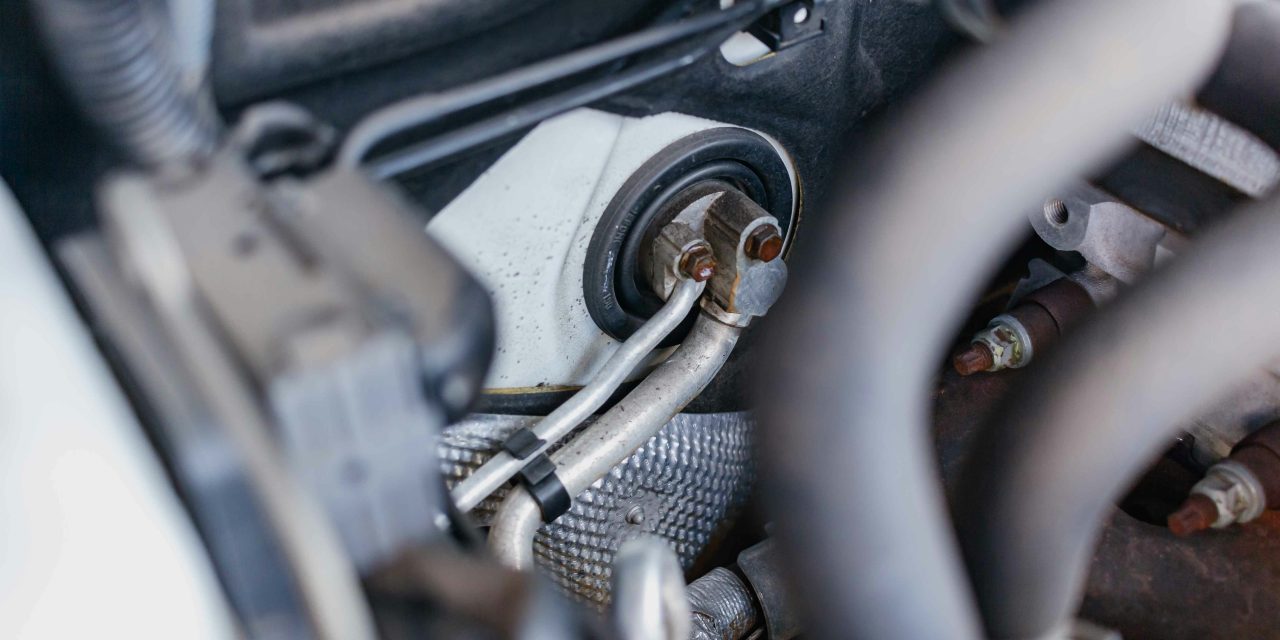
Fluid leaks in vehicles are not merely an inconvenience; they can signify underlying mechanical issues that, if left unaddressed, may lead to catastrophic failures. Detecting these leaks early is crucial for maintaining vehicle integrity and ensuring safety on the road. The presence of leaking fluids can compromise essential systems such as the engine, transmission, brakes, and cooling system. Ignoring these leaks can result in costly repairs and potentially hazardous driving conditions.
Moreover, fluid leaks can have environmental implications. Many automotive fluids are toxic and can contaminate soil and water sources if they seep into the ground. By promptly identifying and rectifying leaks, vehicle owners not only protect their investment but also contribute to environmental conservation. Understanding the importance of fluid leak detection is the first step toward responsible vehicle ownership.
If you’re trying to identify fluid leaking under your car, it’s essential to understand the different types of fluids and their characteristics. For a comprehensive guide on diagnosing car leaks, you might find this article helpful: How to Identify Fluid Leaking Under Your Car. This resource provides valuable insights into the colors and smells of various automotive fluids, which can help you pinpoint the source of the leak and take appropriate action.
Common Types of Fluids That Leak from Cars
Vehicles utilize a variety of fluids for optimal operation, each serving a specific purpose. The most common types of fluids that may leak include:
1. **Engine Oil**: This vital lubricant reduces friction between moving parts, ensuring smooth engine operation. A leak can lead to severe engine damage if not addressed promptly.
2. **Transmission Fluid**: Essential for the proper functioning of automatic transmissions, this fluid facilitates gear shifting. Low levels can result in erratic shifting or complete transmission failure.
3. **Coolant**: This fluid regulates engine temperature by dissipating heat. A coolant leak can lead to overheating, which may cause significant engine damage.
4. **Brake Fluid**: Critical for safe braking, any loss of brake fluid can severely impair braking performance, posing a serious safety risk.
5. **Power Steering Fluid**: This fluid aids in steering ease. A leak can lead to difficulty in steering and increased effort required to maneuver the vehicle.
6. **Windshield Washer Fluid**: While not critical for vehicle operation, a leak can hinder visibility during adverse weather conditions.
Understanding these fluids and their functions is essential for diagnosing potential issues and taking appropriate action.
Spotting Puddles and Stains Under Your Vehicle

One of the most straightforward methods for detecting fluid leaks is observing puddles or stains beneath your vehicle. These indicators can provide immediate insight into the type of fluid leaking and its potential source. For instance, a dark brown or black puddle typically indicates engine oil, while a reddish or pink stain may suggest transmission fluid. Clear or greenish puddles often point to coolant leaks.
When inspecting your parking area, it is essential to note the size and location of the puddle. A small drip may not seem alarming, but consistent dripping can lead to significant fluid loss over time. Additionally, the location of the puddle can help pinpoint the source of the leak; for example, oil leaks often originate from the engine area, while coolant leaks may be found near the radiator or hoses.
Regularly checking for these signs can help you catch leaks early, preventing further damage and costly repairs.
Recognizing Unusual Smells Associated with Fluid Leaks

In addition to visual cues, unusual odors can signal fluid leaks in your vehicle. Each type of automotive fluid has a distinct smell that can aid in identification:
– **Engine Oil**: Often has a burnt smell when leaking onto hot engine components.
– **Transmission Fluid**: Has a sweet odor and may smell burnt if it has been overheated.
– **Coolant**: Typically has a sweet smell due to ethylene glycol, which is often used in antifreeze.
– **Brake Fluid**: May have a slightly acrid smell and can be detected if it leaks onto hot surfaces.
– **Power Steering Fluid**: Often has a slightly burnt odor when leaking.
Recognizing these smells can provide valuable information about the type of leak you are dealing with and its potential severity. If you detect any unusual odors emanating from your vehicle, it is advisable to investigate further or consult a professional mechanic.
If you notice a fluid leaking under your car, it’s essential to identify the type of fluid to determine the necessary action. Common leaks can include oil, coolant, transmission fluid, or brake fluid, each with distinct colors and smells. For a detailed guide on how to recognize these fluids and what steps to take next, you can check out this informative article on cleaning stainless steel appliances, which also touches on maintenance tips that can be useful for car care. You can read more about it here.
Checking Fluid Levels and Consistency in Reservoirs
Regularly checking fluid levels in your vehicle’s reservoirs is an essential maintenance practice that can help identify leaks before they escalate into serious problems. Most vehicles are equipped with dipsticks or transparent reservoirs that allow for easy monitoring of fluid levels.
When inspecting these fluids, pay attention not only to the quantity but also to their consistency and color. For example, engine oil should be smooth and viscous; if it appears gritty or has a milky consistency, it may indicate contamination or internal engine issues. Similarly, coolant should be bright and clear; any discoloration or debris could signal a problem with the cooling system.
If you notice that any fluid levels are consistently low despite regular top-ups, this could indicate a leak that requires immediate attention.
If you’ve noticed fluid leaking under your car, it’s essential to identify the source to prevent potential damage. Various fluids can leak, including oil, coolant, and transmission fluid, each with its own distinct color and smell. To learn more about identifying these leaks and understanding their implications, you might find this article on repairing water damage helpful, as it discusses the importance of addressing issues promptly to avoid further complications.
Identifying Changes in Vehicle Performance and Handling
Fluid leaks often manifest as changes in vehicle performance or handling characteristics. For instance, low brake fluid levels due to a leak may result in a spongy brake pedal feel or decreased stopping power. Similarly, a loss of power steering fluid can lead to difficulty steering or increased effort required to turn the wheel.
Engine oil leaks may cause noticeable changes in engine performance, such as increased noise or reduced power output due to inadequate lubrication. Transmission fluid leaks can result in erratic shifting patterns or slipping gears, indicating potential transmission failure.
Being attuned to these changes is crucial for early detection of fluid leaks and addressing them before they lead to more severe mechanical failures.
Inspecting Hoses, Seals, and Gaskets for Damage
A thorough inspection of hoses, seals, and gaskets is vital for identifying potential sources of fluid leaks. Over time, these components can degrade due to exposure to heat, pressure, and environmental factors. Cracks, tears, or wear in hoses can lead to significant fluid loss.
Seals and gaskets play a critical role in preventing leaks by providing a tight seal between components. If these parts become brittle or damaged, they may fail to contain fluids effectively. Regularly inspecting these components for signs of wear can help catch leaks early.
When examining hoses, look for bulges or soft spots that may indicate weakness. For seals and gaskets, check for any signs of seepage or discoloration around joints and connections.
Noticing Warning Lights on Your Dashboard
Modern vehicles are equipped with sophisticated diagnostic systems that monitor various functions and alert drivers to potential issues through warning lights on the dashboard. A warning light related to fluid levels—such as the oil pressure light or brake warning light—should never be ignored.
These indicators serve as an early warning system for potential fluid leaks or other mechanical problems. If you notice any warning lights illuminated on your dashboard, it is essential to investigate further and address any underlying issues promptly.
Ignoring these warnings can lead to more severe problems down the line, including complete system failure or unsafe driving conditions.
Using Color and Texture to Differentiate Fluid Types
Differentiating between various types of automotive fluids based on color and texture is an effective method for identifying leaks. Each fluid type has distinct characteristics that can aid in diagnosis:
– **Engine Oil**: Typically dark brown or black with a smooth texture.
– **Transmission Fluid**: Usually red or pink with a slightly oily texture.
– **Coolant**: Can be green, orange, or yellow with a watery consistency.
– **Brake Fluid**: Generally clear to amber with a thin texture.
– **Power Steering Fluid**: Often reddish or clear with an oily feel.
By familiarizing yourself with these characteristics, you can quickly identify the source of a leak and take appropriate action.
When to Consult a Professional Mechanic
While some fluid leaks may be minor and manageable through DIY repairs, others require professional intervention. If you notice persistent leaks despite your efforts to address them or if you experience significant changes in vehicle performance, it is advisable to consult a qualified mechanic.
Professional mechanics possess the expertise and diagnostic tools necessary to accurately identify the source of leaks and recommend appropriate repairs. They can also perform comprehensive inspections to ensure that all potential issues are addressed effectively.
Delaying consultation with a professional can lead to more extensive damage and higher repair costs down the line.
Preventative Measures to Avoid Future Fluid Leaks
Preventing fluid leaks is often more effective than addressing them after they occur. Regular maintenance practices play a crucial role in minimizing the risk of leaks:
1. **Routine Inspections**: Conduct regular inspections of hoses, seals, gaskets, and fluid levels to catch potential issues early.
2. **Fluid Changes**: Adhere to manufacturer-recommended schedules for changing fluids such as engine oil, transmission fluid, and coolant.
3. **Environmental Protection**: Park your vehicle on level surfaces away from extreme temperatures that could accelerate wear on components.
4. **Professional Maintenance**: Schedule regular maintenance appointments with a trusted mechanic who can perform thorough inspections and address any concerns proactively.
5. **Quality Parts**: When replacing components such as hoses or gaskets, opt for high-quality parts that meet manufacturer specifications.
By implementing these preventative measures, vehicle owners can significantly reduce the likelihood of experiencing fluid leaks in the future.
In summary, detecting fluid leaks in vehicles is essential for maintaining safety and performance while protecting both your investment and the environment. By understanding common types of fluids that leak from cars, recognizing visual cues such as puddles and stains, identifying unusual smells, checking fluid levels regularly, inspecting components for damage, monitoring dashboard warning lights, differentiating fluids by color and texture, knowing when to consult professionals, and implementing preventative measures—vehicle owners can effectively manage their vehicles’ health and longevity.
FAQs
What are the common types of fluids that can leak from a car?
The most common types of fluids that can leak from a car include engine oil, transmission fluid, coolant, brake fluid, and power steering fluid. Each of these fluids has distinct characteristics, such as color and viscosity, which can help in identifying the source of the leak.
How can I identify the color of the leaking fluid?
To identify the color of the leaking fluid, place a clean white cloth or paper towel under the leak to catch a sample. Engine oil is typically brown or black, transmission fluid is red or pink, coolant can be green, orange, or yellow, brake fluid is usually clear or amber, and power steering fluid is often reddish or pink. Observing the color can help narrow down the source of the leak.
What should I do if I find a fluid leak under my car?
If you find a fluid leak under your car, it is important to first identify the type of fluid and its source. You should then check the fluid levels in your vehicle and monitor for any changes. If the leak is significant or if you are unsure about the cause, it is advisable to consult a professional mechanic for a thorough inspection and necessary repairs.
Can I drive my car with a fluid leak?
Driving a car with a fluid leak is not recommended, as it can lead to further damage to the vehicle and pose safety risks. Depending on the type of fluid leaking, it may affect critical systems such as brakes or steering. If you notice a leak, it is best to address the issue before driving the vehicle.
How can I prevent fluid leaks in my car?
To prevent fluid leaks in your car, regular maintenance is key. This includes checking fluid levels, inspecting hoses and seals for wear and tear, and replacing any damaged components promptly. Additionally, scheduling routine oil changes and inspections can help catch potential leaks before they become serious issues.