In today’s fast-paced world, the concept of meal prepping has gained significant traction among individuals seeking to streamline their culinary routines while simultaneously saving money. Meal prepping involves preparing meals in advance, allowing for efficient use of time and resources. This practice not only minimizes food waste but also encourages healthier eating habits by reducing reliance on expensive takeout options. By investing a few hours each week into planning and preparing meals, individuals can enjoy substantial savings on their grocery bills, ultimately leading to a more sustainable lifestyle.
The financial benefits of meal prepping are multifaceted. Firstly, purchasing ingredients in bulk often results in lower costs per unit, allowing consumers to maximize their grocery budgets. Secondly, by preparing meals at home, individuals can avoid the premium prices associated with dining out or ordering in. Furthermore, meal prepping fosters a greater awareness of portion sizes and nutritional content, which can lead to healthier choices and reduced healthcare costs in the long run. In essence, meal prepping is not merely a trend; it is a strategic approach to managing both time and finances effectively.
If you’re looking for affordable meal prep ideas for the week, you might also find it helpful to learn how to store your ingredients properly to maximize freshness and minimize waste. For instance, knowing how to store cut watermelon safely in the fridge can be a game changer for your meal prep. You can read more about this in the article here: How to Store Cut Watermelon Safely in the Fridge. This knowledge can help you keep your meals vibrant and delicious throughout the week!
Budget-Friendly Staples to Stock Up On
To embark on a successful meal prepping journey, it is essential to stock up on budget-friendly staples that serve as the foundation for various dishes. These ingredients are not only economical but also versatile, allowing for creativity in the kitchen. Here are some key staples to consider:
1. **Grains**: Whole grains such as brown rice, quinoa, and oats are nutrient-dense and provide sustained energy. They can be used as bases for numerous meals and are often available in bulk at lower prices.
2. **Legumes**: Beans, lentils, and chickpeas are excellent sources of protein and fiber. They are incredibly affordable, especially when purchased dried or canned, and can be incorporated into salads, soups, and stews.
3. **Frozen Vegetables**: Stocking up on frozen vegetables is a cost-effective way to ensure a variety of nutrients year-round. They retain their nutritional value and can be easily added to stir-fries, casseroles, or soups.
4. **Canned Tomatoes**: Canned tomatoes are a versatile ingredient that can enhance the flavor of many dishes. They serve as a base for sauces, soups, and stews while being budget-friendly.
5. **Eggs**: Eggs are an inexpensive source of high-quality protein and can be used in various recipes, from breakfast to dinner. Their versatility makes them a staple in any meal prep plan.
By focusing on these budget-friendly staples, individuals can create a diverse array of meals without breaking the bank.
One-Pot Pasta: Simple and Affordable

One-pot pasta dishes epitomize convenience and affordability in meal prepping. These recipes require minimal cleanup and can be customized based on personal preferences or dietary restrictions. The beauty of one-pot pasta lies in its simplicity; all ingredients are cooked together in a single pot, allowing flavors to meld beautifully.
To prepare a basic one-pot pasta dish, start by sautéing garlic and onions in olive oil until fragrant. Next, add your choice of vegetables—such as bell peppers, spinach, or zucchini—along with your preferred pasta type. Pour in vegetable or chicken broth and bring the mixture to a boil. As the pasta cooks, it absorbs the flavorful broth, creating a deliciously cohesive dish. Finish with grated cheese or fresh herbs for added flavor.
This method not only saves time but also reduces the number of dishes used during cooking. Additionally, one-pot pasta recipes can be easily scaled up or down depending on the number of servings needed, making them an ideal choice for meal prepping.
Rice and Beans: A Nutritious Classic

Rice and beans represent one of the most economical and nutritious meal options available. This classic combination provides a complete protein source when paired together, making it an excellent choice for vegetarians and meat-eaters alike. The affordability of both rice and beans makes this dish accessible to individuals on any budget.
To prepare rice and beans, start by cooking your choice of rice—brown rice or jasmine rice work well—according to package instructions. In a separate pot, sauté onions and garlic until translucent before adding canned beans (such as black beans or kidney beans) along with spices like cumin and chili powder for flavor enhancement. Combine the cooked rice with the seasoned beans for a hearty meal that can be enjoyed on its own or as a side dish.
This dish is not only filling but also highly adaptable; you can incorporate various vegetables or proteins to suit your taste preferences. Additionally, rice and beans can be stored in the refrigerator for several days, making them an excellent option for meal prep.
If you’re looking to save money while enjoying delicious and nutritious meals, exploring cheap meal prep ideas for the week can be incredibly beneficial. One great resource to consider is a related article that features a tasty recipe for high-protein hot honey beef and sweet potato bowls. This dish not only fits well into a budget-friendly meal plan but also provides a satisfying and wholesome option for your weekly menu. You can check out the recipe here for inspiration on how to incorporate affordable ingredients into your meal prep routine.
Sheet Pan Chicken and Veggies
Sheet pan meals have surged in popularity due to their simplicity and minimal cleanup requirements. By roasting chicken alongside an assortment of vegetables on a single baking sheet, individuals can create a balanced meal that is both nutritious and satisfying.
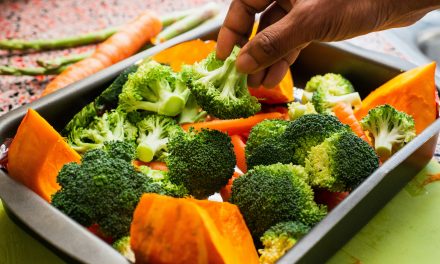
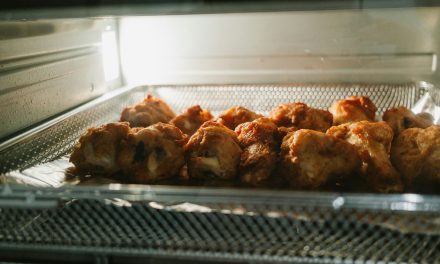
To prepare sheet pan chicken and veggies, begin by preheating your oven to 400°F (200°C). Season chicken breasts or thighs with olive oil, salt, pepper, and your choice of herbs—such as rosemary or thyme. Arrange the chicken on one side of the baking sheet and fill the remaining space with chopped vegetables like carrots, broccoli, or bell peppers. Roast everything together for approximately 25-30 minutes until the chicken is cooked through and the vegetables are tender.
This method allows for easy portioning and reheating throughout the week. Additionally, sheet pan meals can be customized based on seasonal produce or personal preferences, making them an ideal choice for meal prepping.
Overnight Oats for Quick Breakfasts
Overnight oats have become a breakfast staple for those seeking convenience without sacrificing nutrition. This no-cook method allows individuals to prepare several servings at once, ensuring that healthy breakfasts are readily available throughout the week.
To create overnight oats, combine rolled oats with your choice of milk (dairy or plant-based) in a jar or container. Add sweeteners such as honey or maple syrup along with toppings like chia seeds, nuts, or fresh fruit. Seal the container and refrigerate overnight; by morning, the oats will have absorbed the liquid and softened to create a creamy texture.
Overnight oats are highly customizable; individuals can experiment with different flavor combinations such as peanut butter banana or apple cinnamon. This breakfast option is not only nutritious but also budget-friendly, making it an excellent addition to any meal prep routine.
Veggie Stir-Fry with Tofu or Chicken
Stir-fries are an excellent way to incorporate a variety of vegetables into your diet while keeping meal prep simple and affordable. This cooking method allows for quick preparation while retaining the nutritional value of fresh produce.
To prepare a veggie stir-fry, begin by selecting your favorite vegetables—such as bell peppers, broccoli, snap peas, and carrots—and cutting them into bite-sized pieces. Heat oil in a large skillet or wok over medium-high heat before adding protein options like tofu or chicken breast. Once cooked through, add the vegetables along with soy sauce or teriyaki sauce for flavor enhancement.
Stir-fries can be served over rice or noodles for a complete meal that is both satisfying and nutritious. The versatility of this dish allows individuals to use whatever vegetables they have on hand, minimizing food waste while maximizing flavor.
Egg Muffins: Protein-Packed and Portable
Egg muffins have emerged as a popular meal prep option due to their portability and high protein content. These bite-sized treats can be made in advance and enjoyed throughout the week as a quick breakfast or snack.
To create egg muffins, whisk together eggs with your choice of diced vegetables—such as spinach, tomatoes, or bell peppers—and seasonings like salt and pepper. Pour the mixture into greased muffin tins and bake at 350°F (175°C) for approximately 20 minutes until set. Once cooled, these muffins can be stored in the refrigerator or freezer for easy access.
Egg muffins are highly customizable; individuals can experiment with different combinations of vegetables and cheeses to suit their taste preferences. This protein-packed option is not only budget-friendly but also provides essential nutrients to fuel your day.
Slow Cooker Chili: Hearty and Economical
Slow cooker chili is an ideal meal prep option for those seeking hearty comfort food without excessive effort. This dish is perfect for batch cooking; it can be made in large quantities and stored for future meals.
To prepare slow cooker chili, combine ground meat (or plant-based alternatives), canned tomatoes, kidney beans, black beans, corn, onions, garlic, and chili spices in your slow cooker. Set it on low for 6-8 hours or high for 3-4 hours until all ingredients are cooked through and flavors meld beautifully.
Chili is not only filling but also highly nutritious; it provides protein from meat or beans along with fiber from vegetables. This dish can be served alone or accompanied by cornbread for added satisfaction. Leftovers can be easily reheated throughout the week or frozen for future enjoyment.
Tips for Storing and Reheating Meal Preps
Proper storage techniques are crucial for maintaining the quality and safety of meal preps. Here are some essential tips:
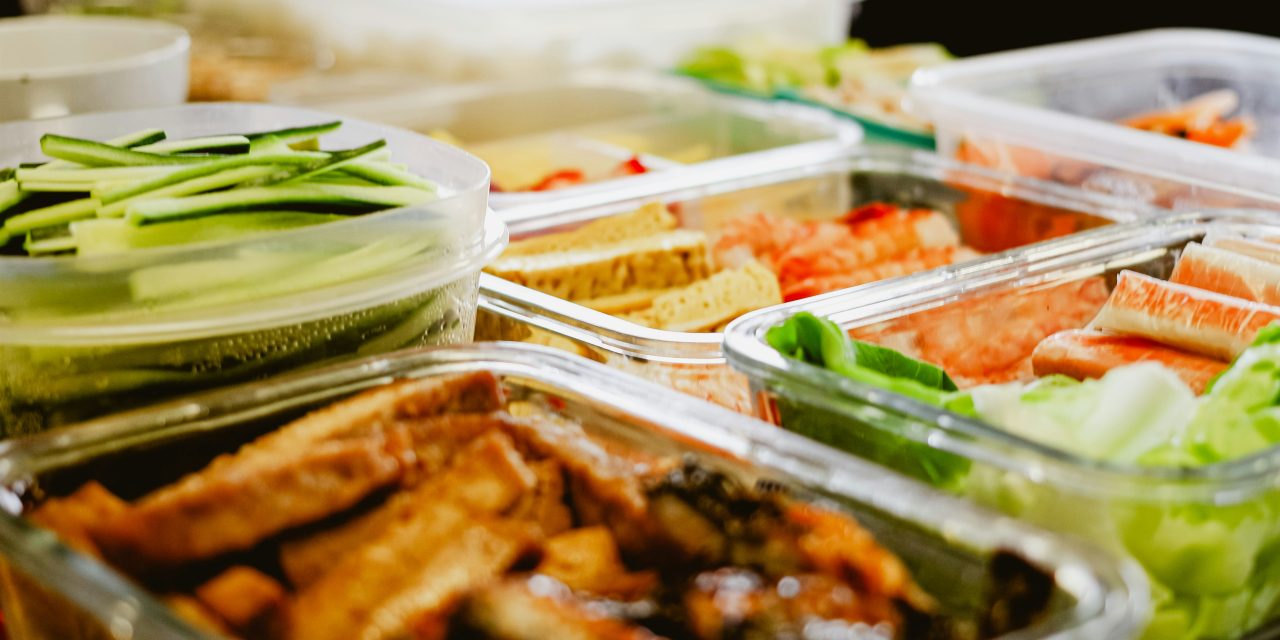
1. **Use Airtight Containers**: Invest in high-quality airtight containers to prevent spoilage and maintain freshness.
2. **Label Meals**: Clearly label containers with dates to ensure you consume meals within safe timeframes.
3. **Cool Before Storing**: Allow cooked meals to cool before sealing them in containers; this prevents condensation buildup that could lead to spoilage.
4. **Reheat Thoroughly**: When reheating meals, ensure they reach an internal temperature of 165°F (74°C) to eliminate any potential bacteria.
5. **Freeze Wisely**: For longer storage periods, consider freezing meals in portioned containers; this allows for easy defrosting when needed.
By following these tips, individuals can maximize the longevity of their meal preps while ensuring food safety.
Making Meal Prep Work for Your Wallet
In conclusion, meal prepping offers an effective strategy for saving money while promoting healthier eating habits. By focusing on budget-friendly staples and incorporating simple yet nutritious recipes into weekly routines, individuals can enjoy delicious meals without overspending on groceries or dining out. From one-pot pasta dishes to hearty slow cooker chili, there are countless options available that cater to diverse tastes and dietary needs.
By embracing meal prepping as a lifestyle choice rather than a chore, individuals can cultivate greater awareness of their food choices while reaping financial benefits over time. With proper planning and organization, meal prepping becomes not just an economical solution but also an enjoyable culinary adventure that enhances overall well-being.
FAQs
What are some budget-friendly ingredients for meal prep?
Some budget-friendly ingredients for meal prep include rice, beans, lentils, seasonal vegetables, frozen fruits and vegetables, oats, eggs, and chicken thighs. These ingredients are versatile, nutritious, and can be used in a variety of recipes.
How can I save time while meal prepping?
To save time while meal prepping, consider batch cooking staple items like grains and proteins in advance. Use a slow cooker or instant pot for hands-off cooking, and chop vegetables in bulk. Additionally, plan your meals around similar ingredients to minimize prep time.
What are some easy meal prep ideas for beginners?
Easy meal prep ideas for beginners include making overnight oats for breakfast, preparing a large salad with mixed greens and various toppings, cooking a stir-fry with vegetables and protein, and assembling wraps or sandwiches. These meals are simple to prepare and can be customized to taste.
How can I store meal prepped food safely?
To store meal prepped food safely, use airtight containers to keep food fresh and prevent contamination. Label containers with the date they were prepared, and store them in the refrigerator or freezer depending on how long you plan to keep them. Generally, cooked meals can last in the fridge for up to four days and in the freezer for up to three months.
What are some tips for making meal prep more affordable?
To make meal prep more affordable, buy ingredients in bulk, choose store brands, and take advantage of sales and discounts. Plan meals around what’s on sale or in season, and avoid pre-packaged or convenience foods, which tend to be more expensive. Additionally, consider growing your own herbs or vegetables if you have the space.