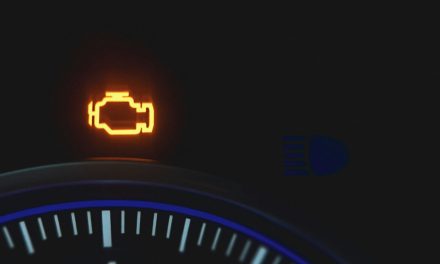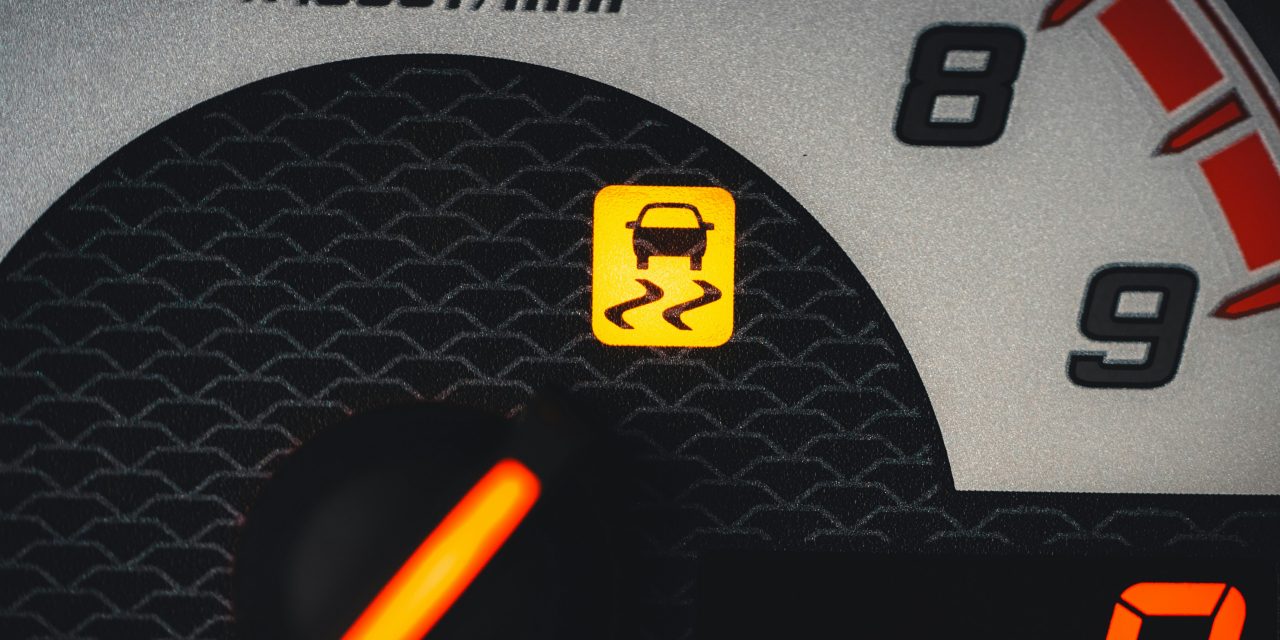
The wrench warning light is an essential indicator found on the dashboards of many modern vehicles, particularly those manufactured by Ford and other brands. This symbol typically resembles a wrench and serves as a crucial alert for drivers regarding potential issues that may require immediate attention. Unlike the check engine light, which can indicate a wide range of problems, the wrench warning light is more specific, often signaling that the vehicle’s onboard diagnostic system has detected a malfunction related to the powertrain or other critical components.
When illuminated, this warning light can evoke concern among drivers, as it suggests that the vehicle may not be operating at optimal performance levels. Understanding the implications of this warning light is vital for maintaining vehicle health and ensuring safety on the road. Ignoring this alert can lead to more severe mechanical failures, increased repair costs, and compromised safety. Therefore, recognizing the meaning behind the wrench warning light is the first step in addressing any underlying issues.
If you’ve recently noticed a wrench warning light on your car’s dashboard, it’s essential to understand what it signifies and how to address it. This warning typically indicates that your vehicle requires maintenance or service, which could range from routine checks to more serious issues. For those interested in maintaining their vehicle’s overall condition, you might find it helpful to read about cleaning techniques for your car’s interior. For instance, you can learn how to clean window tracks and remove dirt from hard-to-reach corners by checking out this related article: How to Clean Window Tracks.
Reason 1: Scheduled Maintenance Reminder
One of the primary reasons for the illumination of the wrench warning light is a scheduled maintenance reminder. Many vehicles are equipped with sophisticated onboard systems that monitor various components and performance metrics. When certain thresholds are reached—such as mileage milestones or time intervals—the system triggers the wrench light to remind drivers that routine maintenance is due.
Scheduled maintenance typically includes oil changes, filter replacements, tire rotations, and inspections of critical systems such as brakes and suspension. Adhering to these maintenance schedules is crucial for prolonging the lifespan of the vehicle and ensuring optimal performance. Ignoring these reminders can lead to decreased fuel efficiency, increased wear on engine components, and ultimately, more significant mechanical issues down the line.
Reason 2: Transmission Issues Detected

Another common cause for the activation of the wrench warning light is related to transmission issues. The transmission is a vital component responsible for transferring power from the engine to the wheels, allowing for smooth acceleration and deceleration. If the vehicle’s onboard diagnostics detect irregularities in transmission performance—such as slipping gears, delayed shifting, or unusual noises—the wrench light may illuminate as a warning sign.
Transmission problems can stem from various factors, including low transmission fluid levels, contamination of fluid, or internal component failures. Addressing these issues promptly is essential to prevent further damage to the transmission system, which can be costly to repair or replace. Regular checks of transmission fluid levels and quality can help mitigate these risks and ensure that the vehicle operates smoothly.
Reason 3: Engine Performance Problems

The wrench warning light may also indicate engine performance problems that require immediate attention. The engine is the heart of any vehicle, and its performance directly impacts overall drivability and efficiency. Issues such as misfires, overheating, or abnormal emissions can trigger the wrench light as part of the vehicle’s diagnostic protocol.
Common causes of engine performance problems include faulty spark plugs, clogged fuel injectors, or issues with the air intake system. These problems can lead to decreased fuel efficiency, increased emissions, and potential engine damage if left unaddressed. Regular engine diagnostics and maintenance checks can help identify these issues early on, allowing for timely repairs and preventing more severe complications.
If you’ve ever seen a car with a wrench warning light, you might be wondering what it signifies for your vehicle’s health. This warning typically indicates that your car requires maintenance or that there is a potential issue that needs attention. To better understand the implications of such warning lights and how to respond to them, you can check out this informative article on car maintenance. For more insights on related topics, you might find this article helpful as it discusses the importance of keeping your vehicle in top shape, just like ensuring your pets are well cared for.
Reason 4: Low or Contaminated Fluids
Fluid levels play a critical role in maintaining vehicle performance and safety. The wrench warning light may illuminate if there are low levels of essential fluids—such as engine oil, transmission fluid, coolant, or brake fluid—or if these fluids become contaminated. Each fluid serves a specific purpose in ensuring that various systems operate efficiently and safely.
For instance, low engine oil levels can lead to increased friction and wear on engine components, while contaminated coolant can result in overheating and potential engine failure. Regularly checking fluid levels and quality is essential for preventing these issues. Drivers should consult their vehicle’s owner manual for recommended fluid change intervals and perform routine inspections to ensure optimal performance.
Reason 5: Sensor Malfunctions or Failures
Modern vehicles are equipped with numerous sensors that monitor various systems and components to ensure optimal performance. If any of these sensors malfunction or fail, it can trigger the wrench warning light as part of the vehicle’s diagnostic response. Common sensor-related issues include problems with the throttle position sensor, mass airflow sensor, or oxygen sensors.
Sensor malfunctions can lead to inaccurate readings and poor performance, affecting fuel efficiency and drivability. Diagnosing sensor issues often requires specialized equipment and expertise, making it essential for drivers to seek professional assistance when faced with this type of problem. Regular maintenance checks can help identify potential sensor issues before they escalate into more significant concerns.
Reason 6: Brake System Concerns
The brake system is one of the most critical safety components in any vehicle. If there are concerns related to brake performance—such as worn brake pads, low brake fluid levels, or issues with the anti-lock braking system (ABS)—the wrench warning light may illuminate as a precautionary measure.
Brake system problems can compromise safety on the road and should never be ignored. Symptoms such as squeaking noises when braking or a spongy brake pedal feel should prompt immediate inspection by a qualified technician. Regular brake inspections and maintenance are essential for ensuring that this vital system operates effectively and safely.
Reason 7: Electrical System Faults
Electrical system faults can also trigger the wrench warning light in modern vehicles equipped with complex electronic systems. Issues such as battery failure, alternator problems, or wiring faults can disrupt power distribution throughout the vehicle, leading to various performance issues.
Diagnosing electrical system faults often requires specialized knowledge and equipment due to the complexity of modern automotive electrical systems. Drivers experiencing symptoms such as dimming lights, erratic dashboard indicators, or difficulty starting the vehicle should seek professional assistance promptly to avoid further complications.
How to Diagnose the Wrench Warning Light
Diagnosing the cause of the wrench warning light involves a systematic approach that includes visual inspections and diagnostic testing. Drivers should begin by checking for any obvious signs of trouble—such as fluid leaks or unusual noises—before consulting their vehicle’s owner manual for specific guidance related to their make and model.
Utilizing an OBD-II scanner can provide valuable insights into any trouble codes stored in the vehicle’s computer system. These codes can help pinpoint specific issues related to engine performance, transmission problems, or sensor malfunctions. However, interpreting these codes often requires expertise; therefore, seeking assistance from a qualified technician is advisable for accurate diagnosis and resolution.
When to Seek Professional Help
While some minor issues may be manageable by drivers themselves, there are instances when seeking professional help is imperative. If the wrench warning light remains illuminated after addressing potential causes—such as fluid checks or routine maintenance—it’s crucial to consult a qualified mechanic or dealership service department.
Additionally, if drivers experience symptoms such as decreased performance, unusual noises, or changes in handling while driving, immediate professional evaluation is warranted. Ignoring these signs can lead to more severe mechanical failures and safety hazards on the road.
Preventative Tips to Avoid Wrench Warning Light Alerts
Preventing the illumination of the wrench warning light involves proactive maintenance practices that promote vehicle health and longevity. Here are several tips to consider:
1. **Regular Maintenance**: Adhere to scheduled maintenance intervals outlined in your owner’s manual.
2. **Fluid Checks**: Routinely inspect fluid levels and quality; replace fluids according to manufacturer recommendations.
3. **Sensor Inspections**: Have sensors checked during regular maintenance visits to ensure proper functionality.
4. **Brake System Maintenance**: Regularly inspect brake components for wear and replace them as needed.
5. **Electrical System Checks**: Periodically assess battery health and electrical connections for signs of wear or corrosion.
6. **Diagnostic Scans**: Utilize OBD-II scanners periodically to check for any stored trouble codes before they escalate into significant issues.
In summary, understanding the implications of the wrench warning light is crucial for maintaining vehicle health and safety on the road. This indicator can signify various issues ranging from scheduled maintenance reminders to serious mechanical failures requiring immediate attention. By adhering to preventative measures and seeking professional assistance when necessary, drivers can mitigate risks associated with this warning light and ensure their vehicles operate at peak performance levels.
FAQs
What does the wrench warning light indicate in a car?
The wrench warning light typically indicates that the vehicle’s onboard diagnostic system has detected a maintenance issue or that scheduled maintenance is due. It serves as a reminder for the driver to check the vehicle’s systems or to take it in for servicing.
Is it safe to drive with the wrench warning light on?
While it may be safe to drive with the wrench warning light on for a short period, it is advisable to address the issue as soon as possible. Ignoring the warning could lead to more significant problems or damage to the vehicle if maintenance is required.
What should I do if the wrench warning light comes on?
If the wrench warning light comes on, you should first consult your vehicle’s owner manual to understand the specific meaning for your model. It is generally recommended to schedule a maintenance appointment with a qualified mechanic to diagnose and resolve any issues.
Can the wrench warning light indicate a serious problem?
Yes, the wrench warning light can indicate a serious problem, especially if it is accompanied by other warning lights or unusual vehicle behavior. It is important to have the vehicle inspected promptly to prevent potential damage or safety hazards.
How can I reset the wrench warning light?
The wrench warning light can often be reset by performing the required maintenance or service. In some cases, it may require a diagnostic tool to clear the light from the vehicle’s computer system. Always refer to the owner’s manual or consult a professional for the correct procedure.