In the realm of automotive engineering, dashboard warning lights serve as critical indicators of a vehicle’s operational status. For Toyota owners, understanding these symbols is paramount for ensuring both safety and longevity of their vehicles. Toyota, renowned for its reliability and innovation, equips its models with an array of dashboard indicators designed to alert drivers to potential issues. These warning lights can range from benign notifications to urgent alerts that require immediate attention. Familiarity with these signals not only enhances the driving experience but also plays a vital role in preventing costly repairs and ensuring safety on the road.
The dashboard of a Toyota vehicle is a sophisticated interface that communicates essential information about the car’s performance. Each light has a specific meaning, often accompanied by color coding—red typically signifies a critical issue requiring immediate action, while yellow or orange indicates caution or a need for maintenance. By paying close attention to these indicators, drivers can proactively address problems before they escalate into more severe complications. This article aims to provide an in-depth understanding of Toyota dashboard warning lights, their meanings, and the appropriate responses to ensure optimal vehicle performance.
If you’re looking to understand what the various Toyota dashboard warning lights mean, you might find it helpful to explore related topics that cover vehicle maintenance and care. For instance, an article on how to remove makeup and foundation stains from clothes can be quite useful, especially if you’ve ever had an accidental spill while driving. You can read more about it in this article: How to Get Makeup and Foundation Stains Out of Clothes.
Understanding the Importance of Warning Lights
Warning lights on a vehicle’s dashboard are not merely decorative; they serve as vital communication tools between the car and its driver. These indicators are designed to alert the driver to various mechanical and electrical issues that may arise during operation. Ignoring these warnings can lead to significant safety hazards, including engine failure, brake malfunction, or electrical system issues. Therefore, understanding the implications of each warning light is crucial for maintaining vehicle integrity and ensuring passenger safety.
Moreover, dashboard warning lights can provide insights into routine maintenance needs. For instance, a light indicating low oil pressure may suggest that an oil change is due or that there is a leak in the system. By addressing these warnings promptly, drivers can avoid more extensive damage and costly repairs down the line. Regularly monitoring dashboard indicators fosters a proactive approach to vehicle maintenance, ultimately enhancing the driving experience and extending the lifespan of the vehicle.
Common Toyota Dashboard Warning Lights and Their Meanings

Toyota vehicles feature a variety of dashboard warning lights, each with distinct meanings. Familiarizing oneself with these symbols can empower drivers to take appropriate action when necessary. Some of the most common warning lights include:
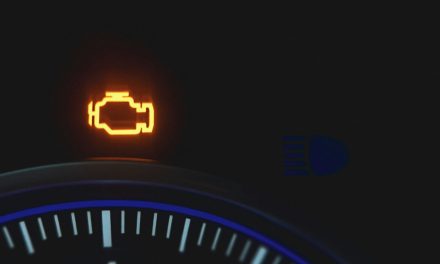
1. **Check Engine Light**: This light can illuminate for various reasons, ranging from minor issues like a loose gas cap to more serious problems such as engine misfires or emissions system failures.
2. **Battery Warning Light**: This indicator signals potential issues with the vehicle’s charging system, including battery failure or alternator problems.
3. **Oil Pressure Warning Light**: When this light appears, it indicates that oil pressure is low, which could lead to severe engine damage if not addressed promptly.
4. **Brake System Warning Light**: This light may indicate a problem with the braking system, such as low brake fluid levels or worn brake pads.
5. **Tire Pressure Monitoring System (TPMS) Light**: This light alerts drivers when tire pressure is below recommended levels, which can affect handling and fuel efficiency.
6. **Temperature Warning Light**: This indicator warns of engine overheating, which can lead to catastrophic engine failure if not addressed immediately.
Understanding these common warning lights equips drivers with the knowledge needed to respond effectively and maintain their vehicles in optimal condition.
Check Engine Light: Causes and Immediate Actions

The Check Engine Light (CEL) is one of the most recognized dashboard indicators among drivers. Its illumination can be triggered by a myriad of factors, ranging from minor to severe. Common causes include a loose or damaged gas cap, faulty oxygen sensors, or issues with the catalytic converter. More serious concerns may involve engine misfires or transmission problems.
When the Check Engine Light activates, it is essential to take immediate action. First, check for any obvious issues such as a loose gas cap; tightening it may resolve the problem. If the light remains illuminated after this simple fix, it is advisable to use an OBD-II scanner to retrieve diagnostic trouble codes (DTCs). These codes provide insight into the specific issue affecting the vehicle. If you are not familiar with interpreting these codes, seeking assistance from a qualified mechanic is recommended. Ignoring this warning could lead to decreased fuel efficiency and increased emissions, ultimately resulting in more significant repairs.
Understanding what Toyota dashboard warning lights mean is crucial for maintaining your vehicle’s health and ensuring your safety on the road. If you’re looking for more insights on vehicle maintenance, you might find this article on a budget-friendly ground beef and cabbage skillet helpful, as it emphasizes the importance of being resourceful in various aspects of life. For more information, you can check out the article here.
Battery Warning Light: What to Do When It Appears
The Battery Warning Light serves as an alert regarding potential issues within the vehicle’s electrical system. When this light illuminates, it may indicate that the battery is not charging correctly or that there is a malfunction in the alternator or battery connections. Ignoring this warning can lead to complete battery failure, leaving you stranded.
Upon noticing the Battery Warning Light, it is crucial to take immediate steps to diagnose the issue. Begin by checking battery terminals for corrosion or loose connections; cleaning and tightening them may resolve the problem. If connections appear secure and clean yet the light persists, it may be necessary to test the battery’s voltage using a multimeter or seek professional assistance. A qualified technician can perform a thorough inspection of the charging system to identify any underlying issues and recommend appropriate repairs or replacements.
Oil Pressure Warning Light: Signs and Safety Measures
The Oil Pressure Warning Light is an essential indicator that alerts drivers when oil pressure drops below safe levels. Low oil pressure can result from insufficient oil levels, oil leaks, or a malfunctioning oil pump. Ignoring this warning can lead to severe engine damage due to inadequate lubrication.
When this light activates, immediate action is required. First, safely pull over and turn off the engine to prevent further damage. After allowing the engine to cool down, check the oil level using the dipstick; if levels are low, add oil as necessary. If oil levels are adequate yet the light remains illuminated, it is imperative to consult a professional mechanic promptly. They can assess for leaks or pump failures and recommend appropriate solutions to restore proper oil pressure.
Brake System Warning Light: How to Respond Safely
The Brake System Warning Light is a critical safety feature that indicates potential issues within the braking system. This light may illuminate due to low brake fluid levels, worn brake pads, or even an issue with the anti-lock braking system (ABS). Ignoring this warning could compromise braking performance and pose significant safety risks.
Upon noticing this warning light, it is essential to respond immediately by pulling over safely and inspecting the brake fluid reservoir for low levels. If fluid levels are low, topping them off may resolve the issue temporarily; however, it is crucial to investigate further for leaks or worn components. If the light persists after addressing fluid levels or if you suspect more serious issues such as brake pad wear or ABS malfunctions, seeking professional assistance is vital for ensuring safe driving conditions.
Tire Pressure Monitoring System (TPMS) Light Explained
The Tire Pressure Monitoring System (TPMS) Light serves as an essential indicator of tire health and safety. When this light illuminates, it signifies that one or more tires are operating below recommended pressure levels. Low tire pressure can adversely affect handling, fuel efficiency, and overall vehicle safety.
When faced with an illuminated TPMS Light, drivers should first check tire pressures using a reliable gauge when tires are cold. If any tires are found to be under-inflated, they should be inflated to the manufacturer’s recommended specifications found in the owner’s manual or on a sticker inside the driver’s door jamb. If tire pressures are adequate yet the TPMS Light remains illuminated, it may indicate a malfunction within the system itself; in such cases, consulting a professional technician is advisable for proper diagnosis and repair.
Temperature Warning Light: Preventing Engine Overheating
The Temperature Warning Light serves as an alert for potential engine overheating—a serious condition that can lead to catastrophic engine failure if not addressed promptly. Factors contributing to overheating may include low coolant levels, a malfunctioning thermostat, or radiator issues.
When this warning light activates while driving, it is crucial to take immediate action by pulling over safely and turning off the engine to prevent further damage. After allowing the engine to cool down, check coolant levels in the reservoir; if levels are low, adding coolant may resolve the issue temporarily. However, if coolant levels are adequate yet overheating persists, it is imperative to seek professional assistance promptly for further diagnosis and repair.
When to Seek Professional Help for Dashboard Warnings
While some dashboard warnings may be resolved through simple checks and maintenance tasks, others require professional intervention for accurate diagnosis and repair. If any warning light remains illuminated after addressing basic concerns—such as checking fluid levels or tire pressures—it is advisable to consult a qualified mechanic without delay.
Additionally, if multiple warning lights illuminate simultaneously or if you experience unusual vehicle behavior—such as strange noises or decreased performance—seeking professional help becomes even more critical. Early intervention can prevent minor issues from escalating into major repairs and ensure your vehicle remains safe and reliable on the road.
Tips for Maintaining Your Toyota to Avoid Warning Lights
Preventative maintenance plays a crucial role in minimizing dashboard warning lights and ensuring optimal vehicle performance. Here are several tips for maintaining your Toyota:
1. **Regular Oil Changes**: Adhere to manufacturer-recommended oil change intervals to ensure proper lubrication and engine health.
2. **Monitor Fluid Levels**: Regularly check coolant, brake fluid, transmission fluid, and power steering fluid levels to prevent potential issues.
3. **Tire Maintenance**: Maintain proper tire pressure and rotate tires regularly to ensure even wear and optimal handling.
4. **Battery Care**: Inspect battery terminals for corrosion and ensure connections are secure; consider replacing batteries every three to five years.
5. **Brake Inspections**: Schedule routine brake inspections to assess pad wear and fluid levels; replace components as necessary.
6. **Stay Informed**: Familiarize yourself with your vehicle’s owner’s manual for specific maintenance schedules and recommendations tailored to your model.
By implementing these preventative measures, drivers can significantly reduce the likelihood of encountering dashboard warning lights while enhancing their overall driving experience.
In summary, understanding Toyota dashboard warning lights is essential for maintaining vehicle safety and performance. Each indicator serves as a vital communication tool that alerts drivers to potential issues requiring attention. By recognizing common warning lights such as the Check Engine Light, Battery Warning Light, Oil Pressure Warning Light, Brake System Warning Light, TPMS Light, and Temperature Warning Light—and responding appropriately—drivers can prevent minor concerns from escalating into significant problems. Regular maintenance practices further contribute to minimizing dashboard warnings while ensuring optimal vehicle operation over time.
FAQs
What do the different colors of Toyota dashboard warning lights indicate?
The colors of Toyota dashboard warning lights indicate the severity of the issue. Red lights typically signify a serious problem that requires immediate attention, such as engine failure or brake issues. Yellow or orange lights indicate a cautionary warning that should be addressed soon, like maintenance reminders or low fuel. Green or blue lights are informational, indicating that a system is active, such as headlights or turn signals.
What should I do if a warning light comes on in my Toyota?
If a warning light comes on in your Toyota, first consult your owner’s manual to identify the specific light and its meaning. For red warning lights, it is advisable to pull over safely and turn off the engine, as continuing to drive could cause further damage. For yellow lights, you should schedule a maintenance check as soon as possible. Always address any warning lights promptly to ensure vehicle safety and performance.
Are there common warning lights that all Toyota models share?
Yes, most Toyota models share common warning lights, including the check engine light, oil pressure warning light, battery warning light, and brake warning light. While the design and layout may vary slightly between models, these lights generally indicate similar issues across the Toyota lineup.
How can I reset the dashboard warning lights in my Toyota?
To reset dashboard warning lights in your Toyota, you typically need to address the underlying issue first. Once the problem is resolved, some lights may reset automatically after a short drive. For others, you may need to disconnect the battery for a few minutes or use an OBD-II scanner to clear the codes. Always refer to your owner’s manual for specific instructions related to your model.
What does the check engine light mean in my Toyota?
The check engine light in your Toyota indicates that the vehicle’s onboard diagnostics system has detected an issue with the engine or emissions system. This could range from a loose gas cap to more serious problems like engine misfires or catalytic converter issues. It is important to have the vehicle diagnosed by a professional to determine the exact cause and necessary repairs.