Selecting the appropriate greens is paramount for ensuring the longevity of your salads. Leafy vegetables such as kale, spinach, arugula, and romaine lettuce not only provide essential nutrients but also have varying shelf lives. For instance, kale is known for its resilience and can last up to a week when stored correctly, while delicate greens like arugula may wilt within a few days. Opting for sturdier varieties can significantly enhance the freshness of your salads over time.
In addition to considering the type of greens, it is crucial to assess their quality at the point of purchase. Look for vibrant colors, firm textures, and avoid any signs of wilting or browning. Fresh greens are rich in vitamins A, C, and K, as well as folate and fiber, contributing to overall health and longevity. By prioritizing quality greens, you set the foundation for a nutritious salad that remains appealing and palatable for an extended period.
If you’re looking for tips on how to keep your meal prep salads from getting soggy, you might find it helpful to explore related articles that offer practical advice for maintaining freshness in your meals. One such article discusses effective strategies for keeping your home fresh by eliminating odors, which can be just as important as meal prep. You can check it out here: How to Get Rid of Cat Litter Box Odor and Keep Your Home Fresh. This article provides insights that can help you create a more pleasant environment for enjoying your delicious, crisp salads.
Wash and Dry Greens Thoroughly
Proper washing and drying of greens is essential to eliminate any residual pesticides, dirt, or bacteria that may compromise their freshness. Begin by rinsing the greens under cold running water, gently separating the leaves to ensure thorough cleaning. For leafy varieties, consider using a salad spinner to remove excess water effectively. This step not only enhances hygiene but also prevents premature spoilage caused by moisture retention.
After washing, it is vital to dry the greens adequately. Excess moisture can lead to sogginess and accelerate decay. Using a clean kitchen towel or paper towels can help absorb any remaining water. Ensuring that greens are completely dry before storage will significantly prolong their crispness and flavor, allowing you to enjoy your salads for days without compromising quality.
Use Airtight Containers to Seal Freshness

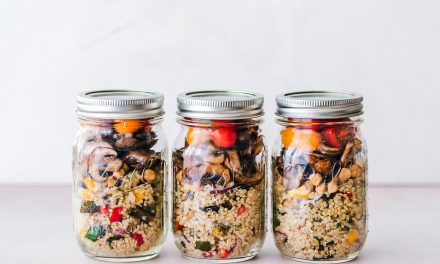
The choice of storage containers plays a critical role in maintaining the freshness of your salad ingredients. Airtight containers are designed to create a sealed environment that minimizes exposure to air, thereby reducing oxidation and spoilage. Glass or BPA-free plastic containers with secure lids are ideal options for storing prepped salads.
When utilizing airtight containers, it is advisable to layer ingredients strategically. Place heavier items at the bottom and lighter greens on top to prevent crushing delicate leaves. This method not only preserves the integrity of each component but also allows for easy access when assembling your salad. By employing airtight containers effectively, you can extend the shelf life of your salads while ensuring they remain crisp and flavorful.
Layer Ingredients Strategically

Strategic layering of salad ingredients is essential for maintaining texture and flavor integrity. Begin with a base of hearty greens, followed by denser vegetables such as cucumbers or bell peppers, which can withstand pressure without becoming mushy. Next, add proteins like grilled chicken or chickpeas, followed by softer ingredients such as tomatoes or avocados.
This method not only enhances visual appeal but also prevents cross-contamination of flavors that could lead to sogginess. By keeping wet ingredients separate from dry ones until serving time, you can ensure that each bite retains its intended taste and texture. Thoughtful layering contributes significantly to the overall enjoyment of your salad while promoting longevity.
When it comes to meal prep, keeping salads fresh and crisp can be a challenge, especially when dealing with dressings and moisture. To enhance your salad storage techniques, you might find it helpful to explore tips on how to store sourdough bread to prevent mold and staling. This article provides insights that can be applied to your salad prep, ensuring that your ingredients remain vibrant and delicious throughout the week. For more information, check out the article here.
Keep Dressings Separate Until Ready to Eat
One of the most effective strategies for preserving salad freshness is to keep dressings separate until just before consumption. Dressings often contain acidic components that can cause greens to wilt prematurely when mixed too early. By storing dressings in small containers or jars, you can maintain the crispness of your salad until you are ready to enjoy it.
When preparing salads in advance, consider portioning out individual servings with their respective dressings. This approach not only simplifies meal prep but also allows for customization based on personal preferences. By delaying the addition of dressings, you ensure that your salads remain vibrant and appealing for longer periods.
If you’re looking for ways to keep your meal prep salads fresh and crisp, you might find it helpful to explore some practical tips. One effective method is to layer your ingredients properly, ensuring that the wetter components, like dressings or tomatoes, are kept separate from the greens until you’re ready to eat. For more insights on maintaining freshness in your meals, check out this informative article on keeping your food prep organized. By implementing these strategies, you can enjoy delicious salads throughout the week without the worry of sogginess.
Add Crunchy Toppings Just Before Serving
To elevate the texture and flavor profile of your salads, consider adding crunchy toppings just before serving. Ingredients such as nuts, seeds, croutons, or crispy bacon bits provide a delightful contrast to the tender greens and vegetables. These toppings not only enhance the overall sensory experience but also contribute additional nutrients and healthy fats.
Incorporating crunchy elements at the last minute prevents them from becoming soggy due to moisture from the salad ingredients or dressings. This practice ensures that each bite remains satisfying and enjoyable. By thoughtfully timing the addition of toppings, you can create a salad that is both visually appealing and texturally diverse.
Store Salads in the Coldest Part of the Fridge
Temperature control is crucial for maintaining the freshness of salads. Storing salads in the coldest part of the refrigerator helps inhibit bacterial growth and slows down enzymatic reactions that lead to spoilage. The ideal temperature for refrigerator storage is between 32°F (0°C) and 40°F (4°C).
To optimize storage conditions, avoid placing salads near the refrigerator door where temperatures fluctuate frequently due to opening and closing. Instead, designate a specific shelf towards the back of the fridge where temperatures remain consistently low. By adhering to proper temperature guidelines, you can significantly extend the shelf life of your salads while preserving their nutritional value.
Incorporate Acidic Ingredients to Preserve Color
Acidic ingredients play a vital role in preserving both color and flavor in salads. Ingredients such as lemon juice, vinegar, or yogurt not only enhance taste but also act as natural preservatives by slowing down oxidation processes that lead to browning in fruits and vegetables. For instance, adding a splash of lemon juice to sliced apples or avocados can prevent them from turning brown.
Incorporating these acidic components into your salad dressing or directly onto cut ingredients can help maintain visual appeal while enhancing overall flavor profiles. This practice not only prolongs freshness but also adds a zesty kick that elevates your salad experience.
Avoid Overloading Containers to Prevent Sogginess
While it may be tempting to pack as many ingredients as possible into a single container, overloading can lead to undesirable outcomes such as sogginess and spoilage. When ingredients are tightly packed together, moisture becomes trapped, creating an environment conducive to decay.
To prevent this issue, consider using multiple containers for larger salads or portioning out individual servings in smaller containers. This approach allows for better airflow around each ingredient while minimizing moisture retention. By avoiding overcrowding, you can ensure that each component remains fresh and enjoyable until it’s time to eat.
Use Paper Towels to Absorb Excess Moisture
Utilizing paper towels within storage containers can be an effective method for absorbing excess moisture that may accumulate over time. Placing a dry paper towel at the bottom of the container or layering it between ingredients helps soak up any moisture released by vegetables or fruits.
This simple yet effective technique not only prolongs freshness but also prevents sogginess that could compromise texture and flavor. Regularly replacing damp paper towels with fresh ones ensures optimal conditions for salad storage while maintaining quality over several days.
Plan Salad Prep with Rotation in Mind
Effective meal planning involves considering ingredient rotation to maximize freshness and minimize waste. When prepping salads in advance, prioritize using older ingredients first while saving fresher items for later use. This practice ensures that nothing goes unused while maintaining optimal quality throughout the week.
Additionally, consider incorporating seasonal produce into your salads for enhanced flavor and nutritional benefits. By aligning your salad prep with seasonal availability, you can create diverse combinations that keep meals exciting while promoting sustainability through reduced food waste.
In summary, selecting appropriate greens, washing thoroughly, utilizing airtight containers, layering strategically, keeping dressings separate, adding toppings last, storing in cold areas, incorporating acidic ingredients, avoiding overcrowding, using paper towels for moisture absorption, and planning with rotation in mind are all essential practices for maintaining salad freshness and longevity. By implementing these strategies into your meal prep routine, you can enjoy vibrant and nutritious salads throughout the week without compromising quality or taste.
### FAQ Section
1. **How long do different types of greens last in the fridge?**
– Sturdy greens like kale can last up to 7 days; romaine lettuce typically lasts 5-7 days; spinach may last 3-5 days; while delicate greens like arugula usually last 2-3 days.
2. **What is the best way to wash leafy greens?**
– Rinse under cold running water while gently separating leaves; consider using a salad spinner for effective drying afterward.
3. **Can I store cut vegetables with my greens?**
– Yes, but ensure they are stored separately if they release moisture; otherwise, they may cause greens to wilt prematurely.
4. **What types of dressings are best for long-term storage?**
– Oil-based dressings tend to last longer than creamy ones; vinaigrettes made with vinegar or citrus juice are excellent choices.
5. **How do I know if my salad has gone bad?**
– Signs include wilting leaves, off odors, discoloration (especially browning), or slimy textures; discard any questionable items immediately.
6. **Is it safe to eat salads after several days in the fridge?**
– Generally yes if stored properly; however, always check for signs of spoilage before consumption.
7. **Can I freeze salads?**
– Freezing is not recommended as it alters texture; however, some components like cooked grains or proteins can be frozen separately.
8. **What are some good crunchy toppings for salads?**
– Nuts (almonds, walnuts), seeds (pumpkin seeds), croutons, crispy chickpeas, or tortilla strips add delightful crunch.
9. **How do I prevent my avocado from browning in salads?**
– Use lemon juice or lime juice on cut avocado; store it with pits if possible; consume within a day or two for best results.
10. **What should I do if my salad becomes soggy?**
– If sogginess occurs after storage, try draining excess moisture; adding fresh crunchy toppings may help improve texture before serving.
In conclusion, by implementing these comprehensive strategies into your salad preparation routine—ranging from selecting appropriate greens to employing effective storage techniques—you can significantly enhance both the longevity and enjoyment of your salads while reaping their numerous health benefits.
FAQs
What are the best types of greens to use for meal prep salads to prevent sogginess?
Leafy greens such as kale, romaine, and cabbage are excellent choices for meal prep salads as they are sturdier and less prone to wilting compared to more delicate greens like spinach or arugula. These greens can hold up better against moisture and maintain their texture over time.
How can I layer ingredients in my salad to keep it fresh longer?
To keep your salad fresh, layer your ingredients strategically. Start with the dressing at the bottom of the container, followed by hearty vegetables like carrots and bell peppers, then add proteins such as chicken or beans, and finally top with greens. This prevents the greens from coming into contact with moisture until you’re ready to eat.
What role does moisture control play in preventing soggy salads?
Moisture control is crucial in preventing soggy salads. Excess moisture can lead to wilting and spoilage. To minimize moisture, ensure that all ingredients are thoroughly dried after washing, and consider using paper towels or a salad spinner. Additionally, avoid adding wet ingredients until just before serving.
Can I use dressings to help keep my salad ingredients fresh?
Yes, using dressings wisely can help keep salad ingredients fresh. Opt for thicker dressings or vinaigrettes that can coat the ingredients without making them soggy. You can also store the dressing separately and add it just before eating to maintain the crispness of the salad.
How long can meal prep salads be stored in the refrigerator without getting soggy?
Meal prep salads can typically be stored in the refrigerator for 3 to 5 days without getting soggy, provided they are layered correctly and stored in airtight containers. However, the freshness may vary depending on the ingredients used, so it’s best to consume them within the first few days for optimal taste and texture.