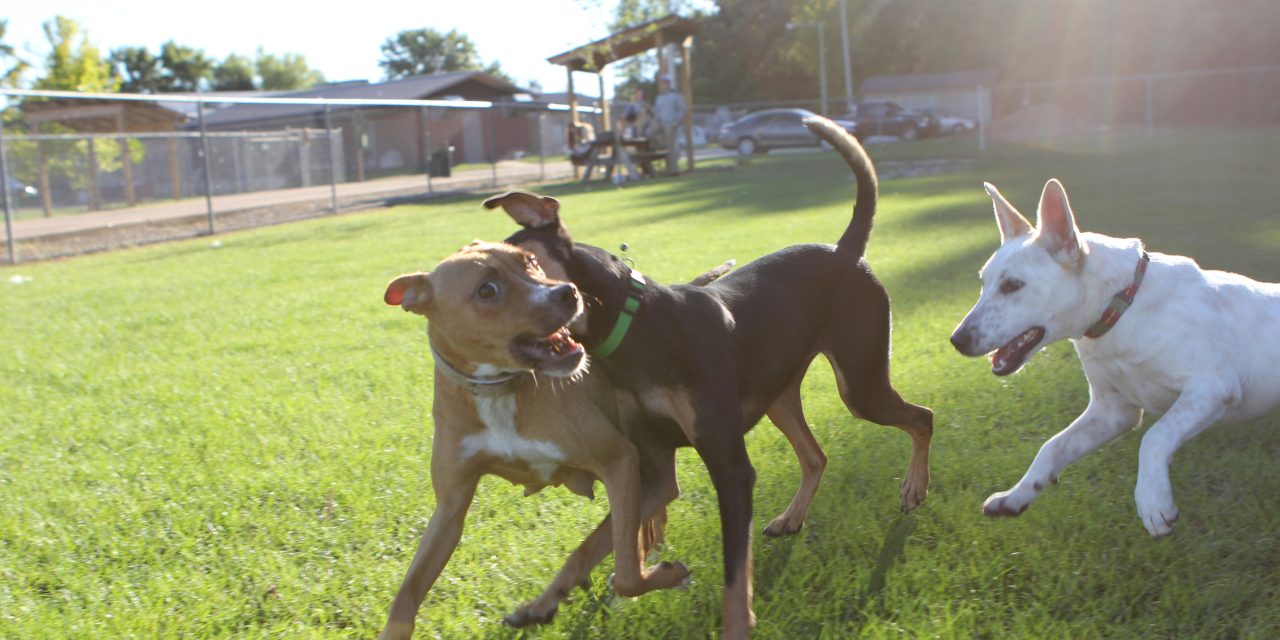
Doggy daycare has emerged as a vital resource for pet owners seeking to provide their furry companions with socialization, exercise, and mental stimulation. One of the primary advantages of enrolling a puppy in daycare is the opportunity for social interaction with other dogs. This exposure is crucial for developing appropriate canine behavior, as puppies learn to communicate and engage with their peers in a controlled environment. Furthermore, the structured activities offered at daycare facilities can help alleviate boredom and reduce destructive behaviors often associated with loneliness or lack of stimulation.
In addition to socialization, doggy daycare provides physical exercise that is essential for a puppy’s overall health. Regular playtime and interaction with other dogs can help maintain a healthy weight, improve cardiovascular fitness, and strengthen muscles. Moreover, the mental challenges presented through various activities can enhance cognitive development, leading to a more well-rounded and balanced pet. Overall, doggy daycare serves as an enriching experience that promotes both physical and emotional well-being for puppies.
Choosing the Right Doggy Daycare for Your Puppy
Selecting an appropriate doggy daycare requires careful consideration of several factors to ensure the safety and happiness of your puppy. Begin by researching local facilities and reading reviews from other pet owners. Look for establishments that prioritize safety, cleanliness, and staff qualifications. A reputable daycare should have trained personnel who understand canine behavior and can effectively manage group dynamics.
Additionally, visit potential daycare facilities in person to assess their environment. Observe how staff interacts with the dogs and whether they maintain a structured schedule of activities. Pay attention to the space available for play; it should be spacious enough to accommodate various breeds while providing separate areas for different sizes or temperaments. Furthermore, inquire about the daycare’s policies regarding vaccinations and health checks to ensure that all attending dogs are healthy and up-to-date on their immunizations.
Preparing Your Puppy for Their First Day

Preparation is key to ensuring a smooth transition for your puppy’s first day at daycare. Start by familiarizing your puppy with the facility before their initial visit. Many daycares offer introductory sessions or tours that allow your puppy to explore the environment while you observe their reactions. This gradual exposure can help reduce anxiety on their first official day.
Additionally, practice basic commands such as “sit,” “stay,” and “come” with your puppy prior to their daycare experience. These commands will not only enhance their obedience but also facilitate communication with daycare staff. It is also beneficial to establish a consistent routine leading up to daycare days, including feeding schedules and potty breaks, to help your puppy feel secure and comfortable.
Vaccination and Health Requirements to Know

Before enrolling your puppy in daycare, it is essential to understand the vaccination and health requirements mandated by most facilities. Common vaccinations include rabies, distemper, parvovirus, and Bordetella (kennel cough). These vaccinations protect not only your puppy but also other dogs in the facility from contagious diseases.
In addition to vaccinations, many daycares require proof of a recent health check from a veterinarian. This ensures that your puppy is free from parasites and other health issues that could pose a risk to themselves or other dogs. It is advisable to keep an updated record of your puppy’s vaccinations and health status readily available for daycare staff.
Packing the Essentials: What to Bring to Daycare
When preparing for your puppy’s day at daycare, packing the right essentials can make a significant difference in their comfort and enjoyment. Start with a well-fitting collar or harness that includes identification tags with your contact information. This ensures that your puppy can be easily identified in case they wander off or become separated from the group.
Additionally, consider bringing a favorite toy or blanket that carries familiar scents. These items can provide comfort and reassurance during moments of anxiety or stress. If your puppy has specific dietary needs or allergies, pack their food along with feeding instructions to ensure they receive appropriate nutrition throughout the day. Lastly, don’t forget to include any necessary medications or supplements that your puppy may require.
Socialization Tips for Positive Puppy Interactions
Socialization is a critical aspect of a puppy’s development, and doggy daycare provides an excellent opportunity for positive interactions with other dogs. To facilitate successful socialization experiences, it is important to monitor your puppy’s behavior closely during playtime. Encourage positive interactions by rewarding good behavior with treats or praise when they engage appropriately with other dogs.
If your puppy exhibits signs of fear or aggression, it is essential to intervene calmly and redirect their attention towards more positive interactions. Gradually introduce them to new dogs in a controlled manner, allowing them to acclimate at their own pace. Additionally, consider enrolling your puppy in basic obedience classes prior to daycare attendance; this can enhance their confidence and improve their social skills.
Monitoring Your Puppy’s Behavior and Well-being
Once your puppy begins attending daycare, it is crucial to monitor their behavior and overall well-being closely. Observe how they interact with other dogs and staff members during drop-off and pick-up times. Look for signs of stress or discomfort, such as excessive barking, hiding, or reluctance to engage in play.
Regular communication with daycare staff can provide valuable insights into your puppy’s behavior throughout the day. Staff members can offer feedback on how your puppy interacts with others and whether they are adapting well to the environment. If any concerning behaviors arise, address them promptly by discussing potential solutions with both the staff and your veterinarian.
Communicating Effectively with Daycare Staff
Effective communication with daycare staff is essential for ensuring a positive experience for both you and your puppy. Establishing a rapport with caregivers allows you to share important information about your puppy’s personality, preferences, and any specific concerns you may have regarding their behavior or health.
When dropping off or picking up your puppy, take a moment to discuss any changes in behavior you may have noticed at home or any new developments in their health status. Additionally, inquire about how your puppy has been adjusting to daycare life; this feedback can help you make informed decisions about their ongoing care.
Managing Separation Anxiety in Puppies
Separation anxiety is a common issue among puppies, particularly when they are first introduced to doggy daycare. To help alleviate anxiety, gradually acclimate your puppy to being away from you by starting with short periods of separation at home before transitioning to longer hours at daycare.
Consider using positive reinforcement techniques when leaving your puppy at daycare; reward them with treats or praise when they remain calm during drop-off. Additionally, creating a consistent goodbye routine can help signal that you will return later, providing reassurance for your puppy.
Establishing a Consistent Routine for Daycare Days
Establishing a consistent routine on daycare days can significantly benefit your puppy’s emotional well-being. Consistency helps create a sense of security and predictability in their daily life. Begin by setting regular times for feeding, potty breaks, and playtime before heading off to daycare.
Incorporate calming activities into your routine as well; consider taking your puppy for a short walk or engaging in playtime before leaving them at daycare. This can help expend excess energy and promote relaxation during their time away from home.
Evaluating and Adjusting Your Puppy’s Daycare Experience
As your puppy continues attending daycare, it is important to regularly evaluate their experience and make adjustments as needed. Pay attention to any changes in behavior at home; if you notice increased anxiety or reluctance to attend daycare, it may be time to reassess their environment or schedule.
Engage in open discussions with daycare staff regarding your observations; they may provide valuable insights into how your puppy is adapting and suggest modifications that could enhance their experience. Whether it involves adjusting playgroups or altering attendance frequency, being proactive in evaluating your puppy’s needs will ensure they thrive in their daycare environment.
In summary, doggy daycare offers numerous benefits for puppies, including socialization opportunities, physical exercise, and mental stimulation. Choosing the right facility involves thorough research and consideration of vaccination requirements while preparing your puppy for their first day is crucial for easing anxiety. Effective communication with staff members enhances the overall experience while monitoring behavior ensures well-being. By managing separation anxiety and establishing consistent routines, pet owners can create a positive daycare experience tailored to their puppies’ needs. Regular evaluation allows for adjustments that promote continued growth and happiness in this enriching environment.
FAQs
What is doggy daycare for puppies?
Doggy daycare for puppies is a supervised environment where young dogs can socialize, play, and receive care while their owners are away. It provides a safe space for puppies to interact with other dogs and humans, helping them develop social skills and reduce separation anxiety.
What are the benefits of sending my puppy to daycare?
Sending your puppy to daycare offers numerous benefits, including socialization with other dogs, mental stimulation through play and activities, and physical exercise. It can also help alleviate boredom and destructive behaviors at home, as well as provide a structured routine for your puppy.
What should I look for in a doggy daycare for puppies?
When choosing a doggy daycare for your puppy, consider factors such as the facility’s cleanliness, staff qualifications, safety measures, and the ratio of staff to dogs. It’s also important to check if they have separate areas for different sizes and temperaments of dogs, as well as their policies on vaccinations and health checks.
How do I prepare my puppy for daycare?
To prepare your puppy for daycare, start by ensuring they are up-to-date on vaccinations and have been socialized with other dogs. Gradually introduce them to the daycare environment by visiting beforehand, allowing them to explore and meet staff. You can also practice short separations to help them adjust to being away from you.
What should I expect on my puppy’s first day at daycare?
On your puppy’s first day at daycare, expect a gradual introduction to the environment. Staff will likely assess your puppy’s temperament and behavior before integrating them into playgroups. You may also receive updates on how your puppy is adjusting, and it’s common for puppies to be tired after their first day due to the excitement and stimulation.