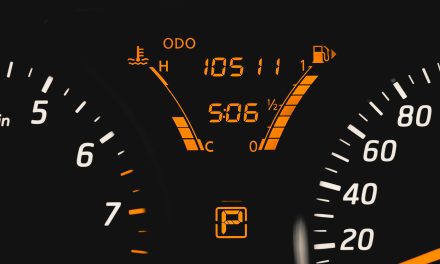
The oil pressure warning light is a critical indicator on a vehicle’s dashboard, serving as an essential alert system for the driver regarding the engine’s lubrication status. This light typically resembles an oil can or a drop of oil, and its illumination signifies that the oil pressure within the engine has fallen below the optimal level necessary for proper lubrication. Maintaining adequate oil pressure is vital for the longevity and performance of an engine, as it ensures that all moving parts are adequately lubricated, reducing friction and wear.
When the oil pressure warning light activates, it is imperative to take immediate action. Ignoring this warning can lead to severe engine damage, including overheating, increased wear on components, and ultimately, catastrophic engine failure. Understanding the underlying causes of this warning light is crucial for effective diagnosis and resolution. The following sections will delve into various factors that can contribute to low oil pressure, providing insights into prevention and treatment options.
Understanding the oil pressure warning light is crucial for maintaining your vehicle’s health, as it can indicate potential issues with the engine’s lubrication system. For more insights on ensuring safety in everyday tasks, you might find this article on cooking chicken helpful: How to Tell When Chicken is Fully Cooked Without Guessing.
Low Oil Level: The Most Common Cause
One of the most prevalent reasons for the activation of the oil pressure warning light is a low oil level. Engine oil serves multiple functions, including lubrication, cooling, and cleaning of engine components. When the oil level drops below the recommended threshold, it can lead to insufficient lubrication, resulting in increased friction and heat generation within the engine.
Several factors can contribute to low oil levels, including oil leaks, consumption due to engine wear, or inadequate maintenance practices. Regularly checking the oil level using the dipstick is essential for vehicle owners. It is advisable to perform this check at least once a month or before long trips. If low oil levels are detected, topping off with the appropriate type of oil can help restore proper lubrication and prevent further complications.
Faulty Oil Pressure Sensor or Switch

Another significant cause of an illuminated oil pressure warning light is a malfunctioning oil pressure sensor or switch. These components are responsible for monitoring the oil pressure within the engine and sending signals to the vehicle’s onboard computer system. If either component fails, it may provide inaccurate readings, leading to a false alarm.
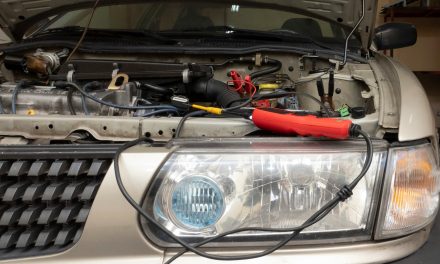
Diagnosing a faulty sensor typically involves using specialized diagnostic equipment to assess the electrical signals being transmitted. If a malfunction is confirmed, replacing the sensor or switch is often a straightforward procedure that can restore accurate readings and eliminate unnecessary concerns regarding oil pressure.
Worn Engine Bearings Affecting Pressure

Worn engine bearings can significantly impact oil pressure levels within an engine. Bearings are designed to support rotating components while minimizing friction. Over time, wear and tear can lead to increased clearance between the bearing surfaces, resulting in reduced oil pressure as the lubricant escapes through these gaps.
To address this issue, a thorough inspection of the engine’s internal components is necessary. If significant wear is detected, it may be necessary to replace the bearings or even consider a complete engine rebuild in severe cases. Regular maintenance practices, including timely oil changes and using high-quality lubricants, can help mitigate wear on bearings and prolong engine life.
Understanding the implications of the oil pressure warning light is crucial for maintaining your vehicle’s health and performance. If you’re interested in learning more about vehicle maintenance and troubleshooting, you might find this related article on cooking tips and techniques surprisingly relevant, as it emphasizes the importance of attention to detail in any process. For more insights, check out this article that highlights how careful preparation can lead to better outcomes, whether in the kitchen or under the hood of your car.
Oil Pump Malfunction or Failure
The oil pump plays a crucial role in maintaining adequate oil pressure by circulating lubricant throughout the engine. A malfunctioning or failed oil pump can lead to a rapid drop in oil pressure, triggering the warning light on the dashboard. Common symptoms of an oil pump issue include unusual noises from the engine and fluctuating oil pressure readings.
Diagnosing an oil pump problem typically involves checking for signs of wear or damage and assessing its performance under various operating conditions. If a malfunction is confirmed, replacing the oil pump is essential to restore proper lubrication and prevent potential engine damage.
Understanding what the oil pressure warning light means is crucial for maintaining your vehicle’s health and preventing potential engine damage. If you’re interested in optimizing your home as well, you might find some inspiration in this article about clever laundry room storage ideas. By maximizing space in your laundry area, you can create a more organized environment, which can be just as important as keeping your car in good condition. For more details, check out the article here: clever laundry room storage ideas.
Clogged Oil Filter Restricting Flow
A clogged oil filter can also contribute to low oil pressure by restricting the flow of lubricant throughout the engine. Oil filters are designed to trap contaminants and debris, ensuring that only clean oil circulates within the engine. However, over time, filters can become saturated with particles, leading to reduced flow rates and increased pressure within the filter itself.
To prevent this issue, it is crucial to adhere to a regular maintenance schedule that includes timely oil filter replacements. Most manufacturers recommend changing the oil filter with every oil change to ensure optimal performance and prevent clogging.
Using Incorrect Oil Viscosity
The viscosity of engine oil plays a vital role in maintaining proper lubrication and pressure levels within an engine. Using oil with incorrect viscosity can lead to inadequate lubrication during cold starts or excessive thinning at high temperatures. Both scenarios can result in fluctuating or low oil pressure readings.
To avoid this issue, vehicle owners should always refer to their owner’s manual for recommendations on the appropriate viscosity grade for their specific engine type. Additionally, seasonal changes may necessitate adjustments in viscosity; for example, thicker oils may be required during colder months to ensure proper lubrication during startup.
Oil Leaks Leading to Pressure Drop
Oil leaks are another common cause of low oil pressure and can arise from various sources within an engine. Common leak points include gaskets, seals, and connections between components. When oil escapes from these areas, it not only reduces the overall level but also compromises lubrication efficiency.
Identifying and addressing leaks promptly is essential for maintaining optimal engine performance. Regular inspections can help detect signs of leakage early on, allowing for timely repairs before significant damage occurs. Utilizing high-quality gaskets and seals during maintenance can also help minimize leak risks.
Engine Overheating Impacting Oil Performance
Engine overheating can have detrimental effects on oil performance and pressure levels. High temperatures can cause engine oil to break down more rapidly, leading to reduced viscosity and compromised lubrication properties. This degradation can result in increased friction between moving parts and ultimately trigger the oil pressure warning light.
To prevent overheating-related issues, it is crucial to maintain proper cooling system function through regular inspections of coolant levels, hoses, and radiator performance. Additionally, ensuring that the engine operates within its optimal temperature range can help preserve oil integrity and maintain adequate pressure levels.
Electrical Issues Triggering False Warnings
Electrical issues within a vehicle’s onboard computer system can sometimes trigger false warnings regarding oil pressure levels. Faulty wiring, corroded connectors, or issues with the vehicle’s battery can lead to erroneous signals being sent to the dashboard indicator lights.
Diagnosing electrical problems typically requires specialized diagnostic tools capable of assessing both electrical connections and sensor functionality. If electrical issues are identified as the root cause of false warnings, repairs may involve replacing damaged wiring or connectors to restore accurate communication between components.
What to Do When the Oil Pressure Light Comes On
When the oil pressure warning light illuminates on your dashboard, immediate action is necessary to prevent potential engine damage. The first step is to safely pull over and turn off the engine as soon as possible. Continuing to drive with low oil pressure can exacerbate existing issues and lead to catastrophic failure.
Once stopped, check the oil level using the dipstick; if it is low, add the appropriate type of oil as specified in your owner’s manual. If adding oil does not resolve the issue or if there are signs of leaks or other abnormalities, it is advisable to consult a qualified mechanic for further diagnosis and repair.
In conclusion, understanding the various causes behind an illuminated oil pressure warning light is essential for maintaining optimal engine performance and longevity. Regular maintenance practices such as checking oil levels, replacing filters, and adhering to manufacturer recommendations regarding viscosity can significantly reduce risks associated with low oil pressure. By being proactive in addressing potential issues early on, vehicle owners can ensure their engines remain healthy and functional for years to come.
### FAQ Section
1. **What does it mean when my oil pressure light comes on?**
– It indicates that your engine’s oil pressure has dropped below safe levels, which could lead to serious damage if not addressed promptly.
2. **How often should I check my oil level?**
– It is recommended to check your oil level at least once a month or before long trips.
3. **Can I drive my car if the oil pressure light is on?**
– No, you should pull over immediately and turn off your engine to prevent potential damage.
4. **What type of oil should I use?**
– Always refer to your owner’s manual for specific viscosity recommendations based on your vehicle’s make and model.
5. **How do I know if my oil filter needs changing?**
– If you notice decreased performance or if your vehicle has reached its recommended mileage for an oil change (usually every 3,000-7,500 miles), it’s time for a filter change.
6. **What are signs of an overheating engine?**
– Common signs include steam rising from under the hood, unusual smells (burning), or fluctuating temperature gauges.
7. **How do I identify an oil leak?**
– Look for dark puddles under your vehicle or check for wet spots around gaskets and seals.
8. **What should I do if my sensor is faulty?**
– A qualified mechanic should replace any faulty sensors or switches to ensure accurate readings.
9. **Can using synthetic oil help with low pressure?**
– Yes, synthetic oils often provide better protection against breakdown at high temperatures compared to conventional oils.
10. **What are some preventative measures I can take?**
– Regularly change your oil and filter, monitor fluid levels frequently, and address any leaks or mechanical issues promptly.
In summary, understanding your vehicle’s lubrication system is crucial for maintaining its health and performance. The activation of the oil pressure warning light should never be ignored; instead, it should prompt immediate investigation into potential causes ranging from low fluid levels to mechanical failures. By adhering to regular maintenance schedules and being vigilant about monitoring your vehicle’s condition, you can significantly reduce risks associated with low oil pressure and ensure your engine operates smoothly for years ahead.
FAQs
What does the oil pressure warning light indicate?
The oil pressure warning light indicates that the oil pressure in the engine is below the normal range. This can be due to low oil levels, a failing oil pump, or a blockage in the oil passages, which can lead to serious engine damage if not addressed promptly.
What should I do if the oil pressure warning light comes on?
If the oil pressure warning light comes on while driving, you should pull over safely and turn off the engine as soon as possible. Check the oil level using the dipstick, and if it’s low, add oil. If the light remains on after adding oil or if the oil level is normal, it’s important to have the vehicle inspected by a mechanic immediately.
Can I continue driving if the oil pressure warning light is on?
No, you should not continue driving if the oil pressure warning light is on. Continuing to drive can cause severe engine damage due to inadequate lubrication, which can lead to costly repairs or even engine failure.
What are common causes of low oil pressure?
Common causes of low oil pressure include low oil levels, a malfunctioning oil pump, oil leaks, a clogged oil filter, or worn engine bearings. Regular maintenance and oil changes can help prevent these issues.
How can I prevent oil pressure issues in my vehicle?
To prevent oil pressure issues, regularly check and maintain your oil levels, change the oil and oil filter as recommended by your vehicle manufacturer, and address any leaks or mechanical issues promptly. Additionally, using the correct type of oil for your engine can help maintain optimal oil pressure.