Creating a weekly menu that emphasizes variety is essential for maintaining a balanced diet and preventing meal fatigue. A well-structured plan not only ensures nutritional adequacy but also enhances the overall dining experience. When planning, consider incorporating a diverse range of food groups, including fruits, vegetables, whole grains, lean proteins, and healthy fats. This approach not only satisfies different taste preferences but also provides a spectrum of vitamins and minerals necessary for optimal health.
To effectively plan your menu, start by selecting a theme for each day of the week. For instance, you might designate Meatless Mondays, Taco Tuesdays, or Stir-Fry Wednesdays. This thematic approach can simplify decision-making and inspire creativity in the kitchen. Additionally, consider seasonal produce to maximize freshness and flavor while supporting local agriculture. By rotating ingredients and themes, you can ensure that your meals remain exciting and nutritionally balanced throughout the week.
If you’re looking to meal prep without getting bored of the same meals every day, it’s essential to incorporate a variety of flavors and ingredients into your dishes. One great resource to enhance your meal prep is an article on cooking shrimp perfectly, which can add a delicious and versatile protein to your meals. You can check out the article here: How to Cook Shrimp Perfectly Without Making It Rubbery. By mastering different cooking techniques and flavor profiles, you can create a diverse meal plan that keeps your taste buds excited throughout the week.
Batch Cook Base Ingredients for Multiple Meals
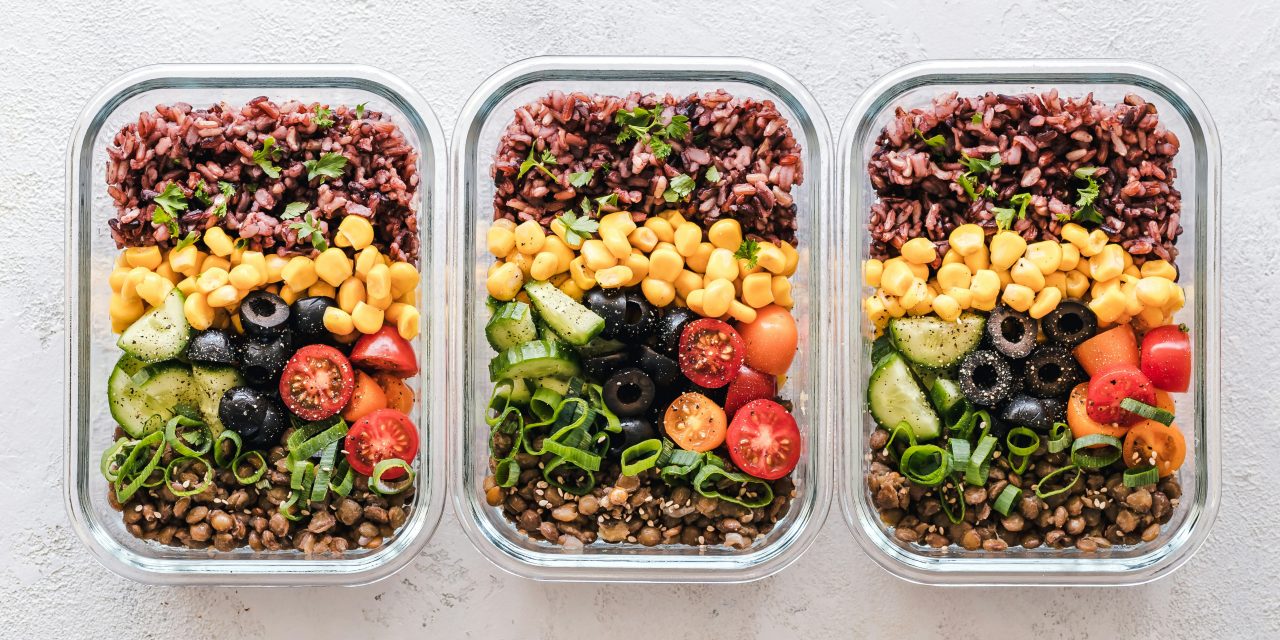
Batch cooking is a strategic method that involves preparing large quantities of base ingredients to streamline meal preparation throughout the week. This technique not only saves time but also reduces food waste and promotes healthier eating habits. Common base ingredients include grains such as quinoa or brown rice, legumes like lentils or chickpeas, and roasted vegetables. By cooking these staples in bulk, you can easily mix and match them to create various dishes.
For optimal results, designate a specific day for batch cooking—often referred to as “meal prep Sunday.” During this time, cook your chosen base ingredients and store them in airtight containers in the refrigerator or freezer. This practice allows you to quickly assemble meals during busy weekdays without compromising on nutrition or flavor. Furthermore, batch cooking encourages portion control, as you can pre-portion meals into individual servings, making it easier to adhere to dietary goals.
Use Different Seasoning Blends to Change Flavors

Seasoning is a powerful tool that can transform a simple dish into a culinary masterpiece. By utilizing various seasoning blends, you can easily alter the flavor profile of your meals without adding excessive calories or sodium. Consider creating a spice cabinet stocked with essentials such as cumin, paprika, garlic powder, and Italian herbs. Additionally, explore international spice blends like garam masala, za’atar, or herbes de Provence to introduce new flavors to your repertoire.
Experimenting with different seasoning combinations can also enhance the sensory experience of your meals. For example, a sprinkle of smoked paprika can add depth to roasted vegetables, while a dash of curry powder can elevate a basic lentil soup. By incorporating diverse seasonings throughout the week, you can keep your palate engaged and excited about mealtime.
Incorporate a Mix of Proteins Throughout the Week

Protein is a crucial macronutrient that plays a vital role in muscle repair, immune function, and overall health. To ensure adequate protein intake while avoiding monotony, aim to incorporate a variety of protein sources throughout the week. This can include animal-based proteins such as chicken, fish, and eggs, as well as plant-based options like tofu, tempeh, beans, and nuts.
By diversifying your protein sources, you not only enhance the nutritional profile of your meals but also introduce different textures and flavors. For instance, grilled salmon paired with quinoa and steamed broccoli offers a different experience than a chickpea salad with avocado and cherry tomatoes. Additionally, rotating protein sources can help prevent dietary boredom and encourage exploration of new recipes.
If you’re looking to meal prep without the monotony of eating the same dish every day, you might find it helpful to explore creative strategies that keep your meals exciting. One useful resource is an article that discusses various meal prep techniques, offering tips on how to incorporate diverse ingredients and flavors into your weekly plan. By experimenting with different cuisines and seasonal produce, you can enjoy a variety of meals while still benefiting from the convenience of meal prepping. For more insights, check out this informative piece on meal prep strategies.
Prep Versatile Sauces and Dressings in Advance
Sauces and dressings are essential components that can elevate any dish from ordinary to extraordinary. Preparing these condiments in advance allows for quick flavor enhancements without the need for extensive cooking during busy weekdays. Consider making versatile sauces such as tahini dressing, chimichurri, or marinara sauce that can be used across various dishes.
When preparing sauces, store them in airtight containers in the refrigerator for easy access throughout the week. A well-prepared sauce can transform grilled vegetables into a gourmet dish or turn a simple salad into a satisfying meal. By having an array of sauces on hand, you can easily customize your meals based on personal preferences or dietary needs.
Rotate Between Grains and Starches for Diversity
Grains and starches are fundamental components of a balanced diet that provide essential carbohydrates for energy. However, consuming the same grain repeatedly can lead to dietary monotony. To combat this issue, rotate between various grains and starches throughout the week. Options include quinoa, brown rice, farro, barley, sweet potatoes, and whole-grain pasta.
Each grain offers unique nutritional benefits; for example, quinoa is a complete protein source while sweet potatoes are rich in beta-carotene. By incorporating different grains into your meals, you not only diversify your nutrient intake but also introduce new textures and flavors that enhance the overall dining experience. Experimenting with various cooking methods—such as roasting sweet potatoes or pilaf-style cooking for grains—can further elevate your meals.
Include Fresh and Frozen Vegetables for Texture Contrast
Vegetables are an indispensable part of any healthy diet due to their high fiber content and abundance of vitamins and minerals. To maximize nutritional benefits while maintaining variety in texture and flavor, incorporate both fresh and frozen vegetables into your weekly menu. Fresh vegetables provide crispness and vibrant colors, while frozen options offer convenience and longer shelf life without sacrificing nutritional value.
When planning meals, consider using fresh vegetables in salads or stir-fries for added crunch and flavor. Conversely, frozen vegetables can be quickly steamed or sautéed as side dishes or incorporated into soups and casseroles. By combining both fresh and frozen options, you can create visually appealing dishes that are rich in nutrients while ensuring that you always have vegetables on hand.
Utilize Mason Jars for Layered and Portable Meals
Mason jars have gained popularity as an innovative solution for meal prep due to their versatility and aesthetic appeal. These glass containers are perfect for creating layered salads or overnight oats that are both visually appealing and portable. The layering technique allows for easy assembly while keeping ingredients fresh until mealtime.
To create a layered salad in a mason jar, start with dressing at the bottom to prevent sogginess, followed by hearty ingredients like grains or beans, then add vegetables, proteins, and finally leafy greens on top. When ready to eat, simply shake the jar to mix the ingredients together. This method not only simplifies meal prep but also encourages healthy eating habits by making nutritious options readily accessible.
Experiment with International Cuisines for Inspiration
Exploring international cuisines is an excellent way to infuse variety into your weekly menu while expanding your culinary skills. Each culture offers unique flavors, ingredients, and cooking techniques that can inspire creativity in the kitchen. Consider dedicating one night each week to try a new cuisine—such as Thai curry, Mexican enchiladas, or Indian dal—to broaden your palate.
Researching traditional recipes from different cultures can also provide insight into how various ingredients work together harmoniously. Additionally, experimenting with international cuisines encourages the use of diverse spices and cooking methods that may not be part of your usual repertoire. This exploration not only enhances your cooking skills but also fosters appreciation for global culinary traditions.
Freeze Individual Portions for Quick Meal Swaps
Freezing individual portions of meals is an effective strategy for ensuring that healthy options are always available when time is limited. By preparing larger batches of soups, stews, or casseroles and portioning them into single-serving containers before freezing, you create convenient meal options that can be easily reheated on busy days.
When freezing meals, label each container with the date prepared and contents to avoid confusion later on. This practice allows you to quickly swap out meals based on cravings or dietary needs without compromising on nutrition or flavor. Additionally, having frozen meals on hand can help reduce reliance on takeout or processed foods during hectic weeks.
Keep a Meal Prep Journal to Track Favorites and Adjustments
Maintaining a meal prep journal is an invaluable tool for tracking your culinary journey while refining your meal planning strategies over time. In this journal, document recipes you’ve tried, notes on flavor combinations that worked well or didn’t resonate with your palate, and any adjustments made to improve dishes.
By regularly reviewing your journal entries, you can identify patterns in your preferences and make informed decisions about future meal planning endeavors. This practice not only enhances your cooking skills but also fosters mindfulness around food choices—ultimately leading to healthier eating habits over time.
In summary, planning a weekly menu with variety in mind is essential for maintaining a balanced diet while preventing meal fatigue. Batch cooking base ingredients streamlines meal preparation while diverse seasoning blends enhance flavor profiles across dishes. Incorporating various proteins ensures nutritional adequacy while prepping versatile sauces adds convenience to mealtime. Rotating grains and starches introduces diversity in texture while utilizing fresh and frozen vegetables maximizes nutritional benefits. Mason jars offer portable meal solutions while experimenting with international cuisines inspires creativity in the kitchen. Freezing individual portions provides quick meal swaps when time is limited while keeping a meal prep journal helps track favorites and adjustments over time—ultimately leading to healthier eating habits.
FAQs
What is meal prepping?
Meal prepping is the process of preparing meals in advance to save time and ensure healthy eating throughout the week. This can involve cooking large batches of food, portioning them into containers, and storing them in the refrigerator or freezer for easy access.
How can I avoid eating the same meals every day while meal prepping?
To avoid monotony, you can diversify your meal prep by using different proteins, grains, and vegetables each week. Incorporating various spices, sauces, and cooking methods can also help create distinct flavors and textures, making each meal feel unique.
What are some strategies for meal prepping a variety of meals?
One effective strategy is to choose a theme for each day of the week, such as “Taco Tuesday” or “Stir-Fry Saturday.” Additionally, you can batch-cook versatile ingredients like quinoa or roasted vegetables that can be used in multiple dishes, allowing for different combinations throughout the week.
Can I meal prep for different dietary preferences in one session?
Yes, you can meal prep for various dietary preferences by preparing a base of versatile ingredients and then customizing portions with different proteins, sauces, or toppings. For example, you can cook a large batch of quinoa and then add chicken for some meals, chickpeas for others, and a variety of vegetables to cater to different tastes.
How long can I store meal-prepped food in the refrigerator?
Generally, meal-prepped food can be stored in the refrigerator for up to 4-5 days. To ensure food safety and maintain freshness, it’s important to store meals in airtight containers and to cool them down before refrigerating. For longer storage, consider freezing meals, which can last for several months.