Weekly meal preparation has emerged as a transformative practice for individuals seeking to enhance their dietary habits while optimizing time management. By dedicating a few hours each week to meal prep, individuals can significantly reduce the stress associated with daily cooking and decision-making regarding food choices. This proactive approach not only fosters healthier eating patterns but also promotes financial savings by minimizing food waste and reducing the temptation to purchase expensive takeout meals.
Moreover, meal prepping allows for greater control over nutritional intake. By preparing meals in advance, individuals can ensure that they are consuming balanced portions of macronutrients—proteins, carbohydrates, and fats—alongside essential vitamins and minerals. This meticulous planning can lead to improved energy levels, better weight management, and enhanced overall health. Additionally, the convenience of having ready-to-eat meals can encourage adherence to dietary goals, whether they involve weight loss, muscle gain, or simply maintaining a balanced diet.
Creating a weekly meal prep plan can significantly streamline your cooking process and help you maintain a healthy diet. For those looking to enhance their culinary skills while also managing their kitchen efficiently, it’s beneficial to explore related topics. For instance, if you’re preparing meals that include tomato-based dishes, you might find it useful to know how to handle any potential messes. Check out this article on how to remove tomato sauce stains from clothes without setting them to keep your kitchen attire looking fresh while you whip up your weekly meals.
Assessing Your Schedule and Time Constraints
Before embarking on a weekly meal prep journey, it is crucial to assess your personal schedule and identify any time constraints that may impact your ability to prepare meals. Consider your work commitments, family obligations, and social engagements. By understanding your weekly rhythm, you can allocate specific time slots for meal preparation that align with your lifestyle.
For instance, if you have a busy workweek filled with meetings and deadlines, it may be beneficial to dedicate Sunday afternoons to meal prep. Alternatively, if evenings are typically reserved for family time or social activities, consider utilizing Saturday mornings for this task. By strategically planning your meal prep sessions around your existing commitments, you can ensure that this practice becomes a sustainable part of your routine rather than an additional source of stress.
Choosing Recipes That Are Simple and Nutritious

Selecting the right recipes is paramount to successful meal prep. Opt for dishes that are not only nutritious but also straightforward to prepare. Focus on recipes that incorporate whole foods such as lean proteins, whole grains, and an array of colorful vegetables. These ingredients provide essential nutrients while being versatile enough to create multiple meals throughout the week.
Additionally, consider recipes that can be easily scaled up for batch cooking. One-pot meals, stir-fries, and casseroles are excellent choices as they often yield multiple servings and can be customized based on personal preferences. Furthermore, incorporating a variety of cooking methods—such as roasting, steaming, or grilling—can enhance flavor profiles while maintaining nutritional integrity. By prioritizing simplicity and nutrition in your recipe selection, you set the foundation for a successful meal prep experience.
Creating a Balanced Grocery Shopping List

A well-structured grocery shopping list is an essential component of effective meal prep. Begin by reviewing your chosen recipes and identifying the necessary ingredients. Organize your list by category—produce, proteins, grains, and pantry staples—to streamline your shopping experience and minimize time spent in the grocery store.
When selecting ingredients, prioritize seasonal produce and local products whenever possible. These options tend to be fresher and more flavorful while supporting local farmers and reducing environmental impact. Additionally, consider purchasing items in bulk to save money and reduce packaging waste. By creating a balanced grocery list that emphasizes whole foods and minimizes processed items, you can ensure that your meal prep is both nutritious and cost-effective.
Creating a weekly meal prep plan can significantly streamline your cooking process and help you maintain a healthy diet. To enhance your meal prep experience, you might find it beneficial to explore some essential tips for managing your time effectively in the kitchen. For instance, organizing your ingredients and cooking in batches can save you both time and effort throughout the week. If you’re also a pet owner, you may want to check out this article on caring for your kitten, as it provides valuable insights that can help you balance your cooking routine with pet care.
Setting Aside Time for Meal Prep
Once you have assessed your schedule and created a grocery list, it is time to set aside dedicated time for meal prep. Block off several hours in your calendar specifically for this purpose. Treat this time as an important appointment that cannot be easily rescheduled or skipped.
During your meal prep session, focus on efficiency by organizing tasks in a logical sequence. Start with washing and chopping vegetables, followed by cooking proteins and grains. Utilizing multiple cooking methods simultaneously—such as baking chicken while steaming broccoli—can maximize productivity. By committing to this designated time each week, you will cultivate a habit that not only simplifies your weeknight dinners but also enhances your overall culinary skills.
Creating a weekly meal prep plan can significantly streamline your cooking process and help you maintain a healthy diet. For those looking to enhance their meal preparation skills, it’s beneficial to explore various techniques that can save time and effort. A related article that offers insights into effective routines is available here, where you can find tips that can be applied not only to meal prep but also to other aspects of your daily life. By incorporating these strategies, you can ensure that your meals are both nutritious and enjoyable throughout the week.
Organizing Your Kitchen and Storage Containers
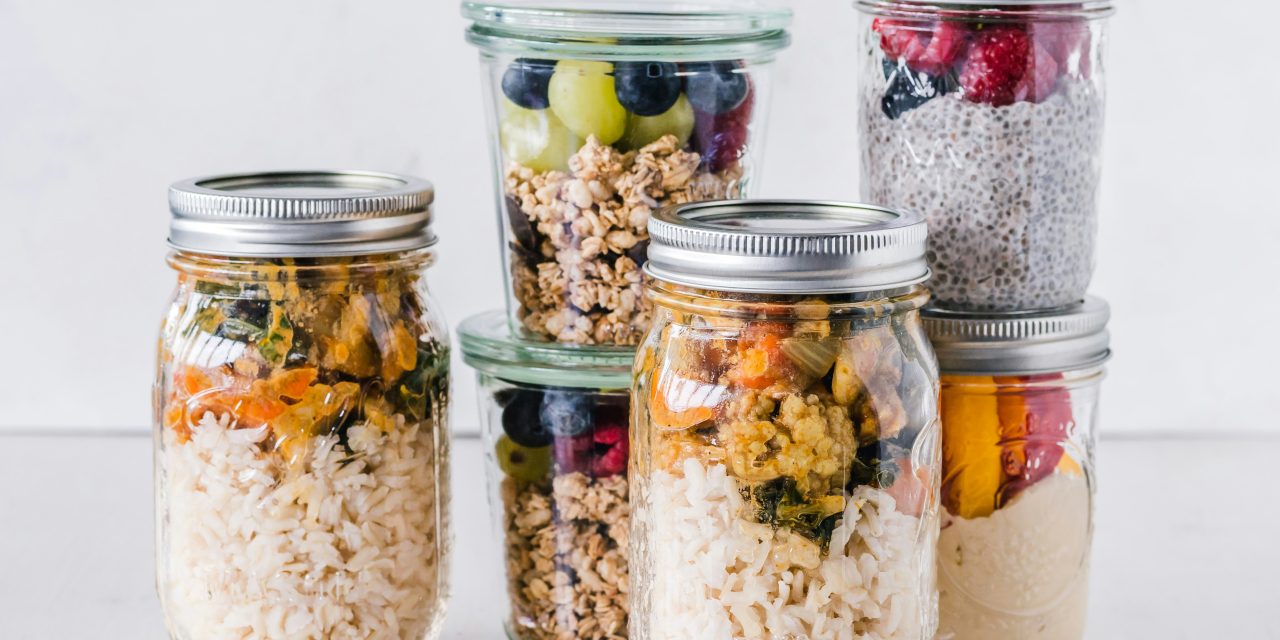
An organized kitchen is vital for efficient meal prep. Begin by decluttering countertops and ensuring that all necessary tools and appliances are easily accessible. Invest in high-quality storage containers that are suitable for freezing or refrigerating meals. Glass containers with airtight lids are ideal for maintaining freshness while allowing for easy reheating.
Labeling containers with the contents and date prepared can further streamline the process of selecting meals throughout the week. Additionally, consider designating specific areas in your refrigerator or pantry for meal prep items to minimize confusion during busy weekdays. A well-organized kitchen not only enhances efficiency but also creates an inviting atmosphere that encourages culinary creativity.
Cooking Efficiently: Batch Cooking Tips
Batch cooking is a cornerstone of effective meal prep that allows individuals to maximize their time in the kitchen while producing multiple meals at once. To optimize this process, begin by selecting recipes that share similar ingredients or cooking methods. For example, if you plan to make quinoa bowls and vegetable stir-fries, prepare a large batch of quinoa at once to use in both dishes.
Utilizing kitchen gadgets such as slow cookers or pressure cookers can also expedite cooking times while enhancing flavor development. Additionally, consider multitasking by preparing different components of various meals simultaneously—such as roasting vegetables while simmering sauces or grilling proteins. By adopting these batch cooking strategies, you can significantly reduce the time spent in the kitchen while ensuring a diverse array of meals for the week ahead.
Portioning Meals for the Week Ahead
Once your meals are cooked, it is essential to portion them appropriately for easy access throughout the week. Use measuring cups or a food scale to ensure that each serving aligns with your dietary goals—whether they involve calorie counting or macronutrient distribution. Portioning meals not only aids in maintaining portion control but also simplifies the process of grabbing meals on busy days.
Consider creating individual servings in separate containers or using larger containers for family-style meals that can be reheated as needed. This approach allows for flexibility in meal consumption while minimizing food waste. By thoughtfully portioning meals ahead of time, you set yourself up for success in adhering to your nutritional objectives.
Storing Meals Safely to Maintain Freshness
Proper storage techniques are crucial for maintaining the freshness and safety of prepared meals throughout the week. Ensure that all cooked foods are cooled to room temperature before transferring them to storage containers to prevent bacterial growth. Store meals in airtight containers to minimize exposure to air and moisture, which can lead to spoilage.
When refrigerating meals, adhere to the general guideline of consuming them within three to four days for optimal freshness. For longer storage periods, consider freezing portions of meals that may not be consumed within this timeframe. Label containers with dates to track freshness effectively. By implementing these storage practices, you can enjoy delicious home-cooked meals throughout the week without compromising safety or quality.
Incorporating Variety to Avoid Meal Fatigue
One common challenge faced during weekly meal prep is the risk of meal fatigue—where repetitive meals lead to boredom and decreased motivation to stick with healthy eating habits. To combat this issue, it is essential to incorporate variety into your meal prep plan.
Experiment with different cuisines by exploring international recipes or incorporating diverse spices and herbs into familiar dishes. Additionally, consider rotating proteins each week—such as chicken one week followed by fish or plant-based options the next—to keep meals exciting. Introducing seasonal produce can also add freshness and novelty to your dishes while ensuring optimal flavor profiles. By prioritizing variety in your meal prep strategy, you can maintain enthusiasm for healthy eating throughout the week.
Adjusting and Improving Your Meal Prep Plan Over Time
As with any new habit, it is important to remain flexible and open to adjustments in your meal prep plan over time. Regularly evaluate what works well and what may need improvement based on your experiences each week. Consider factors such as ingredient availability, personal preferences, and changes in schedule when refining your approach.
Solicit feedback from family members or roommates regarding their preferences and any adjustments they would like to see in future meal prep sessions. This collaborative approach can foster a sense of community around healthy eating while ensuring that everyone’s tastes are considered. By continuously adapting your meal prep plan based on feedback and personal experiences, you can create a sustainable practice that evolves alongside your lifestyle.
In summary, weekly meal prep offers numerous benefits including enhanced nutrition, reduced stress around cooking, and improved time management skills. By assessing schedules, choosing simple recipes, creating balanced grocery lists, organizing kitchens effectively, cooking efficiently through batch cooking techniques, portioning meals thoughtfully, storing them safely, incorporating variety into menus, and adjusting plans over time, individuals can cultivate a successful meal prep routine that supports their health goals while simplifying their culinary endeavors.
FAQs
What is meal prep and why is it beneficial?
Meal prep, or meal preparation, involves planning and preparing meals in advance to save time and ensure healthy eating throughout the week. Benefits include reduced cooking time during busy days, better portion control, minimized food waste, and the ability to make healthier choices by avoiding last-minute takeout or unhealthy snacks.
How do I start creating a weekly meal prep plan?
To start creating a weekly meal prep plan, first assess your dietary needs and preferences. Next, choose recipes that can be made in bulk and have a longer shelf life. Create a shopping list based on the recipes, and set aside a specific day and time for cooking and portioning meals for the week.
What types of meals are best for meal prepping?
Meals that are best for meal prepping typically include grains, proteins, and vegetables that can be easily stored and reheated. Examples include stir-fries, casseroles, salads, and grain bowls. It’s also helpful to choose meals that can be frozen and reheated without losing quality.
How can I ensure my meal prep stays fresh throughout the week?
To keep your meal prep fresh, store meals in airtight containers and refrigerate or freeze them promptly after cooking. Use clear labels with dates to track freshness, and consider using ingredients that have a longer shelf life. Additionally, keep dressings and sauces separate until you’re ready to eat to maintain texture and flavor.
How long can I store meal prepped food in the fridge?
Generally, meal prepped food can be stored in the refrigerator for up to 4-5 days. If you want to keep meals longer, consider freezing them, which can extend their shelf life to several months. Always check for signs of spoilage before consuming stored meals.