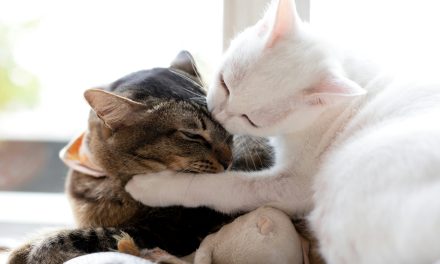
At eight weeks of age, a kitten is at a critical stage of development, both physically and emotionally. This period marks the transition from complete dependence on its mother to a more independent lifestyle. Kittens are naturally curious and energetic, requiring ample stimulation and care to thrive. Understanding their needs is essential for fostering a healthy and happy feline companion.
During this developmental phase, kittens are learning essential social skills, exploring their environment, and beginning to establish their personalities. They require not only physical nourishment but also mental stimulation and social interaction. It is crucial to provide an enriching environment that caters to their instinctual behaviors, such as climbing, scratching, and hunting. Engaging with your kitten through play and exploration will help build a strong bond and promote healthy development.
Providing Proper Nutrition for Growth
Proper nutrition is paramount for the growth and development of an eight-week-old kitten. At this age, they are transitioning from their mother’s milk to solid food, which is vital for their health. Kittens require a diet rich in protein, fat, vitamins, and minerals to support their rapid growth and energy needs. High-quality commercial kitten food is formulated specifically for this life stage, ensuring that they receive the necessary nutrients.
When selecting food, look for products that list meat as the primary ingredient and contain essential fatty acids like DHA for brain development. It is advisable to choose a combination of wet and dry food to promote hydration and dental health. Feeding your kitten multiple small meals throughout the day can help maintain energy levels and support their growing metabolism. Always ensure fresh water is available to keep them hydrated.
Creating a Safe and Comfortable Environment

Creating a safe and comfortable environment is crucial for your kitten’s well-being. Kittens are naturally inquisitive and may explore areas that pose potential hazards. It is essential to kitten-proof your home by removing toxic plants, securing loose wires, and ensuring that small objects that could be swallowed are out of reach.
In addition to safety, providing a comfortable space for your kitten to rest is vital. A cozy bed in a quiet area will give them a sense of security. Incorporating scratching posts, climbing structures, and interactive toys will cater to their natural instincts while keeping them entertained. A designated play area can also help contain their energy and prevent destructive behavior in other parts of the home.
Establishing a Consistent Feeding Schedule

Establishing a consistent feeding schedule is beneficial for both you and your kitten. Kittens thrive on routine, which helps them feel secure and understand what to expect throughout the day. Feeding them at the same times each day can also aid in digestion and prevent overeating or obesity.
Typically, an eight-week-old kitten should be fed three to four times daily. As they grow older, you can gradually transition to two meals per day. Monitoring portion sizes according to the feeding guidelines on the food packaging will ensure they receive adequate nutrition without excess calories. Keeping a feeding log can help track their intake and identify any changes in appetite or behavior.
Introducing Litter Training Techniques
Litter training is an essential aspect of caring for your kitten. Most kittens instinctively know how to use a litter box, but guidance may be necessary to ensure success. Start by placing the litter box in a quiet, accessible location away from their food and water bowls. Use a non-toxic, clumping litter that is gentle on their paws.
Encourage your kitten to use the litter box by gently placing them inside after meals or naps. If they have accidents outside the box, clean the area thoroughly with an enzymatic cleaner to eliminate odors that may attract them back to the same spot. Positive reinforcement through praise or treats when they use the litter box correctly will help reinforce this behavior.
Encouraging Socialization and Playtime
Socialization is crucial during the early weeks of your kitten’s life. Exposing them to various people, pets, and environments will help them develop into well-adjusted adults. Encourage gentle interactions with family members and friends while supervising playtime to ensure safety.
Playtime is not only fun but also essential for physical and mental stimulation. Engage your kitten with interactive toys such as feather wands or laser pointers that mimic prey behavior. Providing opportunities for solo play with toys that encourage exploration will also help develop their hunting instincts. Regular play sessions will strengthen your bond while promoting healthy exercise habits.
Scheduling Veterinary Checkups and Vaccinations
Regular veterinary checkups are vital for monitoring your kitten’s health and ensuring they receive necessary vaccinations. At eight weeks old, your kitten should have its first veterinary visit, where a thorough examination will be conducted to assess overall health and development.
Vaccinations are crucial in protecting against common feline diseases such as feline panleukopenia, calicivirus, and rhinotracheitis. Your veterinarian will recommend an appropriate vaccination schedule based on your kitten’s age and health status. Additionally, discussing spaying or neutering options during this visit can help prevent unwanted litters and contribute to long-term health benefits.
Grooming Basics for Your Young Kitten
Grooming is an essential aspect of caring for your young kitten, even if they have short hair. Regular brushing helps reduce shedding and prevents matting while promoting healthy skin and coat. Introduce grooming gradually by using a soft brush or comb, allowing your kitten to become accustomed to the sensation.
In addition to brushing, regular nail trimming is necessary to prevent overgrowth and potential injury. Use cat-specific nail clippers and trim only the sharp tip of each claw. Bathing should be minimal unless absolutely necessary; most kittens groom themselves effectively. However, if bathing is required due to dirt or parasites, use a gentle cat shampoo formulated for young animals.
Monitoring Health and Recognizing Warning Signs
Monitoring your kitten’s health is crucial during this formative stage of life. Regular observation of their behavior, appetite, and litter box habits can help identify potential health issues early on. Common warning signs include lethargy, vomiting, diarrhea, changes in appetite, or difficulty breathing.
If you notice any concerning symptoms or behavioral changes, consult your veterinarian promptly for evaluation. Early intervention can often lead to better outcomes in treating health issues. Keeping a record of any changes can assist your veterinarian in diagnosing potential problems more effectively.
Handling and Bonding with Your Kitten
Handling your kitten gently and frequently will help foster trust and strengthen your bond. Begin by allowing them to approach you on their terms; avoid forcing interactions as this may cause fear or anxiety. Gradually introduce handling by gently stroking them while they are relaxed or playing.
Positive reinforcement through treats or praise during handling sessions will encourage your kitten to associate touch with positive experiences. Regularly holding them close while providing gentle affection will help them feel secure in your presence. This bond will be invaluable as they grow into adulthood.
Preparing for the Transition to Independence
As your kitten matures, preparing for their transition to independence becomes essential. This process typically begins around six months of age when they start exploring further from home and developing their own routines. Gradually allowing them more freedom while ensuring safety will help ease this transition.
Consider providing outdoor access in a secure environment or supervised outings if you live in a safe area. Training your kitten with basic commands can also enhance their independence while ensuring they remain responsive to your guidance. As they grow more confident in their surroundings, continue fostering their social skills through interactions with other pets and people.
In summary, caring for an eight-week-old kitten involves understanding their unique needs during this critical developmental stage. Providing proper nutrition, creating a safe environment, establishing routines, encouraging socialization, scheduling veterinary care, grooming regularly, monitoring health, bonding through handling, and preparing for independence are all vital components of responsible pet ownership. By addressing these aspects thoughtfully, you can ensure that your young feline companion grows into a healthy, well-adjusted adult cat.
**FAQ Section**
1. **What should I feed my 8-week-old kitten?**
– High-quality commercial kitten food formulated specifically for growth is recommended; look for meat as the primary ingredient.
2. **How often should I feed my kitten?**
– Kittens should be fed three to four times daily at this age; gradually transition to two meals per day as they grow older.
3. **When should I take my kitten to the vet?**
– Schedule a veterinary visit at eight weeks old for an initial health checkup and vaccinations.
4. **How do I litter train my kitten?**
– Place the litter box in a quiet area; encourage use after meals or naps; clean accidents thoroughly with enzymatic cleaners.
5. **What signs indicate my kitten may be unwell?**
– Look for lethargy, vomiting, diarrhea, changes in appetite or behavior; consult a veterinarian if any concerning symptoms arise.
6. **How can I socialize my kitten?**
– Expose them gently to various people and environments; engage in regular playtime with interactive toys.
7. **Is grooming necessary for short-haired kittens?**
– Yes; regular brushing helps reduce shedding and promotes healthy skin; nail trimming is also essential.
8. **When should I consider spaying or neutering my kitten?**
– Discuss options with your veterinarian during the first visit; typically recommended around six months of age.
9. **How can I bond with my kitten?**
– Handle them gently; provide positive reinforcement through treats; spend quality time together during play sessions.
10. **What should I do if my kitten seems anxious?**
– Provide a safe space; engage in gentle play; consider consulting a veterinarian if anxiety persists.
By addressing these questions comprehensively, you can ensure that you are well-prepared for the responsibilities of caring for your young feline companion while fostering a loving relationship that lasts throughout their life.
FAQs
What should I feed my 8-week-old kitten?
At 8 weeks old, kittens should be fed a high-quality kitten food that is specifically formulated for their growth and development. Look for foods that contain a good balance of protein, fat, and essential nutrients. Wet food can be beneficial for hydration, while dry kibble helps with dental health. Always ensure fresh water is available.
How often should I feed my 8-week-old kitten?
At this age, kittens should be fed about four times a day. Their small stomachs require frequent meals to meet their energy needs. As they grow, you can gradually reduce the feeding frequency to three times a day by the time they reach six months old.
What vaccinations does my 8-week-old kitten need?
At 8 weeks old, kittens typically receive their first round of vaccinations, which usually includes the FVRCP vaccine (feline viral rhinotracheitis, calicivirus, and panleukopenia). It’s important to consult with a veterinarian for a complete vaccination schedule and any additional vaccines that may be recommended.
How can I socialize my 8-week-old kitten?
Socializing your 8-week-old kitten is crucial for their development. Introduce them to various people, gentle handling, and different environments. Use positive reinforcement, such as treats and praise, to encourage good behavior. Gradually expose them to other pets and sounds to help them become well-adjusted adults.
When should I spay or neuter my 8-week-old kitten?
While it is generally recommended to spay or neuter kittens between 4 to 6 months of age, some veterinarians may perform the procedure as early as 8 weeks, especially in shelters. It’s best to consult with your veterinarian to determine the appropriate timing based on your kitten’s health and circumstances.