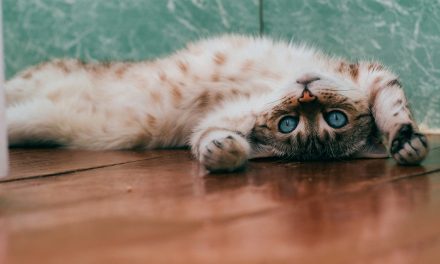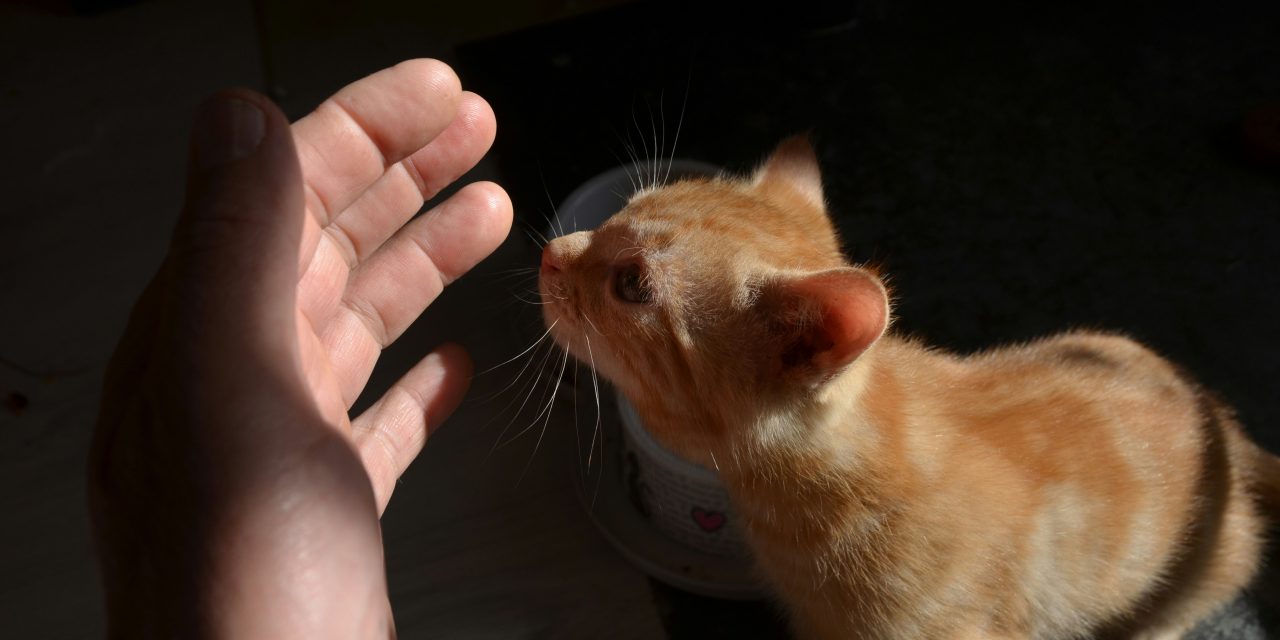
Kittens are naturally curious creatures, and their exploration of the world often involves using their mouths. Biting hands and feet is a common behavior among young felines, stemming from their instinctual hunting and play behaviors. In the wild, kittens learn to hunt by pouncing on their prey, which often includes small rodents and insects. This predatory instinct is deeply ingrained, and when they engage in play, they mimic these hunting behaviors. Consequently, hands and feet become targets for their playful attacks, as they resemble the movement of prey.
Moreover, biting can also be a form of communication. Kittens may bite to express excitement, frustration, or even fear. Understanding the context in which biting occurs is crucial for pet owners. For instance, if a kitten is overstimulated during playtime, it may resort to biting as a way to signal that it has reached its limit. Recognizing these triggers can help owners respond appropriately and mitigate unwanted biting behavior.
Recognizing Normal Kitten Play Behavior
Normal play behavior in kittens is characterized by a variety of actions that mimic hunting and social interactions. Kittens engage in stalking, pouncing, and wrestling with their littermates or toys. These activities are essential for their physical development and socialization skills. During play, kittens often exhibit bursts of energy, darting around the room and engaging in playful antics that can include biting and scratching.
It is important to differentiate between normal play behavior and aggressive biting. While playful nips are common, they should not cause pain or injury. Observing the kitten’s body language can provide insights into its emotional state. A relaxed posture with ears forward indicates playful intent, while flattened ears or a twitching tail may signal agitation or aggression. Understanding these cues allows owners to foster a safe and enjoyable play environment for their kittens.
Providing Appropriate Toys for Biting and Scratching

To redirect biting behavior away from human hands and feet, providing appropriate toys is essential. Kittens require a variety of toys that cater to their natural instincts. Interactive toys, such as feather wands or laser pointers, encourage active play and simulate hunting scenarios. Additionally, plush toys that can withstand biting and scratching serve as excellent outlets for their energy.
Catnip-infused toys can also enhance playtime by stimulating a kitten’s senses. These toys not only provide entertainment but also promote healthy chewing habits. Scratching posts are another vital addition to a kitten’s environment, allowing them to satisfy their instinctual need to scratch while protecting furniture and human skin from damage. By offering an array of engaging toys, owners can effectively channel their kitten’s biting tendencies into more appropriate outlets.
Teaching Gentle Play Through Positive Reinforcement

Positive reinforcement is a powerful tool in shaping a kitten’s behavior. When a kitten engages in gentle play without resorting to biting, rewarding it with treats or praise reinforces this desirable behavior. Consistency is key; every time the kitten plays gently, it should receive immediate positive feedback. This approach helps the kitten associate gentle play with positive outcomes, encouraging it to repeat the behavior.
Incorporating training sessions into playtime can also be beneficial. Owners can use clicker training to mark moments of gentle interaction, followed by a reward. This method not only strengthens the bond between owner and kitten but also instills good habits early on. Over time, the kitten learns that gentle play leads to enjoyable experiences, reducing the likelihood of aggressive biting.
Redirecting Biting Behavior to Toys
When a kitten begins to bite hands or feet during play, it is crucial to redirect its attention to appropriate toys immediately. Instead of reacting negatively or withdrawing attention, owners should calmly offer a toy that the kitten can bite and wrestle with instead. This redirection helps the kitten understand that toys are acceptable targets for its biting instincts.
Consistency in redirection is vital for success. Each time the kitten attempts to bite human skin, owners should gently but firmly guide it toward a toy. Over time, the kitten will learn that toys are the preferred objects for biting and will gradually reduce its inclination to target hands and feet. This method not only protects human skin but also reinforces positive play habits.
Avoiding Encouragement of Biting During Play
It is essential for owners to avoid inadvertently encouraging biting behavior during playtime. Engaging in rough play or using hands as toys can send mixed signals to the kitten about acceptable behavior. Instead, owners should use designated toys for interactive play sessions and refrain from using their hands as targets.
If a kitten bites during play, owners should immediately stop the interaction and withdraw attention for a brief period. This teaches the kitten that biting leads to the end of fun activities. By establishing clear boundaries around acceptable play behavior, owners can help their kittens develop healthier habits while enjoying interactive playtime.
Using Consistent Commands to Discourage Biting
Establishing consistent verbal commands can be an effective strategy for discouraging biting behavior in kittens. Simple phrases such as “no” or “gentle” can be used when the kitten bites during playtime. The key is to use these commands consistently so that the kitten begins to associate them with undesirable behavior.
When using verbal commands, it is important to maintain a calm demeanor. Yelling or reacting dramatically may frighten the kitten and lead to confusion about what behavior is being discouraged. Instead, a firm yet gentle tone will convey disapproval without causing distress. Over time, with consistent reinforcement of commands, kittens will learn to modify their behavior accordingly.
Offering Plenty of Physical and Mental Stimulation
Kittens require ample physical and mental stimulation to thrive and reduce unwanted behaviors such as biting. Engaging them in regular play sessions helps expend excess energy while promoting healthy development. Interactive games that involve chasing or pouncing stimulate both their bodies and minds.
In addition to physical activity, mental enrichment is equally important. Puzzle feeders or treat-dispensing toys challenge kittens cognitively while rewarding them for problem-solving skills. Providing opportunities for exploration through climbing structures or hiding spots also encourages curiosity and reduces boredom-related behaviors like biting.
Socializing Your Kitten to Reduce Aggression
Socialization plays a crucial role in shaping a kitten’s behavior and reducing aggression tendencies. Exposing kittens to various environments, people, and other pets helps them develop confidence and adaptability. Early socialization experiences can significantly influence how they interact with others throughout their lives.
Owners should introduce their kittens gradually to new experiences while ensuring positive associations are formed. Rewarding calm behavior during social interactions reinforces good manners and reduces fear-based aggression. By fostering positive social experiences early on, owners can help their kittens grow into well-adjusted adult cats with reduced tendencies toward biting.
Knowing When to Use Time-Outs or Gentle Deterrents
In some cases, persistent biting behavior may require more structured interventions such as time-outs or gentle deterrents. If a kitten continues to bite despite redirection efforts, a brief time-out can help reinforce boundaries. This involves removing the kitten from the stimulating environment for a short period until it calms down.
Gentle deterrents such as bitter-tasting sprays on hands or feet can also discourage biting behavior without causing harm or distress to the kitten. These methods should be used sparingly and in conjunction with positive reinforcement strategies for optimal effectiveness.
Consulting a Veterinarian or Behaviorist for Persistent Issues
If biting behavior persists despite implementing various strategies, consulting a veterinarian or animal behaviorist may be necessary. These professionals can assess underlying health issues or behavioral concerns that may contribute to aggressive tendencies in kittens.
Veterinarians may recommend behavioral modification techniques or suggest medications if anxiety or aggression is suspected as underlying causes of biting behavior. A certified animal behaviorist can provide tailored training plans based on individual needs, ensuring that both owner and kitten achieve successful outcomes in managing biting tendencies.
In summary, understanding why kittens bite hands and feet involves recognizing their natural instincts and communication methods. By differentiating normal play behavior from aggression, providing appropriate toys, teaching gentle play through positive reinforcement, redirecting biting behavior, avoiding encouragement of unwanted actions, using consistent commands, offering stimulation, socializing effectively, employing time-outs when necessary, and seeking professional guidance when needed, owners can foster healthy interactions with their feline companions while minimizing biting incidents effectively.
FAQs
Why do kittens bite hands and feet?
Kittens often bite hands and feet as a form of play and exploration. They are naturally curious and use their mouths to investigate their environment. Additionally, biting can mimic hunting behavior, as kittens learn to stalk and pounce on their “prey,” which in this case can be your hands and feet.
What are some effective ways to discourage biting?
To discourage biting, redirect your kitten’s attention to appropriate toys when they start to bite. Use interactive toys like feather wands or laser pointers to engage them in play. Additionally, avoid using your hands or feet as toys, as this reinforces the behavior. If they bite, calmly withdraw your attention and stop playing for a moment.
Is it okay to scold a kitten for biting?
Scolding a kitten is generally not recommended, as it can create fear or anxiety. Instead of scolding, focus on positive reinforcement by rewarding good behavior with treats or praise. This helps the kitten learn what is acceptable behavior without associating playtime with negative experiences.
How can I provide appropriate outlets for my kitten’s energy?
Providing appropriate outlets for your kitten’s energy can help reduce biting. Engage them with a variety of toys, such as balls, stuffed animals, and puzzle feeders. Regular play sessions, ideally multiple times a day, will help burn off excess energy and satisfy their natural hunting instincts.
When should I seek professional help for biting behavior?
If your kitten’s biting behavior becomes aggressive or persistent despite your efforts to redirect it, it may be time to seek professional help. A veterinarian or a certified animal behaviorist can provide guidance tailored to your kitten’s specific needs and help address any underlying issues.