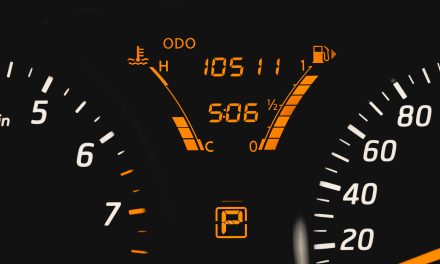
The electronic parking brake (EPB) warning light is a crucial indicator on modern vehicles equipped with this advanced braking system. Unlike traditional mechanical parking brakes, the EPB utilizes electronic components to engage and disengage the brake, providing enhanced convenience and safety. The warning light typically illuminates on the dashboard when there is a malfunction within the system or when the parking brake is engaged. Understanding the implications of this warning light is essential for vehicle owners, as it can signify various underlying issues that may compromise vehicle safety.
When the EPB warning light activates, it is imperative to address the situation promptly. Ignoring this alert can lead to further complications, including potential brake failure or unintended vehicle movement. The warning light may appear as a simple icon resembling a car with an exclamation mark or the letters “EPB.” Familiarizing oneself with this symbol and its meaning can aid in timely intervention and maintenance, ensuring that the vehicle remains in optimal working condition.
If you’re curious about the electronic parking brake warning light and what it signifies for your vehicle, you might also find it interesting to explore related topics such as maintaining your garden. For instance, understanding how to test your garden soil’s pH can greatly impact your plants’ health. You can read more about this in the article titled “7 Easy Ways to Test Your Garden Soil pH at Home Quickly” by following this link: 7 Easy Ways to Test Your Garden Soil pH at Home Quickly.
Low Battery Voltage: A Common Trigger
One of the most prevalent causes of the electronic parking brake warning light activation is low battery voltage. The EPB system relies heavily on electrical power to function correctly. When the battery voltage drops below a certain threshold, it can disrupt the operation of various electronic components, including the parking brake system. This situation often arises due to battery age, poor connections, or excessive electrical drain from other systems.
Low battery voltage can lead to intermittent functionality of the EPB, causing the warning light to illuminate sporadically. In some cases, drivers may notice that the parking brake does not engage or disengage as intended. To mitigate this issue, regular battery maintenance is essential. Vehicle owners should ensure that their battery terminals are clean and securely connected, and they should consider testing the battery’s voltage periodically, especially before long trips or during extreme weather conditions.
Faulty Electronic Parking Brake Switch

Another significant factor contributing to the illumination of the electronic parking brake warning light is a faulty EPB switch. This switch serves as the primary interface for engaging and disengaging the parking brake. If the switch becomes defective due to wear and tear or internal failure, it may send incorrect signals to the vehicle’s control module, triggering the warning light.
Diagnosing a faulty EPB switch typically involves inspecting its physical condition and testing its electrical output. If the switch is found to be malfunctioning, replacement is often necessary to restore proper functionality. Vehicle owners should consult their owner’s manual for specific instructions on locating and replacing the EPB switch or seek assistance from a qualified technician who can perform this task efficiently.
Issues with the Parking Brake Motor

The parking brake motor plays a pivotal role in the operation of the electronic parking brake system. This motor is responsible for applying and releasing the brake mechanism based on signals received from the control module. If the motor experiences mechanical failure or electrical issues, it can lead to a malfunctioning parking brake system, resulting in the activation of the warning light.
Common symptoms of a failing parking brake motor include unusual noises during operation, difficulty in engaging or disengaging the brake, and an illuminated warning light on the dashboard. To address this issue, a thorough inspection of the motor and its associated components is necessary. In many cases, replacing a defective motor can resolve the problem and restore normal functionality to the electronic parking brake system.
If you’ve ever wondered what the electronic parking brake warning light means, you might find it helpful to explore related topics that delve into vehicle maintenance and safety features. Understanding these indicators can prevent potential issues while driving. For more insights on maintaining your vehicle, you can check out this informative article on how to remove ink stains from clothes without spreading the ink, which highlights the importance of keeping your belongings in good condition. You can read it here: how to remove ink stains from clothes without spreading the ink.
Sensor Malfunctions Affecting the System
The electronic parking brake system relies on various sensors to monitor its performance and ensure safe operation. These sensors provide critical feedback to the vehicle’s control module regarding brake engagement status, pedal position, and other vital parameters. If any of these sensors malfunction or fail, it can trigger the electronic parking brake warning light.
Sensor malfunctions may arise from physical damage, corrosion, or electrical issues within the wiring harness. Diagnosing sensor-related problems often requires specialized diagnostic equipment to read fault codes stored in the vehicle’s control module. Once identified, faulty sensors can be replaced to restore proper communication within the system and eliminate any warning lights.
If you’ve ever wondered what the electronic parking brake warning light means, you might find it helpful to explore related topics that delve into vehicle maintenance and safety features. Understanding these indicators can enhance your driving experience and ensure your car operates smoothly. For instance, you can learn more about essential care tips for indoor plants, which can also be a great way to create a calming environment in your garage or parking area. Check out this article on top tips for snake plants to see how proper care can make a difference in your space.
Wiring and Electrical Connection Problems
Wiring and electrical connection issues are common culprits behind many electronic systems’ malfunctions, including the electronic parking brake. Damaged wiring harnesses, loose connections, or corroded terminals can disrupt the flow of electricity necessary for proper operation. Such problems can lead to intermittent functionality of the EPB system and trigger warning lights on the dashboard.
To address wiring issues, a comprehensive inspection of all related electrical connections is essential. Technicians often utilize multimeters to test for continuity and voltage at various points in the circuit. Repairing or replacing damaged wiring and ensuring secure connections can significantly improve system reliability and prevent future occurrences of warning lights.
Brake Pad Wear and Its Impact on the Warning Light
Brake pad wear is another factor that can influence the activation of the electronic parking brake warning light. As brake pads wear down over time, they may reach a point where they no longer provide adequate friction for effective braking. Some vehicles are equipped with wear sensors that monitor pad thickness and trigger a warning light when replacement is necessary.
Regular inspection of brake pads is crucial for maintaining optimal braking performance and safety. Vehicle owners should adhere to manufacturer-recommended maintenance schedules for brake inspections and replacements. If worn pads are identified, timely replacement is essential to prevent further damage to braking components and ensure safe vehicle operation.
Software Glitches in the Vehicle’s Control Module
Modern vehicles are equipped with sophisticated control modules that manage various systems, including the electronic parking brake. Software glitches or programming errors within these modules can lead to erroneous signals being sent to other components, resulting in an illuminated warning light. Such issues may arise after software updates or due to compatibility problems with aftermarket modifications.
Diagnosing software-related problems often requires specialized diagnostic tools capable of reading fault codes and assessing module performance. In some cases, reprogramming or updating the control module software may resolve these glitches and restore normal functionality to the electronic parking brake system.
Hydraulic System Failures Related to the Parking Brake
While electronic parking brakes primarily rely on electrical components, some systems incorporate hydraulic elements for enhanced performance. Hydraulic failures within this system can lead to inadequate braking force or complete failure of the parking brake mechanism. Such failures may trigger warning lights as a safety precaution.
Diagnosing hydraulic issues typically involves inspecting fluid levels, checking for leaks, and assessing component integrity within the hydraulic system. If hydraulic failures are identified, repairs may involve replacing damaged components or replenishing hydraulic fluid to restore proper function.
Improper Parking Brake Engagement or Release
Improper engagement or release of the electronic parking brake can also activate the warning light. This situation may occur if drivers do not fully engage or disengage the brake when parked or if they attempt to drive away without releasing it completely. Such actions can lead to unintended consequences, including potential damage to braking components.
To prevent improper engagement or release, drivers should familiarize themselves with their vehicle’s specific EPB operation procedures outlined in the owner’s manual. Additionally, practicing proper techniques when using the electronic parking brake can help avoid unnecessary complications and ensure safe vehicle operation.
When to Seek Professional Diagnosis and Repair
While some issues related to the electronic parking brake warning light may be resolved through basic maintenance or inspection, others require professional diagnosis and repair. Vehicle owners should seek assistance from qualified technicians when they encounter persistent warning lights despite addressing common causes such as low battery voltage or worn brake pads.
Professional technicians possess specialized knowledge and tools necessary for accurately diagnosing complex electronic systems. They can perform comprehensive inspections, utilize advanced diagnostic equipment, and implement effective repair solutions tailored to each vehicle’s unique needs.
In summary, understanding the various factors contributing to the illumination of an electronic parking brake warning light is essential for maintaining vehicle safety and performance. From low battery voltage to sensor malfunctions and hydraulic failures, numerous issues can trigger this alert. Regular maintenance practices, timely inspections, and professional assistance when needed can help ensure that your vehicle’s electronic parking brake system operates smoothly and reliably over time.
FAQs
What is the electronic parking brake warning light?
The electronic parking brake warning light is an indicator on the vehicle’s dashboard that alerts the driver when there is an issue with the electronic parking brake system. This light typically resembles a circle with an “P” inside it and may illuminate in red or yellow, depending on the severity of the issue.
What does it mean if the electronic parking brake warning light is on?
If the electronic parking brake warning light is illuminated, it may indicate that the parking brake is engaged, there is a malfunction in the electronic parking brake system, or the brake fluid level is low. It is important to address this warning promptly to ensure safe vehicle operation.
How can I troubleshoot the electronic parking brake warning light?
To troubleshoot the electronic parking brake warning light, first check if the parking brake is fully disengaged. If it is, inspect the brake fluid level and refill if necessary. If the light remains on, it may require a diagnostic scan to identify any faults in the electronic parking brake system.
Can I drive my car with the electronic parking brake warning light on?
Driving with the electronic parking brake warning light on is not recommended, as it may indicate a serious issue with the braking system. It is advisable to have the vehicle inspected by a qualified mechanic to prevent potential safety hazards.
What should I do if the electronic parking brake warning light stays on after repairs?
If the electronic parking brake warning light remains on after repairs, it is essential to return to the mechanic or dealership for further diagnosis. There may be underlying issues that were not resolved, or the system may require recalibration or additional repairs.