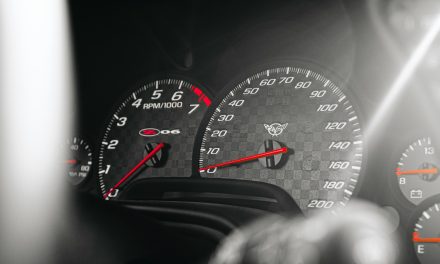
The Traction Control System (TCS) is an integral component of modern automotive safety technology, designed to enhance vehicle stability and control during challenging driving conditions. This system operates by monitoring the rotational speed of each wheel and intervening when it detects a loss of traction, typically due to slippery surfaces or sudden acceleration. By selectively applying brakes to individual wheels or reducing engine power, TCS helps prevent wheel spin and maintains optimal grip on the road.
In essence, the TCS works in conjunction with other systems such as Anti-lock Braking System (ABS) and Electronic Stability Control (ESC). The synergy between these systems ensures that drivers can maintain control over their vehicles, particularly in adverse weather conditions. Understanding how TCS functions is crucial for drivers, as it not only enhances safety but also contributes to overall vehicle performance.
If you’ve ever wondered why your traction control light flashes while driving, it could indicate that your vehicle is struggling to maintain traction on slippery surfaces. This can happen in various conditions, such as rain, snow, or ice, and is a sign that the traction control system is actively working to prevent wheel spin. For a deeper understanding of vehicle safety and maintenance, you might find this article on safe food storage practices interesting, as it highlights the importance of being cautious and informed in various aspects of life. Check it out here: How to Store Opened Canned Food Safely.
What Does a Flashing Traction Control Light Mean?
When the traction control light illuminates or flashes on the dashboard, it serves as a critical indicator of the system’s activity or potential issues. A flashing light typically signifies that the TCS is actively engaged, working to regain traction by modulating power delivery or applying brakes to specific wheels. This is common during inclement weather or when accelerating on uneven surfaces.
Conversely, if the traction control light remains steadily illuminated, it may indicate a malfunction within the system. This could stem from various underlying issues, ranging from sensor failures to more complex electronic malfunctions. Understanding the implications of this warning light is essential for drivers, as it can directly affect vehicle handling and safety.
Reason 1: Slippery or Wet Road Conditions

One of the most common reasons for a flashing traction control light is slippery or wet road conditions. Rain, snow, ice, or even loose gravel can significantly reduce tire grip, leading to potential wheel spin during acceleration. In such scenarios, the TCS activates to prevent loss of control by adjusting engine power and applying brakes as necessary.
Drivers should be aware that while TCS can assist in maintaining traction, it is not a substitute for cautious driving practices. Reducing speed and increasing following distances are essential strategies when navigating slippery roads. Additionally, ensuring that tires are properly inflated and have adequate tread depth can further enhance grip and minimize the likelihood of traction-related issues.
Reason 2: Faulty Wheel Speed Sensors

Wheel speed sensors play a pivotal role in the functionality of the traction control system. These sensors monitor the rotational speed of each wheel and relay this information to the vehicle’s onboard computer. If a sensor malfunctions or becomes damaged, it can send incorrect data, leading to erroneous activation of the TCS.
Symptoms of faulty wheel speed sensors may include erratic behavior of the traction control light, inconsistent braking performance, or even triggering of the ABS warning light. Diagnosing this issue typically involves using specialized diagnostic equipment to read error codes from the vehicle’s computer system. Replacing defective sensors is often a straightforward solution that can restore proper functionality to the TCS.
If you’ve ever wondered why your traction control light flashes while driving, it could be an indication that your vehicle is experiencing a loss of traction, often due to slippery conditions or sudden acceleration. This flashing light serves as a warning that the system is actively working to maintain grip on the road. For a deeper understanding of vehicle safety features and their importance, you might find this article on food safety interesting, as it highlights the significance of being aware of your surroundings, whether in the kitchen or behind the wheel.
Reason 3: Issues with the ABS System
The Anti-lock Braking System (ABS) is closely linked to the traction control system, as both rely on similar components and data inputs. If there are issues within the ABS—such as a malfunctioning pump, damaged hydraulic lines, or faulty control modules—it can adversely affect the performance of the TCS.
When ABS problems arise, drivers may notice symptoms such as pulsating brakes during normal operation or an illuminated ABS warning light on the dashboard. Addressing these issues promptly is crucial, as they can compromise overall vehicle safety. A thorough inspection by a qualified technician can identify any ABS-related problems and ensure that both systems function harmoniously.
If you’ve ever wondered why your traction control light flashes while driving, you might find it helpful to explore related topics that delve into vehicle safety and maintenance. Understanding the function of your car’s traction control system can provide insights into its performance and handling, especially in adverse weather conditions. For more information on keeping your vehicle in top shape, you can check out this informative article on cleaning and disinfecting tools that can also apply to maintaining your car’s interior and ensuring a safe driving experience.
Reason 4: Malfunctioning Traction Control Module
The traction control module serves as the brain of the TCS, processing data from various sensors and executing commands to maintain traction. If this module experiences a malfunction—due to electrical issues, software glitches, or physical damage—it can lead to erratic behavior of the traction control system.
Symptoms of a malfunctioning traction control module may include persistent warning lights on the dashboard, unresponsive traction control activation, or even complete system failure. Diagnosing this issue often requires advanced diagnostic tools to assess module performance and functionality. In some cases, reprogramming or replacing the module may be necessary to restore proper operation.
Reason 5: Low Tire Pressure or Uneven Tire Wear
Tire condition plays a significant role in vehicle stability and traction control effectiveness. Low tire pressure can lead to increased rolling resistance and reduced grip on the road surface, prompting the TCS to engage more frequently. Similarly, uneven tire wear can create discrepancies in wheel speed readings, confusing the system and potentially leading to false activations.
Regular tire maintenance is essential for optimal performance. Drivers should routinely check tire pressure and tread depth, ensuring that all tires are inflated to manufacturer specifications and exhibiting even wear patterns. Addressing tire-related issues not only enhances traction but also contributes to improved fuel efficiency and overall vehicle safety.
Reason 6: Problems with the Vehicle’s Stability Control System
The stability control system works in tandem with TCS to enhance vehicle handling during dynamic driving situations. If there are problems within this system—such as sensor failures or software malfunctions—it can adversely affect traction control performance. Symptoms may include erratic behavior of stability control indicators or inconsistent handling characteristics.
Diagnosing stability control issues typically involves a comprehensive inspection of related components and systems. Technicians may utilize diagnostic tools to identify error codes and assess sensor functionality. Addressing these problems promptly is crucial for maintaining optimal vehicle performance and safety.
Reason 7: Electrical or Wiring Faults in the Traction Control System
Electrical faults or wiring issues can significantly impact the functionality of the traction control system. Damaged wiring harnesses, corroded connectors, or short circuits can disrupt communication between various components, leading to erratic behavior or complete system failure.
Symptoms of electrical faults may include intermittent warning lights, inconsistent system activation, or failure of related systems such as ABS or stability control. Diagnosing these issues often requires meticulous inspection of wiring and connections throughout the vehicle’s electrical system. Repairing or replacing damaged components is essential for restoring proper functionality.
How to Diagnose Traction Control Light Issues
Diagnosing traction control light issues involves a systematic approach that includes visual inspections and advanced diagnostic techniques. The first step is to check for any visible signs of damage or wear in components such as wheel speed sensors, wiring harnesses, and brake systems.
Next, utilizing an OBD-II scanner can provide valuable insights into error codes stored in the vehicle’s computer system. These codes can help pinpoint specific issues related to TCS functionality. Additionally, conducting road tests under various conditions can help assess how well the system responds to different driving scenarios.
If basic diagnostics do not yield conclusive results, consulting with a qualified automotive technician may be necessary. Their expertise and specialized tools can facilitate a more thorough investigation into complex issues affecting the traction control system.
When to Seek Professional Help for Traction Control Problems
While some traction control issues may be resolved through basic maintenance and diagnostics, others require professional intervention. Drivers should seek assistance from qualified technicians when experiencing persistent warning lights, erratic system behavior, or noticeable changes in vehicle handling characteristics.
Additionally, if there are accompanying symptoms such as unusual noises during braking or difficulty maintaining control on slippery surfaces, immediate professional evaluation is warranted. Ignoring these signs can lead to compromised safety and increased risk of accidents.
In conclusion, understanding the intricacies of the traction control system is vital for maintaining vehicle safety and performance. By recognizing common causes of traction control light activation and knowing when to seek professional help, drivers can ensure their vehicles remain responsive and secure under various driving conditions. Regular maintenance and prompt attention to warning signs are key strategies for preventing traction-related issues and enhancing overall driving experience.
FAQs
What does it mean when the traction control light flashes while driving?
The traction control light flashing indicates that the system is actively working to prevent wheel spin and maintain traction. This typically occurs during slippery conditions, such as rain or snow, when the wheels may lose grip.
Is it safe to drive with the traction control light flashing?
While it is generally safe to drive with the traction control light flashing, it is a sign that your vehicle is struggling for traction. It is advisable to reduce speed and drive cautiously, especially in adverse weather conditions.
What should I do if the traction control light stays on?
If the traction control light remains illuminated, it may indicate a malfunction in the system. It is recommended to have your vehicle inspected by a professional mechanic to diagnose and resolve any underlying issues.
Can I turn off traction control if the light is flashing?
Yes, you can usually turn off the traction control system using a button or switch in your vehicle. However, it is not advisable to do so while driving in slippery conditions, as this can increase the risk of losing control.
What are common causes for the traction control light to flash?
Common causes for the traction control light to flash include slippery road conditions, worn tires, or issues with the vehicle’s braking system or wheel speed sensors. Regular maintenance and tire checks can help prevent these issues.