Car warning lights serve as critical indicators of a vehicle’s operational status, providing essential information about the health and functionality of various systems. These lights are designed to alert drivers to potential issues that could compromise safety, performance, or efficiency. Understanding these signals is paramount for maintaining vehicle integrity and ensuring the safety of both the driver and passengers. Ignoring warning lights can lead to severe mechanical failures, costly repairs, or even accidents.
The dashboard of a vehicle is equipped with a myriad of warning lights, each representing a specific function or alert. From engine malfunctions to tire pressure issues, these indicators are vital for proactive vehicle maintenance. By recognizing and responding to these alerts promptly, drivers can mitigate risks and enhance their driving experience. This article delves into one of the most crucial warning systems: the Lane Departure Warning System, along with other significant warning lights that every driver should be aware of.
If you’re curious about the lane departure warning light and what it signifies for your vehicle, you might also find it interesting to explore how technology is enhancing our cooking experiences. For instance, you can check out this article on a delicious air fryer buffalo cauliflower bites recipe that showcases the innovative use of kitchen gadgets: air fryer buffalo cauliflower bites recipe. Understanding both automotive safety features and modern cooking techniques can provide a well-rounded perspective on how technology impacts our daily lives.
Understanding the Lane Departure Warning Light
The Lane Departure Warning (LDW) light is an essential feature in modern vehicles, designed to enhance road safety by preventing unintentional lane changes. This system utilizes advanced sensors and cameras to monitor the vehicle’s position relative to lane markings on the road. When the system detects that the vehicle is drifting out of its designated lane without the use of turn signals, it activates the LDW light on the dashboard, alerting the driver to take corrective action.
The significance of the Lane Departure Warning light cannot be overstated. It serves as a reminder for drivers to remain vigilant and attentive while driving, particularly on long journeys or during periods of fatigue. By providing visual cues, this system aims to reduce the likelihood of accidents caused by lane drifting, which is a common factor in many road incidents. Understanding how this warning light functions is crucial for all drivers who wish to enhance their safety on the road.
What Triggers the Lane Departure Warning System?
Several factors can trigger the Lane Departure Warning System, primarily focusing on the vehicle’s alignment with lane markings. The system relies on sophisticated algorithms that analyze data from cameras and sensors positioned around the vehicle. If the system detects that the vehicle is veering away from its lane without signaling, it activates the warning light.
Environmental conditions can also influence the effectiveness of this system. For instance, poor visibility due to rain, fog, or snow can obscure lane markings, leading to false alerts or delayed responses. Additionally, worn-out tires or misaligned wheels may affect how accurately the system interprets lane positioning. Drivers should be aware that while this technology significantly enhances safety, it is not infallible and should not replace attentive driving practices.
How Does the Lane Departure Warning System Work?
The Lane Departure Warning System operates through a combination of cameras and sensors that continuously monitor lane markings on the road surface. When the vehicle is in motion, these devices capture real-time data regarding its position relative to adjacent lanes. If the system identifies that the vehicle is drifting without an activated turn signal, it triggers an alert—typically in the form of a visual warning light on the dashboard and sometimes accompanied by auditory signals or steering wheel vibrations.
This technology employs advanced image processing techniques to differentiate between lane markings and other road features. It can adapt to various road conditions and configurations, ensuring that it remains effective across different driving environments. However, it is essential for drivers to understand that while this system provides valuable assistance, it should not be solely relied upon; active engagement in driving remains crucial for safety.
Understanding the significance of the lane departure warning light is crucial for maintaining safe driving habits. This warning system alerts drivers when their vehicle unintentionally drifts out of its lane, helping to prevent potential accidents. For those interested in enhancing their vehicle’s safety features, you might find it useful to explore related topics, such as effective yard treatments for keeping your surroundings safe from pests. You can read more about this in the article on mosquito yard treatments, which discusses what works and what to avoid. For further details, check out this informative article.
Common Symbols for Lane Departure Warning Lights
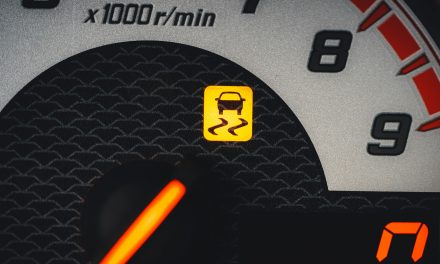
The symbols associated with Lane Departure Warning lights can vary by manufacturer but generally share common characteristics. Most commonly, the symbol resembles a car with two lines representing lane markings on either side. When illuminated, this symbol indicates that the Lane Departure Warning System is active and monitoring lane positioning.
In some vehicles, additional symbols may accompany the LDW light to indicate specific conditions or malfunctions within the system. For example, a yellow or amber light may signify that the system is operational but requires attention due to environmental factors or sensor obstructions. Conversely, a red light may indicate a critical failure within the system that necessitates immediate inspection by a qualified technician.
Top 10 Car Warning Lights: An Overview
1. **Engine Check Light**: This light indicates potential issues with the engine or emissions system.
2. **Brake System Warning Light**: Signals problems with brake fluid levels or brake system malfunctions.
3. **Battery Warning Light**: Alerts drivers to battery charging issues or electrical system failures.
4. **Tire Pressure Monitoring Light**: Indicates low tire pressure or potential tire malfunctions.
5. **Oil Pressure Warning Light**: Signals low oil pressure, which could lead to engine damage.
6. **ABS Warning Light**: Indicates issues with the Anti-lock Braking System.
7. **Transmission Fluid Temperature Light**: Warns of overheating transmission fluid.
8. **Coolant Temperature Warning Light**: Alerts drivers to overheating engine coolant levels.
9. **Airbag Warning Light**: Indicates potential malfunctions in the airbag system.
10. **Fuel Level Warning Light**: Signals low fuel levels requiring immediate attention.
Each of these warning lights plays a vital role in vehicle maintenance and safety. Understanding their meanings and responding appropriately can prevent serious mechanical failures and enhance overall driving safety.
Brake System Warning Light: What It Indicates
The Brake System Warning Light is a critical indicator that alerts drivers to potential issues within the braking system. This light may illuminate for various reasons, including low brake fluid levels, worn brake pads, or malfunctioning brake components. Ignoring this warning can lead to catastrophic failures while driving, making it imperative for drivers to address any alerts promptly.
When this light activates, it is essential to conduct a thorough inspection of the braking system as soon as possible. Checking brake fluid levels and assessing brake pad wear are crucial steps in determining whether immediate repairs are necessary. If the light persists after addressing these factors, consulting a qualified mechanic is advisable to diagnose any underlying issues accurately.
Engine Check Light: When to Take Action
The Engine Check Light is one of the most recognized warning indicators on a vehicle’s dashboard. Its illumination signifies that there may be an issue with the engine or emissions control system. Common triggers include faulty oxygen sensors, loose gas caps, or more severe engine malfunctions such as misfires or overheating.
When this light appears, drivers should not ignore it; instead, they should take immediate action by checking for any noticeable changes in vehicle performance or unusual sounds. If no obvious issues are present, scheduling a diagnostic check with an automotive technician is recommended. Utilizing an OBD-II scanner can also provide insights into specific error codes associated with the engine check light.
Tire Pressure Monitoring Light Explained
The Tire Pressure Monitoring Light (TPMS) serves as an essential safety feature designed to alert drivers when tire pressure falls below recommended levels. Proper tire inflation is crucial for optimal handling, fuel efficiency, and overall safety on the road. When this light illuminates, it indicates that one or more tires may be under-inflated or experiencing other issues.
To address this warning effectively, drivers should check tire pressures using a reliable gauge and inflate tires as needed according to manufacturer specifications. Additionally, inspecting tires for visible damage or wear can help identify potential problems before they escalate into more significant safety concerns.
Battery Warning Light: Causes and Solutions
The Battery Warning Light indicates potential issues within a vehicle’s electrical system or battery charging mechanism. Common causes include a failing alternator, loose battery connections, or a depleted battery itself. When this light activates, it signals that the battery may not be receiving adequate charge while driving.
To resolve this issue, drivers should first inspect battery terminals for corrosion or looseness and ensure all connections are secure. If these checks do not yield results, testing the battery’s voltage and alternator output may be necessary to determine if replacement is required.
Maintaining Safety: Responding to Lane Departure and Other Warning Lights
Maintaining safety while driving involves being proactive in responding to warning lights as they appear on your dashboard. For instance, when encountering the Lane Departure Warning light, it is crucial to assess your driving habits and ensure you remain attentive at all times. Regularly checking your mirrors and using turn signals can help mitigate risks associated with unintentional lane changes.
In addition to addressing specific warning lights like LDW, drivers should adopt a comprehensive approach to vehicle maintenance by routinely inspecting critical systems such as brakes, tires, and engine components. Scheduling regular maintenance checks with qualified technicians can help identify potential issues before they escalate into serious problems.
In summary, understanding car warning lights is essential for maintaining vehicle safety and performance. The Lane Departure Warning System plays a vital role in preventing accidents caused by unintentional lane changes while other warning lights provide critical information about various vehicle systems. By recognizing these indicators and responding appropriately, drivers can enhance their safety on the road and prolong their vehicle’s lifespan through proactive maintenance practices.
FAQs
What is the lane departure warning light?
The lane departure warning light is a dashboard indicator that alerts drivers when their vehicle unintentionally drifts out of its designated lane without the use of turn signals. This feature is part of advanced driver-assistance systems (ADAS) designed to enhance safety on the road.
What does it mean when the lane departure warning light is illuminated?
When the lane departure warning light is illuminated, it indicates that the system has detected lane drift. This could mean that the vehicle is moving out of its lane without signaling, prompting the driver to take corrective action to maintain lane position.
How does the lane departure warning system work?
The lane departure warning system uses cameras and sensors to monitor lane markings on the road. If the system detects that the vehicle is straying from its lane without signaling, it activates the warning light and may also provide audio or haptic feedback to alert the driver.
Can the lane departure warning light be turned off?
Yes, the lane departure warning light can typically be turned off through the vehicle’s settings or by disabling the lane departure warning feature. However, it is advisable to keep the system activated for enhanced safety while driving.
What should I do if the lane departure warning light stays on?
If the lane departure warning light remains on, it may indicate a malfunction in the system or that the sensors are obstructed. It is recommended to check for any dirt or debris on the cameras and sensors, and if the light persists, consult a professional mechanic for further diagnosis.