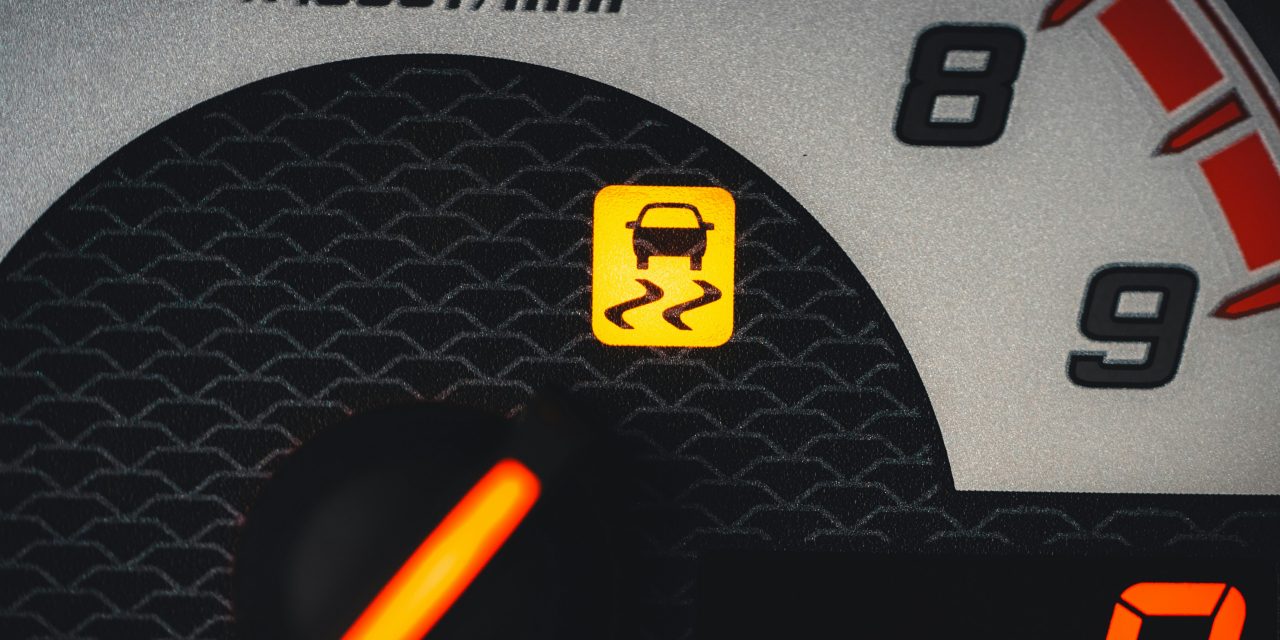
The traction control warning light is an essential indicator on modern vehicles, designed to alert drivers to potential issues within the traction control system (TCS). This system plays a crucial role in enhancing vehicle stability and safety, particularly under adverse driving conditions such as rain, snow, or ice. When the traction control warning light illuminates on the dashboard, it signifies that the system has detected a malfunction or is actively engaged in correcting wheel slip. Understanding the implications of this warning light is vital for maintaining optimal vehicle performance and ensuring driver safety.
The traction control system works in conjunction with the anti-lock braking system (ABS) to prevent wheel spin during acceleration. By modulating engine power and applying brakes to individual wheels, TCS helps maintain traction and stability. However, when the warning light activates, it may indicate underlying issues that require immediate attention. Ignoring this warning can lead to compromised vehicle handling and increased risk of accidents. Therefore, it is imperative for drivers to comprehend the various causes of the traction control warning light and the necessary steps to address them.
The traction control warning light is an important indicator that alerts drivers to potential issues with their vehicle’s traction control system, which helps maintain grip on slippery surfaces. For a deeper understanding of vehicle maintenance and safety, you might find this article on creamy tomato spinach pasta interesting, as it highlights the importance of proper nutrition for drivers to stay alert and focused on the road. You can read more about it here: Creamy Tomato Spinach Pasta Recipe.
Understanding the Traction Control System
The traction control system is an advanced safety feature integrated into most modern vehicles, designed to enhance stability and control during challenging driving conditions. By monitoring wheel speed and adjusting engine power or braking force, TCS helps prevent wheel slip and loss of traction. This system is particularly beneficial when driving on slippery surfaces, as it allows for smoother acceleration and improved handling.
At its core, the traction control system relies on a network of sensors and modules that communicate with the vehicle’s electronic control unit (ECU). The primary components include wheel speed sensors, the ABS module, and the traction control module. These components work together to detect when a wheel is spinning faster than others, indicating a loss of traction. In response, the system can reduce engine power or apply brakes to specific wheels, helping to regain control.
Faulty Wheel Speed Sensors

One of the most common culprits behind the activation of the traction control warning light is faulty wheel speed sensors. These sensors are responsible for monitoring the rotational speed of each wheel and relaying this information to the vehicle’s ECU. If a sensor malfunctions or becomes damaged, it can send inaccurate data, leading to erroneous activation of the traction control system.
Symptoms of faulty wheel speed sensors may include erratic behavior of the traction control system, such as unexpected activation or deactivation. Additionally, drivers may experience issues with the ABS, as both systems rely on accurate wheel speed data. To diagnose this issue, a mechanic can use specialized diagnostic tools to read error codes from the vehicle’s ECU. If a faulty sensor is identified, replacement is typically straightforward and can restore proper functionality to the traction control system.
Malfunctioning ABS Module

The anti-lock braking system (ABS) module plays a pivotal role in the operation of the traction control system. A malfunctioning ABS module can lead to improper communication between the two systems, resulting in the illumination of the traction control warning light. The ABS module is responsible for regulating brake pressure during hard braking situations, preventing wheel lock-up and maintaining steering control.
When the ABS module fails, it may cause erratic braking behavior or trigger warning lights on the dashboard. Drivers may notice a decrease in braking performance or experience pulsations in the brake pedal during operation. Diagnosing an ABS module issue typically involves scanning for error codes and conducting visual inspections of wiring and connections. In some cases, reprogramming or replacing the ABS module may be necessary to restore proper functionality.
Understanding the traction control warning light is essential for maintaining vehicle safety and performance. This light indicates that the traction control system is actively working to prevent wheel spin, especially in slippery conditions. If you’re interested in learning more about how to manage various aspects of your environment, you might find this article on preventing flies around outdoor trash cans helpful, as it discusses maintaining cleanliness and safety in your surroundings.
Low Brake Fluid Levels
Low brake fluid levels can also trigger the traction control warning light, as this condition affects overall braking performance. The brake fluid reservoir is crucial for maintaining hydraulic pressure within the braking system. When fluid levels drop below a certain threshold, it can lead to reduced braking efficiency and compromised safety.
Drivers should regularly check their brake fluid levels as part of routine vehicle maintenance. If low fluid levels are detected, it is essential to investigate potential leaks within the braking system or worn brake components that may be causing fluid loss. Refilling brake fluid is a temporary solution; addressing underlying issues is critical for ensuring long-term safety and performance.
If you are curious about what the traction control warning light means, understanding its implications can be crucial for your vehicle’s safety and performance. This warning light typically indicates that the traction control system is either activated or experiencing a malfunction, which can affect your car’s handling in slippery conditions. For more insights on maintaining your vehicle and ensuring its optimal performance, you might find this article on how to keep bananas fresh longer at home interesting, as it touches on the importance of proper care and maintenance in various contexts. You can read it here.
Worn or Damaged Tires
Tires are a fundamental component of vehicle safety and performance, directly influencing traction and stability. Worn or damaged tires can significantly impact the effectiveness of the traction control system, leading to premature activation of the warning light. Insufficient tread depth or uneven wear patterns can result in reduced grip on slippery surfaces, prompting the TCS to intervene.
Regular tire maintenance is essential for optimal performance. Drivers should routinely inspect their tires for signs of wear, such as bald spots or cracks in the sidewalls. Maintaining proper tire pressure is equally important; under-inflated tires can exacerbate traction issues. If tire wear is excessive or uneven, replacement may be necessary to ensure safe driving conditions.
Issues with the Traction Control Switch
The traction control switch allows drivers to manually engage or disengage the traction control system. If this switch malfunctions or becomes stuck in one position, it can lead to confusion regarding the status of the TCS and trigger the warning light on the dashboard. A faulty switch may prevent drivers from disabling traction control when desired or may cause it to activate unexpectedly.
Diagnosing issues with the traction control switch typically involves visual inspection and testing for continuity using a multimeter. If a malfunction is detected, replacing the switch is often a straightforward process that can restore proper functionality to the system.
Problems with the Steering Angle Sensor
The steering angle sensor plays a critical role in determining vehicle dynamics and stability by measuring the angle of the steering wheel relative to the vehicle’s direction. If this sensor malfunctions or becomes misaligned, it can lead to incorrect readings that affect both the traction control and stability control systems. Consequently, this may trigger the traction control warning light.
Symptoms of a faulty steering angle sensor may include erratic handling or difficulty maintaining a straight line while driving. To diagnose this issue, mechanics often use specialized diagnostic equipment to assess sensor performance and recalibrate if necessary. In some cases, replacement of the steering angle sensor may be required to restore accurate readings.
Faulty Traction Control Module
The traction control module serves as the brain of the TCS, processing data from various sensors and executing commands to maintain vehicle stability. A malfunctioning module can lead to improper functioning of the entire system, resulting in frequent activation of the warning light. Symptoms may include erratic behavior of both traction control and ABS systems.
Diagnosing a faulty traction control module typically involves scanning for error codes and conducting thorough inspections of wiring and connectors associated with the module. In some instances, reprogramming may resolve issues; however, replacement may be necessary if significant damage is detected.
Electrical Wiring or Connector Problems
Electrical wiring issues or faulty connectors can disrupt communication between various components within the traction control system. Damaged wires or corroded connectors can lead to intermittent signals that trigger warning lights on the dashboard. Identifying these problems often requires meticulous visual inspections and testing with specialized equipment.
To address electrical issues effectively, mechanics may need to repair or replace damaged wiring harnesses or connectors. Ensuring secure connections and protecting wiring from environmental factors can help prevent future problems within the TCS.
Brake System Malfunctions
Malfunctions within the brake system can have cascading effects on other safety features like traction control. Issues such as worn brake pads, malfunctioning calipers, or air trapped in brake lines can compromise braking performance and trigger warning lights related to both ABS and TCS systems.
Regular brake maintenance is crucial for ensuring optimal performance and safety. Drivers should have their brake systems inspected periodically by qualified technicians who can identify potential issues before they escalate into more significant problems.
Software or ECU Glitches
Modern vehicles rely heavily on software algorithms within their electronic control units (ECUs) to manage various systems, including traction control. Software glitches or outdated firmware can lead to erroneous readings and unexpected behavior from safety features like TCS. These issues may manifest as warning lights illuminating without any apparent mechanical faults.
To resolve software-related problems, mechanics often perform diagnostic scans to identify error codes associated with ECU malfunctions. Updating software or reprogramming may be necessary to restore proper functionality within the traction control system.
What to Do When the Traction Control Warning Light Comes On
When faced with an illuminated traction control warning light, drivers should take immediate action to assess their vehicle’s condition. The first step involves safely pulling over to a secure location where further evaluation can occur without compromising safety on busy roads.
Once parked, drivers should consult their vehicle’s owner manual for specific guidance related to their make and model regarding TCS warnings. If no obvious issues are apparent—such as low brake fluid levels or visibly worn tires—it’s advisable to seek professional assistance from a qualified mechanic who can conduct thorough diagnostics.
In summary, understanding why your traction control warning light illuminates is crucial for maintaining vehicle safety and performance. Regular maintenance checks on critical components like wheel speed sensors, ABS modules, tires, and electrical systems can help prevent unexpected malfunctions while ensuring optimal driving conditions at all times.
In conclusion, addressing issues related to your vehicle’s traction control system promptly will not only enhance your driving experience but also ensure your safety on various road conditions. By being proactive about maintenance and seeking professional help when necessary, you can keep your vehicle operating smoothly while minimizing risks associated with loss of traction during critical driving situations.
FAQs
What is the traction control warning light?
The traction control warning light is an indicator on your vehicle’s dashboard that alerts you when the traction control system (TCS) is active or if there is a malfunction in the system. It typically looks like a car with squiggly lines behind it, symbolizing loss of traction.
What does it mean when the traction control warning light is on?
When the traction control warning light is illuminated, it usually means that the traction control system is actively working to prevent wheel spin during acceleration. If the light stays on, it may indicate a problem with the system that requires attention.
Can I drive my car with the traction control warning light on?
While you can drive your car with the traction control warning light on, it is not advisable. The system may not be functioning properly, which could affect your vehicle’s stability and handling, especially in slippery conditions.
How can I reset the traction control warning light?
To reset the traction control warning light, you can try turning off the ignition and then restarting the vehicle. If the light remains on, it may require a diagnostic scan to identify and fix any underlying issues before it can be reset.
What should I do if the traction control warning light stays on?
If the traction control warning light stays on after starting your vehicle, it is recommended to have your car inspected by a qualified mechanic. They can diagnose any issues with the traction control system and ensure it is functioning correctly for your safety.