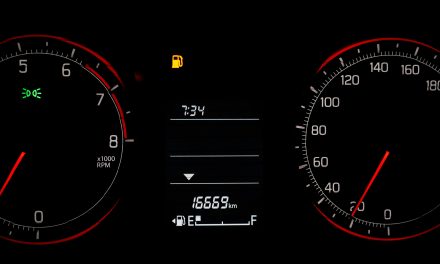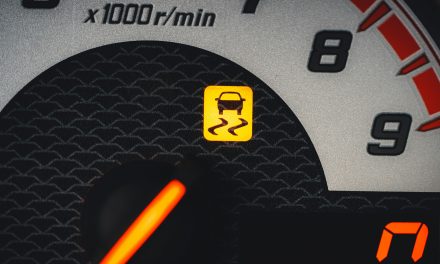
The Check Engine Light (CEL) is an integral component of modern automotive diagnostics, serving as a warning indicator that alerts drivers to potential issues within the vehicle’s engine or emissions system. This light is part of the Onboard Diagnostics II (OBD-II) system, which monitors various parameters to ensure optimal performance and compliance with environmental regulations. When the CEL illuminates, it signifies that the vehicle’s onboard computer has detected a malfunction, which could range from minor issues, such as a loose gas cap, to more severe problems like engine misfires or catalytic converter failures.
Understanding the significance of the Check Engine Light is crucial for vehicle maintenance. Ignoring this warning can lead to more extensive damage and costly repairs. The CEL can also affect fuel efficiency, emissions, and overall vehicle performance. Therefore, timely diagnosis and resolution of the underlying issues are essential for maintaining the vehicle’s health and ensuring compliance with emission standards.
If you’re looking to understand your vehicle’s check engine light codes at home, you might find it helpful to explore related topics, such as troubleshooting common household issues. For instance, you can learn how to fix a door that sticks or won’t close properly by reading this informative article. It provides practical tips that can help you tackle minor repairs around the house, just as you would with your car’s engine diagnostics. Check it out here: how to fix a door that sticks or won’t close properly.
Using an OBD-II Scanner for Quick Code Reading
An OBD-II scanner is a diagnostic tool that connects to a vehicle’s OBD-II port, typically located under the dashboard near the driver’s seat. This device reads diagnostic trouble codes (DTCs) generated by the vehicle’s onboard computer when it detects a malfunction. Using an OBD-II scanner is one of the most efficient methods for quickly identifying issues that trigger the Check Engine Light. These scanners come in various forms, from basic code readers to advanced diagnostic tools that provide real-time data and extensive vehicle information.
To utilize an OBD-II scanner effectively, one must first locate the OBD-II port and connect the device. Once connected, the scanner will communicate with the vehicle’s computer, retrieving any stored codes. Most scanners display codes in a user-friendly format, allowing users to understand the nature of the problem. Additionally, many advanced scanners offer live data streaming, enabling users to monitor engine parameters in real-time, which can aid in diagnosing intermittent issues.
Utilizing Smartphone Apps with Bluetooth OBD-II Adapters

In recent years, technology has advanced significantly, leading to the development of Bluetooth OBD-II adapters that connect wirelessly to smartphones or tablets. These adapters allow users to access their vehicle’s diagnostic information through dedicated applications available on various platforms. This method offers convenience and portability, enabling users to diagnose issues without needing bulky equipment.
To use a Bluetooth OBD-II adapter, one must first purchase a compatible device and download an appropriate app from an app store. After pairing the adapter with the smartphone via Bluetooth, users can access real-time data, read DTCs, and even reset the Check Engine Light directly from their mobile devices. Many apps also provide additional features such as vehicle performance monitoring, fuel consumption tracking, and maintenance reminders, making them valuable tools for proactive vehicle management.
Reading Codes Manually with the Key On Engine Off (KOEO) Method

For those who prefer a more hands-on approach or lack access to diagnostic tools, the Key On Engine Off (KOEO) method allows users to read trouble codes manually using their vehicle’s built-in diagnostic capabilities. This method involves turning the ignition key to the “On” position without starting the engine, which activates the onboard diagnostics system.
Once in this position, drivers can observe the Check Engine Light’s blinking pattern. Each sequence of blinks corresponds to specific codes stored in the vehicle’s memory. By counting the number of blinks and interpreting them according to the manufacturer’s code chart, users can identify potential issues without specialized equipment. While this method may not provide as much detail as an OBD-II scanner, it serves as a useful preliminary diagnostic tool.
If you’re looking to understand how to read check engine light codes at home, you might find it helpful to explore a related article that discusses the importance of regular vehicle maintenance. This resource not only guides you through the process of diagnosing issues but also emphasizes how staying informed can save you time and money in the long run. For more insights, check out this informative piece on vehicle care.
Employing Code Reader Tools Available at Auto Parts Stores
Many auto parts stores offer free code reading services using professional-grade diagnostic tools. These services are typically available to customers who visit the store with their vehicles. Store employees can connect an OBD-II scanner to the vehicle and retrieve any stored trouble codes while providing insights into potential repairs.
Utilizing these services can be beneficial for those who may not have access to personal diagnostic tools or prefer expert assistance. The staff at auto parts stores often have experience interpreting codes and can recommend appropriate parts or solutions based on their findings. This collaborative approach can save time and money while ensuring that drivers receive accurate information regarding their vehicle’s condition.
Accessing Vehicle’s Onboard Diagnostics via Manufacturer’s App
Many automobile manufacturers now offer proprietary apps that allow owners to access their vehicle’s onboard diagnostics directly from their smartphones. These apps often provide a wealth of information beyond just trouble codes, including maintenance schedules, service history, and real-time performance data.
To utilize these manufacturer-specific apps, drivers must typically register their vehicles using the Vehicle Identification Number (VIN). Once registered, users can access diagnostic information remotely, receive alerts about potential issues, and even schedule service appointments through the app. This integration of technology enhances user experience and empowers drivers to take proactive measures in maintaining their vehicles.
Interpreting Codes Using Online Databases and Forums
Once trouble codes have been retrieved from a diagnostic tool or app, interpreting these codes accurately is essential for effective troubleshooting. Numerous online databases and automotive forums provide extensive resources for understanding DTCs and their implications. These platforms often include detailed descriptions of each code, potential causes, and recommended solutions.
Engaging with online communities can also be beneficial for drivers seeking advice or sharing experiences related to specific codes. Many automotive enthusiasts and professionals frequent these forums, offering insights based on their expertise. By leveraging these resources, vehicle owners can gain a deeper understanding of their car’s issues and make informed decisions regarding repairs or maintenance.
Resetting the Check Engine Light After Reading Codes
After diagnosing and addressing any underlying issues indicated by trouble codes, it is essential to reset the Check Engine Light to ensure it does not remain illuminated unnecessarily. Resetting the light can typically be accomplished using an OBD-II scanner or by disconnecting the vehicle’s battery for a brief period.
Using an OBD-II scanner is often the preferred method as it allows for a more controlled reset process without risking loss of other electronic settings in the vehicle. Once the light has been reset, it is advisable to monitor the vehicle closely for any recurrence of issues. If the Check Engine Light reactivates shortly after being reset, further investigation may be necessary to identify unresolved problems.
Tips for Accurate Code Reading and Troubleshooting
To ensure accurate code reading and effective troubleshooting, several best practices should be followed:
1. **Use Quality Diagnostic Tools**: Invest in reliable OBD-II scanners or Bluetooth adapters that provide comprehensive data.
2. **Keep Software Updated**: Ensure that any apps or tools used for diagnostics are regularly updated to reflect current automotive standards.
3. **Document Codes**: Record all retrieved codes along with any symptoms observed during operation for reference during troubleshooting.
4. **Research Thoroughly**: Utilize online databases and forums to gather information about specific codes before attempting repairs.
5. **Perform Visual Inspections**: Conduct thorough visual inspections of components related to retrieved codes before proceeding with repairs.
By adhering to these guidelines, vehicle owners can enhance their diagnostic accuracy and streamline troubleshooting efforts.
When to Seek Professional Help After Reading Codes
While many minor issues can be resolved through DIY diagnostics and repairs, certain situations warrant professional intervention. If multiple trouble codes are present or if codes indicate complex systems such as transmission or engine control modules are malfunctioning, seeking assistance from a qualified mechanic is advisable.
Additionally, if attempts to resolve issues result in persistent Check Engine Light activation or if symptoms worsen despite repairs, professional evaluation is crucial. Mechanics possess specialized knowledge and tools that enable them to diagnose intricate problems accurately and implement effective solutions.
Maintaining Your Vehicle to Prevent Future Check Engine Lights
Preventative maintenance plays a vital role in minimizing occurrences of the Check Engine Light activation. Regularly scheduled maintenance tasks such as oil changes, air filter replacements, and spark plug inspections contribute significantly to overall vehicle health.
Furthermore, maintaining proper tire pressure and ensuring fluid levels are within recommended ranges can enhance fuel efficiency and reduce strain on engine components. Drivers should also be vigilant about addressing minor issues promptly before they escalate into more significant problems that could trigger warning lights.
In conclusion, understanding the Check Engine Light is essential for maintaining optimal vehicle performance and preventing costly repairs. Utilizing diagnostic tools such as OBD-II scanners and smartphone apps empowers drivers to take control of their vehicle’s health while fostering proactive maintenance habits that minimize future issues. By following best practices for code reading and troubleshooting while knowing when to seek professional help, vehicle owners can ensure their cars remain reliable and efficient on the road.
FAQs
What tools do I need to read check engine light codes at home?
To read check engine light codes at home, you will need an OBD-II scanner or code reader. These devices can be purchased online or at automotive stores. Some smartphones also have compatible apps that work with Bluetooth OBD-II adapters.
Where can I find the OBD-II port in my vehicle?
The OBD-II port is typically located under the dashboard near the driver’s seat. It is often found near the steering column or just above the pedals. In some vehicles, it may be covered by a plastic panel that can be removed.
How do I use an OBD-II scanner to read the codes?
To use an OBD-II scanner, first, plug it into the OBD-II port with the vehicle turned off. Then, turn on the ignition without starting the engine. Follow the scanner’s instructions to read the codes, which will be displayed on the scanner’s screen.
What do the check engine light codes mean?
Check engine light codes are alphanumeric codes that correspond to specific issues within the vehicle’s engine or emissions system. You can look up these codes in the scanner’s manual or online databases to understand the potential problems and necessary repairs.
Can I reset the check engine light after reading the codes?
Yes, most OBD-II scanners have a function to clear or reset the check engine light after you have noted the codes. However, it is important to address the underlying issue before resetting the light to avoid further damage to the vehicle.