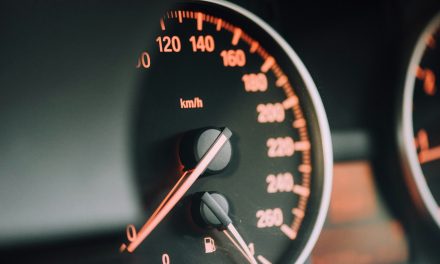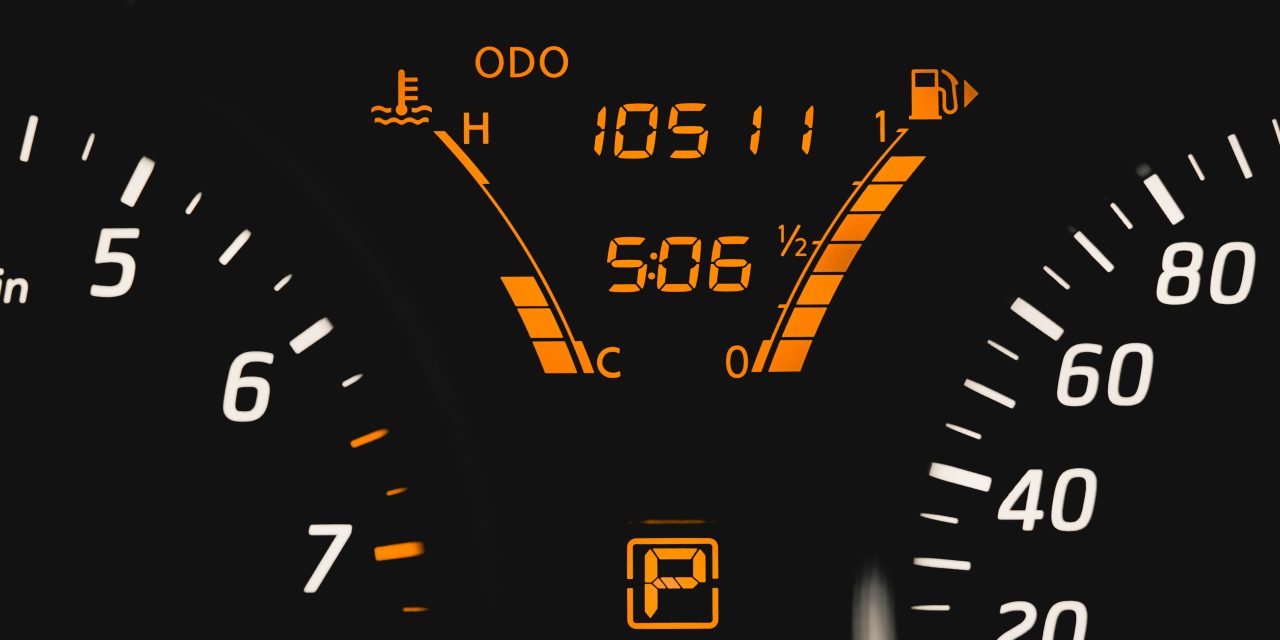
The gear warning light is an essential indicator on your vehicle’s dashboard, designed to alert drivers to potential issues within the transmission system. This light typically resembles a gear or a transmission symbol and can vary in color from yellow to red, depending on the severity of the issue. When illuminated, it signifies that the vehicle’s onboard diagnostic system has detected a malfunction related to gear shifting or transmission performance. Ignoring this warning can lead to significant mechanical failures, resulting in costly repairs and unsafe driving conditions.
Understanding the implications of the gear warning light is crucial for maintaining vehicle safety and performance. The transmission is a complex system responsible for transferring power from the engine to the wheels, allowing for smooth acceleration and deceleration. When the gear warning light activates, it may indicate anything from minor issues, such as low transmission fluid levels, to severe problems like impending transmission failure. Therefore, recognizing the meaning behind this warning light is the first step in ensuring your vehicle remains in optimal condition.
If you’re curious about the gear with an exclamation point warning light and what it signifies for your vehicle, you might find it helpful to explore related topics on vehicle maintenance. For instance, understanding common home repair issues can be quite beneficial for homeowners. You can read more about this in the article titled “Top 10 Common Home Repair Issues Every Homeowner Should Know” available at this link.
Transmission Fluid Issues: The First Red Flag
One of the most common reasons for the activation of the gear warning light is low or contaminated transmission fluid. Transmission fluid serves multiple purposes, including lubrication of moving parts, cooling the transmission, and facilitating smooth gear shifts. When fluid levels drop below the recommended threshold or become contaminated with debris or burnt particles, it can lead to erratic shifting behavior and increased wear on transmission components.
To prevent transmission fluid issues, regular checks and maintenance are essential. Drivers should routinely inspect fluid levels and quality, looking for signs of discoloration or a burnt smell. If low fluid levels are detected, it is crucial to top off with the manufacturer-recommended fluid type. Additionally, performing periodic fluid changes can help maintain optimal performance and prolong the lifespan of the transmission system.
Faulty Gear Sensor: When Your Car Can’t Read the Shift

Another potential cause of the gear warning light is a malfunctioning gear sensor. This sensor plays a vital role in communicating the current gear position to the vehicle’s computer system. If the sensor fails or becomes misaligned, it can send incorrect signals, leading to improper gear engagement and erratic shifting patterns. Symptoms of a faulty gear sensor may include difficulty shifting gears, unexpected gear changes, or even stalling.
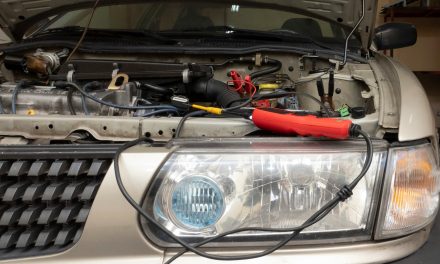
Diagnosing a faulty gear sensor typically requires specialized diagnostic equipment to read error codes from the vehicle’s onboard computer. If a malfunction is confirmed, replacing the sensor is often a straightforward process that can restore proper functionality. Regular inspections of electrical connections and sensor alignment can help prevent these issues from arising in the first place.
Transmission Overheating: Danger Ahead!

Transmission overheating is another critical issue that can trigger the gear warning light. Excessive heat can cause significant damage to transmission components, leading to premature wear and potential failure. Factors contributing to overheating include low fluid levels, towing heavy loads beyond capacity, or driving in extreme conditions without adequate cooling.
To mitigate the risk of overheating, drivers should monitor their vehicle’s temperature gauge and be aware of any unusual smells or performance changes. If overheating occurs, it is essential to pull over safely and allow the transmission to cool down before continuing to drive. Additionally, ensuring that the cooling system is functioning correctly and that fluid levels are adequate can help prevent overheating incidents.
If you’ve ever wondered what the gear with an exclamation point warning light means in your vehicle, you might find it helpful to explore related topics that deal with car maintenance and safety. Understanding these warning lights is crucial for ensuring your vehicle operates smoothly. For instance, you can learn about common household pests and how to deal with them effectively in this informative article on pantry moths. You can read more about it here.
Worn or Damaged Clutch Components
In vehicles equipped with manual transmissions, worn or damaged clutch components can also trigger the gear warning light. The clutch is responsible for engaging and disengaging the engine from the transmission during gear shifts. Over time, components such as the clutch plate, pressure plate, or release bearing may wear out, leading to difficulty in shifting gears or slipping during acceleration.
Regular inspection of clutch components is vital for maintaining optimal performance in manual vehicles. Signs of clutch wear may include a spongy pedal feel, grinding noises during shifts, or an inability to engage gears smoothly. If any of these symptoms are present, it is advisable to consult a mechanic for a thorough evaluation and potential replacement of worn components.
If you’ve ever wondered what the gear with an exclamation point warning light means on your vehicle’s dashboard, it’s essential to understand its implications for your car’s performance and safety. This warning typically indicates a problem with the transmission or a related component, signaling that immediate attention may be necessary to avoid further damage. For more insights on how to ensure your vehicle remains in top condition, you might find this article on reliable pet care services interesting, as it emphasizes the importance of regular maintenance in all aspects of life. Check it out here.
Electrical Problems Affecting Gear Signals
Electrical issues can also play a significant role in triggering the gear warning light. Modern vehicles rely heavily on electronic systems for communication between various components, including sensors and control modules. Faulty wiring, corroded connectors, or malfunctioning control modules can disrupt this communication, leading to erroneous signals being sent regarding gear position or performance.
Diagnosing electrical problems often requires specialized diagnostic tools capable of reading error codes and monitoring live data from various sensors. If electrical issues are identified as the root cause of the gear warning light activation, repairs may involve replacing damaged wiring or connectors or reprogramming control modules to restore proper functionality.
Impending Transmission Failure: Don’t Ignore the Warning!
When the gear warning light illuminates, it may signal impending transmission failure if left unaddressed. Ignoring this warning can lead to catastrophic damage within the transmission system, resulting in costly repairs or complete replacement. Symptoms of impending failure may include slipping gears, unusual noises during operation, or a complete inability to shift gears.
To avoid severe consequences associated with transmission failure, it is crucial to take immediate action when the gear warning light activates. Seeking professional assistance for diagnostics and repairs can help identify underlying issues before they escalate into more significant problems. Early intervention can save drivers from extensive repair bills and ensure continued safe operation of their vehicles.
How Driving with the Warning Light Can Cause Further Damage
Driving with the gear warning light illuminated poses significant risks not only to vehicle performance but also to safety on the road. Continuing to operate a vehicle with unresolved transmission issues can exacerbate existing problems and lead to further damage over time. For instance, low fluid levels can cause overheating and increased wear on internal components, while faulty sensors may lead to erratic shifting that compromises control.
Moreover, ignoring warning lights can result in unexpected breakdowns or accidents due to loss of power or control while driving. It is essential for drivers to recognize that addressing issues promptly not only preserves vehicle integrity but also ensures their safety and that of others on the road.
Diagnosing the Problem: When to Visit a Mechanic
Determining when to seek professional assistance for a gear warning light activation can be challenging for many drivers. However, certain indicators warrant immediate attention from a qualified mechanic. If you experience any unusual symptoms such as grinding noises during shifts, slipping gears, or difficulty engaging gears, it is crucial to schedule an appointment as soon as possible.
Additionally, if the gear warning light remains illuminated after addressing potential causes such as low fluid levels or faulty sensors, further diagnostics are necessary. Mechanics utilize advanced diagnostic tools to pinpoint specific issues within the transmission system and recommend appropriate repairs based on their findings.
Preventative Maintenance Tips to Avoid Gear Warning Lights
Preventative maintenance plays a vital role in avoiding gear warning lights and ensuring optimal transmission performance. Here are several key tips for maintaining your vehicle’s transmission system:
1. **Regular Fluid Checks**: Monitor transmission fluid levels regularly and top off as needed with manufacturer-recommended fluids.
2. **Fluid Changes**: Follow your vehicle’s maintenance schedule for fluid changes to prevent contamination and maintain optimal performance.
3. **Inspect Clutch Components**: For manual transmissions, regularly inspect clutch components for signs of wear and replace them as necessary.
4. **Monitor Driving Habits**: Avoid towing heavy loads beyond your vehicle’s capacity and refrain from aggressive driving behaviors that may strain the transmission.
5. **Electrical System Maintenance**: Ensure that electrical connections related to sensors and control modules are clean and free from corrosion.
By adhering to these preventative measures, drivers can significantly reduce their risk of encountering gear warning lights and prolong their vehicle’s lifespan.
Summary: Taking Action When Your Gear Warning Light Comes On
In conclusion, understanding the implications of the gear warning light is crucial for maintaining vehicle safety and performance. From transmission fluid issues to faulty sensors and impending failure risks, various factors can trigger this warning indicator. Promptly addressing these concerns through regular maintenance and professional diagnostics can prevent further damage and ensure safe driving conditions.
By recognizing symptoms early on and taking proactive measures such as routine inspections and fluid changes, drivers can mitigate risks associated with transmission problems. Ultimately, staying informed about your vehicle’s needs will empower you to take action when necessary and keep your car running smoothly for years to come.
FAQs
What does the gear with exclamation point warning light indicate?
The gear with an exclamation point warning light typically indicates a problem with the vehicle’s transmission system. This warning can signify issues such as low transmission fluid, overheating, or a malfunction in the transmission control system.
What should I do if the gear with exclamation point warning light comes on?
If the gear with exclamation point warning light illuminates, it is advisable to pull over safely and turn off the engine. Check the transmission fluid level and condition. If the fluid is low or dirty, it may need to be topped off or replaced. If the light remains on after checking the fluid, it is recommended to consult a mechanic for further diagnosis.
Can I continue driving with the gear with exclamation point warning light on?
Continuing to drive with the gear with exclamation point warning light on is not recommended. Doing so could lead to further damage to the transmission, potentially resulting in costly repairs. It is best to address the issue as soon as possible.
What are some common causes of the gear with exclamation point warning light?
Common causes for the gear with exclamation point warning light include low transmission fluid levels, overheating of the transmission, a faulty transmission control module, or issues with the vehicle’s sensors. Each of these issues can affect the performance and safety of the vehicle.
How can I prevent the gear with exclamation point warning light from coming on?
To prevent the gear with exclamation point warning light from activating, regularly check and maintain the transmission fluid levels, ensure timely fluid changes, and have the transmission system inspected during routine vehicle maintenance. Addressing any unusual noises or performance issues promptly can also help prevent warning lights from appearing.