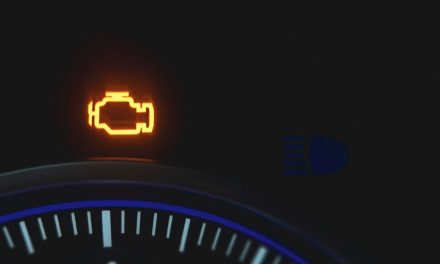
The Tire Pressure Monitoring System (TPMS) is an essential safety feature in modern vehicles, designed to alert drivers when tire pressure falls below a specified threshold. This system employs sensors located within each tire, which continuously monitor the air pressure and relay this information to the vehicle’s onboard computer. When the pressure drops significantly, typically by 25% or more, the TPMS activates a warning light on the dashboard, prompting the driver to take corrective action.
TPMS can be categorized into two types: direct and indirect systems. Direct TPMS utilizes pressure sensors mounted on each tire, providing real-time data on tire pressure. In contrast, indirect TPMS relies on wheel speed sensors to infer tire pressure based on the rotational speed of each tire. While both systems serve the same purpose, direct TPMS is generally more accurate and provides immediate feedback regarding tire conditions.
When the temperature drops, many drivers notice that their tire pressure light comes on, which can be concerning. This phenomenon occurs because colder air causes the air inside the tires to contract, leading to a decrease in tire pressure. It’s essential to regularly check and maintain proper tire pressure, especially during winter months, to ensure safe driving conditions. For more tips on how to manage everyday challenges, you might find this article on reducing food waste through smart storage solutions helpful: 10 Easy Tips for Reducing Food Waste Through Smart Storage Solutions.
How Cold Weather Affects Tire Pressure
Cold weather has a profound impact on tire pressure, primarily due to the physical properties of gases. According to the Ideal Gas Law, for every 10-degree Fahrenheit drop in temperature, tire pressure decreases by approximately 1 PSI (pound per square inch). This means that during winter months, drivers may experience a significant reduction in tire pressure without any visible signs of air loss.
Moreover, low temperatures can exacerbate existing issues such as slow leaks or faulty sensors, leading to more frequent TPMS alerts. Understanding how cold weather affects tire pressure is crucial for maintaining optimal vehicle performance and ensuring safety on icy roads. Regular monitoring and adjustment of tire pressure during winter months can prevent potential hazards associated with under-inflated tires.
Reason 1: Natural Air Contraction in Low Temperatures

One of the primary reasons for decreased tire pressure in cold weather is the natural contraction of air molecules as temperatures drop. As the temperature decreases, the kinetic energy of air molecules diminishes, causing them to occupy less space. This phenomenon results in a reduction of air volume within the tire, leading to lower overall pressure.
For instance, if a tire is inflated to 32 PSI at 70°F, it may drop to around 30 PSI when temperatures plummet to 30°F. This seemingly minor decrease can significantly affect vehicle handling, fuel efficiency, and overall safety. Therefore, it is imperative for drivers to regularly check their tire pressure during colder months to ensure optimal performance.
Reason 2: Slow Leaks Become More Noticeable in Cold

Cold weather can exacerbate existing slow leaks in tires, making them more noticeable and problematic. As temperatures drop, rubber compounds in tires can become less pliable, potentially leading to cracks or gaps that allow air to escape. Additionally, changes in atmospheric pressure can create a greater disparity between internal and external pressures, making slow leaks more pronounced.
Drivers may find that tires that seemed adequately inflated during warmer months begin to trigger TPMS alerts as temperatures fall. Regular inspections for punctures or damage can help identify slow leaks before they become critical issues. Addressing these leaks promptly not only enhances safety but also prolongs the lifespan of the tires.
When the temperature drops, many drivers notice that their tire pressure light comes on, which can be concerning. This phenomenon is often due to the fact that colder air causes the air inside the tires to contract, leading to a decrease in pressure. To learn more about this issue and how to address it, you can check out this informative article on tire maintenance. Additionally, if you’re interested in understanding how to care for your pets during the winter months, you might find this article on grooming long-haired cats helpful as well. For more details, visit grooming long-haired cats.
Reason 3: Faulty or Aging TPMS Sensors
Another factor contributing to tire pressure discrepancies in cold weather is the potential for faulty or aging TPMS sensors. These sensors are designed to monitor tire pressure accurately; however, over time, they may become less reliable due to wear and tear or battery depletion. Cold temperatures can further exacerbate these issues, leading to false alerts or failure to detect low tire pressure.
It is essential for vehicle owners to be aware of their TPMS system’s functionality and consider having sensors inspected or replaced as needed. Regular maintenance checks can help ensure that the TPMS operates effectively, providing accurate readings and alerts when necessary.
When the temperature drops, many drivers notice that their tire pressure light comes on, which can be concerning. This phenomenon occurs because cold weather causes the air inside the tires to contract, leading to a decrease in pressure. If you’re curious about how temperature affects tire pressure and want to learn more about maintaining your vehicle in winter conditions, you might find this article helpful. Additionally, if you’re dealing with pet hair in your car during these colder months, you can check out this useful guide on removing pet hair from your blankets and bedding, ensuring a clean and comfortable ride.
Reason 4: Sudden Temperature Drops Trigger Alerts
Sudden drops in temperature can trigger TPMS alerts even if tire pressure was previously adequate. When temperatures plummet overnight or during a cold snap, tires that were properly inflated may suddenly fall below the recommended threshold due to rapid air contraction. This phenomenon can catch drivers off guard, especially if they are unaware of how quickly temperature changes can affect tire pressure.
To mitigate this issue, drivers should remain vigilant about monitoring weather forecasts and adjusting their tire pressure accordingly. Being proactive about checking tire pressure during significant temperature fluctuations can prevent unnecessary trips to the service station and enhance overall safety.
Reason 5: Tire Damage from Cold Weather Hazards
Cold weather presents various hazards that can lead to tire damage, further complicating the issue of maintaining proper tire pressure. Potholes, ice patches, and snow-covered roads can cause tires to sustain impacts that result in punctures or sidewall damage. Such damage can lead to air loss and trigger TPMS warnings.
To minimize the risk of tire damage during winter months, drivers should exercise caution when navigating icy or uneven road surfaces. Regularly inspecting tires for visible signs of damage and addressing any issues promptly can help maintain optimal performance and safety.
Reason 6: Improper Tire Inflation Before Winter
Entering winter with improperly inflated tires can set the stage for a host of problems as temperatures drop. Many drivers neglect to check their tire pressure before the onset of colder weather, leading to under-inflated tires that are more susceptible to damage and air loss.
Before winter arrives, it is advisable for drivers to ensure that their tires are inflated according to manufacturer specifications. This proactive approach not only enhances safety but also improves fuel efficiency and extends tire life.
Reason 7: Changes in Driving Patterns During Winter
Winter often brings changes in driving patterns that can affect tire performance and pressure management. For instance, increased short trips may prevent tires from reaching optimal operating temperature, leading to reduced air pressure due to condensation buildup inside the tires. Additionally, driving on snow or ice may require different handling techniques that can impact tire wear and performance.
Being aware of these changes and adjusting driving habits accordingly can help mitigate potential issues related to tire pressure during winter months. For example, allowing tires to warm up before driving at higher speeds can help maintain optimal performance.
How to Properly Check and Adjust Tire Pressure in Cold Weather
To ensure optimal tire performance during cold weather, it is crucial for drivers to know how to check and adjust tire pressure correctly. Begin by using a reliable tire pressure gauge to measure the current PSI of each tire when they are cold—ideally before driving or after sitting for several hours.
If adjustments are necessary, refer to the vehicle’s owner manual or the placard located on the driver’s side door jamb for recommended PSI levels. Inflate tires using an air compressor until they reach the specified pressure. It is essential not to overinflate tires, as this can lead to reduced traction and increased risk of blowouts.
Preventative Tips to Avoid Tire Pressure Light Warnings in Winter
To prevent TPMS alerts during winter months, consider implementing several preventative measures:
1. **Regular Inspections**: Conduct routine checks on tire pressure at least once a month or before long trips.
2. **Monitor Temperature Changes**: Be aware of significant temperature fluctuations and adjust tire pressure accordingly.
3. **Inspect for Damage**: Regularly examine tires for signs of wear or damage that could lead to air loss.
4. **Maintain Proper Inflation**: Ensure tires are inflated according to manufacturer specifications before winter arrives.
5. **Consider Seasonal Tires**: If you live in an area with harsh winters, consider investing in winter tires designed for optimal performance in cold conditions.
In summary, understanding how cold weather affects tire pressure is vital for maintaining vehicle safety and performance during winter months. Factors such as natural air contraction, slow leaks, faulty sensors, sudden temperature drops, tire damage from hazards, improper inflation before winter, and changes in driving patterns all contribute to potential issues with TPMS alerts. By regularly checking and adjusting tire pressure and implementing preventative measures, drivers can enhance their safety on icy roads while prolonging the lifespan of their tires.
FAQs
Why does tire pressure decrease in cold weather?
As temperatures drop, the air inside your tires contracts, leading to a decrease in tire pressure. For every 10°F decrease in temperature, tire pressure can drop by about 1 PSI (pound per square inch). This is due to the ideal gas law, which states that gas volume decreases as temperature decreases.
What should I do if my tire pressure light comes on?
If your tire pressure light comes on, check your tire pressures using a reliable gauge. Inflate any under-inflated tires to the recommended pressure, which can usually be found on a sticker inside the driver’s door or in the owner’s manual. If the light remains on after adjusting the pressure, there may be a leak or another issue that requires professional inspection.
Can cold weather cause tire damage?
Yes, cold weather can contribute to tire damage. Low temperatures can cause tires to become more rigid and less flexible, increasing the risk of cracks and other forms of wear. Additionally, under-inflated tires can lead to uneven wear and potential blowouts, especially on icy or snowy roads.
How often should I check my tire pressure in winter?
It is advisable to check your tire pressure at least once a month during winter months, as temperature fluctuations can significantly affect tire pressure. Additionally, check your tire pressure before long trips or when the weather changes dramatically.
Is it safe to drive with the tire pressure light on?
Driving with the tire pressure light on is not recommended, as it indicates that one or more tires may be under-inflated. This can affect vehicle handling, fuel efficiency, and increase the risk of tire blowouts. It is best to address the issue as soon as possible to ensure safe driving conditions.