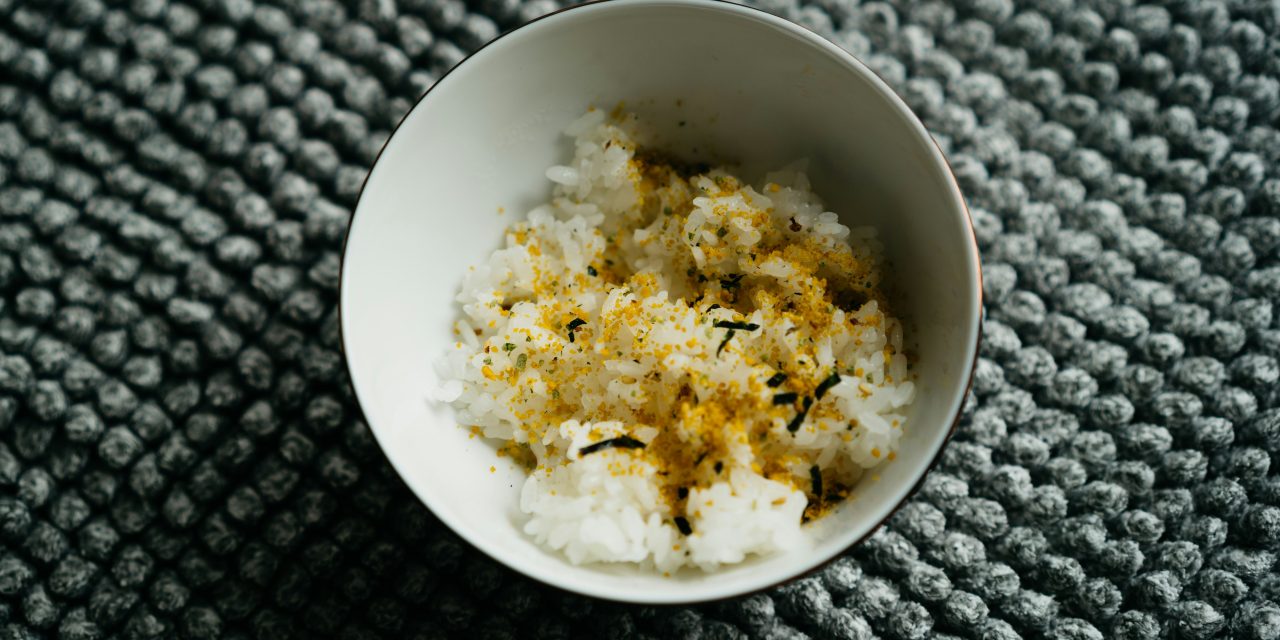
Rice vinegar, a staple in Asian cuisine, is derived from fermented rice and is characterized by its mild flavor and slightly sweet undertones. This versatile condiment is integral to various dishes, particularly in Japanese, Chinese, and Korean cooking. It is commonly used in sushi rice preparation, salad dressings, marinades, and dipping sauces. The fermentation process not only enhances its flavor but also contributes to its unique acidity, which can elevate the taste profile of a dish without overpowering it.
In addition to its culinary applications, rice vinegar boasts several health benefits. It contains acetic acid, which may aid in digestion and help regulate blood sugar levels. Furthermore, its low acidity makes it a favorable choice for those sensitive to stronger vinegars. The delicate balance of sweetness and acidity in rice vinegar makes it an essential ingredient for achieving authentic flavors in Asian dishes, such as pickled vegetables and stir-fries.
If you’re looking for alternatives to rice vinegar in your cooking, you might find it helpful to explore various substitutes that can enhance the flavor of your dishes. For instance, apple cider vinegar, white wine vinegar, or even lemon juice can serve as excellent replacements. To further expand your culinary knowledge, you can check out this related article on finding the best cat vets for expert feline care in 2024, which highlights the importance of quality ingredients in pet nutrition as well: Top 10 Best Cat Vets Near Me for Expert Feline Care in 2024.
Why You Might Need a Substitute for Rice Vinegar
There are numerous reasons one might seek a substitute for rice vinegar. Perhaps you have dietary restrictions or allergies that prevent you from using this ingredient. Alternatively, you may find yourself in a situation where rice vinegar is unavailable at your local grocery store. In such cases, understanding the flavor profile and acidity level of rice vinegar becomes crucial for selecting an appropriate alternative.
Moreover, certain recipes may call for rice vinegar specifically, but the desired flavor can often be replicated with other vinegars or acidic ingredients. When substituting, it is essential to consider the dish’s overall flavor balance and the role that rice vinegar plays within it. By choosing the right alternative, you can maintain the integrity of your dish while accommodating your needs or preferences.
Apple Cider Vinegar: A Tangy and Accessible Alternative

Apple cider vinegar (ACV) is one of the most popular substitutes for rice vinegar due to its tangy flavor and widespread availability. Made from fermented apple juice, ACV has a slightly fruity taste that can complement many dishes. Its acidity level is comparable to that of rice vinegar, making it an excellent choice for recipes that require a similar level of tartness.
When using apple cider vinegar as a substitute, it is advisable to start with a smaller quantity than the recipe calls for and adjust according to taste. The fruity notes of ACV can enhance salad dressings and marinades, providing a refreshing twist to traditional recipes. Additionally, ACV is known for its health benefits, including potential weight loss support and improved digestion, making it a nutritious alternative.
White Wine Vinegar: Mild Flavor for Delicate Dishes

White wine vinegar is another viable substitute for rice vinegar, particularly in dishes where a more subtle flavor is desired. This vinegar is produced through the fermentation of white wine and has a mild acidity that can enhance the taste of various culinary creations without overwhelming them. Its delicate flavor profile makes it suitable for dressings, sauces, and light marinades.
When substituting white wine vinegar for rice vinegar, it is essential to consider the dish’s overall flavor balance. While white wine vinegar lacks the sweetness of rice vinegar, it can still provide the necessary acidity to brighten up a dish. A general rule of thumb is to use an equal amount of white wine vinegar as a replacement; however, tasting as you go will ensure that the final product meets your expectations.
If you’re looking for alternatives to rice vinegar in your cooking, you might find it helpful to explore various substitutes that can enhance your dishes. For instance, apple cider vinegar or white wine vinegar can often provide a similar tangy flavor. To learn more about different culinary tips and tricks, you can check out this informative article on cat care, which, while not directly related, offers insights into the importance of making informed choices in various aspects of life. You can read it here: cat clinics.
Lemon or Lime Juice: Fresh Citrus Zing as a Replacement
Citrus juices like lemon or lime can serve as excellent substitutes for rice vinegar, particularly when a fresh and zesty flavor is desired. The natural acidity found in these juices can mimic the tanginess of rice vinegar while adding a vibrant citrus note to dishes. This substitution works exceptionally well in salad dressings, marinades, and dipping sauces.
When using lemon or lime juice as a replacement, it is crucial to consider the overall flavor profile of your dish. The brightness of citrus can enhance flavors but may also alter the intended taste if used excessively. A good starting point is to use half the amount of citrus juice compared to rice vinegar and adjust according to personal preference. Additionally, incorporating zest from the fruit can further amplify the citrus flavor.
If you’re looking for alternatives to rice vinegar, you might find it helpful to explore various cooking techniques that can enhance your meals. For instance, batch cooking is a great way to prepare multiple dishes in advance, allowing you to experiment with different flavors and ingredients. You can read more about this method in the article on batch cooking basics, which provides insights into how to maximize your time in the kitchen while still enjoying delicious meals throughout the week.
Champagne Vinegar: Light and Elegant Substitute
Champagne vinegar is a refined alternative to rice vinegar that offers a light and elegant flavor profile. Made from fermented champagne or sparkling wine, this vinegar has a mild acidity that can enhance dishes without overpowering them. Its subtle notes make it particularly suitable for delicate salads and seafood dishes.
When substituting champagne vinegar for rice vinegar, consider using it in equal amounts to maintain the desired acidity level in your recipe. The nuanced flavors of champagne vinegar can elevate dressings and marinades, providing a sophisticated touch to your culinary creations. Its versatility allows it to be used in various applications while maintaining a balance between flavor and acidity.
Sherry Vinegar: Rich and Nutty Flavor Profile
Sherry vinegar is known for its rich and nutty flavor profile, making it an intriguing substitute for rice vinegar in certain dishes. Produced from fermented sherry wine, this vinegar has a complex taste that can add depth to sauces, marinades, and dressings. Its unique flavor can enhance roasted vegetables or grilled meats while providing a distinct twist on traditional recipes.
When using sherry vinegar as a substitute for rice vinegar, it is advisable to start with a smaller quantity due to its robust flavor. A general guideline is to use about three-quarters of the amount called for in the recipe and adjust according to taste preferences. The richness of sherry vinegar can complement hearty dishes while still providing the necessary acidity.
Balsamic Vinegar: Sweet and Complex Option
Balsamic vinegar offers a sweet and complex flavor profile that can serve as an alternative to rice vinegar in specific culinary contexts. Originating from Italy, this dark vinegar has a syrupy consistency and rich taste that can enhance salads, marinades, and glazes. While its sweetness differs from the mild sweetness of rice vinegar, it can add an interesting dimension to certain dishes.
When substituting balsamic vinegar for rice vinegar, it is essential to consider the overall flavor balance of your dish. Due to its sweetness, you may want to reduce other sweet ingredients in your recipe to avoid overpowering flavors. A good starting point is to use half the amount of balsamic vinegar compared to rice vinegar and adjust based on taste preferences.
White Vinegar: Strong but Effective Stand-In
White vinegar is one of the most potent vinegars available and can serve as an effective stand-in for rice vinegar when necessary. Made from distilled grain alcohol, white vinegar has a sharp acidity that can provide the necessary tanginess in recipes. However, due to its strong flavor profile, it should be used sparingly.
When substituting white vinegar for rice vinegar, it is advisable to dilute it with water or another liquid to soften its intensity. A common ratio is one part white vinegar mixed with one part water for every two parts of rice vinegar called for in the recipe. This dilution helps maintain the desired acidity without overwhelming the dish’s flavors.
How to Adjust Recipes When Using Vinegar Substitutes
Adjusting recipes when using substitutes requires careful consideration of flavor profiles and acidity levels. When replacing rice vinegar with another type of vinegar or acidic ingredient, it’s essential to taste as you go and make incremental adjustments based on personal preference. Here are some tips for successful substitutions:
1. **Start Small**: Begin with less than the recommended amount of substitute and gradually increase until you achieve the desired taste.
2. **Balance Flavors**: Consider other ingredients in your recipe that may contribute sweetness or acidity; adjust them accordingly.
3. **Experiment**: Different substitutes may work better in various dishes; don’t hesitate to try multiple options until you find the perfect match.
4. **Document Changes**: Keep track of your adjustments so you can replicate successful outcomes in future cooking endeavors.
Choosing the Best Rice Vinegar Substitute for Your Dish
Selecting an appropriate substitute for rice vinegar depends on various factors such as availability, dietary restrictions, and desired flavor profiles. Options like apple cider vinegar, white wine vinegar, lemon juice, champagne vinegar, sherry vinegar, balsamic vinegar, and white vinegar each offer unique characteristics that can enhance your culinary creations while maintaining balance.
Ultimately, understanding how each substitute interacts with other ingredients will allow you to make informed decisions when cooking or baking. By experimenting with different alternatives and adjusting recipes accordingly, you can achieve delicious results even without rice vinegar on hand.
In summary, whether you’re looking for tanginess from apple cider vinegar or the elegance of champagne vinegar, there are numerous substitutes available that can effectively replace rice vinegar in your favorite dishes while preserving their integrity and flavor profiles.
FAQs
What are some common substitutes for rice vinegar?
Common substitutes for rice vinegar include apple cider vinegar, white wine vinegar, and red wine vinegar. Each of these alternatives has a slightly different flavor profile but can work well in recipes that call for rice vinegar.
Can I use apple cider vinegar instead of rice vinegar?
Yes, apple cider vinegar can be used as a substitute for rice vinegar. It has a similar acidity level and a slightly fruity flavor, making it a good alternative in dressings, marinades, and sauces.
Is there a difference in flavor between rice vinegar and white vinegar?
Yes, there is a significant difference in flavor. Rice vinegar is milder and slightly sweet, while white vinegar is much sharper and more acidic. If substituting white vinegar for rice vinegar, consider adding a bit of sugar to balance the flavors.
Can I use lemon juice as a substitute for rice vinegar?
Lemon juice can be used as a substitute for rice vinegar, especially in dressings and marinades. However, it has a more pronounced citrus flavor, so it may alter the taste of the dish slightly.
How does the acidity of substitutes compare to rice vinegar?
The acidity of substitutes like apple cider vinegar and white wine vinegar is generally comparable to that of rice vinegar, which typically has an acidity level of around 4-5%. However, it’s important to taste and adjust the quantity when substituting to achieve the desired flavor balance.