Shortening plays a pivotal role in the baking process, serving as a crucial ingredient that contributes to the texture, flavor, and overall quality of baked goods. This fat, which is typically solid at room temperature, is derived from vegetable oils and is known for its ability to create a tender crumb in pastries, cookies, and cakes. The primary function of shortening is to inhibit gluten formation, which results in a softer and more delicate texture. By coating flour particles, shortening prevents them from absorbing water and forming gluten, thus allowing for a more tender product.
In addition to its textural benefits, shortening also enhances the flavor profile of baked goods. It provides a rich mouthfeel and can contribute to the overall taste experience. Furthermore, shortening has a high smoke point, making it suitable for various cooking methods beyond baking. Its versatility allows it to be used in frying, sautéing, and even as a base for sauces. Understanding the multifaceted role of shortening is essential for bakers aiming to achieve specific textures and flavors in their creations.
If you’re exploring alternatives to shortening in baking, you might find it helpful to read about the importance of resting meat after cooking, as it highlights the significance of proper preparation techniques in the kitchen. Understanding how to enhance flavors and textures can also apply to baking. For more insights on this topic, check out the article on why resting meat matters here.
Why You Might Need a Shortening Substitute
There are several reasons why one might seek a substitute for shortening in baking. Dietary restrictions, health considerations, or personal preferences can all influence the choice to replace this ingredient. For instance, individuals following a vegan diet may avoid animal-derived products like butter or lard, prompting the need for plant-based alternatives. Additionally, those concerned about saturated fat intake may opt for substitutes that offer healthier fat profiles.
Another factor to consider is the availability of ingredients. In some cases, bakers may find themselves without shortening on hand or may wish to experiment with different flavors and textures. Substituting shortening can lead to unique variations in baked goods, allowing for creativity in the kitchen. Understanding the reasons behind the need for a substitute can help bakers make informed decisions that align with their dietary needs and culinary goals.
Butter: The Classic Alternative

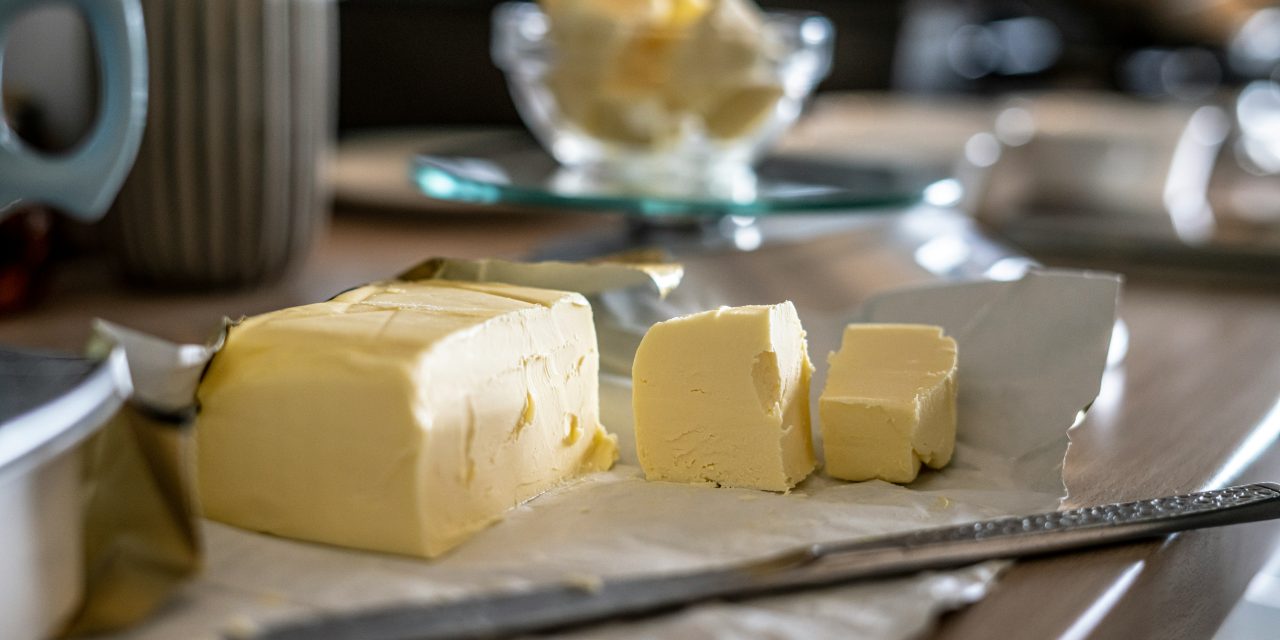
Butter is perhaps the most traditional substitute for shortening in baking. Renowned for its rich flavor and ability to create a tender texture, butter can be used in equal measure as a replacement for shortening. The primary distinction between the two lies in their fat content; butter contains approximately 80% fat compared to shortening’s nearly 100%. This difference can affect the final product’s texture and moisture level.
When using butter as a substitute, it is essential to consider its water content, which can lead to variations in dough consistency. To achieve optimal results, bakers may need to adjust other liquid ingredients in their recipes. Additionally, butter imparts a distinct flavor that can enhance the overall taste of baked goods. However, it is important to note that butter has a lower melting point than shortening, which may affect the structure of certain recipes, particularly those requiring a flaky texture.
Coconut Oil: A Natural and Flavorful Option

Coconut oil has gained popularity as a natural alternative to shortening due to its unique flavor profile and health benefits. This plant-based fat is solid at room temperature but melts easily when heated, making it an excellent choice for various baking applications. Coconut oil contains medium-chain triglycerides (MCTs), which are believed to offer several health advantages, including improved metabolism and energy levels.
When substituting coconut oil for shortening, it is advisable to use refined coconut oil if you prefer a neutral flavor or unrefined coconut oil for a more pronounced coconut taste. The substitution ratio is typically 1:1; however, bakers should be mindful of the oil’s lower melting point compared to shortening. This characteristic can influence the texture of baked goods, particularly those requiring a firmer structure. Overall, coconut oil provides a flavorful and health-conscious option for those seeking an alternative to traditional shortening.
When looking for a good substitute for shortening in baking, many home bakers often turn to alternatives like butter or coconut oil, which can provide similar textures and flavors. For those interested in exploring more about effective baking techniques and ingredient substitutions, you might find this article on doggy daycare training particularly insightful, as it highlights the importance of making informed choices, whether in the kitchen or when caring for pets.
Margarine: A Convenient Replacement
Margarine serves as another viable substitute for shortening, particularly for those looking for a non-dairy option. Made from vegetable oils, margarine mimics the properties of butter while offering a similar texture and flavor profile. It is often fortified with vitamins A and D, making it a nutritious alternative for those who may be concerned about their dietary intake.
When using margarine as a replacement for shortening, it is essential to choose varieties that contain at least 80% fat content to ensure optimal results in baking. Lower-fat margarines may contain additional water or fillers that can negatively impact the texture of baked goods. The substitution ratio is generally 1:1; however, bakers should be aware that margarine may produce slightly softer results compared to shortening due to its higher moisture content.
Lard: Traditional Fat for Flakiness
Lard has long been celebrated as a traditional fat in baking, particularly for its ability to create exceptionally flaky pastries and pie crusts. Derived from rendered pork fat, lard boasts a high fat content and low moisture level, making it an ideal choice for achieving that coveted flaky texture in baked goods. Its unique composition allows lard to create layers within doughs, resulting in tender and airy pastries.
While lard may not be suitable for vegetarians or vegans, it remains a popular choice among those seeking authentic flavors in their baking. When substituting lard for shortening, bakers can use it in equal measure; however, they should be mindful of the distinct flavor that lard imparts. Additionally, lard has a higher melting point than many other fats, which can contribute to improved structure in certain recipes.
Vegetable Oil: Liquid Fat for Moisture
Vegetable oil is another common substitute for shortening that offers moisture and tenderness to baked goods. As a liquid fat, vegetable oil can easily blend into batters and doughs, resulting in moist cakes and cookies. Common types of vegetable oil include canola oil, sunflower oil, and soybean oil; each provides a neutral flavor that allows other ingredients to shine.
When using vegetable oil as a substitute for shortening, bakers should consider adjusting the measurements slightly due to its liquid state. A general guideline is to use about ¾ cup of vegetable oil for every cup of shortening required in a recipe. While vegetable oil may not provide the same flakiness as solid fats like shortening or butter, it excels in creating moist textures that are particularly desirable in cakes and muffins.
Applesauce: A Healthy, Low-Fat Substitute
Applesauce has emerged as a popular low-fat substitute for shortening in baking, particularly among health-conscious individuals seeking to reduce calorie intake without sacrificing flavor or texture. This fruit puree adds moisture and sweetness while significantly lowering fat content in recipes. Applesauce works exceptionally well in cakes, muffins, and quick breads.
When substituting applesauce for shortening, bakers can typically use a 1:1 ratio; however, it is advisable to reduce other liquid ingredients slightly due to the moisture content of applesauce. While this substitution may alter the texture slightly—resulting in denser baked goods—it also introduces natural sweetness and fruitiness that can enhance flavor profiles. For those looking to create healthier versions of their favorite treats, applesauce serves as an excellent alternative.
Greek Yogurt: Adding Moisture and Tenderness
Greek yogurt has gained recognition as an innovative substitute for shortening due to its ability to add moisture and tenderness while providing additional protein content. This creamy dairy product enhances the nutritional profile of baked goods while contributing to their overall texture. Greek yogurt works particularly well in recipes such as cakes and muffins where moisture retention is crucial.
When using Greek yogurt as a substitute for shortening, bakers can typically replace half of the required amount with yogurt while maintaining the original fat content by using full-fat varieties. This substitution not only adds moisture but also introduces tanginess that can elevate flavors in certain recipes. It is essential to consider the overall balance of ingredients when incorporating Greek yogurt into baked goods to achieve optimal results.
Tips for Choosing the Right Substitute for Your Recipe
Selecting the appropriate substitute for shortening requires careful consideration of several factors including dietary restrictions, desired flavors, and textural outcomes. When evaluating options, it is essential to assess whether you prefer plant-based alternatives or traditional fats based on your dietary preferences or restrictions.
Additionally, consider the specific recipe you are working with; some baked goods benefit from solid fats like butter or lard for flakiness while others thrive on moisture provided by liquid fats such as vegetable oil or yogurt. Experimentation may be necessary to find the perfect balance between taste and texture when substituting ingredients.
Adjusting Measurements and Techniques for Best Results
When substituting shortening with alternative fats or ingredients, adjustments may be necessary to achieve optimal results in baking. It is crucial to understand how different fats behave during the baking process; solid fats typically require creaming with sugar while liquid fats blend seamlessly into batters.
Bakers should also pay attention to measurement conversions; using too much or too little of an ingredient can significantly impact the final product’s texture and flavor profile. Keeping detailed notes during experimentation will help refine techniques over time and lead to successful outcomes with various substitutes.
In summary, understanding the role of shortening in baking opens up avenues for creativity through various substitutes such as butter, coconut oil, margarine, lard, vegetable oil, applesauce, and Greek yogurt. Each alternative offers unique benefits that cater to different dietary needs while enhancing flavors and textures in baked goods. By carefully selecting substitutes based on recipe requirements and adjusting measurements accordingly, bakers can achieve delicious results without compromising on quality or taste.
FAQs
What are some common substitutes for shortening in baking?
Common substitutes for shortening include butter, margarine, coconut oil, and vegetable oil. Each of these alternatives can provide similar textures and flavors, though they may slightly alter the final product.
Can I use butter instead of shortening in my recipes?
Yes, butter can be used as a substitute for shortening in baking. It adds a rich flavor and can create a tender texture, but it has a lower melting point, which may affect the structure of certain baked goods.
Is coconut oil a good alternative to shortening?
Coconut oil is a suitable alternative to shortening, especially in vegan recipes. It has a similar fat content and can provide a similar texture, though it may impart a slight coconut flavor to the final product.
How does using vegetable oil compare to shortening?
Vegetable oil can be used in place of shortening, particularly in recipes where a liquid fat is acceptable. However, it may result in a denser texture and less flakiness in baked goods like pie crusts.
Are there any non-dairy substitutes for shortening?
Yes, non-dairy substitutes for shortening include margarine and vegetable shortening made from plant oils. These options are suitable for those following a dairy-free or vegan diet while still providing similar baking properties.