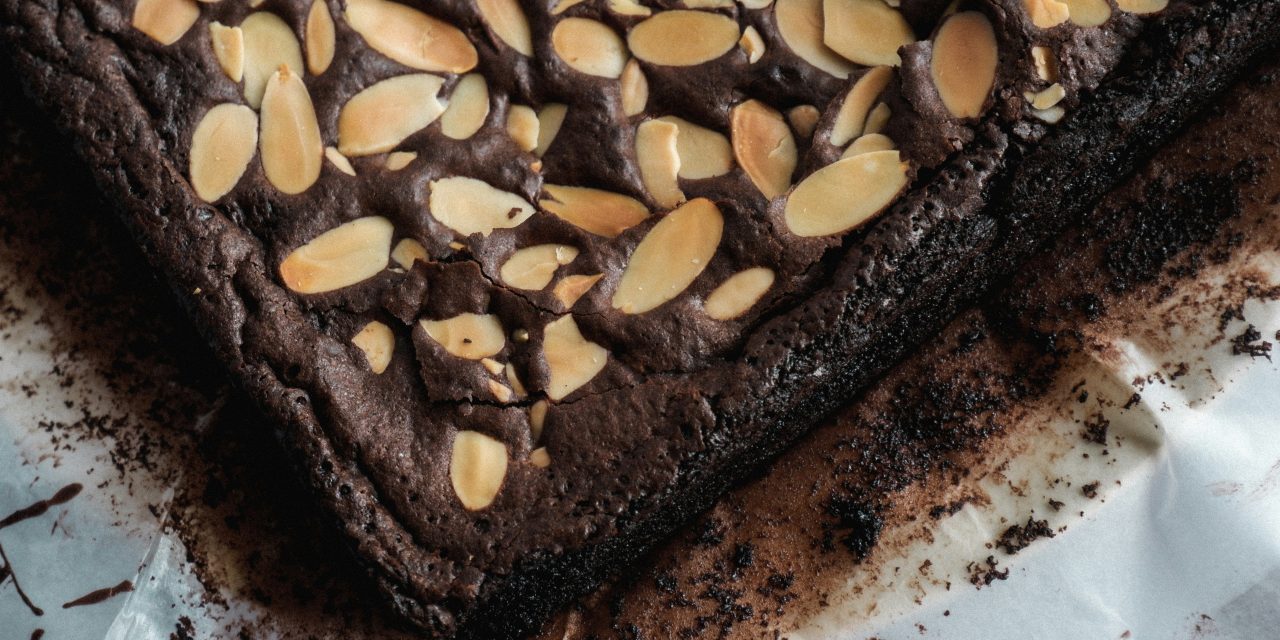
Brownies are a beloved dessert, cherished for their rich flavor and fudgy texture. Traditionally, vegetable oil is a common ingredient in brownie recipes, providing moisture and fat that contribute to the overall mouthfeel. However, there are numerous reasons one might consider substituting vegetable oil with alternative ingredients. Health-conscious individuals may seek to reduce saturated fats or calories, while others may have dietary restrictions or preferences that necessitate a change. Additionally, experimenting with different substitutes can enhance the flavor profile and nutritional value of brownies, leading to a more diverse culinary experience.
Substituting vegetable oil can also introduce unique textures and flavors that elevate the classic brownie. Each alternative brings its own characteristics, allowing bakers to tailor their treats to specific tastes or dietary needs. Whether aiming for a healthier option or simply wanting to try something new, understanding the various substitutes available can lead to delightful discoveries in the kitchen. This article will explore several alternatives to vegetable oil in brownies, detailing their benefits and how they can transform your baking experience.
If you’re looking for alternatives to vegetable oil in your brownie recipe, you might find it helpful to explore different cooking techniques and ingredient substitutions. For instance, you can consider using applesauce, melted butter, or even yogurt as a replacement. Additionally, if you’re interested in enhancing your cooking skills, you could check out this article on how to cook frozen French fries in an air fryer, which offers great tips for achieving crispy results without the need for excessive oil. You can read it here: how to cook frozen French fries in an air fryer.
Butter: A Rich and Flavorful Alternative
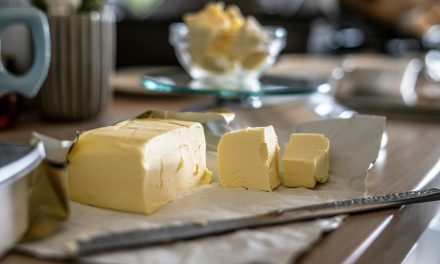
Butter is a classic substitute for vegetable oil in brownie recipes, renowned for its rich flavor and creamy texture. When used in place of oil, butter not only enhances the taste but also contributes to a denser and more decadent brownie. The milk solids in butter caramelize during baking, creating a complex flavor profile that elevates the overall dessert experience. Furthermore, butter contains natural emulsifiers that help bind ingredients together, resulting in a cohesive batter.
When substituting butter for vegetable oil, it is essential to consider the ratio. Typically, one cup of vegetable oil can be replaced with approximately ¾ cup of melted butter. This adjustment accounts for the water content in butter, which is about 15-20%. The result is a brownie that boasts a rich, buttery flavor while maintaining the desired fudgy texture. For those who appreciate a more indulgent treat, using high-quality European-style butter can further enhance the flavor and richness of the brownies.
Coconut Oil: Adding a Tropical Twist

Coconut oil has gained popularity as a versatile cooking fat, particularly among health-conscious bakers. Its unique tropical flavor and aroma can add an exciting twist to traditional brownies. Rich in medium-chain triglycerides (MCTs), coconut oil is often touted for its potential health benefits, including improved metabolism and energy levels. When used as a substitute for vegetable oil, coconut oil imparts a subtle sweetness that complements chocolate beautifully.
To substitute coconut oil for vegetable oil, use an equal amount—one cup of coconut oil for one cup of vegetable oil. It is important to note that coconut oil solidifies at cooler temperatures; therefore, it should be melted before mixing it into the brownie batter. This ensures a smooth incorporation into the mixture. The result is a moist brownie with a hint of coconut flavor that can transport your taste buds to a tropical paradise.
Applesauce: A Healthy and Moisture-Rich Option

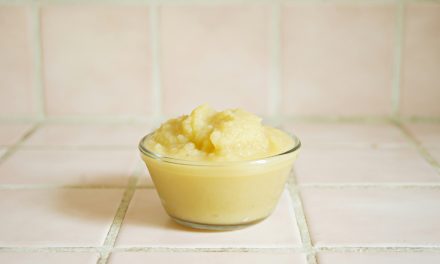
For those seeking a healthier alternative to vegetable oil, unsweetened applesauce is an excellent choice. This fruit puree not only reduces fat content but also adds natural sweetness and moisture to brownies. Applesauce contains pectin, which helps retain moisture during baking, resulting in soft and chewy brownies without the added calories from fat.
When substituting applesauce for vegetable oil, use a 1:1 ratio; one cup of applesauce can replace one cup of vegetable oil. However, it is advisable to reduce the sugar content in the recipe slightly since applesauce contributes natural sugars. The outcome is a guilt-free brownie that satisfies cravings while providing additional nutrients from fruit.
If you’re looking for alternatives to vegetable oil in your brownie recipe, you might find it helpful to explore various substitutes that can enhance the flavor and texture of your baked goods. For instance, you can use applesauce or melted butter as a great replacement. Additionally, if you’re interested in learning more about cooking tips and tricks, you can check out this informative article on grooming tips for specific dog breeds, which, while focused on pets, also shares valuable insights that can inspire your culinary adventures.
Greek Yogurt: Creamy and Protein-Packed Substitute
Greek yogurt is another fantastic substitute for vegetable oil in brownies, offering a creamy texture and an impressive protein boost. This dairy product is lower in fat than traditional oils while providing moisture and richness to baked goods. The tangy flavor of Greek yogurt can also enhance the overall taste profile of brownies, making them more complex and enjoyable.
To replace vegetable oil with Greek yogurt, use half the amount; for instance, if the recipe calls for one cup of vegetable oil, use ½ cup of Greek yogurt instead. This substitution not only reduces calories but also increases protein content significantly—an appealing factor for those looking to incorporate more nutrients into their desserts. The result is a fudgy brownie that remains moist and satisfying without compromising on flavor.
If you’re looking for alternatives to vegetable oil in your brownie recipe, you might find it helpful to explore other cooking methods that can enhance your baking experience. For instance, using melted butter or applesauce can add a unique flavor and texture to your brownies. Additionally, if you’re interested in quick and delicious meal ideas, you can check out this easy chicken alfredo recipe that’s perfect for busy weeknights, showcasing how versatile cooking can be.
Avocado: Nutrient-Dense and Creamy Replacement
Avocado has emerged as a trendy ingredient in healthy baking due to its creamy texture and nutrient density. Packed with healthy fats, fiber, vitamins, and minerals, avocados provide numerous health benefits while serving as an excellent substitute for vegetable oil in brownies. The mild flavor of avocado allows it to blend seamlessly into the batter without overpowering other ingredients.
To substitute avocado for vegetable oil, use an equal amount—one cup of mashed avocado for one cup of vegetable oil. It is advisable to ensure that the avocado is ripe and well-mashed to achieve a smooth consistency in the batter. The resulting brownies will be rich and fudgy while offering a boost of healthy fats and nutrients that traditional recipes may lack.
Mashed Banana: Natural Sweetness and Moisture
Mashed bananas are another popular alternative to vegetable oil in brownie recipes, particularly for those seeking a vegan option or wanting to reduce added sugars. Bananas provide natural sweetness and moisture while contributing essential vitamins and minerals such as potassium and vitamin The natural sugars in bananas can enhance the overall flavor profile of brownies without the need for additional sweeteners.
When substituting mashed bananas for vegetable oil, use a 1:1 ratio; one cup of mashed bananas can replace one cup of vegetable oil. It is important to note that using bananas may impart a slight banana flavor to the brownies, which can be delightful when paired with chocolate. The result is a moist brownie that satisfies sweet cravings while offering nutritional benefits.
Olive Oil: A Heart-Healthy and Distinct Flavor
Olive oil is often celebrated for its heart-healthy properties and distinct flavor profile. Rich in monounsaturated fats and antioxidants, olive oil can be an excellent substitute for vegetable oil in brownies, particularly for those looking to incorporate healthier fats into their diet. The fruity notes of olive oil can add depth to chocolate desserts, creating a unique taste experience.
To substitute olive oil for vegetable oil, use an equal amount—one cup of olive oil for one cup of vegetable oil. It is advisable to choose a high-quality extra virgin olive oil for optimal flavor benefits. The resulting brownies will have a moist texture with an intriguing flavor twist that sets them apart from traditional recipes.
Tips for Choosing the Right Substitute for Your Brownies
When selecting an alternative to vegetable oil in brownie recipes, several factors should be considered to ensure optimal results. First, assess dietary restrictions or preferences—whether you are looking for vegan options or seeking healthier alternatives will guide your choice. Additionally, consider the desired flavor profile; some substitutes may impart distinct tastes that could enhance or alter the overall experience.
Texture is another crucial aspect; certain substitutes may yield denser or lighter brownies depending on their composition. For instance, using Greek yogurt or applesauce may result in softer brownies compared to butter or coconut oil. Experimenting with different combinations can lead to delightful discoveries—don’t hesitate to mix substitutes or adjust ratios based on personal preferences.
How Substitutes Affect Brownie Texture and Taste
The choice of substitute significantly impacts both the texture and taste of brownies. For example, using butter or coconut oil typically results in richer flavors and denser textures due to their higher fat content. In contrast, alternatives like applesauce or Greek yogurt may yield lighter brownies with added moisture but less richness.
Moreover, certain substitutes can enhance specific flavors within the brownie itself; for instance, using avocado or olive oil may introduce unique notes that complement chocolate beautifully. Understanding how each ingredient interacts with others will allow bakers to create customized recipes tailored to their preferences while maintaining the essence of traditional brownies.
Experimenting with Substitutes for Perfect Brownies
In conclusion, substituting vegetable oil in brownie recipes opens up a world of possibilities for bakers seeking healthier options or unique flavors. From rich butter and tropical coconut oil to nutritious applesauce and creamy Greek yogurt, each alternative offers distinct benefits that can elevate your baking experience. By understanding how these substitutes affect texture and taste, you can create delicious brownies tailored to your dietary needs or personal preferences.
Experimentation is key—don’t hesitate to try different combinations or ratios until you find your perfect brownie recipe. With creativity and an open mind, you can transform traditional brownies into delightful treats that satisfy both your cravings and nutritional goals. Happy baking!
FAQs
What are some common substitutes for vegetable oil in brownies?
Common substitutes for vegetable oil in brownies include melted butter, coconut oil, applesauce, and yogurt. Each of these alternatives can provide moisture and fat, contributing to the texture and flavor of the brownies.
Can I use olive oil instead of vegetable oil in brownies?
Yes, you can use olive oil as a substitute for vegetable oil in brownies. However, keep in mind that olive oil has a stronger flavor, which may slightly alter the taste of the brownies. It’s best to use a light or mild olive oil for a more neutral flavor.
Is it possible to use applesauce as a substitute for vegetable oil?
Yes, applesauce can be used as a substitute for vegetable oil in brownies. It adds moisture and can reduce the overall fat content. Typically, you can replace each cup of vegetable oil with 1/2 cup of applesauce for a healthier option.
What about using nut butters as a substitute for vegetable oil?
Nut butters, such as almond or peanut butter, can be used as a substitute for vegetable oil in brownies. They will add a rich flavor and creaminess, but may also change the texture slightly. Use a similar amount as you would vegetable oil.
Can I use water or milk instead of vegetable oil in brownies?
While water or milk can be used in a pinch, they are not ideal substitutes for vegetable oil, as they do not provide the necessary fat content. If you must use them, consider combining them with another fat source, like butter or yogurt, to maintain the desired texture.