Coolant, also known as antifreeze, plays a pivotal role in maintaining the optimal operating temperature of your vehicle’s engine. This specialized fluid circulates through the engine and radiator, absorbing heat generated during combustion and dissipating it through the radiator. The primary function of coolant is to prevent the engine from overheating, which can lead to catastrophic failures such as warped cylinder heads or blown gaskets. Additionally, coolant serves to protect the engine from corrosion and scale buildup, ensuring longevity and efficiency.
The composition of coolant typically includes a mixture of water and ethylene glycol or propylene glycol, which lowers the freezing point and raises the boiling point of the fluid. This unique property allows the coolant to remain effective across a wide range of temperatures, making it essential for both hot summer days and frigid winter conditions. Regular maintenance of coolant levels is crucial; neglecting this aspect can result in severe engine damage, costly repairs, and compromised vehicle performance.
When it comes to maintaining your vehicle, knowing how to add coolant safely is essential to prevent overheating and ensure optimal performance. For a comprehensive guide on vehicle maintenance, you might find this article helpful: Electric Stove Burner Not Working: What to Check. Although it focuses on kitchen appliances, it provides useful tips on troubleshooting and maintenance that can be applied to various mechanical systems, including your car.
Choosing the Right Coolant for Your Vehicle
Selecting the appropriate coolant for your vehicle is critical to ensure optimal engine performance and longevity. Coolants are categorized based on their chemical composition and compatibility with various engine materials. The most common types include Inorganic Acid Technology (IAT), Organic Acid Technology (OAT), and Hybrid Organic Acid Technology (HOAT). Each type has distinct properties that cater to specific vehicle requirements.
When choosing coolant, it is essential to consult your vehicle’s owner manual for manufacturer recommendations. This document typically specifies the required coolant type, color, and mixture ratio. Using the wrong coolant can lead to chemical reactions that may cause sludge formation or corrosion within the cooling system. Furthermore, consider factors such as climate conditions and driving habits; for instance, vehicles operating in extreme temperatures may benefit from a coolant with enhanced thermal stability.
Preparing Your Car for Coolant Addition

Before adding coolant to your vehicle, it is imperative to prepare adequately to ensure a safe and effective process. Begin by gathering necessary tools and materials, including a funnel, a clean cloth, and the appropriate coolant type as specified in your owner’s manual. Additionally, ensure that you have protective gear such as gloves and safety goggles to safeguard against potential spills or splashes.
Next, park your vehicle on a level surface and engage the parking brake to prevent any movement during the procedure. It is advisable to perform this task in a well-ventilated area to avoid inhaling any harmful fumes that may be emitted from the engine or coolant. Taking these preliminary steps will facilitate a smoother process and minimize risks associated with handling automotive fluids.
Ensuring the Engine is Cool Before You Start

One of the most critical safety measures when adding coolant is ensuring that the engine is completely cool before proceeding. Opening a hot radiator cap can result in severe burns from steam or hot coolant that may erupt under pressure. To avoid such hazards, allow your vehicle to sit for at least 30 minutes after driving before attempting to check or add coolant.
If you are uncertain whether the engine has cooled sufficiently, you can touch the radiator or coolant reservoir cap with the back of your hand; if it feels warm, wait longer before proceeding. This precaution not only protects you from injury but also ensures that you do not introduce air into the cooling system, which can lead to overheating issues later on.
When it comes to maintaining your vehicle, knowing how to add coolant to a car safely is essential for preventing overheating and ensuring optimal performance. For a comprehensive guide on this topic, you can refer to a related article that provides valuable tips and insights. Additionally, if you’re interested in learning more about caring for pets after a procedure, you might find this article on cat care tips particularly helpful. Proper maintenance, whether for your car or your furry friend, is key to a long and healthy life.
Locating the Coolant Reservoir Properly
Identifying the correct location of the coolant reservoir is essential for effective maintenance. Typically, this reservoir is a translucent plastic tank located near the radiator, often marked with a symbol indicating its purpose. The tank usually has minimum and maximum level indicators on its side, allowing you to easily assess coolant levels without removing the cap.
In some vehicles, especially older models, the coolant reservoir may be integrated into the radiator itself. Familiarizing yourself with your vehicle’s layout will save time and prevent confusion during maintenance tasks. If you are having difficulty locating the reservoir, consulting your owner’s manual can provide clarity on its exact position.
When it comes to maintaining your vehicle, knowing how to add coolant to a car safely is essential for preventing overheating and ensuring optimal performance. For a comprehensive guide on car maintenance, you might find this article on essential tips helpful, as it provides valuable insights that can enhance your overall understanding of vehicle care. Taking the time to learn these skills can save you from costly repairs and keep your car running smoothly.
Checking Coolant Levels Before Adding More
Before introducing additional coolant into your vehicle’s system, it is crucial to check existing levels accurately. With the engine cool and the vehicle parked on a level surface, inspect the coolant reservoir for its current fluid level against the minimum and maximum indicators. If the level is below the minimum mark, it indicates that more coolant is needed.
It is also advisable to inspect the condition of the existing coolant. If it appears discolored or contains debris, it may be time for a complete flush and replacement rather than simply topping off. Regularly monitoring coolant levels can help identify leaks or other issues early on, preventing more significant problems down the line.
Using the Correct Tools for Adding Coolant
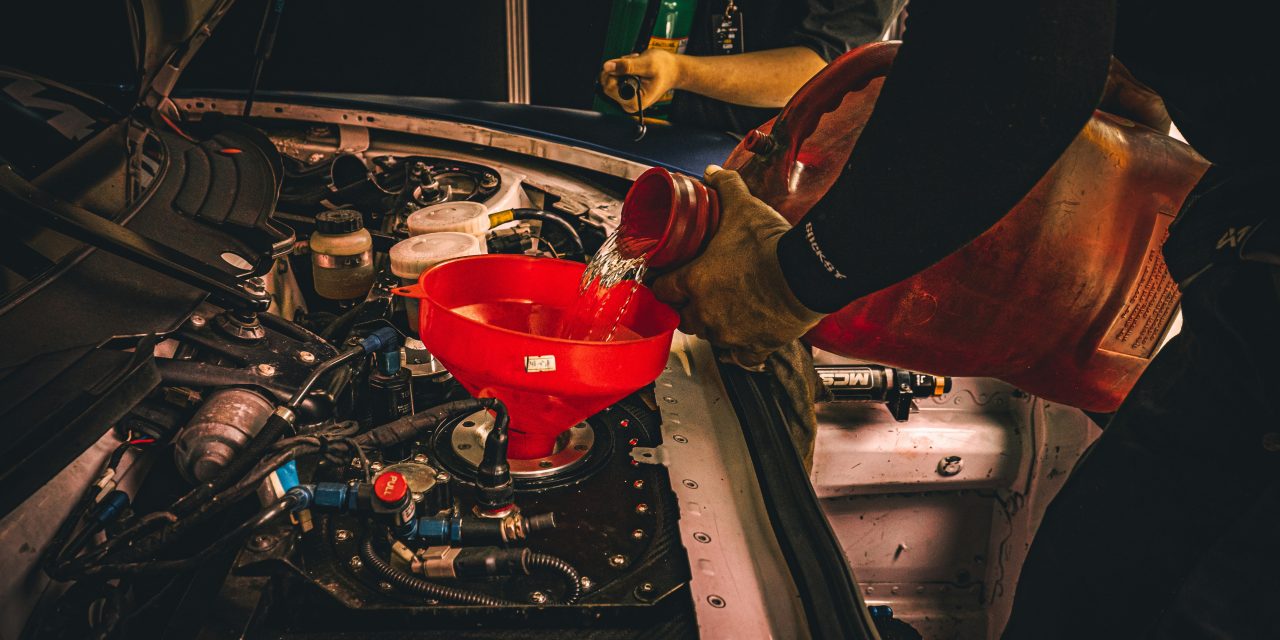
Utilizing appropriate tools when adding coolant is vital for ensuring a clean and efficient process. A funnel is highly recommended as it helps direct the flow of fluid into the reservoir without spilling onto other engine components. Additionally, having a clean cloth on hand can assist in wiping away any spills or drips that may occur during the process.
If your vehicle requires a specific type of coolant that comes in concentrated form, you may need to mix it with distilled water according to manufacturer specifications before adding it to your system. Always use distilled water rather than tap water to prevent mineral buildup within the cooling system.
Pouring Coolant Slowly and Carefully
When adding coolant to your vehicle’s reservoir, take care to pour slowly and steadily to avoid overfilling or creating air bubbles within the system. Begin by removing the cap from the reservoir and placing your funnel securely in position. Gradually pour in the coolant until it reaches just below the maximum fill line indicated on the tank.
If you notice any air bubbles forming while pouring, pause briefly to allow them to dissipate before continuing. This practice helps ensure that you achieve an accurate fill level without introducing excess air into the cooling system, which could lead to overheating issues later on.
Avoiding Common Mistakes When Adding Coolant
Several common mistakes can occur during the process of adding coolant that may compromise your vehicle’s performance or safety. One prevalent error is neglecting to check for leaks before topping off; if there is an underlying leak in the cooling system, simply adding more coolant will not resolve the issue and could lead to further complications.
Another mistake involves using incompatible coolants or mixing different types without proper knowledge of their chemical interactions. This can result in sludge formation or corrosion within the cooling system components. Always adhere strictly to manufacturer recommendations regarding coolant types and mixtures.
Securing the Coolant Cap After Filling
Once you have successfully added coolant to your vehicle’s reservoir, securing the cap properly is essential for maintaining system integrity. Ensure that you replace the cap firmly until you hear a click or feel resistance; this action prevents leaks and maintains pressure within the cooling system.
After securing the cap, take a moment to wipe away any spilled coolant from around the reservoir area using a clean cloth. This step not only keeps your engine bay tidy but also allows you to monitor for any future leaks more effectively.
Monitoring Coolant Levels Regularly for Safety
Regular monitoring of your vehicle’s coolant levels is crucial for ensuring optimal engine performance and preventing overheating issues. It is advisable to check levels at least once a month or before embarking on long trips. Keeping an eye on fluid levels allows you to detect any potential leaks early on and address them promptly.
In addition to checking levels, pay attention to any changes in color or consistency of the coolant over time. If you notice any unusual odors or signs of contamination, it may indicate a need for a complete flush and replacement of your cooling system fluid. Proactive maintenance will help extend your vehicle’s lifespan while ensuring safe operation on the road.
In summary, understanding and maintaining proper coolant levels in your vehicle is essential for optimal engine performance and longevity. By selecting the right type of coolant, preparing adequately before addition, ensuring safety measures are followed, and regularly monitoring levels, you can prevent overheating issues and costly repairs down the line. Always consult your owner’s manual for specific recommendations tailored to your vehicle’s needs while adhering strictly to best practices during maintenance tasks.
FAQs
What type of coolant should I use for my car?
It is essential to use the type of coolant specified in your vehicle’s owner’s manual. Most vehicles require either ethylene glycol-based coolant or propylene glycol-based coolant. Additionally, some manufacturers recommend specific brands or formulations, so always check for compatibility.
How do I know if my car needs coolant?
Signs that your car may need coolant include the temperature gauge reading higher than normal, the check engine light illuminating, or visible leaks under the vehicle. Additionally, if you notice steam coming from the engine or a sweet smell, these could indicate low coolant levels.
What is the proper procedure for adding coolant?
To add coolant safely, first ensure the engine is cool to avoid burns. Locate the coolant reservoir, remove the cap, and check the fluid level. If it’s low, slowly pour the appropriate coolant mixture into the reservoir until it reaches the recommended level. Replace the cap securely afterward.
Can I mix different types of coolant?
Mixing different types of coolant is generally not recommended, as it can lead to chemical reactions that may reduce the effectiveness of the coolant and cause engine damage. If you must mix, ensure both coolants are compatible and consult your owner’s manual for guidance.
How often should I check and replace coolant?
It is advisable to check your coolant levels at least once a month, especially before long trips. Most manufacturers recommend replacing coolant every 30,000 to 50,000 miles, but this can vary based on the type of coolant used and driving conditions. Always refer to your owner’s manual for specific recommendations.