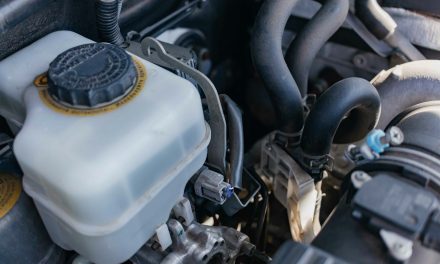
Antifreeze, a crucial component of automotive cooling systems, serves to regulate engine temperature and prevent freezing in cold conditions. Composed primarily of ethylene glycol or propylene glycol, antifreeze lowers the freezing point of the coolant while raising its boiling point, ensuring optimal engine performance across varying temperatures. The color of antifreeze is not merely aesthetic; it often indicates the chemical formulation and additives used in its production. Understanding these distinctions is vital for vehicle maintenance and longevity.
The significance of color in antifreeze extends beyond mere identification. Different colors signify varying chemical bases and additive packages, which can influence compatibility with existing coolant in the system. For instance, green antifreeze typically contains inorganic additives, while orange or red varieties often utilize organic acid technology (OAT). This differentiation is essential for preventing chemical reactions that could lead to corrosion or reduced efficacy in heat transfer.
When considering whether you can mix different colors of antifreeze, it’s important to understand the implications of combining various formulations, as it can affect your vehicle’s cooling system. For further insights on maintaining your outdoor environment, you might find this related article on preventing ticks in your backyard helpful. You can read it here: How to Prevent Ticks in Your Backyard.
Common Colors of Antifreeze and Their Chemical Bases
Antifreeze comes in several colors, each representing distinct chemical formulations. The most common colors include:
– **Green**: Traditionally, green antifreeze is based on ethylene glycol and contains inorganic additives such as silicates and phosphates. This formulation is often referred to as Conventional Antifreeze and has been widely used for decades.
– **Orange**: This color typically indicates the use of Organic Acid Technology (OAT), which is designed to provide extended protection against corrosion without the need for silicates. OAT antifreeze is often recommended for newer vehicles due to its longevity and effectiveness.
– **Red**: Similar to orange, red antifreeze also employs OAT but may include additional inhibitors for enhanced protection against rust and corrosion.
– **Yellow**: This color often signifies a hybrid formulation that combines elements of both conventional and organic acid technologies, providing a balance of protection and longevity.
Understanding these distinctions is crucial for vehicle owners to ensure they are using the appropriate type of antifreeze for their specific engine requirements.
The Risks of Mixing Different Colors of Antifreeze

Mixing different colors of antifreeze can lead to significant risks that may compromise the integrity of the engine cooling system. When incompatible antifreeze types are combined, a chemical reaction may occur, resulting in the formation of sludge or precipitates that can clog passages within the radiator and engine block. This blockage can lead to overheating, reduced cooling efficiency, and ultimately engine failure.
Moreover, mixing different formulations can neutralize the protective properties of each type, diminishing their ability to prevent corrosion and scale buildup. For example, combining a conventional green antifreeze with an OAT orange antifreeze can lead to a loss of corrosion inhibitors, exposing metal components to potential damage over time. Therefore, it is imperative to adhere to manufacturer specifications regarding antifreeze types and colors to maintain optimal engine performance.
How Different Additives Affect Antifreeze Compatibility

The compatibility of antifreeze is heavily influenced by the additives used in its formulation. Inorganic additives, commonly found in traditional green antifreeze, provide immediate protection against corrosion but may require more frequent changes due to their shorter lifespan. Conversely, organic acid technology (OAT) antifreezes utilize organic compounds that offer long-lasting protection but may not be compatible with older formulations.
Additives such as phosphates, silicates, and borates play a critical role in determining how well different antifreezes can coexist within a cooling system. For instance, silicates can react negatively with OAT formulations, leading to gel formation that obstructs coolant flow. Additionally, some additives may degrade over time when mixed with incompatible types, resulting in reduced effectiveness and increased risk of engine damage.
Understanding these interactions is essential for vehicle maintenance professionals and owners alike. Regularly checking the type and condition of antifreeze can help prevent costly repairs associated with mixing incompatible products.
When considering whether you can mix different colors of antifreeze, it’s important to understand the implications of doing so on your vehicle’s cooling system. Many car owners may wonder about the compatibility of various antifreeze types, which can lead to confusion and potential engine issues. For more insights on distinguishing between different substances that might affect your vehicle, you can check out this informative article on termite droppings versus sawdust. Understanding these differences can help you make better decisions regarding maintenance and care for your car.
What Happens When You Mix Green and Orange Antifreeze?
Mixing green and orange antifreeze can lead to a series of detrimental effects on your vehicle’s cooling system. The primary concern arises from the differing chemical bases and additive packages present in each type. When combined, these formulations can react adversely, leading to the formation of sludge or gel-like substances that can clog radiator passages and water pumps.
The incompatibility between these two types can also result in a significant reduction in corrosion protection. Green antifreeze relies on inorganic additives that may not function effectively when mixed with organic acid technology found in orange antifreeze. Consequently, metal components within the cooling system may become susceptible to rust and corrosion over time, leading to premature failure.
To mitigate these risks, it is advisable to avoid mixing different colors of antifreeze altogether. If a switch is necessary, proper flushing of the cooling system should be performed to remove any residual coolant before introducing a new type.
When considering whether you can mix different colors of antifreeze, it’s essential to understand the potential chemical reactions and performance implications. For a deeper dive into related topics, you might find this article on storage tips interesting, as it highlights the importance of proper maintenance and care in various contexts. Just like with antifreeze, knowing how to manage different substances can significantly impact their effectiveness and longevity.
Mixing Extended Life and Conventional Antifreeze: Is It Safe?
Mixing extended life antifreeze with conventional antifreeze poses significant risks that should not be overlooked. Extended life formulations are designed with advanced additives that provide long-lasting protection against corrosion and overheating. In contrast, conventional antifreezes typically contain inorganic additives that may not be compatible with their extended life counterparts.
When these two types are mixed, there is a high likelihood of chemical reactions that can lead to the formation of sludge or precipitates within the cooling system. This can obstruct coolant flow and reduce overall efficiency, potentially resulting in overheating or engine damage. Furthermore, the protective qualities of both types may be compromised when combined, leaving engine components vulnerable to corrosion.
To ensure optimal performance and longevity of your vehicle’s cooling system, it is best practice to adhere strictly to manufacturer recommendations regarding antifreeze types and avoid mixing extended life with conventional formulations.
Manufacturer Recommendations on Antifreeze Color Mixing
Automakers provide specific guidelines regarding the use of antifreeze types and colors in their vehicles. These recommendations are based on extensive testing and research aimed at ensuring optimal performance and longevity of the engine cooling system. Most manufacturers advise against mixing different colors or types of antifreeze due to the potential risks associated with chemical incompatibility.
For instance, many manufacturers specify the use of OAT or hybrid formulations for newer vehicles while recommending conventional antifreezes for older models. Following these guidelines is crucial for maintaining warranty coverage and preventing costly repairs associated with improper coolant use.
Additionally, some manufacturers have developed proprietary coolant formulations tailored specifically for their vehicles. Using these recommended products ensures compatibility with engine materials and maximizes protection against corrosion and overheating.
Signs Your Engine Cooling System Is Affected by Mixed Antifreeze
Detecting issues related to mixed antifreeze in your vehicle’s cooling system requires vigilance and awareness of potential warning signs. Common indicators include:
1. **Overheating**: If your engine temperature gauge consistently reads higher than normal, it may indicate a blockage caused by sludge formation from mixed antifreezes.
2. **Coolant Leaks**: Puddles or spots under your vehicle could signify leaks resulting from corrosion or damage caused by incompatible coolant mixtures.
3. **Discolored Coolant**: If you notice a change in color or consistency of your coolant—such as cloudiness or sediment—this could indicate a chemical reaction between mixed antifreezes.
4. **Poor Heater Performance**: A malfunctioning heater may suggest inadequate coolant flow due to blockages caused by incompatible mixtures.
5. **Unusual Engine Noises**: Knocking or pinging sounds from the engine could indicate overheating or damage resulting from improper coolant use.
If you observe any of these symptoms, it is essential to have your vehicle inspected by a qualified technician promptly.
How to Safely Switch Antifreeze Types Without Damage
Switching antifreeze types requires careful planning and execution to avoid damaging your vehicle’s cooling system. The following steps outline a safe process for changing antifreeze:
1. **Consult Manufacturer Guidelines**: Before making any changes, review your vehicle’s owner manual for specific recommendations regarding coolant types.
2. **Flush the Cooling System**: Thoroughly flushing the cooling system removes old coolant and contaminants that could react negatively with new antifreeze. Use a flushing agent if necessary to ensure complete removal.
3. **Inspect Components**: While flushing, inspect hoses, clamps, and other components for signs of wear or damage that may need addressing before introducing new coolant.
4. **Introduce New Antifreeze Gradually**: After flushing, slowly introduce the new antifreeze type into the system while monitoring for leaks or unusual behavior.
5. **Check Levels Regularly**: After switching types, regularly check coolant levels and monitor engine temperature to ensure proper functioning.
By following these steps diligently, you can safely transition between different antifreeze formulations without risking damage to your vehicle’s cooling system.
The Role of Flushing Your Cooling System Before Changing Colors
Flushing your cooling system plays a pivotal role in ensuring compatibility when changing antifreeze colors or types. This process involves removing all existing coolant from the system along with any contaminants that may have accumulated over time. Flushing helps prevent chemical reactions between different formulations that could lead to sludge formation or corrosion.
During a flush, a specialized flushing agent may be used to break down deposits within the radiator and engine block effectively. This ensures that no residual coolant remains that could compromise the integrity of the new antifreeze being introduced. Additionally, flushing allows for a thorough inspection of hoses, clamps, and other components for wear or damage that may need addressing before refilling with new coolant.
Regularly flushing your cooling system as part of routine maintenance can significantly extend the lifespan of your vehicle’s engine components while optimizing performance during extreme temperature conditions.
Final Verdict: Best Practices for Using and Mixing Antifreeze Colors
In conclusion, understanding the complexities surrounding antifreeze colors and their compatibility is essential for maintaining optimal engine performance and longevity. Adhering to manufacturer recommendations regarding coolant types is paramount in preventing costly repairs associated with mixing incompatible formulations.
Best practices include:
– Always consult your vehicle’s owner manual for specific guidelines on antifreeze types.
– Avoid mixing different colors or formulations unless explicitly stated as compatible by the manufacturer.
– Regularly flush your cooling system as part of routine maintenance.
– Monitor coolant levels and engine temperature consistently after switching types.
– Inspect hoses and components regularly for signs of wear or damage.
By following these guidelines diligently, vehicle owners can ensure their engines remain protected against overheating and corrosion while maximizing performance across varying temperature conditions.
FAQs
Can you mix different colors of antifreeze?
Mixing different colors of antifreeze is generally not recommended, as different colors often indicate different chemical formulations. Mixing them can lead to reduced effectiveness and potential damage to your vehicle’s cooling system.
What happens if you mix different types of antifreeze?
Mixing different types of antifreeze can cause chemical reactions that may result in sludge formation, corrosion, or reduced heat transfer efficiency. This can ultimately lead to overheating or damage to the engine.
Are all antifreeze colors compatible?
No, not all antifreeze colors are compatible. For example, green antifreeze is typically based on inorganic additives, while orange or pink antifreeze often contains organic acid technology (OAT). Mixing these can compromise the protective qualities of the coolant.
How can you tell if antifreeze is compatible?
To determine if antifreeze is compatible, check the manufacturer’s specifications for your vehicle. Look for the type of coolant recommended and ensure that any antifreeze you consider mixing meets those specifications.
What should you do if you’ve accidentally mixed antifreeze?
If you’ve accidentally mixed different types of antifreeze, it’s advisable to flush the cooling system and replace it with the correct type of coolant. This helps prevent potential damage and ensures optimal performance of your vehicle’s cooling system.