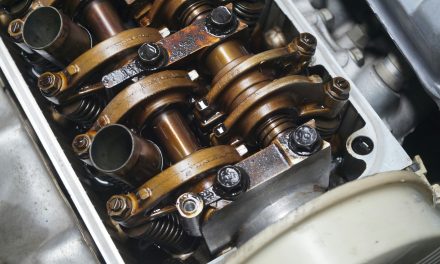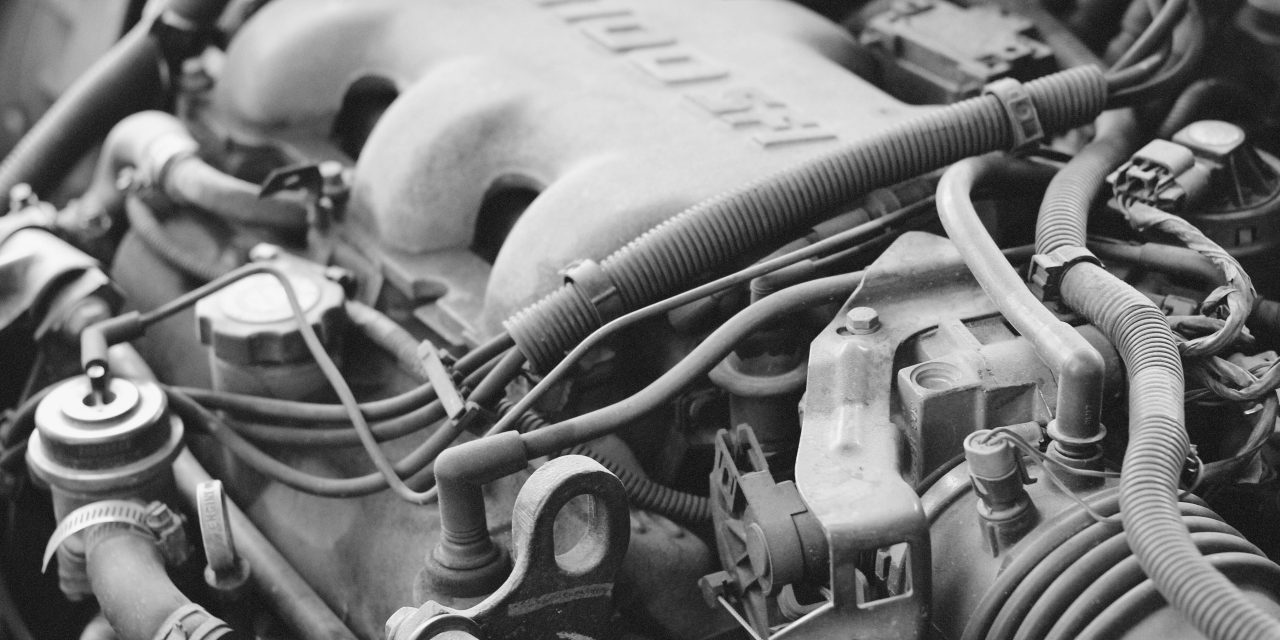
Engine coolant and oil are two critical fluids that play vital roles in the optimal functioning of an internal combustion engine. Engine oil serves multiple purposes, including lubrication, cooling, and cleaning of engine components. It reduces friction between moving parts, thereby minimizing wear and tear, and helps to dissipate heat generated during combustion. Additionally, oil contains detergents that prevent sludge buildup, ensuring that the engine operates efficiently.
On the other hand, engine coolant, typically a mixture of water and antifreeze, is essential for regulating engine temperature. It absorbs heat from the engine and dissipates it through the radiator. This process prevents overheating, which can lead to catastrophic engine failure. Both fluids must remain uncontaminated and at appropriate levels to ensure the longevity and performance of the engine. Understanding their importance is crucial for vehicle maintenance and can help prevent costly repairs.
If you’re concerned about potential coolant leaks into your engine oil, it’s essential to understand the signs and implications of such issues. For more information on maintaining a safe and healthy environment, you might find this article on how to prevent ticks in your backyard helpful. It discusses various preventative measures that can be taken to protect your outdoor space, which is crucial for overall well-being. You can read the article here: how to prevent ticks in your backyard.
Common Causes of Coolant Leaking into Engine Oil
Several factors can lead to coolant leaking into engine oil, often resulting in severe engine damage if not addressed promptly. One common cause is a blown head gasket, which can occur due to overheating or manufacturing defects. The head gasket seals the combustion chamber and separates the coolant passages from the oil passages. When it fails, coolant can seep into the oil system, leading to contamination.
Another potential cause is a cracked engine block or cylinder head. These structural failures can result from prolonged overheating or corrosion over time. Additionally, a faulty intake manifold gasket can also allow coolant to mix with oil, particularly in engines where the intake manifold is water-cooled. Identifying these issues early is crucial for preventing extensive damage and costly repairs.
Sign 1: Milky or Frothy Appearance in Engine Oil

One of the most telling signs of coolant contamination in engine oil is a milky or frothy appearance. When coolant mixes with oil, it creates an emulsion that resembles a milkshake or frothy substance. This visual indicator is often found on the dipstick or inside the oil filler cap. The presence of this emulsion signifies that coolant has infiltrated the oil system, which can severely compromise lubrication properties.
If you observe this milky substance, it is imperative to take immediate action. Continuing to operate the vehicle with contaminated oil can lead to increased friction, overheating, and ultimately catastrophic engine failure. Regularly checking the oil’s appearance can help catch this issue early, allowing for timely intervention.
Sign 2: Overheating Engine Symptoms

Overheating is another critical sign that coolant may be leaking into engine oil. When coolant levels drop due to leakage, the engine’s ability to dissipate heat diminishes significantly. Symptoms of an overheating engine include a rising temperature gauge, steam emanating from under the hood, or even warning lights on the dashboard.
If you notice these symptoms, it is essential to stop driving immediately to prevent further damage. Overheating can warp engine components and lead to a complete breakdown. Regular monitoring of coolant levels and temperature readings can help prevent overheating issues before they escalate into more severe problems.
If you’re concerned about the possibility of coolant leaking into your engine oil, it’s essential to be aware of the symptoms and diagnostic methods involved. Understanding how to identify this issue can save you from costly repairs and engine damage. For a deeper insight into vehicle maintenance and troubleshooting, you might find this related article helpful. It provides valuable tips and guidance on various automotive concerns, which can enhance your knowledge and skills. You can check it out here: related article.
Sign 3: White Smoke Emission from the Exhaust
The emission of white smoke from the exhaust is another alarming sign that coolant may be entering the combustion chamber. When coolant leaks into the cylinders, it vaporizes during combustion and exits through the exhaust system as white smoke. This phenomenon is particularly noticeable during startup or acceleration.
If you observe persistent white smoke, it indicates that coolant is being burned along with fuel, which can lead to significant engine damage over time. Ignoring this symptom can result in costly repairs or even complete engine replacement. Addressing this issue promptly is crucial for maintaining engine integrity.
Sign 4: Loss of Coolant Without Visible Leaks
A gradual loss of coolant without any visible leaks can be a perplexing issue for vehicle owners. If you find yourself frequently topping off your coolant reservoir without any apparent leaks on the ground or under the hood, it may indicate that coolant is leaking internally into the engine oil or combustion chamber.
This internal leakage can be challenging to diagnose without professional assistance. Regularly monitoring coolant levels and conducting thorough inspections can help identify potential issues before they escalate into more significant problems. If you suspect internal leakage, seeking professional help is advisable.
Sign 5: Engine Performance Issues and Rough Idling
Engine performance issues such as rough idling or decreased power output can also signal coolant contamination in engine oil. When coolant mixes with oil, it compromises lubrication properties, leading to increased friction and wear on engine components. This can manifest as sluggish acceleration, stalling, or rough idling.
If you experience these symptoms, it is crucial to investigate further. Ignoring performance issues can lead to more severe damage over time. Regular maintenance checks and prompt attention to performance changes can help mitigate potential problems before they escalate.
Sign 6: Unusual Engine Noises or Knocking
Unusual noises emanating from the engine compartment can indicate serious underlying issues related to coolant contamination. If you hear knocking sounds or metallic clanking while driving, it may suggest that engine components are not receiving adequate lubrication due to contaminated oil.
These noises should never be ignored, as they often signal impending mechanical failure. If you notice any unusual sounds while operating your vehicle, it is essential to have it inspected by a qualified mechanic as soon as possible to prevent further damage.
Sign 7: Contaminated Oil Dipstick or Oil Cap Inspection
Regular inspection of the oil dipstick and oil cap can provide valuable insights into the condition of your engine oil. If you notice a milky residue on either component during inspection, it is a strong indication that coolant has mixed with oil. This contamination can severely impact lubrication and cooling efficiency.
Performing routine checks on these components should be part of your regular vehicle maintenance routine. If contamination is detected, immediate action should be taken to address the underlying issue before further damage occurs.
How to Perform a Visual and Physical Check for Coolant in Oil
Performing a visual and physical check for coolant in oil involves several steps that can help identify potential contamination issues early on. Begin by checking the oil dipstick for any unusual appearances such as milky residue or frothiness. Next, inspect the oil filler cap for similar signs of contamination.
Additionally, you may want to conduct a physical check by removing the oil drain plug and examining the oil that drains out for any signs of emulsification or discoloration. If you suspect contamination but are unsure about your findings, consider consulting a professional mechanic for a more thorough inspection.
When to Seek Professional Help and Preventive Measures
If you suspect that coolant has leaked into your engine oil based on any of the signs discussed above, seeking professional help is crucial. A qualified mechanic can perform diagnostic tests such as a compression test or a leak-down test to determine the source of contamination accurately.
Preventive measures include regular maintenance checks, timely oil changes, and monitoring coolant levels consistently. Additionally, addressing any overheating issues promptly can help prevent head gasket failures or other structural damages that could lead to coolant leaks.
In summary, understanding the importance of engine coolant and oil is essential for maintaining vehicle health. Recognizing signs of contamination early on—such as milky oil appearance, overheating symptoms, white smoke emissions, loss of coolant without visible leaks, performance issues, unusual noises, and contaminated dipstick inspections—can save vehicle owners from costly repairs down the line. Regular maintenance checks and prompt professional assistance are key strategies for preventing serious engine damage caused by coolant leaks into engine oil.
FAQs
What are the signs of coolant leaking into engine oil?
Signs of coolant leaking into engine oil include a milky or frothy appearance of the oil on the dipstick, a sweet smell in the oil, and overheating of the engine. Additionally, you may notice coolant levels dropping without any visible leaks outside the engine.
How can I check for coolant in my engine oil?
You can check for coolant in your engine oil by removing the oil dipstick and inspecting the oil’s consistency and color. If the oil appears milky or has a creamy texture, it may indicate coolant contamination. You can also perform an oil analysis or take a sample to a mechanic for testing.
What causes coolant to leak into engine oil?
Coolant can leak into engine oil due to a blown head gasket, a cracked engine block, or a damaged cylinder head. These issues can create a pathway for coolant to mix with oil, leading to contamination and potential engine damage.
What are the potential consequences of coolant mixing with engine oil?
If coolant mixes with engine oil, it can lead to severe engine damage, including reduced lubrication, increased wear on engine components, and potential engine failure. It can also cause overheating and may result in costly repairs if not addressed promptly.
How can I fix a coolant leak into engine oil?
Fixing a coolant leak into engine oil typically involves diagnosing the underlying issue, such as replacing a blown head gasket or repairing a cracked engine block. It is advisable to consult a professional mechanic for a thorough inspection and repair to ensure the engine is restored to proper working condition.