Detecting coolant leaks is crucial for maintaining the optimal performance and longevity of a vehicle’s engine. Coolant, also known as antifreeze, plays a vital role in regulating engine temperature, preventing overheating, and protecting against corrosion. When coolant levels drop due to leaks, the engine can overheat, leading to severe damage such as warped cylinder heads or blown gaskets. This not only compromises the vehicle’s performance but can also result in costly repairs.
Moreover, coolant leaks can pose environmental hazards. Antifreeze contains ethylene glycol, a toxic substance that can be harmful to pets and wildlife if ingested. Therefore, identifying and addressing coolant leaks promptly is essential for both vehicle health and environmental safety. Regular inspections and maintenance can help prevent leaks from developing into more significant issues, ensuring that your vehicle remains reliable and safe on the road.
If you’re experiencing issues with your vehicle’s cooling system, it’s essential to identify a slow coolant leak promptly to prevent further damage. For a comprehensive guide on locating such leaks, you can refer to this informative article that provides step-by-step instructions and helpful tips. To learn more about diagnosing and fixing coolant leaks, visit this article.
Common Signs of a Slow Coolant Leak
Identifying a slow coolant leak can be challenging, as the symptoms may not be immediately apparent. However, several telltale signs can indicate the presence of a leak. One of the most common indicators is the presence of a sweet smell emanating from the engine compartment or around the vehicle. This odor is often associated with antifreeze and should not be ignored.
Another sign to watch for is the presence of coolant puddles or stains beneath the vehicle. These may appear as bright green, orange, or pink spots on the ground, depending on the type of coolant used. Additionally, if you notice that your vehicle’s temperature gauge frequently rises above normal levels or if the engine overheats during operation, it may be a sign of insufficient coolant due to a leak. Paying attention to these symptoms can help you catch a slow leak before it escalates into a more serious problem.
Preparing Your Car for Leak Inspection

Before inspecting your vehicle for coolant leaks, it is essential to prepare adequately to ensure safety and effectiveness. Start by parking your car on a level surface and allowing the engine to cool down completely. This step is crucial, as inspecting a hot engine can lead to burns or other injuries. Once the engine has cooled, gather necessary tools such as gloves, a flashlight, and a funnel for checking coolant levels.
Next, ensure that you have access to your vehicle’s owner’s manual. This document provides valuable information regarding the specific coolant type used in your vehicle and its recommended maintenance schedule. Familiarizing yourself with this information will aid in identifying potential issues and understanding how to address them effectively. With proper preparation, you can conduct a thorough inspection of your vehicle’s cooling system.
Checking the Coolant Level and Color

One of the first steps in diagnosing a coolant leak is checking the coolant level in the reservoir. Most vehicles have a translucent reservoir that allows for easy visibility of fluid levels. If the coolant level is below the recommended mark, it may indicate a leak or that it needs replenishing. Always ensure that you check this level when the engine is cold to avoid injury from hot fluids.
In addition to checking the level, it is equally important to assess the color and condition of the coolant. Fresh coolant typically appears bright and clear, while old or contaminated coolant may appear dark or murky. If you notice any debris or sediment in the fluid, it could indicate internal corrosion or contamination within the cooling system. Regularly monitoring both the level and condition of your coolant can help you detect potential issues early on.
If you’re trying to locate a slow coolant leak in your car, you might find it helpful to read a related article that discusses effective troubleshooting techniques. Identifying the source of a coolant leak can be tricky, but with the right approach, you can save both time and money on repairs. For more tips on how to handle various car maintenance issues, check out this informative guide on roasting vegetables that emphasizes the importance of proper preparation, which can be analogous to preparing your vehicle for inspection.
Inspecting Hoses and Connections for Damage
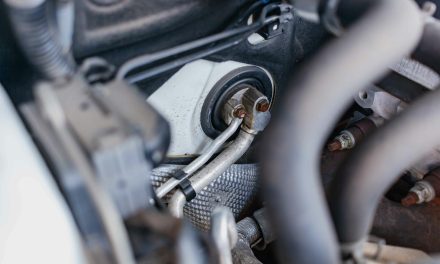
The hoses and connections within your vehicle’s cooling system are critical components that can be prone to wear and tear over time. Begin your inspection by visually examining all hoses for signs of cracking, bulging, or fraying. Pay close attention to areas where hoses connect to other components, as these joints are often susceptible to leaks due to vibrations and thermal expansion.
Additionally, feel along the hoses for any dampness or wet spots that may indicate a slow leak. If you discover any damaged hoses, it is essential to replace them promptly to prevent further complications. Using high-quality replacement hoses designed for your specific vehicle model will ensure optimal performance and longevity of your cooling system.
Using a UV Dye to Locate Hidden Leaks
For more elusive leaks that are difficult to detect through visual inspection alone, utilizing a UV dye can be an effective solution. This method involves adding a specialized fluorescent dye to the coolant system, which will circulate with the coolant. After running the engine for a short period, use a UV light to scan various components of the cooling system.
The dye will illuminate under UV light, making it easier to identify any hidden leaks that may not be visible to the naked eye. This technique is particularly useful for locating leaks in hard-to-reach areas such as behind the engine or within tight spaces. If you identify a leak using this method, it is advisable to consult with a professional mechanic for further evaluation and repair.
Examining the Radiator and Cap for Issues
The radiator plays a pivotal role in dissipating heat from the engine coolant, making it essential to inspect this component regularly for signs of damage or leaks. Begin by visually examining the radiator for any visible cracks or corrosion on its surface. Additionally, check for any signs of coolant pooling around the base of the radiator, which may indicate a leak.
Equally important is inspecting the radiator cap itself. A faulty cap can lead to pressure loss within the cooling system, resulting in overheating and potential leaks. Ensure that the cap fits securely and that its rubber seal is intact without any signs of wear or deterioration. Replacing a damaged radiator cap can often resolve minor cooling issues and prevent further complications.
Inspecting the Water Pump for Leaks
The water pump is another critical component responsible for circulating coolant throughout the engine and radiator. Over time, seals within the water pump can wear out, leading to leaks that may not be immediately apparent. To inspect this component, look for any signs of coolant accumulation around the water pump housing or beneath it.
Additionally, listen for unusual noises such as whining or grinding sounds when the engine is running; these may indicate that the water pump is failing. If you suspect that your water pump is leaking or malfunctioning, it is advisable to consult with a qualified mechanic who can perform further diagnostics and recommend appropriate repairs or replacements.
Looking Under the Car for Puddles or Stains
A thorough inspection should also include examining the area beneath your vehicle for any signs of coolant leakage. After parking your car for an extended period, look for puddles or stains on the ground that may indicate where coolant has escaped from the system. The color of these stains can provide clues about whether they are indeed from coolant or another fluid.
If you notice bright green, orange, or pink stains beneath your vehicle, it is likely that you are dealing with a coolant leak. In contrast, brownish stains may indicate oil leaks instead. Identifying these stains early on can help you address potential issues before they escalate into more significant problems requiring extensive repairs.
Monitoring Engine Temperature for Overheating
Monitoring your vehicle’s engine temperature is crucial in detecting potential cooling system issues early on. Most vehicles are equipped with temperature gauges that provide real-time feedback on engine heat levels during operation. If you notice that your temperature gauge frequently approaches or exceeds the normal operating range, it may indicate insufficient coolant due to a leak.
In addition to monitoring gauges, pay attention to any warning lights on your dashboard related to engine temperature or overheating. If these indicators illuminate while driving, it is essential to pull over safely and allow your engine to cool down before investigating further. Ignoring overheating symptoms can lead to catastrophic engine damage and costly repairs.
When to Seek Professional Help for Coolant Leaks
While many coolant leak inspections can be performed by car owners themselves, certain situations warrant professional assistance. If you have conducted thorough inspections but are still unable to locate the source of a leak or if you suspect significant damage within your cooling system, it is advisable to consult with an experienced mechanic.
Additionally, if you notice persistent overheating despite topping off coolant levels or if you encounter any unusual noises from your engine compartment, seeking professional help is crucial. Mechanics possess specialized tools and expertise necessary for diagnosing complex issues within cooling systems accurately. Timely intervention can save you from extensive repairs down the line.
In summary, detecting coolant leaks early is vital for maintaining vehicle performance and preventing costly repairs. By recognizing common signs such as sweet odors or puddles beneath your car and conducting thorough inspections of hoses, connections, radiators, water pumps, and monitoring engine temperatures regularly, you can address potential issues proactively. Utilizing methods like UV dye testing can also aid in locating hidden leaks effectively. However, when in doubt or faced with persistent problems, seeking professional assistance ensures that your vehicle remains safe and reliable on the road while safeguarding against environmental hazards associated with coolant leaks.
FAQs
What are the common signs of a slow coolant leak in a car?
Common signs of a slow coolant leak include a decrease in coolant levels, visible coolant puddles or stains under the vehicle, an overheating engine, and a sweet smell of coolant inside or outside the car. Additionally, you may notice steam coming from the engine bay if the leak is significant.
How can I visually inspect for a coolant leak?
To visually inspect for a coolant leak, start by checking the radiator, hoses, and connections for any signs of moisture or corrosion. Look for coolant stains or residue around these areas. You can also inspect the water pump and the engine block for any signs of leakage. Using a flashlight can help illuminate hard-to-see areas.
What tools do I need to find a slow coolant leak?
To find a slow coolant leak, you may need basic tools such as a flashlight, a pressure tester, and a funnel. A pressure tester can help pressurize the cooling system to identify leaks more easily. Additionally, having a clean rag or paper towels can help you wipe down areas to spot fresh coolant more effectively.
Can I use dye to help locate a slow coolant leak?
Yes, using a UV dye specifically designed for automotive cooling systems can help locate a slow coolant leak. You add the dye to the coolant, run the engine, and then use a UV light to inspect the system. The dye will fluoresce under the UV light, making it easier to spot the source of the leak.
What should I do if I find a slow coolant leak?
If you find a slow coolant leak, it is important to address it promptly to prevent engine overheating and further damage. Depending on the severity of the leak, you may need to replace hoses, gaskets, or the radiator. If you’re unsure about the repair, it’s advisable to consult a professional mechanic for assistance.