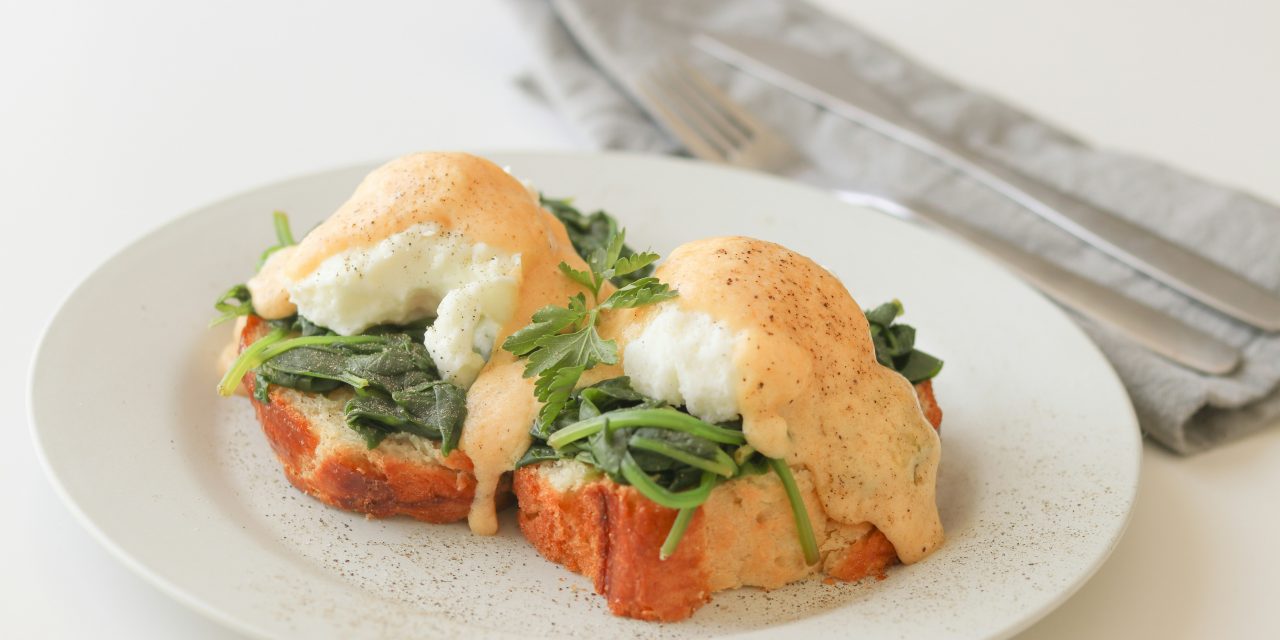
Hollandaise sauce is a classic emulsion that epitomizes the elegance of French cuisine. This rich, buttery sauce is characterized by its velvety texture and tangy flavor, primarily derived from the combination of egg yolks, butter, and lemon juice. It serves as a luxurious topping for various dishes, but it is most famously paired with Eggs Benedict—a beloved brunch staple that features poached eggs, Canadian bacon, and toasted English muffins. The interplay of flavors and textures in this dish creates a harmonious balance that elevates breakfast to a gourmet experience.
The significance of Hollandaise sauce in the culinary world cannot be overstated. It is one of the five mother sauces in classical French cooking, serving as a foundation for numerous derivative sauces. Its preparation requires precision and technique, making it a hallmark of culinary skill. When executed correctly, Hollandaise enhances the overall flavor profile of Eggs Benedict, transforming a simple meal into an indulgent feast. Understanding the intricacies of this sauce is essential for anyone looking to master the art of brunch.
If you’re looking to elevate your breakfast game, mastering hollandaise sauce is essential for the perfect eggs Benedict. For a comprehensive guide on creating this rich and creamy sauce, you can check out this related article on how to make hollandaise sauce. Additionally, if you’re interested in expanding your culinary skills, you might find it helpful to learn how to cook rice in an Instant Pot without the burn warning. You can read more about it here.
Essential Ingredients for Classic Hollandaise Sauce
To create a classic Hollandaise sauce, one must gather a few essential ingredients that contribute to its distinctive flavor and texture. The primary components include:
1. **Egg Yolks**: The backbone of Hollandaise, egg yolks provide richness and act as an emulsifier, allowing the sauce to achieve its creamy consistency.
2. **Butter**: Unsalted butter is preferred for its purity and ability to control the saltiness of the sauce. The butter should be clarified to remove milk solids, resulting in a smooth emulsion.
3. **Lemon Juice**: Freshly squeezed lemon juice adds acidity, balancing the richness of the butter and enhancing the overall flavor profile.
4. **Salt**: A pinch of salt is necessary to season the sauce, bringing out the flavors of the other ingredients.
5. **Cayenne Pepper or White Pepper**: A dash of either pepper can add a subtle warmth and complexity to the sauce without overpowering its delicate nature.
These ingredients work in concert to create a sauce that is both luxurious and versatile. The quality of each component significantly impacts the final product, making it crucial to select fresh and high-quality items.
Preparing Your Workspace and Tools for Success

Before embarking on the journey of making Hollandaise sauce, it is vital to prepare your workspace and gather the necessary tools. A clean and organized kitchen not only enhances efficiency but also minimizes the risk of errors during preparation.
Essential tools include:
1. **Double Boiler or Heatproof Bowl**: A double boiler allows for gentle heating, preventing the egg yolks from scrambling. If you do not have one, a heatproof bowl placed over a pot of simmering water will suffice.
2. **Whisk**: A sturdy whisk is essential for incorporating air into the egg yolks and achieving a stable emulsion.
3. **Measuring Cups and Spoons**: Accurate measurements are crucial for achieving the right balance of flavors.
4. **Spatula**: A rubber spatula is useful for scraping down the sides of your bowl and ensuring all ingredients are well combined.
5. **Thermometer (optional)**: Monitoring temperatures can help prevent overcooking the egg yolks.
Once your tools are assembled, ensure that your workspace is free from distractions. This focus will allow you to concentrate on the delicate process of creating Hollandaise sauce.
Step 1: Gently Melting the Butter

The first step in preparing Hollandaise sauce involves gently melting the butter. This process is crucial as it sets the stage for creating a smooth emulsion. Begin by cutting unsalted butter into small cubes to facilitate even melting. Place these cubes in a saucepan over low heat or in a microwave-safe bowl.
As the butter melts, it is essential to monitor it closely to prevent browning or burning. The goal is to achieve clarified butter, which means separating the clear liquid fat from the milk solids that settle at the bottom. Once melted, allow the butter to cool slightly before incorporating it into the egg yolk mixture. This step ensures that the heat does not scramble the yolks when combined.
If you’re looking to perfect your brunch game with a classic dish, learning how to make hollandaise sauce for eggs Benedict is essential. This rich and creamy sauce elevates the dish, making it a favorite for many. For a comprehensive guide that complements your culinary skills, check out this informative article on making hollandaise sauce, which provides tips and techniques to ensure your sauce turns out perfectly every time. Enjoy your cooking adventure!
Step 2: Whisking Egg Yolks with Lemon Juice
With your melted butter ready, it’s time to focus on the egg yolks. In a heatproof bowl or double boiler, combine three large egg yolks with one tablespoon of freshly squeezed lemon juice. The acidity from the lemon juice not only enhances flavor but also helps stabilize the emulsion.
Using a whisk, vigorously beat the egg yolks and lemon juice together until they become pale and frothy. This process incorporates air into the mixture, which is vital for achieving a light and airy sauce. As you whisk, place the bowl over simmering water (if using a double boiler) to gently heat the mixture without cooking the yolks too quickly.
Continue whisking until the mixture thickens slightly and forms ribbons when drizzled from the whisk. This indicates that you have reached the desired consistency before moving on to the next step.
Step 3: Combining Butter and Egg Mixture Slowly
The next step involves carefully combining the melted butter with the egg yolk mixture to create a stable emulsion. Begin by slowly drizzling in the warm clarified butter while continuously whisking the egg yolk mixture. This gradual incorporation is crucial; adding too much butter at once can cause the emulsion to break.
As you whisk, you will notice that the mixture begins to thicken and take on a creamy texture. Continue adding butter until fully incorporated, ensuring that each addition is well blended before proceeding with more. The final result should be a smooth and glossy sauce that clings beautifully to your whisk.
Step 4: Seasoning Your Sauce to Taste
Once your Hollandaise sauce has reached its desired consistency, it’s time to season it to perfection. Begin by adding a pinch of salt to enhance flavor; this step is essential as it balances out the richness of the butter and yolks.
For an added layer of complexity, consider incorporating a dash of cayenne pepper or white pepper. These spices provide subtle warmth without overwhelming the delicate flavor profile of Hollandaise. Taste your sauce as you season it, adjusting according to your preferences.
If desired, you can also experiment with additional flavorings such as Dijon mustard or fresh herbs like tarragon or chives for a unique twist on this classic sauce.
Step 5: Keeping the Sauce Warm and Smooth
After seasoning your Hollandaise sauce, it is crucial to keep it warm until ready to serve. The ideal temperature for serving Hollandaise is around 140°F (60°C). To maintain this temperature without cooking further, place your bowl over warm water or transfer it to a thermos.
Stir occasionally to prevent a skin from forming on top of the sauce and ensure that it remains smooth and creamy. If your sauce thickens too much while resting, you can whisk in a few drops of warm water or lemon juice to restore its consistency.
Common Mistakes to Avoid When Making Hollandaise
Creating perfect Hollandaise sauce can be challenging, especially for novice cooks. However, being aware of common pitfalls can help you avoid disappointment:
1. **Overheating Egg Yolks**: Cooking egg yolks too quickly can lead to scrambling instead of emulsifying. Always use gentle heat when whisking.
2. **Adding Butter Too Quickly**: Incorporating melted butter too rapidly can cause separation. Drizzle slowly while whisking continuously.
3. **Not Whisking Enough**: Insufficient whisking can result in an unstable emulsion that breaks apart easily.
4. **Ignoring Temperature Control**: Maintaining proper temperatures throughout preparation is crucial for achieving a smooth sauce.
5. **Neglecting Seasoning**: Failing to season adequately can lead to bland flavors; always taste and adjust seasoning before serving.
By being mindful of these common mistakes, you can increase your chances of creating a flawless Hollandaise sauce every time.
Tips for Serving Perfect Hollandaise with Eggs Benedict
To serve Hollandaise sauce perfectly with Eggs Benedict, consider these tips:
1. **Poach Eggs Carefully**: Use fresh eggs for poaching; they hold their shape better and yield a more visually appealing dish.
2. **Toast English Muffins**: Ensure that English muffins are toasted until golden brown for added texture.
3. **Layer Ingredients Thoughtfully**: Start with a toasted muffin half, followed by Canadian bacon or ham, then top with poached eggs before drizzling with Hollandaise.
4. **Garnish Elegantly**: Consider garnishing with fresh herbs or microgreens for an appealing presentation.
5. **Serve Immediately**: Hollandaise sauce is best enjoyed fresh; serve promptly after preparation for optimal flavor and texture.
By following these guidelines, you can create an exquisite Eggs Benedict dish that showcases your expertly crafted Hollandaise sauce.
Mastering Hollandaise for Delicious Breakfasts
In conclusion, mastering Hollandaise sauce opens up a world of culinary possibilities, particularly when paired with classic dishes like Eggs Benedict. By understanding each step—from selecting quality ingredients to perfecting technique—you can create a luxurious sauce that elevates any breakfast experience.
With practice and attention to detail, anyone can conquer this seemingly daunting task and impress family and friends alike with their culinary prowess. Whether enjoyed on special occasions or as an indulgent weekend treat, Hollandaise sauce remains an iconic element in gastronomy that continues to delight palates around the world.
By embracing these techniques and tips outlined in this article, you will not only enhance your cooking skills but also bring joy to your breakfast table with deliciously crafted dishes featuring this timeless sauce.
FAQs
What ingredients are needed to make hollandaise sauce?
To make hollandaise sauce, you will need the following ingredients: egg yolks, unsalted butter, lemon juice, salt, and cayenne pepper or white pepper for seasoning. Some recipes may also include Dijon mustard for added flavor.
What is the best method for cooking hollandaise sauce?
The best method for cooking hollandaise sauce is using a double boiler or a heatproof bowl set over a pot of simmering water. This gentle heat helps to prevent the egg yolks from scrambling while allowing the sauce to emulsify properly.
How can I prevent my hollandaise sauce from curdling?
To prevent hollandaise sauce from curdling, ensure that you cook it over low heat and whisk continuously. Additionally, make sure the egg yolks are at room temperature before starting, and avoid overheating the mixture.
Can hollandaise sauce be made ahead of time?
Yes, hollandaise sauce can be made ahead of time. However, it is best used fresh. If you need to store it, keep it in an airtight container in the refrigerator for up to 2 hours. Reheat gently over a double boiler, whisking continuously to restore its consistency.
What dishes can hollandaise sauce be used with besides eggs Benedict?
Hollandaise sauce can be used with a variety of dishes beyond eggs Benedict. It pairs well with steamed vegetables, particularly asparagus and broccoli, as well as fish, chicken, and other egg dishes like poached eggs or omelets.