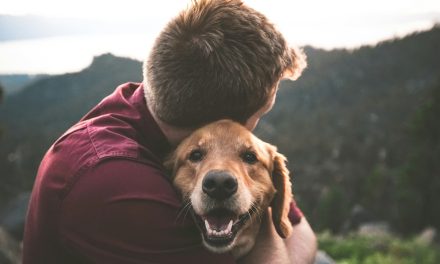
Recognizing the stress triggers in your pet is paramount for effective management of their anxiety. Pets, much like humans, exhibit a range of emotional responses to various stimuli. Common stressors include loud noises, unfamiliar environments, changes in routine, and interactions with other animals or people. For instance, dogs may become anxious during thunderstorms or fireworks, while cats might feel threatened by new pets or changes in their living space. Observing your pet’s behavior can provide critical insights into what specifically causes them distress.
To identify these triggers, it is essential to monitor your pet’s reactions in different situations. Look for signs such as excessive barking, hiding, destructive behavior, or changes in appetite. Keeping a journal can be beneficial; note the circumstances surrounding any anxious episodes. This documentation can help you pinpoint patterns and develop strategies to mitigate these stressors effectively.
Creating a Calm Environment at Home
Establishing a serene atmosphere within your home can significantly alleviate your pet’s anxiety. Begin by designating a quiet area where your pet can retreat when feeling overwhelmed. This space should be free from loud noises and bustling activity, allowing your pet to feel secure and relaxed. Consider using soft bedding, familiar toys, and even a piece of your clothing to create a comforting environment.
In addition to a designated safe space, decluttering your home can also contribute to a calming ambiance. A tidy environment reduces visual stressors that may contribute to anxiety. Furthermore, incorporating elements such as soft lighting and soothing colors can enhance the tranquility of your pet’s surroundings. Utilizing soundproofing techniques or white noise machines can also help mask disruptive noises that may trigger stress responses.
The Role of Purina Calming Care Diets
Diet plays a crucial role in managing anxiety in pets, and Purina Calming Care diets are specifically formulated to address this issue. These diets contain ingredients that promote relaxation and reduce stress levels in pets. For example, they often include L-theanine, an amino acid known for its calming effects on the brain. This ingredient helps to modulate the pet’s response to stressors, making them more resilient in challenging situations.
Moreover, Purina Calming Care diets are designed to be nutritionally balanced, ensuring that your pet receives all the essential nutrients while also benefiting from the calming properties of the ingredients. Transitioning your pet to this specialized diet should be done gradually to avoid gastrointestinal upset. Consult with your veterinarian for personalized recommendations based on your pet’s specific needs and health conditions.
Incorporating Regular Exercise for Stress Relief
Physical activity is an effective method for alleviating stress in pets. Regular exercise not only helps to expend excess energy but also promotes the release of endorphins, which are natural mood enhancers. Engaging in daily walks, play sessions, or interactive games can significantly improve your pet’s mental well-being. For dogs, activities such as fetch or agility training can provide both physical and mental stimulation.
For cats, interactive toys or laser pointers can encourage movement and playfulness. Creating a structured exercise routine tailored to your pet’s age, breed, and health status is essential for maximizing the benefits of physical activity. Additionally, incorporating outdoor adventures can expose your pet to new environments and experiences, further reducing anxiety levels.
Using Calming Supplements and Treats Effectively
Calming supplements and treats can serve as valuable tools in managing your pet’s anxiety. These products often contain natural ingredients such as chamomile, valerian root, or CBD oil, which have been shown to promote relaxation without causing sedation. When selecting calming supplements, it is crucial to choose high-quality products from reputable brands that prioritize safety and efficacy.
Administering these supplements should be done according to the manufacturer’s guidelines or under the guidance of a veterinarian. Some pets may respond better to certain formulations than others; therefore, it may take some experimentation to find the most effective option for your furry companion. Additionally, combining supplements with behavioral training techniques can enhance their effectiveness in reducing anxiety.
Establishing a Consistent Routine for Your Pet
A consistent daily routine can provide a sense of security for pets prone to anxiety. Predictability in feeding times, exercise schedules, and play sessions helps pets understand what to expect throughout the day. This structure can significantly reduce feelings of uncertainty that often contribute to stress.
To establish a routine, consider creating a daily schedule that outlines specific times for meals, walks, and playtime. Consistency is key; try to adhere to this schedule as closely as possible, even on weekends or holidays. Over time, your pet will become accustomed to this routine, leading to increased confidence and reduced anxiety levels.
The Importance of Positive Reinforcement and Training
Positive reinforcement training is an effective method for addressing anxiety-related behaviors in pets. This approach involves rewarding desired behaviors with treats, praise, or playtime rather than punishing undesirable actions. By focusing on reinforcing positive behaviors, you can help your pet build confidence and reduce anxiety over time.
Training sessions should be short and engaging to maintain your pet’s interest. Incorporating basic commands such as “sit,” “stay,” or “come” can provide mental stimulation while also fostering a stronger bond between you and your pet. Additionally, exposing your pet to various environments and situations during training can help desensitize them to potential stressors.
Utilizing Soothing Sounds and Aromatherapy
Soothing sounds and aromatherapy can create a calming atmosphere for anxious pets. Playing soft music or nature sounds can help mask disruptive noises that may trigger stress responses. There are even specific soundtracks designed for pets that promote relaxation and tranquility.
Aromatherapy is another effective tool for alleviating anxiety in pets. Essential oils such as lavender or chamomile have calming properties that can help soothe nervous animals. However, it is crucial to use pet-safe essential oils and consult with a veterinarian before introducing any new scents into your home environment.
Providing Safe Spaces and Comfort Items
Creating safe spaces within your home is essential for helping anxious pets feel secure. These areas should be equipped with comfortable bedding, toys, and familiar scents that provide reassurance during stressful moments. Consider using crates or designated rooms where your pet can retreat when feeling overwhelmed.
In addition to safe spaces, providing comfort items such as blankets or stuffed animals can further enhance your pet’s sense of security. These items should carry familiar scents that evoke feelings of safety and comfort. Allowing your pet access to these items during stressful situations can help them cope more effectively.
Monitoring Your Pet’s Behavior and Adjusting Care
Regularly monitoring your pet’s behavior is crucial for identifying changes that may indicate increased anxiety levels. Keep an eye out for signs such as excessive barking, destructive behavior, or changes in appetite or sleep patterns. If you notice any concerning behaviors, it may be necessary to adjust your care strategies accordingly.
Maintaining open communication with your veterinarian is essential for addressing any behavioral concerns effectively. They can provide valuable insights into potential underlying health issues contributing to anxiety and recommend appropriate interventions tailored to your pet’s specific needs.
When to Consult a Veterinarian for Anxiety Issues
If your pet’s anxiety persists despite implementing various management strategies, it may be time to consult a veterinarian for further evaluation. A veterinarian can assess whether there are underlying medical conditions contributing to the anxiety and recommend appropriate treatment options.
In some cases, medication may be necessary to manage severe anxiety effectively. Prescription medications such as fluoxetine or sertraline may be recommended by veterinarians for pets experiencing chronic anxiety disorders. These medications work by altering neurotransmitter levels in the brain to promote a sense of calmness and stability.
In summary, understanding and addressing your pet’s anxiety requires a multifaceted approach that includes identifying stress triggers, creating a calm environment, incorporating regular exercise, utilizing calming supplements, establishing routines, employing positive reinforcement training techniques, utilizing soothing sounds and aromatherapy, providing safe spaces and comfort items, monitoring behavior closely, and consulting with a veterinarian when necessary. By implementing these strategies thoughtfully and consistently, you can significantly improve your pet’s quality of life while reducing their anxiety levels effectively.
FAQs
What is Purina Calming Care?
Purina Calming Care is a dietary supplement designed to help reduce stress and anxiety in dogs. It contains a unique blend of ingredients, including a specific strain of probiotics, which can promote a balanced gut microbiome and support emotional well-being.
How does Purina Calming Care work?
The product works by utilizing a probiotic strain called BL999, which has been shown to help manage stress-related behaviors in dogs. By improving gut health, it can positively influence the dog’s mood and behavior, helping them cope better with stressful situations.
What are the benefits of using Purina Calming Care?
Benefits of Purina Calming Care include reduced anxiety and stress in dogs, improved overall behavior, and support for a healthy gut microbiome. It can be particularly helpful during stressful events such as thunderstorms, fireworks, or changes in routine.
How should Purina Calming Care be administered?
Purina Calming Care is typically administered as a daily supplement, either mixed with food or given as a treat. It’s important to follow the dosage instructions provided on the packaging or as advised by a veterinarian to ensure optimal results.
Is Purina Calming Care safe for all dogs?
Purina Calming Care is generally safe for most dogs; however, it is recommended to consult with a veterinarian before starting any new supplement, especially for dogs with pre-existing health conditions or those on medication. This ensures that it is appropriate for your dog’s specific needs.