Every dog is an individual, possessing distinct characteristics that influence their behavior, health, and overall well-being. Understanding these unique needs is paramount for any responsible pet owner. Factors such as breed, age, size, and temperament play a crucial role in determining how to best care for your canine companion. For instance, a high-energy breed like a Border Collie requires significantly more physical activity and mental stimulation than a more sedentary breed such as a Bulldog. Additionally, puppies have different nutritional and socialization needs compared to senior dogs, who may require specialized diets and gentler exercise routines.
Moreover, recognizing your dog’s personality traits can help tailor your approach to training and socialization. Some dogs are naturally more anxious or shy, while others may be outgoing and confident. Understanding these traits allows you to create an environment that fosters security and comfort. Observing your dog’s reactions to various stimuli—such as loud noises, unfamiliar people, or other animals—can provide insight into their comfort levels and help you make informed decisions about their care.
Providing a Balanced and Nutritious Diet
A balanced diet is fundamental to maintaining your dog’s health and vitality. Dogs require a combination of proteins, carbohydrates, fats, vitamins, and minerals to thrive. High-quality commercial dog foods are formulated to meet these nutritional needs, but it is essential to choose a product that aligns with your dog’s specific life stage and health requirements. For example, puppies need food rich in protein and fat to support their rapid growth, while senior dogs may benefit from lower-calorie diets that help manage weight and promote joint health.
In addition to commercial diets, many pet owners opt for homemade meals or raw feeding. If you choose this route, it is crucial to consult with a veterinarian or a pet nutritionist to ensure that the diet is complete and balanced. Incorporating fresh fruits and vegetables can also provide essential nutrients; however, some foods are toxic to dogs (e.g., grapes, onions), so it is vital to research safe options. Regularly monitoring your dog’s weight and adjusting their food intake accordingly can prevent obesity-related health issues.
Establishing a Consistent Exercise Routine

Physical activity is essential for maintaining your dog’s physical health and mental well-being. Establishing a consistent exercise routine tailored to your dog’s energy level and breed characteristics can significantly enhance their quality of life. For instance, active breeds such as Labrador Retrievers thrive on vigorous activities like running or swimming, while smaller or less active breeds may be satisfied with leisurely walks or playtime in the yard.
Incorporating variety into your dog’s exercise routine can prevent boredom and keep them engaged. Activities such as agility training, fetch, or even puzzle toys can stimulate both their body and mind. Additionally, regular exercise helps prevent obesity, reduces behavioral issues stemming from pent-up energy, and strengthens the bond between you and your dog through shared activities. Aim for at least 30 minutes of exercise daily for most dogs, adjusting based on individual needs.
Regular Grooming for a Healthy Coat

Grooming is not merely a cosmetic endeavor; it plays a vital role in maintaining your dog’s overall health. Regular grooming sessions help remove dirt, debris, and loose fur while promoting healthy skin and coat. Different breeds have varying grooming requirements; for example, long-haired breeds like Shih Tzus may require daily brushing to prevent matting, while short-haired breeds may only need occasional brushing.
Beyond brushing, regular bathing is essential for keeping your dog clean and odor-free. However, over-bathing can strip natural oils from the skin, leading to dryness and irritation. It is advisable to bathe your dog every 4-6 weeks unless they become particularly dirty or smelly. Additionally, grooming provides an opportunity to check for signs of skin issues, parasites, or abnormalities that may require veterinary attention.
Scheduling Routine Veterinary Check-Ups
Routine veterinary check-ups are crucial for ensuring your dog’s long-term health. Regular visits allow veterinarians to monitor your dog’s growth, weight, and overall condition while providing vaccinations that protect against various diseases. Early detection of health issues can significantly improve treatment outcomes; therefore, scheduling annual or biannual check-ups is recommended based on your dog’s age and health status.
During these visits, veterinarians can also discuss preventive care measures such as dental hygiene, parasite control (fleas, ticks, heartworms), and nutrition. Blood tests may be conducted to assess organ function and detect underlying conditions before they become serious problems. Keeping an accurate record of your dog’s medical history will aid in providing comprehensive care throughout their life.
Training and Socializing Your Dog Early
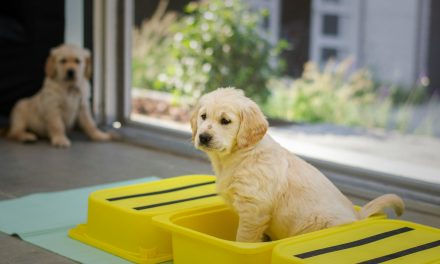
Early training and socialization are critical components of responsible dog ownership. Puppies are particularly receptive to learning during their formative months; thus, exposing them to various environments, people, and other animals can foster well-adjusted behavior later in life. Socialization helps prevent behavioral issues such as fearfulness or aggression by teaching dogs how to interact appropriately with their surroundings.
Basic obedience training should begin as soon as you bring your puppy home. Teaching commands such as sit, stay, come, and heel not only enhances communication but also establishes boundaries and expectations. Positive reinforcement techniques—rewarding desired behaviors with treats or praise—are effective methods for encouraging learning without causing fear or anxiety. Enrolling in puppy classes can provide structured socialization opportunities while allowing owners to learn effective training techniques.
Creating a Safe and Comfortable Living Environment
A safe living environment is paramount for your dog’s well-being. This includes ensuring that your home is free from hazards such as toxic plants, chemicals, or small objects that could be ingested. Creating a designated space for your dog with comfortable bedding and access to fresh water promotes relaxation and security.
Outdoor spaces should also be secure; fencing should be checked regularly for gaps or weaknesses that could allow escape. Providing shade during hot weather and shelter during inclement conditions is essential for outdoor dogs. Additionally, ensuring that your dog has access to safe toys can prevent destructive behaviors stemming from boredom or anxiety.
Monitoring Your Dog’s Mental Health and Wellbeing
Mental health is just as important as physical health in dogs. Behavioral changes such as increased aggression, withdrawal from social interactions, or excessive barking can indicate underlying stress or anxiety issues. Monitoring your dog’s behavior closely allows you to identify potential problems early on.
Engaging in mentally stimulating activities—such as puzzle toys or scent games—can help alleviate boredom and promote cognitive function. Providing opportunities for social interaction with other dogs can also enhance mental well-being. If you notice persistent behavioral changes or signs of distress, consulting with a veterinarian or animal behaviorist can provide guidance on addressing these issues effectively.
Using Positive Reinforcement Techniques
Positive reinforcement is a powerful training method that encourages desired behaviors through rewards rather than punishment. This approach fosters trust between you and your dog while promoting a positive learning environment. Techniques such as clicker training can be particularly effective; the sound of the clicker signals to the dog that they have performed the desired behavior correctly.
Consistency is key when using positive reinforcement; rewarding behaviors immediately after they occur helps reinforce the connection between the action and the reward. Gradually increasing the difficulty of commands or tasks can keep training sessions engaging while challenging your dog mentally. This method not only enhances obedience but also strengthens the bond between you and your canine companion.
Recognizing and Responding to Signs of Illness
Being vigilant about your dog’s health involves recognizing signs of illness early on. Common indicators include changes in appetite or drinking habits, lethargy, vomiting, diarrhea, coughing, or unusual behavior. Regularly observing your dog’s normal routines will help you identify deviations that may warrant veterinary attention.
If you notice any concerning symptoms persisting for more than 24 hours or worsening over time, it is crucial to consult with a veterinarian promptly. Early intervention can lead to better outcomes in many cases; therefore, being proactive about your dog’s health is essential for ensuring their well-being.
Building a Strong Bond Through Quality Time
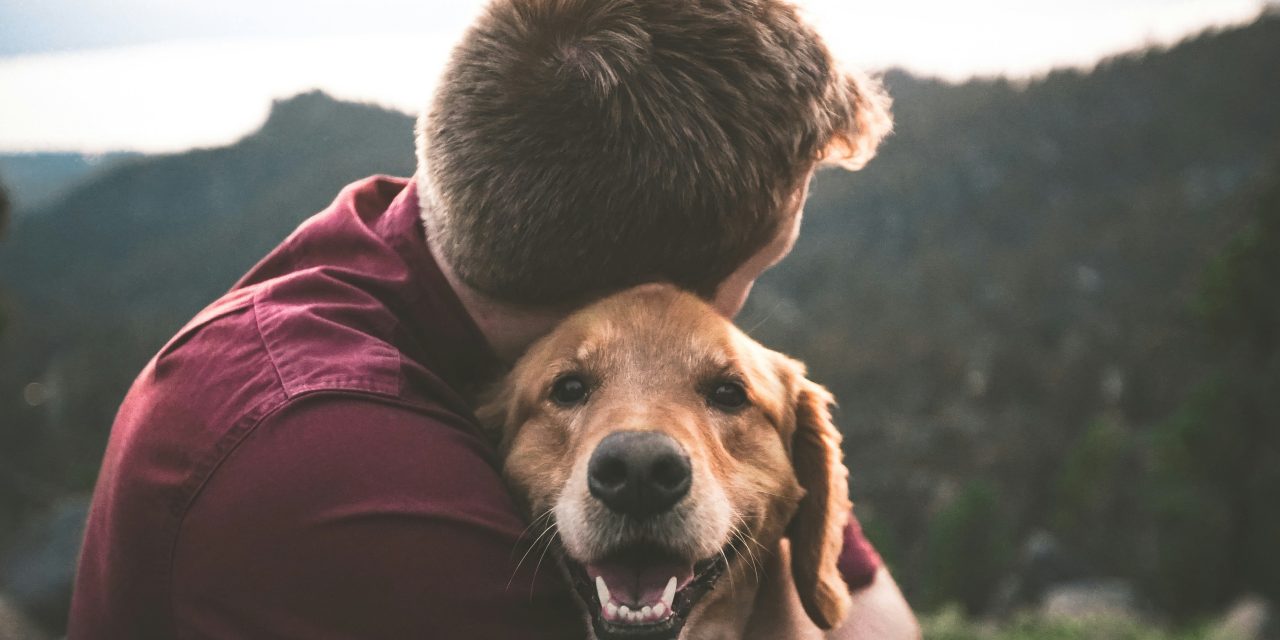
The bond between you and your dog is built through shared experiences and quality time spent together. Engaging in activities such as walks, playtime, training sessions, or simply cuddling on the couch fosters trust and companionship. Dogs thrive on attention from their owners; therefore, dedicating time each day to interact with them positively impacts their emotional health.
Participating in activities that both you and your dog enjoy can strengthen this bond further. Whether it’s hiking in nature or playing fetch at the park, these shared experiences create lasting memories while enhancing your relationship. Investing time in understanding your dog’s preferences will lead to a deeper connection that enriches both of your lives.
In summary, understanding your dog’s unique needs encompasses various aspects of care—from nutrition and exercise to grooming and mental health monitoring. By providing a balanced diet tailored to their specific requirements and establishing consistent routines for exercise and grooming, you lay the foundation for a healthy lifestyle. Regular veterinary check-ups ensure early detection of potential health issues while training and socialization foster well-adjusted behavior.
Creating a safe living environment enhances comfort while monitoring mental well-being allows for timely intervention when necessary. Utilizing positive reinforcement techniques strengthens communication between you and your dog while recognizing signs of illness ensures prompt veterinary care when needed. Ultimately, building a strong bond through quality time spent together enriches both your lives—creating a fulfilling partnership that lasts a lifetime.
FAQs
What services does Praise Dog Pet Care offer?
Praise Dog Pet Care provides a variety of services including dog walking, pet sitting, grooming, and training. They cater to the specific needs of each pet, ensuring personalized care and attention.
Are the staff at Praise Dog Pet Care trained and certified?
Yes, the staff at Praise Dog Pet Care are trained and certified in pet care and handling. They undergo background checks and receive ongoing education to ensure they provide the best care for your pets.
How can I book a service with Praise Dog Pet Care?
You can book a service with Praise Dog Pet Care through their website or by calling their customer service. They offer an easy-to-use online booking system that allows you to select services, dates, and times that work for you.
What types of pets does Praise Dog Pet Care cater to?
Praise Dog Pet Care primarily focuses on dogs but also provides services for other pets such as cats and small animals. They tailor their services to meet the specific needs of different types of pets.
Is there a cancellation policy for services booked with Praise Dog Pet Care?
Yes, Praise Dog Pet Care has a cancellation policy that requires clients to notify them at least 24 hours in advance for cancellations. This policy helps them manage their schedule and accommodate other clients effectively.