Maintaining the correct tire pressure is crucial for vehicle safety, fuel efficiency, and overall performance. Tires that are either under-inflated or over-inflated can lead to a myriad of issues, including reduced traction, increased tire wear, and compromised handling. According to the National Highway Traffic Safety Administration (NHTSA), approximately 11,000 accidents annually are attributed to tire-related issues, underscoring the significance of proper tire maintenance. The recommended tire pressure for most vehicles can be found on a sticker located on the driver’s side door jamb or in the owner’s manual.
Proper tire pressure not only enhances safety but also contributes to fuel economy. Under-inflated tires can decrease fuel efficiency by up to 3%, leading to increased costs over time. Conversely, over-inflated tires can result in a harsher ride and uneven tread wear. Regularly checking and maintaining tire pressure can extend the lifespan of tires, improve handling characteristics, and ensure optimal performance in various driving conditions.
If you’re looking for alternative methods to check tire pressure without a gauge, you might find it helpful to explore related topics such as DIY solutions for maintaining your vehicle. For instance, an article on homemade carpet cleaning solutions can provide insights into effective cleaning techniques that might inspire you to take on other maintenance tasks. You can read more about it here: homemade carpet cleaning solutions.
Visual Inspection: Checking Tire Shape and Tread
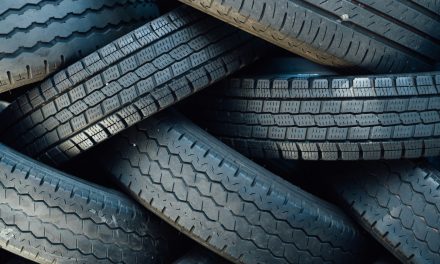
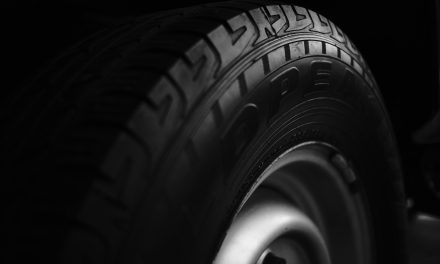
Conducting a visual inspection of tires is an essential first step in tire maintenance. This process involves examining the overall shape of each tire for any signs of bulging, cracking, or uneven wear patterns. A well-maintained tire should exhibit a uniform shape without any visible deformities. Any abnormalities may indicate underlying issues such as improper alignment or internal damage that could compromise safety.
In addition to assessing the tire’s shape, evaluating tread depth is vital for ensuring adequate traction. The tread is responsible for gripping the road surface, and insufficient tread depth can lead to hydroplaning and decreased control during adverse weather conditions. A simple method to check tread depth is the penny test: insert a penny into the tread with Lincoln’s head facing down; if you can see all of Lincoln’s head, it’s time to replace the tire. Regular inspections can help identify potential problems early, allowing for timely interventions.
The Hand Pressure Test: Feeling for Firmness

The hand pressure test is a straightforward yet effective method for gauging tire firmness. By applying pressure with your hand to each tire, you can assess whether they feel adequately inflated. A properly inflated tire should feel firm and resilient when pressed; conversely, an under-inflated tire will feel soft and may yield easily under pressure. This tactile assessment can serve as a preliminary check before utilizing more precise measurement tools.
While the hand pressure test is useful, it should not replace regular pressure readings with a gauge. Variations in temperature and load can affect tire pressure, making it essential to use a reliable gauge for accurate measurements. However, this tactile approach can help drivers quickly identify tires that may require further inspection or immediate attention.
Using a Coin to Estimate Tire Pressure

Another creative method for estimating tire pressure involves using a coin, specifically a quarter or a penny. This technique focuses on assessing tread depth rather than direct pressure but serves as an indirect indicator of overall tire health. For instance, inserting a quarter into the tread grooves with Washington’s head facing down allows you to gauge whether the tread depth is sufficient for safe driving conditions.
If the tread does not reach Washington’s head, it indicates that the tires may be worn down and could require replacement soon. This method is particularly useful for drivers who may not have access to specialized tools but still want to ensure their tires are safe for use. Regularly checking tread depth using this method can help prevent dangerous situations caused by inadequate traction.
If you’re looking for ways to check your tire pressure without a gauge, you might find it helpful to explore alternative methods that can provide a quick assessment. One such method involves using a simple visual inspection and a few basic tools you likely have at home. For more detailed guidance on this topic, you can read this informative article on how to check tire pressure without a gauge, which offers practical tips and insights to ensure your tires are properly inflated.
Listening for Air Leaks Around the Valve Stem
Listening for air leaks around the valve stem is an often-overlooked aspect of tire maintenance that can reveal potential issues before they escalate. The valve stem is responsible for maintaining air pressure within the tire; any damage or wear can lead to slow leaks that compromise performance over time. To perform this check, simply listen closely near each valve stem while ensuring that the vehicle is stationary.
If you hear a hissing sound or notice a significant drop in tire pressure over time, it may indicate a leak at the valve stem. In such cases, it is advisable to consult a professional who can assess and repair any damage effectively. Addressing leaks promptly can prevent further complications and ensure that your tires maintain optimal performance.
Comparing Tires: Side-by-Side Pressure Assessment
A side-by-side pressure assessment allows drivers to compare the inflation levels of all four tires visually and physically. This method involves using a reliable tire pressure gauge to measure each tire’s pressure individually and then comparing the readings against the manufacturer’s recommended specifications. Discrepancies in pressure levels among tires can lead to uneven wear and affect vehicle handling.
When conducting this assessment, it is essential to check all tires, including the spare if applicable. Uneven inflation can lead to compromised safety and performance, particularly during cornering or emergency maneuvers. Regularly comparing tire pressures ensures that all tires are functioning optimally and helps maintain balanced handling characteristics.
Monitoring Vehicle Handling and Ride Quality
Monitoring vehicle handling and ride quality is an integral part of maintaining proper tire pressure. Drivers should be attuned to any changes in how their vehicle responds during operation; signs such as pulling to one side or excessive vibration may indicate issues with tire inflation or alignment. A well-inflated tire contributes to stable handling and a smooth ride, while under-inflated tires can lead to decreased responsiveness and increased stopping distances.
Additionally, fluctuations in ride quality may signal that it’s time to check tire pressure or inspect for other underlying issues such as misalignment or suspension problems. Regularly assessing how your vehicle handles can provide valuable insights into its overall condition and help identify potential problems before they escalate into more significant concerns.
Checking Tire Pressure After Driving a Short Distance
It is advisable to check tire pressure after driving a short distance, as tires heat up during operation, causing air within them to expand. This phenomenon can lead to temporary increases in pressure readings that may not accurately reflect the true state of inflation when tires are cold. For optimal accuracy, it is best to measure tire pressure when tires are cold—typically after the vehicle has been parked for at least three hours.
However, if you must check after driving, be aware of this temperature-induced variance and consider adjusting your readings accordingly. Understanding how temperature affects tire pressure can help ensure that you maintain optimal inflation levels for safety and performance.
Using Temperature Changes to Gauge Tire Pressure
Temperature changes significantly impact tire pressure due to the ideal gas law, which states that gas expands when heated and contracts when cooled. For every 10°F change in temperature, tire pressure can fluctuate by approximately 1 psi (pound per square inch). Therefore, during seasonal transitions or extreme weather conditions, it is crucial to monitor tire pressure regularly.
Drivers should be particularly vigilant during colder months when temperatures drop significantly; under-inflation becomes more common as air contracts in colder conditions. Conversely, during hot summer months, increased temperatures can lead to over-inflation if not monitored closely. Understanding these dynamics allows drivers to proactively manage their tire pressures throughout varying weather conditions.
Utilizing Smartphone Apps and Sensors as Alternatives
In today’s digital age, technology offers innovative solutions for monitoring tire pressure effectively. Numerous smartphone apps are available that allow users to track their vehicle’s tire health through Bluetooth-enabled sensors installed on each valve stem. These sensors provide real-time data on tire pressure directly to your smartphone, alerting you when levels fall below recommended thresholds.
Using these technological advancements simplifies the process of maintaining proper tire pressure and enhances overall safety by providing timely notifications about potential issues. Additionally, many apps offer reminders for regular checks and maintenance schedules, ensuring that drivers remain proactive about their vehicle’s health.
When to Visit a Professional for Accurate Tire Pressure Measurement
While many methods exist for assessing tire pressure at home, there are instances when visiting a professional becomes necessary for accurate measurement and maintenance. If you consistently notice discrepancies in your readings or experience unusual handling characteristics despite regular checks, it may be time to consult a qualified technician.
Professionals possess specialized equipment that provides precise measurements and can identify underlying issues such as valve stem leaks or alignment problems that may not be apparent through casual inspection methods. Regular visits for professional assessments can help ensure that your vehicle remains safe and performs optimally over time.
In summary, maintaining proper tire pressure is essential for vehicle safety, fuel efficiency, and performance longevity. Regular visual inspections, tactile assessments, and technological solutions contribute significantly to effective tire maintenance practices. By understanding how temperature fluctuations affect inflation levels and utilizing both traditional methods and modern technology, drivers can ensure their vehicles remain safe on the road while optimizing performance through proper tire care.
FAQs
What are some methods to check tire pressure without a gauge?
You can check tire pressure without a gauge by using the “thumb test,” where you press your thumb against the tire sidewall to feel for firmness. Additionally, you can visually inspect the tire for signs of deflation, such as a noticeable bulge or flat appearance. Another method is to use a water and soap solution to check for leaks, which can indicate low pressure.
Why is it important to check tire pressure regularly?
Regularly checking tire pressure is crucial for safety, fuel efficiency, and tire longevity. Properly inflated tires improve vehicle handling, reduce the risk of blowouts, and enhance fuel economy. Under-inflated tires can lead to increased wear and tear, while over-inflated tires can reduce traction and increase the risk of accidents.
Can I use a smartphone app to check tire pressure?
While smartphone apps cannot directly measure tire pressure without a gauge, some apps can connect to Bluetooth-enabled tire pressure monitoring systems (TPMS) that provide real-time data. If your vehicle is equipped with TPMS, you can use these apps to monitor tire pressure easily.
What are the signs of low tire pressure?
Signs of low tire pressure include a noticeable decrease in tire firmness, uneven tire wear, a warning light on your dashboard, and a change in handling or steering response. Additionally, you may hear a hissing sound if there is a slow leak, or you may notice that the tire appears flatter than usual.
How often should I check my tire pressure?
It is recommended to check your tire pressure at least once a month and before long trips. Additionally, you should check the pressure whenever there is a significant change in temperature, as tire pressure can fluctuate with temperature changes. Regular checks help ensure optimal performance and safety.