Identifying car fluid leaks is crucial for maintaining vehicle performance and ensuring safety on the road. Fluid leaks can lead to significant mechanical failures, which may result in costly repairs or even accidents. Regularly inspecting your vehicle for leaks not only prolongs its lifespan but also enhances fuel efficiency and reduces environmental impact. Ignoring these leaks can lead to severe consequences, including engine overheating, brake failure, and transmission issues.
Moreover, understanding the implications of fluid leaks can empower vehicle owners to take proactive measures. By recognizing the signs early, drivers can mitigate risks associated with fluid loss, such as diminished braking power or compromised steering control. This awareness fosters a culture of preventive maintenance, ultimately leading to safer driving experiences and reduced repair costs over time.
If you’re looking to understand more about car maintenance, particularly how to identify different fluid leaks by color, you might find it helpful to explore related topics. For instance, an article discussing plant care, such as 7 Reasons Why Your Cucumber Leaves Are Turning Yellow and How to Fix It, can provide insights into how color changes can indicate underlying issues, whether in your garden or under the hood of your car. Understanding these color cues can enhance your ability to diagnose problems effectively.
Common Types of Car Fluids and Their Functions
Vehicles rely on various fluids to operate efficiently, each serving a specific purpose. The most common types include engine oil, transmission fluid, brake fluid, coolant, and power steering fluid.
1. **Engine Oil**: This lubricant reduces friction between moving parts, ensuring smooth operation and preventing wear and tear. It also helps dissipate heat generated during combustion.
2. **Transmission Fluid**: Essential for automatic transmissions, this fluid facilitates gear shifting and lubricates internal components to prevent overheating.
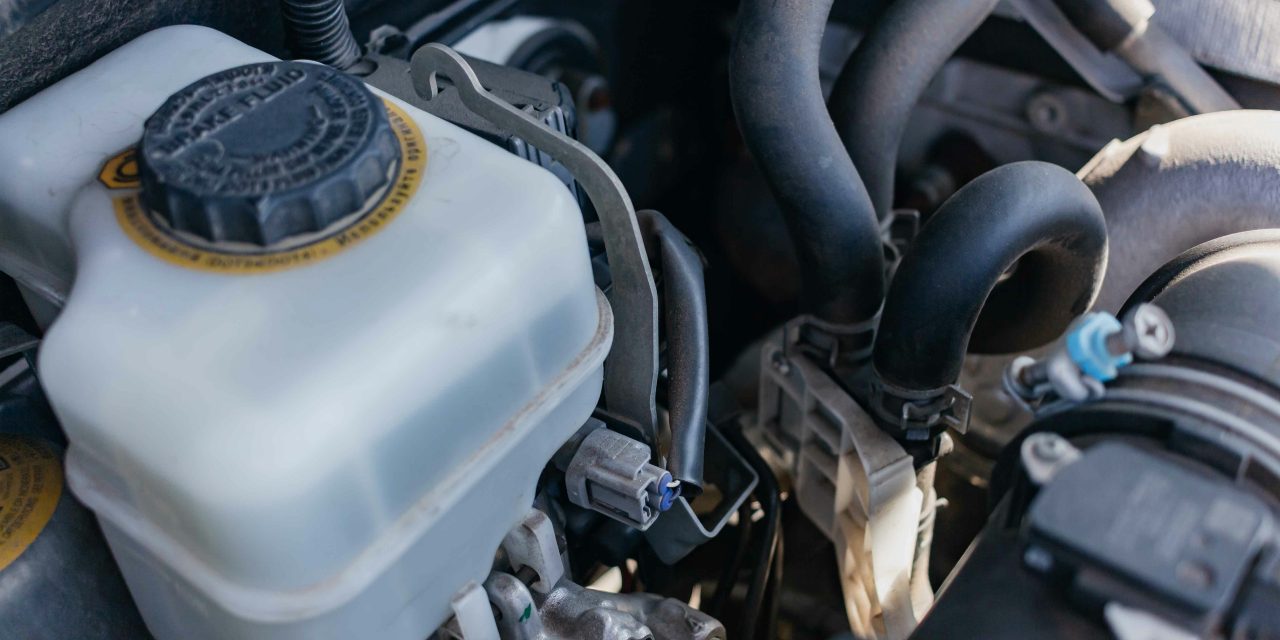
3. **Brake Fluid**: A hydraulic fluid that transmits force from the brake pedal to the brake components, ensuring effective stopping power.
4. **Coolant**: This fluid regulates engine temperature by absorbing heat and dissipating it through the radiator, preventing overheating.
5. **Power Steering Fluid**: This hydraulic fluid assists in steering by amplifying the force applied to the steering wheel, making it easier to maneuver the vehicle.
Understanding these fluids’ functions is vital for diagnosing potential leaks and addressing them promptly.
Preparing to Inspect Your Vehicle for Leaks

Before inspecting your vehicle for fluid leaks, it is essential to gather the necessary tools and create a safe environment. Start by parking your car on a level surface and turning off the engine. Allow the vehicle to cool down to avoid burns from hot components.
Next, equip yourself with a flashlight, clean rags, and a container for collecting any fluids you may find. Wearing gloves is advisable to protect your hands from harmful substances. Once prepared, visually inspect the undercarriage of your vehicle, focusing on areas where fluids are likely to accumulate, such as beneath the engine, transmission, and near the wheels.
Additionally, consider checking for any unusual smells or sounds while driving that may indicate a leak. Regular inspections can help you catch leaks early before they escalate into more significant issues.
Identifying Engine Oil Leaks by Color and Texture

Engine oil leaks are among the most common issues faced by vehicle owners. The color of engine oil can vary depending on its age and condition. Fresh oil typically appears amber or light brown, while older oil may darken to a deep brown or black hue.
When inspecting for leaks, pay attention to the texture of the oil as well. Fresh oil has a smooth consistency, while older oil may feel gritty due to contaminants. Look for puddles or stains on the ground beneath your vehicle; these can indicate a leak’s location. Common leak points include the oil pan gasket, valve cover gasket, and oil filter.
If you notice a significant drop in oil levels or frequent topping off is required, it is crucial to address the issue promptly. Ignoring engine oil leaks can lead to severe engine damage due to inadequate lubrication.
If you’re looking to understand more about car maintenance, you might find it helpful to read an article on how to identify different car fluid leaks by color. This can be crucial for diagnosing potential issues with your vehicle before they escalate. For a deeper dive into related topics, check out this informative piece on freezing fresh vegetables for better texture, which, while not directly related to car care, offers insights into preserving quality in another context.
Recognizing Transmission Fluid Leaks: Color and Smell Clues
Transmission fluid is typically red or pink when new but can darken over time due to heat and contamination. A distinct sweet or burnt smell often accompanies old transmission fluid, indicating potential issues within the transmission system.
To identify transmission fluid leaks, inspect the area around the transmission pan and cooler lines for any signs of leakage. Puddles of red or pink fluid on the ground are clear indicators of a problem. Additionally, if you experience difficulty shifting gears or notice slipping during acceleration, these symptoms may suggest a transmission fluid leak that requires immediate attention.
Addressing transmission fluid leaks promptly is essential to prevent further damage to the transmission system, which can be costly to repair or replace.
If you’re looking to maintain your vehicle effectively, understanding how to identify different car fluid leaks by color can be incredibly helpful. For a deeper dive into vehicle maintenance, you might find this article on choosing the right car fluids particularly useful. It provides insights that can complement your knowledge about fluid leaks and their implications for your car’s health. You can read more about it here.
How to Spot Brake Fluid Leaks and Their Risks
Brake fluid is typically clear or light yellow but can darken over time due to moisture absorption and contamination. A brake fluid leak poses significant safety risks as it directly affects braking performance.
To identify brake fluid leaks, inspect the brake lines, master cylinder, and calipers for any signs of leakage. Puddles of clear or yellowish fluid near the wheels or under the master cylinder are indicators of a leak. Additionally, if you notice a spongy brake pedal or reduced braking power, these symptoms may suggest a brake fluid leak that requires immediate attention.
Given that brake fluid is hygroscopic—meaning it absorbs moisture—allowing a leak to persist can lead to corrosion within the braking system and compromise overall safety.
Coolant Leaks: Colors and Signs to Watch For
Coolant is typically green, orange, or pink depending on its formulation and manufacturer specifications. A coolant leak can lead to engine overheating and severe damage if not addressed promptly.
When inspecting for coolant leaks, look for puddles of colored liquid beneath your vehicle or signs of corrosion around hoses and connections. Additionally, check for steam rising from under the hood while driving or an unusual increase in engine temperature on your dashboard gauge.
If you suspect a coolant leak, it is crucial to address it immediately by locating the source—often found at hose connections or the radiator—and repairing it before further damage occurs.
Power Steering Fluid Leaks: What to Look For
Power steering fluid is typically red or clear and has a distinct oily texture. A leak in this system can lead to difficulty steering and increased effort required to maneuver your vehicle.
To identify power steering fluid leaks, inspect the power steering reservoir and hoses for any signs of leakage. Puddles of red or clear fluid near the front wheels are common indicators of a problem. Additionally, if you hear whining noises when turning the steering wheel or notice increased resistance while steering, these symptoms may suggest a power steering fluid leak that requires immediate attention.
Addressing power steering fluid leaks promptly is essential for maintaining safe handling and control of your vehicle.
Differentiating Water Leaks from Other Fluid Leaks
Water leaks are often mistaken for other types of fluid leaks due to their clear appearance. However, distinguishing between water and other fluids is crucial for accurate diagnosis. Water leaking from your vehicle is typically condensation from the air conditioning system or rainwater runoff.
To differentiate water from other fluids, observe its location and behavior. Water usually collects beneath the passenger side during operation due to air conditioning use or drips from under the hood after rain. In contrast, other fluids will leave colored stains on surfaces.
If you suspect a water leak but notice unusual smells or colors associated with other fluids, further investigation may be necessary to rule out more serious issues.
Using Color Codes to Pinpoint Leak Sources Accurately
Utilizing color codes can significantly aid in pinpointing leak sources accurately. Each type of automotive fluid has distinct colors that can help identify potential issues quickly:
– **Engine Oil**: Amber to dark brown
– **Transmission Fluid**: Red or pink
– **Brake Fluid**: Clear or light yellow
– **Coolant**: Green, orange, or pink
– **Power Steering Fluid**: Red or clear
By familiarizing yourself with these color codes, you can streamline your inspection process and address leaks more efficiently. This knowledge empowers vehicle owners to take proactive measures in maintaining their vehicles’ health.
When to Seek Professional Help After Identifying Fluid Leaks
While many minor leaks can be addressed through DIY methods, certain situations warrant professional intervention. If you notice significant fluid loss—more than a few drops—or experience symptoms such as unusual noises or handling difficulties, it is advisable to consult a qualified mechanic.
Additionally, if you are unsure about identifying the source of a leak or lack confidence in performing repairs yourself, seeking professional help ensures that your vehicle receives proper diagnosis and treatment. Mechanics possess specialized tools and expertise necessary for addressing complex issues that may not be apparent during a visual inspection.
In conclusion, identifying car fluid leaks is essential for maintaining vehicle performance and safety on the road. By understanding common types of fluids and their functions, preparing adequately for inspections, recognizing signs of various leaks by color and texture, and knowing when to seek professional help, vehicle owners can take proactive steps toward ensuring their cars remain in optimal condition. Regular maintenance not only prolongs vehicle lifespan but also enhances safety for drivers and passengers alike.
FAQs
What does a red fluid leak indicate?
A red fluid leak typically indicates a transmission fluid leak or power steering fluid leak. Transmission fluid is usually bright red when new, while power steering fluid can vary in shade but often has a similar hue. It’s important to address these leaks promptly to avoid transmission or steering issues.
How can I identify an oil leak from my car?
An oil leak is usually characterized by a dark brown or black fluid. Engine oil can become darker as it ages, but fresh oil is typically a golden or amber color. If you notice a puddle of this color under your vehicle, it may indicate an oil leak that needs to be investigated.
What color is coolant, and what does a coolant leak mean?
Coolant is often bright green, orange, or pink, depending on the type used in your vehicle. A coolant leak can indicate a problem with the radiator, hoses, or water pump. It’s crucial to address coolant leaks quickly, as they can lead to engine overheating.
What does a blue fluid leak signify?
A blue fluid leak usually signifies windshield washer fluid. This fluid is often dyed blue or green and is used to clean the windshield. While not as critical as other fluid leaks, a washer fluid leak can affect visibility during driving.
How can I tell if a fluid leak is from brake fluid?
Brake fluid is typically clear to yellowish in color and has a slightly oily texture. If you notice a fluid leak that matches this description, it could indicate a brake fluid leak, which is serious and should be addressed immediately to ensure safe braking performance.